




Belangrijkste inzichten
-
Kunstmatige intelligentie in personeelszaken kan uw team versterken: G-P's agentische kunstmatige intelligentie ondersteunt HR-workflows met meerdere stappen, waaronder grensoverschrijdende werving, het genereren van op maat gemaakte en conforme internationale contracten, landspecifieke analyses, continue compliance monitoring, geautomatiseerde onboarding op grote schaal en dagelijks lifecyclemanagement. Dit verkort de onderzoekstijd, zodat uw team zich kan concentreren op strategie, cultuur en mensen.
-
Geef prioriteit aan menselijk oordeel: automatiseer taken, niet beslissingen. Menselijk toezicht is belangrijk bij het beoordelen van de verantwoorde implementatie van kunstmatige intelligentie binnen personeelszaken, met name bij keuzes die van invloed zijn op de werkgelegenheid, het salaris of de juridische status.
-
Global compliance heeft geverifieerde gegevens nodig: General kunstmatige intelligentie tools riskeren compliance fouten. Gebruik door experts geverifieerde, propriëtaire tools zoals G-P Gia™ om compliancete garanderen.
Bekijk voor meer inzichten het webinar: "kunstmatige intelligentie, HUMAN RESOURCES strategie, en het evoluerende wereldwijde personeelsbestand"
Als u een HR-professional of bedrijfsleider bent die een wereldwijd personeelsbestand beheert, weet u dat het volgen van de compliance een voltijdse baan is. Vandaag gaat het gesprek niet alleen over het vinden van manieren om alle juridische vakjes aan te vinken; het gaat ook over het maken van slimme technologische keuzes.
Inzicht in hoe kunstmatige intelligentie in de personeelszaken kan worden ingezet, transformeert de sector door alledaagse taken eenvoudiger en sneller te maken. Vereenvoudiging en snelheid helpen HR-teams zich snel aan te passen aan veranderende omstandigheden en regelgeving. Maar maak je geen zorgen over het als eerste adopteren van de nieuwe technologie; het doel is simpelweg om bij te blijven.
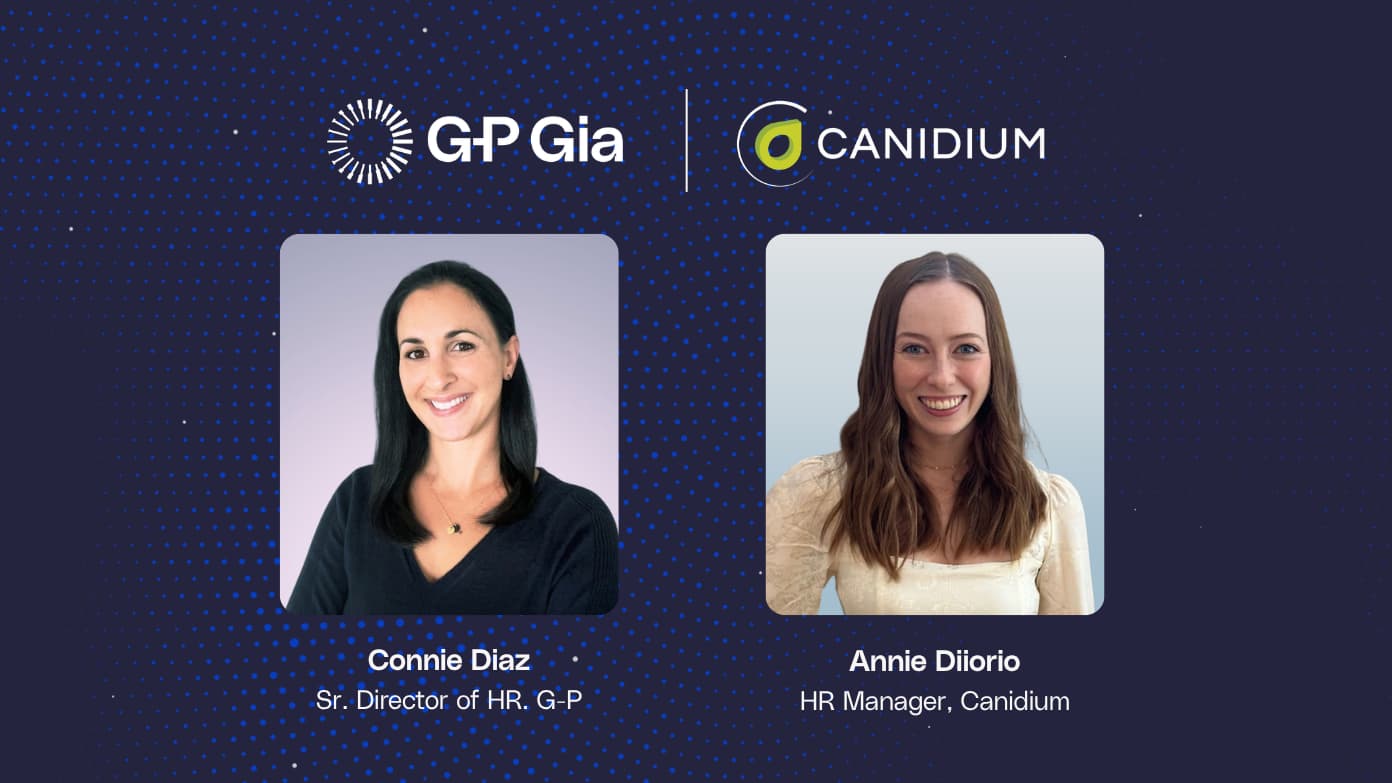
Connie Diaz, senior directeur HR bij G-P, en Annie Diiorio, HR-manager bij Canidium, zijn experts in het introduceren van kunstmatige intelligentie bij werknemers in beweging. Ze hebben hun teams de " -angst voor kunstmatige intelligentie " achter zich gelaten om tools te implementeren die minder taken hoeven te verrichten en het personeel weer in het HUMAN RESOURCES te steken. Uit die ervaring hebben ze de code voor kunstmatige intelligentie-integratie gekraakt.
Hoe kunstmatige intelligentietools HUMAN RESOURCES-teams helpen
kunstmatige intelligentie-tools fungeren als een krachtvermenigvuldiger voor HR-teams door het zware werk van administratieve taken op zich te nemen. Door grote verantwoordelijkheden zoals het initiële cv-screening, handmatige gegevenssortering en routinematige beleidsvragen op zich te nemen, versnellen kunstmatige intelligentie de dagelijkse werkzaamheden. Dit vermindert de repetitieve werklast die groeiende teams onder druk kan zetten.
Gia kan bijvoorbeeld snel een Japanse arbeidsovereenkomst genereren die belangrijke lokale arbeidsrechtelijke overwegingen voor personeelszaken weerspiegelt. In de Japanse arbeidswetgeving (zoals de Arbeidsnormenwet) moeten contracten expliciet details vermelden zoals werktijden, regels voor overuren en ontslagvergoedingen, in een specifiek format. Als u een standaard aanbiedingsbrief in Amerikaanse stijl gebruikt, kunnen sommige bepalingen ineffectief zijn of moeilijk af te dwingen onder het Japanse arbeidsrecht.
Zonder een kunstmatige intelligentietool zoals Gia zou een HR-manager in New York of Londen het volgende moeten doen:
-
Besteed uren aan het onderzoeken van de Japanse arbeidswetgeving.
-
Huur dure externe juridische adviseurs in.
-
Wacht een paar dagen totdat een lokale partner het document heeft opgesteld.
Doordat kunstmatige intelligentietools zoals Gia meerdaagse, kostbare taken veel sneller kunnen uitvoeren, hebben HR-teams meer tijd om zich te richten op werk dat menselijk oordeel vereist.
Voordelen van kunstmatige intelligentie in HUMAN RESOURCES
De voordelen van kunstmatige intelligentie in personeelszaken liggen in het feit dat teams efficiënter, strategischer en zelfverzekerder kunnen werken. Dit geldt met name bij het beheren van aannemers, werknemers en compliance over de grenzen heen.
Zo ziet dat er in de praktijk uit. Stel dat uw team een senior manager van de VS naar het VK moet overplaatsen. Traditioneel zou dit dagenlang onderzoek naar plaatselijk arbeidsrecht vereisen of het inhuren van dure externe advocaten. Het gebruik van kunstmatige intelligentie in HUMAN RESOURCES verandert het proces:
-
Snellere HR- en compliance workflows: G-P's wereldwijde compliance engine genereert een voor het VK aangepaste arbeidsovereenkomst met daarin minimale opzegtermijnen, secundaire arbeidsvoorwaarden en recht op betaald jaarlijks verlof.
-
Meer consistente wereldwijde ondersteuning voor werknemers: G-P Assist biedt verplaatste medewerkers direct antwoord op vragen over lokale arbeidsvoorwaarden, verlof en onboarding, en stuurt complexe gevallen automatisch door naar lokale experts.
-
Proactieve, contextbewuste beslissingen: Gia kan de verplichtingen met betrekking tot automatische pensioeninschrijving in het VK en fiscale of salarisgerelateerde overwegingen signaleren die de afdeling Personeelszaken kan aanpakken voordat de overdracht wordt afgerond.
-
Minder administratieve hiaten: G-P's agentische kunstmatige intelligentie platform voor wereldwijde HR-ondersteuning gebruikt meerstaps, grensoverschrijdende workflows om handmatige onderzoeksloops en datafouten te verminderen.
Begin hier: het "kunstmatige intelligentie adoption continuum"
Voor veel leiders is het leren hoe ze kunstmatige intelligentie op een verantwoorde manier kunnen inzetten binnen personeelszaken een overweldigende taak. Annie merkt op dat adoptie een continuüm volgt: "Het begint met onverschilligheid, dan gaat het over in angst, vervolgens in schaamte, zelfvertrouwen en transformatie."
De truc om niet achterop te raken is eenvoudig: probeer gewoon de tools uit — op een manier die geschikt is voor u en uw team. Als je eenmaal begint, besef je hoe makkelijk het is, en dat bouwt snel vertrouwen op.
"Ik denk dat mensen zich zorgen maken dat kunstmatige intelligentie hun baan overneemt, terwijl we ons meer zorgen zouden moeten maken over iemand die weet hoe kunstmatige intelligentie te gebruiken die baan overneemt." — Annie Diiorio, HR-manager, Canidium.
Stap 1: Ontdek hoeveel tijd u nodig hebt voor HUMAN RESOURCES
kunstmatige intelligentie kan in elk aspect van HUMAN RESOURCES worden verweven. Het fungeert als een "collega" om de werkzaamheden soepeler te maken, werknemer-ervaringen te personaliseren en nieuwe inzichten te ontdekken. kunstmatige intelligentie vervangt HUMAN RESOURCES-professionals niet – het vergroot hun capaciteiten, automatiseert taken met een groot volume en geeft hen de vrijheid om zich te richten op strategie, cultuur en echte menselijke interactie.
| HUMAN RESOURCES-functie | Hoe kunstmatige intelligentie te gebruiken in HUMAN RESOURCES |
|---|---|
| Wereldwijde werving en aanwerving | Maakt de talentfunnel makkelijker te beheren: Het screent cv's, genereert functiebeschrijvingen en interviewvragen en automatiseert het planningsproces. Voor een kleine afdeling, zegt Annie, kan kunstmatige intelligentie "zijn als een collega en een klankbord om dingen doorheen te loodsen." |
| Wereldwijde onboarding | Begeleidt nieuwe medewerkers: het kan nieuwe medewerkers helpen bij het invullen van formulieren, trainingen inplannen en veelgestelde vragen beantwoorden via chatbots. Annie uploadde bijvoorbeeld alle informatie over de open inschrijvingsperiode in een tool en deelde deze met medewerkers, zodat ze vragen konden stellen die specifiek op de VS betrekking hadden, zoals: "Welke zorgverzekeringen bieden een HSA (Health Savings Account) aan?" Een enorme tijdsbesparing voor Annie en haar team. |
| Leren en ontwikkeling (L&D) | Verschuift L&D van one-size-fits-all naar gepersonaliseerd: Het belicht individuele leerbehoeften en beveelt relevante cursussen aan. |
| Prestatiemanagement | Het brengt datagedreven objectiviteit met zich mee: het analyseert gegevens om uitgebreide rapporten voor evaluaties te genereren en kan medewerkers zelfs helpen bij het schrijven van doordachte zelfevaluaties. |
| Data-analyse en inzichten | Het verwerkt enorme datasets: het kan trends in prestaties, beloning en omzet identificeren die anders onzichtbaar zouden blijven. |
| Ondersteuning voor werknemers | Biedt 24/7 ondersteuning voor medewerkers: kunstmatige intelligentie-aangedreven chatbots zijn nu frontline tools die direct algemene vragen van werknemers over loonadministratie, voordelen of beleid beantwoorden. Dit geeft HR-medewerkers de vrijheid om zich te richten op strategieën met grotere impact. |
Stap 2: Neem een "mens-in-de-lus"-benadering
Om kunstmatige intelligentie in de personeelszaken te gebruiken, moet je eerst de beperkingen ervan erkennen. De manier om risico's – zoals vooringenomenheid, privacy of "hallucinaties" – te beheersen, is door middel van menselijk toezicht.
Connie deelde een praktijkvoorbeeld van het gebruik van kunstmatige intelligentie in de personeelsafdeling om de tevredenheidsscores van nieuwe medewerkers te berekenen:
" Ik heb de onbewerkte gegevens van Workday gedownload en naar Gemini gegooid. Er stond 38% aan. Ik zei: nee. Dat slaat nergens op. Je had die mens nodig om de context echt te begrijpen om te kunnen zeggen dat het niet helemaal klopt."
Naast nauwkeurigheid kan kunstmatige intelligentie de verbinding niet vervangen. Annie vertelde een verhaal over een jonger familielid dat generatieve kunstmatige intelligentie begon te gebruiken als „vriend”, maar zich realiseerde wat de beperkingen ervan waren toen het zich hun interacties niet meer kon herinneren.
"Niets vervangt menselijke verbinding. AI staat voor kunstmatige intelligentie, " zei Annie Diiorio, HR-manager en Executive Business Partner bij Canidium. "Het heeft geen gevoelens. Het geeft niet om jou."
Tegenwoordig is kunstmatige intelligentie in personeelszaken een instrument dat tijd vrijmaakt om echte verbindingen op te bouwen, en geen vervanging daarvoor.
Algemene HR-activiteiten die niet volledig geautomatiseerd zouden moeten worden.
Begrijpen hoe je kunstmatige intelligentie op een verantwoorde manier kunt inzetten binnen HUMAN RESOURCES betekent weten waar de grens ligt. Uit een recent SHRM-onderzoek blijkt
drie op de vijf werknemers (59%) zich zorgen maken over de vertrouwelijkheid van zaken wanneer ze via een HR-systeem in plaats van met een HR-medewerker over de
praten.De gegevens van SHRM brachten ook belangrijke gebieden aan het licht die volgens de respondenten van de enquête nooit geautomatiseerd zouden mogen worden. Dit omvatte het gebruik van kunstmatige intelligentie voor het aanbevelen van disciplinaire maatregelen of ontslagbeslissingen (50%) en het automatisch bijhouden van de stemming of geestelijke gezondheid van een werknemer (49%). Een ander punt waar het niet mocht, was het beoordelen van de prestaties.
In de regel mag kunstmatige intelligentie niet worden gebruikt wanneer de uitkomst gevolgen heeft voor de baan, het salaris, de toegang tot werk of de wettelijke rechten van een werknemer. Zo hebben bijvoorbeeld in juli 2026 tientallen Meta-medewerkers het bedrijf aangeklaagd, omdat ze beweren dat kunstmatige intelligentietools hen doelbewust hebben ontslagen nadat ze verlof of aanpassingen in verband met een handicap hadden aangevraagd.
Hieronder vindt u een aantal veelvoorkomende HR-activiteiten die u beter niet kunt automatiseren:
-
Definitieve beslissingen over aanwerving of afwijzing: kunstmatige intelligentiescreening kan leiden tot discriminatie- of toegankelijkheidsrisico's.
-
Definitieve beslissingen over promotie, salaris, bonussen of functieniveaus: deze vereisen context, een billijkheidsbeoordeling en een verdedigbare zakelijke argumentatie.
-
Eindbeoordelingen en disciplinaire maatregelen: kunstmatige intelligentie kan contextuele factoren zoals veranderingen in werkdruk, beschermd verlof, aanpassingen voor mensen met een beperking, vooringenomenheid van managers of teamdynamiek over het hoofd zien.
-
Beëindiging, reorganisatie of ontslag: Risicovolle beslissingen moeten altijd worden beoordeeld vanuit een menselijk, juridisch en HR-perspectief.
-
Onderzoek naar arbeidsverhoudingen: kunstmatige intelligentie kan aantekeningen samenvatten, maar geloofwaardigheidsbeoordelingen, bevindingen en corrigerende maatregelen vereisen menselijk oordeel.
-
Klachten over intimidatie, discriminatie of vergeldingsmaatregelen: deze klachten betreffen wettelijke rechten, vertrouwelijkheid en een zorgvuldige feitencontrole.
-
Definitieve beslissingen over verlofgerechtigdheid of terugkeer naar het werk: kunstmatige intelligentie kan de intake ondersteunen, maar de afdeling Personeelszaken moet medische, wettelijke en beleidsmatige factoren beoordelen.
-
Correcties in de salaris- en urenregistratie die van invloed zijn op het loon: Geautomatiseerde systemen kunnen helpen bij het opsporen van afwijkingen, maar werkgevers blijven verantwoordelijk voor nauwkeurige registratie van loon, overuren en gewerkte uren.
-
Werknemersmonitoring of productiviteitsbeoordeling: kunstmatige, op intelligentie gebaseerde monitoring kan de risico's op het gebied van privacy, werktijden, arbeidsrechten en discriminatie vergroten.
Het verschil tussen G-P en waarom wereldwijde HUMAN RESOURCES geverifieerde kunstmatige intelligentie nodig heeft
De belangen zijn groot voor HR-managers die wereldwijd leidinggeven aan medewerkers. Een kunstmatige intelligentie "hallucinatie" is niet alleen een fout, maar ook een compliance risico. Algemene kunstmatige intelligentietools halen hun informatie rechtstreeks van het internet, dat vol staat met tegenstrijdige, verouderde en onjuiste gegevens.
Dit is waar door experts getoetste kunstmatige intelligentie steeds belangrijker wordt. "Ik google nooit meer iets over Internationaal arbeidsrecht, omdat er zoveel informatie te vinden is en ik niet meer weet wat ik moet geloven," legt Annie uit. “Het is dus erg handig om G-P Gia™ als kunstmatige intelligentiebron te gebruiken voor internationale vragen.”
En daarom heeft G-P Gia gebouwd. In tegenstelling tot kunstmatige intelligentie voor algemene doeleinden, is Gia gebaseerd op een eigen kennisbank om u advies te geven op het gebied van arbeidsrecht waarop u kunt vertrouwen. Het geeft geverifieerde antwoorden en citeert bronnen, waardoor HUMAN RESOURCES-leiders het vertrouwen krijgen dat ze nodig hebben om beslissingen te nemen die veel op het spel staan.
Maar wat is verificatie zonder bijpassende snelheid? Met Gia hoef je niet op antwoorden te wachten. Onze agentische kunstmatige intelligentie is ontworpen om HR-professionals uren werk te besparen. De ware kracht van geverifieerde, agentische, kunstmatige intelligentie in HUMAN RESOURCES schuilt in het feit dat risicovol compliance onderzoek tot een taak van twee minuten kan worden gereduceerd.
Stap 3: "Probeer het, maar lees het"
HR-leiders die op weg zijn naar een door kunstmatige intelligentie aangedreven werkplek zouden één doel moeten hebben: hun oordeel gebruiken als het gaat om de output.
Kunstmatige intelligentietools zijn eenvoudig te bouwen en te gebruiken, waardoor je snel van 'angst' naar 'zelfvertrouwen' kunt overstappen. De winnende strategie voor adoptie en integratie? Duik er gewoon in. "Iedereen die kunstmatige intelligentie nog niet heeft geprobeerd, moet het gewoon eens proberen, en je zult zien hoeveel het voor je kan betekenen," zegt Annie.
Het proces is eenvoudig, maar Annie benadrukt ook het belang van menselijk contact voor elke gebruiker van kunstmatige intelligentie. Veel werkzoekenden gebruiken bijvoorbeeld geautomatiseerde intelligentie om hun cv aan te passen aan de functieomschrijving. Hoewel het een acceptabele werkwijze is, controleren kandidaten de output niet altijd en laten ze kunstmatige intelligentieprompts zoals "[vul hier je vaardigheden in]" in het uiteindelijke document staan.
"Ik denk dat kunstmatige intelligentie een ontzettend handig hulpmiddel is," legt Annie uit. "Maar als kandidaten het niet gaan nakijken, dan is het voor mij meteen waardeloos, want dat getuigt van een gebrek aan oog voor detail." De toekomst van kunstmatige intelligentie binnen personeelszaken vereist menselijk oordeel, contextbewustzijn en expertise compliance . Kunstmatige intelligentie is het instrument dat HR-professionals helpt die belofte waar te maken.
Wat agentische kunstmatige intelligentie in HUMAN RESOURCES in de praktijk betekent
In plaats van alleen een samenvatting van een beleid te geven, kan agentische kunstmatige intelligentie in HUMAN RESOURCES helpen bij het verifiëren van werknemersgegevens, het opsporen van mogelijk toepasbare beleidsregels en voorschriften, het opstellen van reacties, het doorsturen van items voor goedkeuring en het bijhouden van vervolgacties.
Als een werknemer bijvoorbeeld verlof aanvraagt, kan de agentische kunstmatige intelligentie van HUMAN RESOURCES daarbij helpen:
-
verzamel het eerste verzoek
-
Identificeer welke bedrijfsbeleidsregels en lokale voorschriften van toepassing kunnen zijn.
-
Markeer ontbrekende informatie
-
Stel een reactie op voor werknemers
-
een checklist voor managers maken
-
Stuur de zaak door naar de afdeling Personeelszaken voor beoordeling.
Kunstmatige intelligentie kan helpen bij het organiseren van de workflow, maar de afdeling Personeelszaken moet uiteindelijk de definitieve beslissing nemen.
Bekijk Gia in actie
Ontdek hoe de kunstmatige intelligentie van ons agentschap voor wereldwijde compliance u geverifieerde antwoorden geeft op uw moeilijkste HUMAN RESOURCES-vragen in 50 -landen en alle 50 Amerikaanse staten.
veelgestelde vragen
Hoe kan ik kunstmatige intelligentie gebruiken in HUMAN RESOURCES?
Kunstmatige intelligentie kan grote hoeveelheden administratieve taken automatiseren, zoals het screenen van cv's, het opstellen van functiebeschrijvingen, het opstellen van contracten en het beantwoorden van routinematige vragen van werknemers over beleid, arbeidsvoorwaarden en salarisadministratie.
Welke HR-taken zouden niet geautomatiseerd moeten worden met kunstmatige intelligentie?
Kunstmatige intelligentie mag geen definitieve beslissingen nemen die van invloed zijn op de baan, het salaris, de wettelijke rechten of het welzijn van een werknemer. Activiteiten waarbij menselijke tussenkomst nodig is, zijn onder andere:
Definitieve beslissingen over aanwerving, promotie of ontslag/reorganisatie
Prestatiebeoordelingen en disciplinaire maatregelen
Onderzoek naar arbeidsverhoudingen en klachten over intimidatie/discriminatie.
Definitieve verlofgeschiktheid en goedkeuringen voor terugkeer naar het werk
Waarom vormen kunstmatige intelligentietools voor het grote publiek een risico voor compliance?
Publieke kunstmatige intelligentietools kunnen gebruikmaken van verouderde of onnauwkeurige internetgegevens, wat kan leiden tot misvattingen die juridische sancties kunnen opleveren op het gebied van wereldwijde personeelszaken. Het gebruik van door experts goedgekeurde tools zoals Gia is gebaseerd op geverifieerde databases en geciteerde bronnen.
Wat is agentische kunstmatige intelligentie in HUMAN RESOURCES?
Agentische kunstmatige intelligentie in HUMAN RESOURCES kan meerstapsworkflows uitvoeren. Het systeem kan gegevens over verlofaanvragen verzamelen, lokale wettelijke voorschriften identificeren, ontbrekende informatie signaleren, gepersonaliseerde antwoorden opstellen en taken doorsturen naar de afdeling Personeelszaken voor definitieve goedkeuring.
Hoe kunnen HR-leiders de adoptie van kunstmatige intelligentie stimuleren?
Leiders kunnen kunstmatige intelligentie in HUMAN RESOURCES framen als een instrument dat repetitieve administratieve taken vermindert in plaats van een vervanging voor menselijke verbinding. De beste aanpak is om teams aan te moedigen klein te beginnen. Gebruik kunstmatige intelligentie om initiële documenten op te stellen of beleidstaal te onderzoeken.