



Gestionar con éxito la nómina en Estonia requiere un profundo conocimiento de las normativas fiscales y laborales del país. Cumplir con estas normas es esencial para cumplir y garantizar que tus empleados cobren correctamente y a tiempo.
Navegar por estas complejidades puede ser un reto, especialmente para compañías que se expanden por primera vez en el país. Una Plataforma global de empleo de Estonia simplifica este proceso. Aprovechando nuestra entidad local y nuestro equipo de expertos, puedes gestionar nóminas, beneficios y Recursos Humanos en Estonia sin tener que crear tu propia filial, cerciorando el cumplimiento total desde el primer día.
Nóminas y normativas fiscales en Estonia
En Estonia, tanto empleadores como empleados contribuyen al sistema de seguridad social del país mediante impuestos y deducciones sobre la nómina.
Contribuciones a la nómina de la entidad empleadora en Estonia
- Impuesto Social: Las entidades empleadoras están sujetas a un impuesto social a una tasa fija del 33% del salario bruto del empleado. Este impuesto no está limitado. Los fondos se asignan al seguro estatal de pensiones (20%) y al seguro médico (13%). Este es pagado por la entidad empleadora además del salario del empleado.
- Contribución al seguro de desempleo: Las entidades empleadoras contribuyen 0.8% del salario bruto del empleado al fondo de seguro de desempleo.
Deducciones por nómina de empleados en Estonia
- Contribución al seguro de desempleo: Los empleados contribuyen 1.6% de su salario bruto al fondo de seguro de desempleo.
- Pensión financiada (II Pilar): Para los empleados nacidos luego de 1983, se requiere una contribución del 2% del salario bruto a un plan de pensiones financiadas obligatorias. El estado agrega el 4% del impuesto Social pagado por la entidad empleadora a esta contribución. Los empleados nacidos antes de 1983 pueden unir voluntariamente.
Impuesto sobre los ingresos de Estonia
Estonia tiene un tipo fijo del impuesto sobre los ingresos de las personas personales (PIT) del 22%, que es retenido por la entidad empleadora. Las personas tienen derecho a una deducción básica libre de impuestos de700 € al mes (8€400 anual). A diferencia de años anteriores, esta prestaciones es ahora universal; Ya no disminuye a medida que aumentan los ingresos y permanece disponible para todas las personas, independientemente de sus ingresos totales. Este cambio, efectivo desde el 1de enero de 2026, abolió el anterior sistema de 'joroba fiscal'.
Administración de nóminas en Estonia
Para garantizar el cumplimiento, las empresas deben seguir procedimientos específicos de administración de nóminas.
- Ciclo de nómina: Los salarios en Estonia suelen pagar mensualmente.
- Reportes y pagos: Las entidades empleadoras deben declarar todos los impuestos y contribuciones en un único formulario fiscal (TSD) y presentarlo ante la Junta de Impuestos y Aduanas de Estonia (ETCB) antes del 10día del mes siguiente al pago del salario.
- Recibos de nómina: Las entidades empleadoras están legalmente obligadas a proporcionar a los empleados una nómina clara y detallada de cada periodo de pago, detallando el salario bruto, todas las deducciones y la cantidad neta pagada.
Opciones de nómina para empresas en Estonia
Las empresas disponen de varias opciones de nómina en Estonia:
- Nóminas internas: Las empresas más grandes con un compromiso a largo plazo con Estonia podrían establecer un departamento interno de nóminas. Esto requiere contratar expertos locales en Recursos Humanos y expertos legales para gestionar el cumplimiento normativo.
- Proveedor local de nóminas: La tercerización a una empresa local de procesamiento de nóminas puede gestionar los cálculos y pagos, pero la entidad empleadora sigue siendo legalmente responsable de todos los asuntos de cumplimiento.
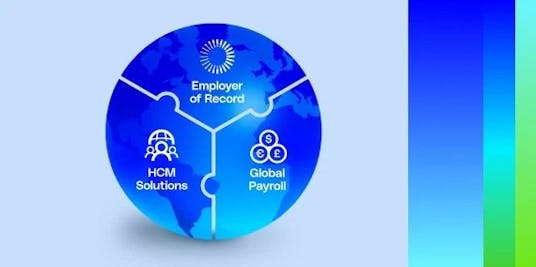
- Plataforma global de empleo (Employer of Record): Asociarte con G-P como tu Plataforma global de empleo (Employer of Record) es la solución integral. Nos encargamos de todos los aspectos de la nómina, impuestos y cumplimiento normativo en Estonia, asumiendo las responsabilidades asociadas y permitiéndote centrarte en el crecimiento de tu negocio.
Cómo configurar la nómina en Estonia
Tradicionalmente, la puesta en marcha de la nómina en Estonia requiere primero establecer una entidad jurídica, un proceso que puede ser lento y complejo. El modelo Plataforma global de empleo (Empleador de Registro) deG-P elude este requisito. Podemos contratar e incorporar empleados en tu nombre a través de nuestra entidad estonia existente, totalmente cumplida, lo que te permite iniciar operaciones en una fracción del tiempo.
Despido y salario final en Estonia
Las entidades empleadoras deben cumplir con los periodos de notificación legales al terminar un contrato de empleo. El periodo de notificación depende de la antigüedad del empleado:
- Menos de 1 año de empleo: 15 días naturales
- 1 a 5 años de empleo: 30 días calendario
- 5 a 10 años de empleo: 60 días calendario
- Más de 10 años de empleo: 90 días naturales
Se permiten periodos de prueba de hasta 4 meses. Todos los salarios finales y los pagos pendientes deben saldar en el último día de trabajo del empleado.
Optimiza la gestión global de nóminas con G-P
G-P agiliza cada paso del proceso nómina con nuestra plataforma líder en mercados, Plataforma global de empleo (Empleador de Registro). Paga a tu equipo con confianza en cualquier parte del mundo en 150+ monedas con nuestro sistema automatizado de nómina al 99% de puntualidad — todo con solo unos clics. Nuestros productos también se integran con las principales soluciones de GESTIÓN DEL CAPITAL HUMANO, sincronizando automáticamente los datos de nómina empleado entre plataformas para crear una fuente fiable y cómoda de verdad para los equipos de Recursos Humanos.
Contacta con nosotros para saber más sobre cómo podemos apoyarte.