




要在愛沙尼亞成功管理薪資,必須深入瞭解該國的稅務與勞動法規。遵守這些規則對於合規,並確保您的員工準確及時獲得準確的薪酬至關重要。
Navigating these complexities can be challenging, especially for companies expanding into the country for the first time. An Estonia EOR simplifies this process. By leveraging our in-country entity and expert team, you can manage payroll, benefits, and HR in Estonia without establishing your own subsidiary, ensuring full compliance from day one.
愛沙尼亞的薪資與稅務規定
在愛沙尼亞,雇主和員工都通過工資稅和扣除來為該國的社會安全制度做出貢獻。
愛沙尼亞的雇主薪資供款
- Social tax: Employers are liable for a social tax at a flat rate of 33% of an employee’s gross salary. This tax is not capped. The funds are allocated to state pension insurance (20%) and health insurance (13%). This is paid by the employer on top of the employee’s salary.
- Unemployment insurance contribution: Employers contribute 0.8% of the employee’s gross salary to the unemployment insurance fund.
愛沙尼亞的員工薪金扣除
- Unemployment insurance contribution: Employees contribute 1.6% of their gross salary to the unemployment insurance fund.
- Funded pension (II Pillar): For employees born after 1983, a contribution of 2% of gross salary to a mandatory funded pension scheme is required. The state adds 4% from the employer-paid social tax to this contribution. Employees born before 1983 may join voluntarily.
愛沙尼亞所得稅
愛沙尼亞的單一個人所得稅(PIT)稅率為 22%,該稅率由雇主預扣。個人有權獲得每月 700 歐元的基本免稅津貼(每年 8 歐元,400)。與以前幾年不同,這項津貼現在是普遍的;隨著收入增加,它不再減少,而且不論他們的總收入多少,所有個人都可以使用。這項變更自1 年 1 月起生效,2026 ,廢除了之前的「稅階」制度。
愛沙尼亞的薪資管理
為確保合規,公司必須遵循特定的薪資管理程序。
- Payroll cycle: Salaries in Estonia are typically paid on a monthly basis.
- Reporting and payments: Employers must declare all taxes and contributions on a single tax form (TSD) and submit it to the Estonian Tax and Customs Board (ETCB) by the 10th day of the month following the salary payment.
- Payslips: Employers are legally required to provide employees with a clear and detailed payslip for each pay period, outlining gross pay, all deductions, and the net amount paid.
愛沙尼亞公司薪資選項
公司在愛沙尼亞有幾種薪資選項:
- Internal payroll: Larger companies with a long-term commitment to Estonia might establish an internal payroll department. This requires hiring local HR and legal experts to navigate compliance.
- Local payroll provider: Outsourcing to a local payroll processing company can handle calculations and payments, but the employer remains legally responsible for all compliance matters.
- Employer of record: Partnering with G-P as your employer of record is the most comprehensive solution. We handle all aspects of Estonia payroll, tax, and compliance, taking on the associated liabilities and allowing you to focus on your business growth.
如何在愛沙尼亞設定薪資
Traditionally, setting up payroll in Estonia requires first establishing a legal entity, a process that can be time-consuming and complex. G-P’s EOR model bypasses this requirement. We can hire and onboard employees on your behalf through our existing, fully compliant Estonian entity, enabling you to start operations in a fraction of the time.
愛沙尼亞的結束聘用和最終付款
僱主終止勞動契約時必須遵守法定通知期間。通知期間取決於員工的服務長期:
- Less than 1 year of employment: 15 calendar days
- 1 to 5 years of employment: 30 calendar days
- 5 to 10 years of employment: 60 calendar days
- More than 10 years of employment: 90 calendar days
允許的試用期最長為4 個月。所有最終薪水和未償還款項必須在僱員的最後工作日結算。
透過 G-P 簡化全球薪資管理
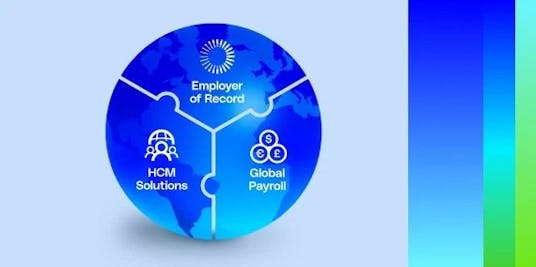
G-P streamlines each step of the payroll management process with our market-leading EOR platform. Pay your team with confidence anywhere in the world in 150+ currencies with our 99% on-time automated payroll system — all with just a few clicks. Our products also integrate with leading HCM solutions, syncing employee payroll data across platforms automatically to create one reliable, convenient source of truth for HR teams.
聯絡我們以了解有關我們如何為您提供支持的更多信息。