





Puntos clave
-
Constitución de entidad, Plataforma global de empleo (Empleador de Registro) o contratistas: La contratación directa en el Reino Unido requiere un registro complejo en HMRC y una nómina local, mientras que una Plataforma global de empleo (Empleador de Registro) ofrece una rápida expansión sin crear una entidad local. Contar con contratistas independientes ofrece una flexibilidad rápida para trabajos basados en proyectos.
-
Requisitos legales clave: Cerciórate de que cuentes salarios mínimos o dignos, 28 días de vacaciones anuales pagadas, aportaciones a la pensión del 3% de la entidad empleadora y la baja por enfermedad legal (SSP) cuando contrates en el Reino Unido.
-
Regulaciones sobre el tiempo de trabajo: Los empleados están limitados a una media de 48 horas laborales por semana, calculadas durante un periodo de 17semanas. Pueden firmar voluntariamente un acuerdo escrito de exclusión por escrito.
-
Próximos cambios legales: El Proyecto de Ley de Derechos Laborales otorga protección inmediata contra despidos improcedentes y endurece las normas sobre trabajo flexible y actualizaciones de contratos.
El Reino Unido tiene un grupo de talentos muy rico para compartir con el mundo. Pero el país también tiene leyes laborales y de empleo complejas que resultan difíciles de manejar.
Para las compañías que contratan empleados en el Reino Unido, gestionar estas regulaciones es complejo pero necesario. Esta guía te guiará por todo lo que necesitas saber sobre cómo contratar empleados en el Reino Unido.
Qué debes saber antes de contratar en el Reino Unido
Si quieres contratar empleados en el Reino Unido, empieza por estos 10 básicos de cumplimiento.
1. salario mínimo
El Reino Unido tiene dos niveles sueldo:
-
El salario mínimo nacional: Este es el sueldo mínimo por hora para empleados británicos de 20 años o menos. En 2025, las tarifas oscilan entre GBP 7.55 a 10GBP, dependiendo de la edad del empleado y de si es aprendiz. Las tarifas cambian cada año en abril de 1.
-
El sueldo nacional vivo: Esta es una tarifa más alta, aplicable a empleados mayores de 21 años. La tasa 2026 es GBP 12.71 por hora. Para quienes tienen entre 18y20años, la tasa es GBP 8.00. Los aprendices reciben GBP 8.00. Las tarifas también se actualizan cada año el 1de abril.
2. Normativas sobre horario de trabajo
No existe un estándar legal de semana de trabajo a tiempo completo en el Reino Unido. Sin embargo, es común una semana de trabajo de 40horas. Los empleadores pueden exigir a los trabajadores que trabajen más horas cuando lo permitan los contratos y la ley aplicable. El pago por todas las horas trabajadas debe cumplir con el salario mínimo nacional o sueldo nacional de vida.
Según el Reglamento de Tiempo de Trabajo, la mayoría de los trabajadores adultos no pueden trabajar más de una media de 48 horas por semana. Esto suele calcular durante un periodo de referencia de 17semanas. Los requisitos de personal de 24horas no eximen automáticamente a un puesto de este límite. Sin embargo, pueden aplicar excepciones específicas, normas especiales, periodos de referencia más largos o acuerdos de descanso compensatorio en ciertas industrias.
Los trabajadores mayores de 18 pueden optar por superar la media semanal de48 si firman un acuerdo voluntario y escrito de exclusión por escrito. Los trabajadores pueden cancelar un acuerdo de renuncia en cualquier momento. El periodo predeterminado de notificación es de siete días. El acuerdo puede especificar un periodo de notificación más largo de hasta tres meses.
Si bien muchos empleadores ofrecen pago de horas extras, no existe la obligación de pagarlas a una tarifa superior a menos que se acuerde contractualmente o en virtud de un convenio colectivo.
3. vacaciones anuales
Los empleados en el Reino Unido tienen derecho a al menos 56 semanas (28 días) de vacaciones anuales remuneradas. Los empleadores deciden si incluyen el 8del Reino Unido,10 el público y los festivos bancarios (según la jurisdicción) en los 28 días de vacaciones anuales remuneradas. Los trabajadores a tiempo parcial tendrán prorrateadas sus vacaciones anuales estatutarias de 28 días. Por ejemplo, alguien que trabaja 3 días a la semana recibirá 16.8 días libres al año (3 días multiplicados por 56 semanas es 16.8 días).
La posibilidad de transferir la licencia depende del tipo de licencia y de los términos que establezca el contrato del empleado. Por ejemplo, si un empleado estaba en licencia estatutaria como por paternidad, maternidad, adopción o licencia por enfermedad, puede trasladar la licencia de vacaciones legales no empleado al año siguiente.
4. Licencia familiar
Las empleadas embarazadas pueden recibir hasta 52 semanas de licencia por maternidad como derecho de día uno. Esto se paga por hasta 39 semanas, si se cumplen las condiciones de cumplimiento. La baja de paternidad es de 1a2 semanas. Quienes adoptan o buscan gestación subrogada pueden tomar hasta 52 semanas de licencia por adopción. La licencia compartida por paternidad puede conceder hasta 50 semanas de licencia con 37 semanas de salario. En Gran Bretaña, desde abril de 2025 se aplica la licencia de cuidados neonatales de hasta 12 semanas (esto aún no está en vigor en Irlanda del Norte).
5. Atención médica

El gobierno del Reino Unido proporciona a los residentes seguro médico a través del Servicio Nacional de Salud. Puedes ofrecer un seguro privado adicional, incluyendo beneficios de visión y dentales, pero esto no es obligatorio.
6. Pago por enfermedad legal (SSP)
Los empleados que ganan al menos GBP 125 por semana son elegibles para el SSP si estuvieron enfermos más de tres días seguidos. Los empleados deben documentar su enfermedad con una receta médica u otra evidencia. Para la mayoría de los empleados, el SSP está disponible con un tasa fija de GBP 11875 por semana durante hasta 28 semanas. Consulta las actualizaciones anuales del SSP tasa fija y la elegibilidad.
7. Sistema de pago según ganas (paga de acuerdo con lo que ganas)
Bajo el sistema de paga de acuerdo con lo que ganas, los empleadores deben retener impuestos sobre los ingresos y seguro nacional contribuciones (NIC) de los salarios de empleado. Los empleadores las remiten a HM Revenue and Customs (HMRC). Las tarifas dependen de los ingresos del empleado.
Cómo funciona el registro de nómina paga con lo que ganas para empleadores del Reino Unido: Los empleadores del Reino Unido deben registrar para la paga de acuerdo con lo que ganas con HMRC antes de su primer día de pago. Una vez registrados, HMRC proporcionan los números de referencia necesarios para configurar el software de nóminas, informar de salarios y deducciones, y pagar impuestos.
Tras registrar, los empleadores deben emplear el sistema de información en tiempo real (RTI) para calcular e informar impuestos y deducciones en cada día de pago. Para el nuevo personal, recopila una45 P o una lista de verificación inicial para cerciorarte de que la codificación fiscal es correcta. Tienes que cumplir con los plazos de pago de HMRC, entregar nóminas detalladas y conservar todos los registros de nómina.
8. Pensiones
Los empleadores deben ofrecer un plan de pensiones a los empleados británicos de 22a66 que ganan GBP 10,000 o más anualmente. Sin embargo, los empleados pueden optar por no participar. El régimen de pensiones es financiado conjuntamente por la entidad empleadora y empleado con tipos de contribución mínimos del 3% para empleadores y del 5% para empleados. Las contribuciones a la pensión de los empleados se deducen antes de calcular el impuesto sobre su salario restante.
9. Visas
Las normas migratorias cambian con frecuencia, por lo que es fundamental que los afiliados a tu equipo tengan derecho a trabajar en el Reino Unido. Bajo el Esquema de Asentamiento de la UE, los ciudadanos de la UE, el EEE y Suizos pueden seguir viviendo, trabajando y estudiando en el Reino Unido tras el Brexit. Los ciudadanos no comunitarios necesitan una visa de trabajo, como la visa de Trabajador Cualificado o la visa de Transferencia Intra-Compañía.
10. La Ley de Derechos Laborales
Es probable que la Ley de Derechos Laborales se convierta en ley en 2025. Esta factura contiene enmiendas para proteger aún más a los empleados del Reino Unido. Estas enmiendas impondrán nuevos requisitos de cumplimiento para los empleadores que buscan contratar en el Reino Unido, incluyendo:
-
Eliminación del requisito de dos años de servicio para reclamaciones por despido improcedente
-
Consultar con los empleados y demostrar causa razonable al cambiar los términos laborales
-
Proporcionar razones transparentes y justificadas para denegar solicitudes de trabajo flexible
-
Establecer políticas claras para conceder la baja legal por duelo
2026 expectativas de empleado en el Reino Unido
Los empleados en el Reino Unido están preocupados por su futuro profesional. Nuestra investigación reveló que el 61% está preocupado por la pérdida de empleo y el 59% piensa que carece de las habilidades necesarias para prosperar en un entorno laboral impulsado por inteligencia artificial.
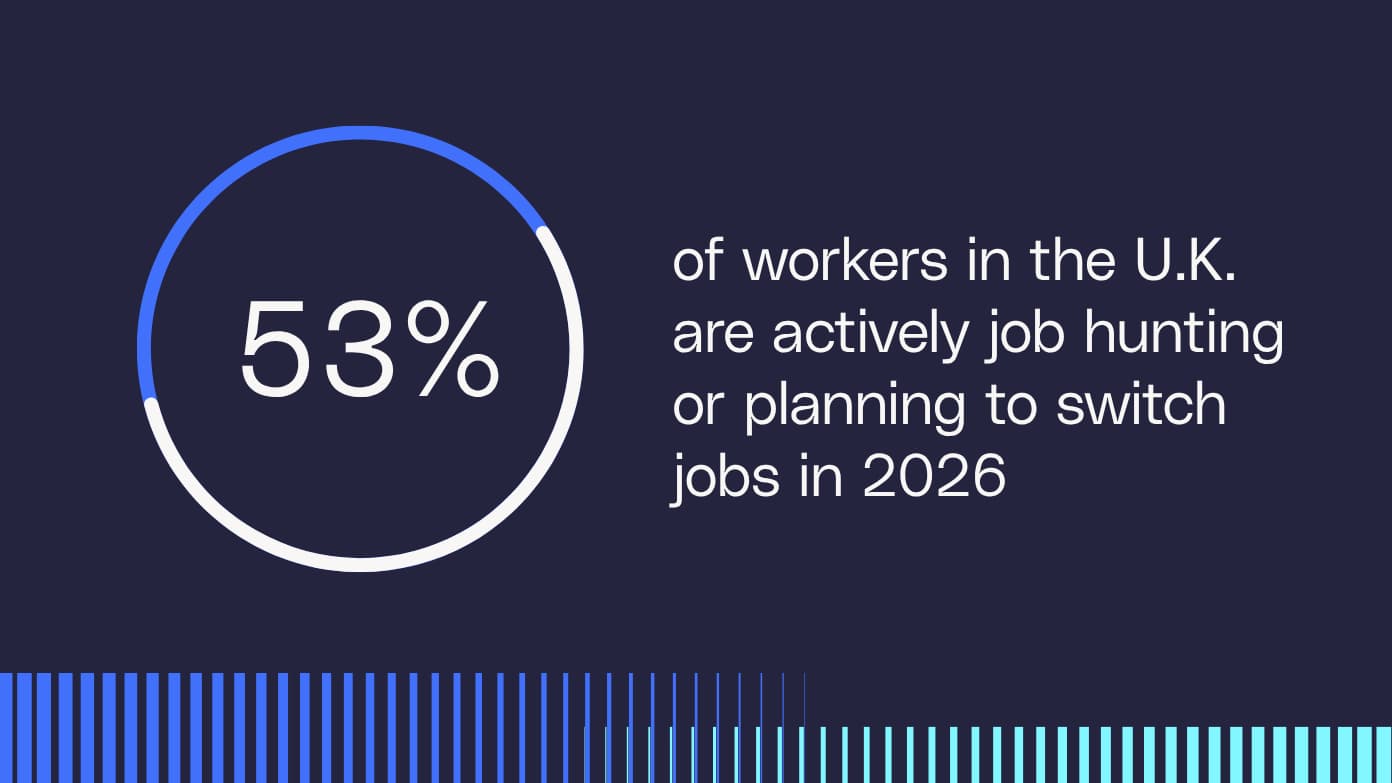
Alrededor del 53% de los trabajadores en el Reino Unido están activamente buscando trabajo o planeando cambiar de empleo en 2026. Las compañías que contratan en el Reino Unido deberían destacar oportunidades de progresión profesional y esfuerzos de inversión en la mejora de las habilidades empleadas para aliviar estas preocupaciones. Incluir vías de formación y desarrollo en las descripciones de trabajo puede diferenciarte de la competencia y servir como un poderoso contrapunto a la ansiedad empleada sobre la inteligencia artificial.
Modelos de contratación para compañías globales que buscan contratar en el Reino Unido
El mejor modelo cuando decides contratar empleados en el Reino Unido depende de tus objetivos empresariales generales.
| Modelo | Conocido por | Beneficios clave | Principales riesgos |
|---|---|---|---|
| Direct entidad empleadora registration | Contrata personal del Reino Unido directamente sin una entidad local a través de HMRC paga de acuerdo con lo que ganas registro. | Permite la contratación directa en el Reino Unido y el control sin una entidad local. | Enfrenta riesgos de establecimiento permanente e impuestos corporativos dependiendo del papel del empleado. |
| Plataforma global de empleo (Empleador de Registro), como G-P Plataforma global de empleo (Empleador de Registro) | Una forma rápida de contratar en el Reino Unido sin una entidad local. Plataforma global de empleo gestiona todos los contratos, nóminas, impuestos, beneficios y cumplimiento. | Ayuda a la entrada rápida al mercado con una configuración mínima al contratar empleados en el Reino Unido. | Riesgo de responsabilidades fiscales y de salud y seguridad si el cliente dirige a los trabajadores de Plataforma global de empleo (Empleador de Registro) como su entidad real empleadora. |
| Filial o sucursal | Una filial o sucursal crea una presencia formal. | Ofrece el máximo control, presencia de marca, escalabilidad y madurez operativa. | Altas cargas de instalación, mantenimiento y cumplimiento, incluyendo la creación de entidades e impuestos corporativos. |
| Contratistas independientes, como G-P Contractor | Ideal para proyectos a corto plazo o consultoría sin control de entidad empleadora. | Acceso flexible a habilidades especializadas sin necesidad de un compromiso a tiempo completo. | Riesgos de clasificación errónea para los derechos laborales, impuestos impagados y obligaciones de pensiones. |
Los principales centros de contratación en el Reino Unido
Algunas ciudades del Reino Unido son conocidas por industrias específicas. Conocer lo que cada ciudad tiene para ofrecer puede ayudarte a canalizar tus esfuerzos de contratación hacia el lugar adecuado y cubrir puestos más rápido.
Los principales polos de talento en el Reino Unido incluyen:
-
Londres es la capital y la ciudad más grande del Reino Unido, y un centro global de finanzas, tecnología, comercio minorista, moda y farmacéuticos. Es un exportador financiero líder, que atrae al mejor talento en banca, seguros y gestión de activos.
-
Manchester es un importante centro industrial en el noroeste de Inglaterra. Esta ciudad es líder mundial en fabricación avanzada, incluidos los sectores aeroespacial y automotriz. Cuenta con un sector tecnológico en auge, con puntos fuertes en medios digitales, comercio electrónico y ciberseguridad.
-
Birmingham tiene una economía diversificada y alberga compañías, servicios profesionales y financieros. Las industrias de fabricación de automóvil y ferrocarriles también prosperan en Birmingham.
-
Cambridge cuenta con un estable ecosistema de investigación y desarrollo, impulsado por la Universidad de Cambridge. El centro científico y tecnológico en Cambridge y sus alrededores recibe el apodo de Silicon Fen por sus industrias de software, electrónica y biotecnología de vanguardia.
-
Edimburgo es la capital de Escocia y el segundo mayor centro financiero del Reino Unido luego de Londres. Esta ciudad es líder mundial en banca, seguros y gestión de inversiones, y cuenta con una industria de software en crecimiento.
-
Belfast atrae a talentos especializados en inversión en tecnología financiera y ciberseguridad. Industrias creativas como el cine y la televisión también prosperan aquí.
-
Cardiff, la capital galesa, tiene diversas fortalezas en finanzas, medios de comunicación, turismo, cine y tecnología financiera.
Industrias clave en el Reino Unido
Comprender las principales industrias del Reino Unido te ayuda a referirte a los salarios y beneficios. Puedes emplear esta información para tomar decisiones inteligentes sobre dónde invertir y hacer crecer tu fuerza de trabajo. Las principales industrias en el Reino Unido incluyen:
-
Finanzas y seguros: El sector de servicios financieros y de seguros del Reino Unido aportó 208 millones de libras 2 a la economía en 2023, lo que representa 8 8 de la producción económica total. Entre los nombres más destacados de este sector se encuentran Barclays y Lloyds Banking Group.
-
Tecnología: En 2023, el sector digital y tecnológico contribuyó al7% del empleo en el Reino Unido. El Reino Unido alberga el diseñador de semiconductores Arm, el líder en tecnología financiera Revolut y el gigante del software Sage Group.
-
Sector sanitario y ciencias de la vida: Estos sectores del Reino Unido dan empleo a cientos de miles de personas e incluyen compañías farmacéuticas de renombre como AstraZeneca.
-
Industrias creativas: Desde el 2023 de julio hasta junio de 2024, la industria creativa representó aproximadamente el7% del empleo en el Reino Unido. Entre los nombres destacados se encuentran la BBC, la agencia global de publicidad y relaciones públicas WPP, y Pinewood Studios.
-
Manufactura: El sector manufacturero contribuyó con alrededor de 217 mil millones de libras esterlinas en valor bruto a la economía del Reino Unido en 2024. Entre las marcas manufactureras británicas destacadas se encuentran Rolls-Royce, Unilever y BAE Systems.
Gastos de contratación en el Reino Unido
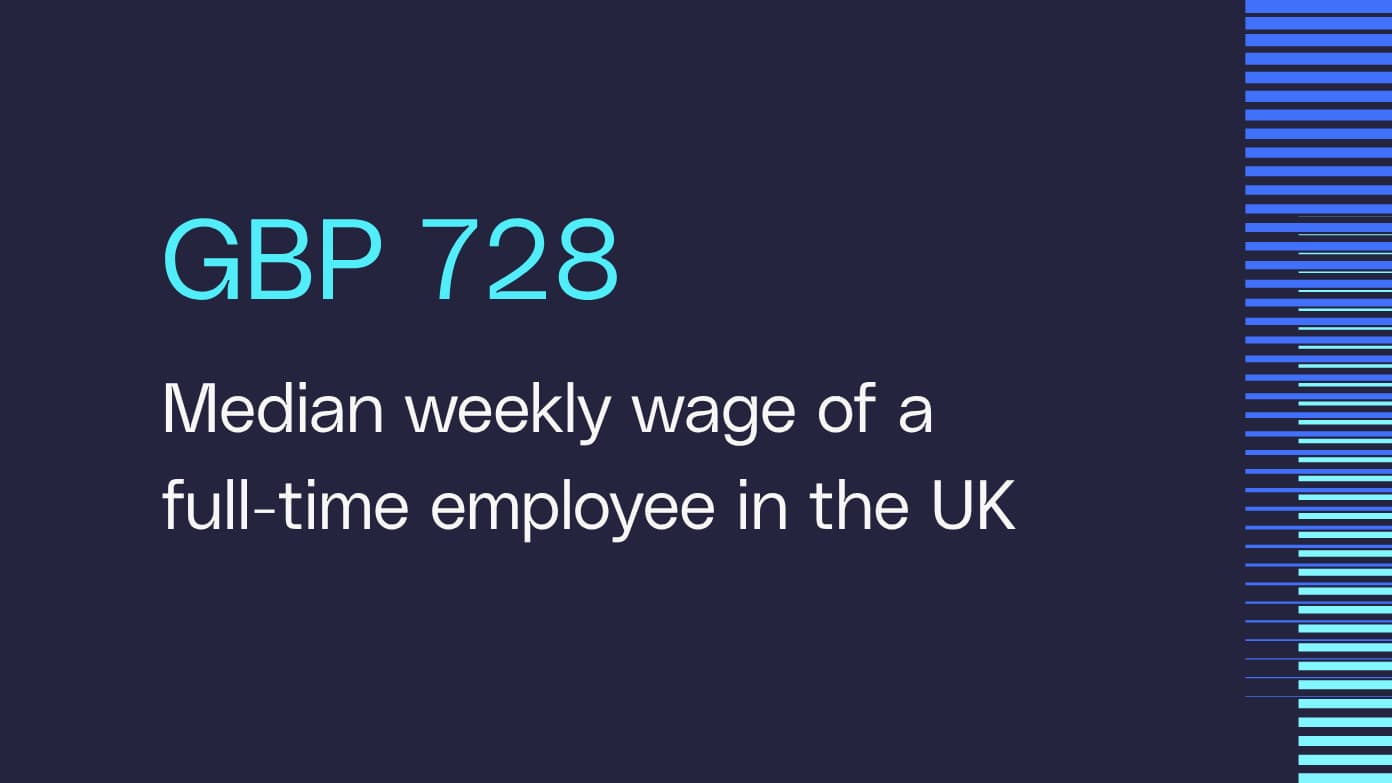
Los salarios y beneficios varían según la ocupación, pero el sueldo semanal medio de un empleado de tiempo completo en el Reino Unido ronda la libra 728. Contratar en el Reino Unido requiere una presupuestación cuidadosa:
-
Investigación: Cumplir con las leyes y normativas requiere una investigación exhaustiva, por lo que tendrás que pagar a los empleados para que lo hagan o asociarte conexpertos externos en cumplimiento de la normativa.
-
Formación de entidad: Necesitas una filial o sucursal para contratar en el Reino Unido, lo cual puede ser costoso y llevar mucho tiempo. O bien, puedes asociarte con una Plataforma global de empleo (Compañía de Registro ) (Plataforma global de empleo (Empleador de Registro)) y saltarte este requisito.
-
Soluciones de contratación: Los EOR agilizan la contratación de empleados en el Reino Unido. Incluye sus tarifas en tu cotización de contratación.
-
Publicidad: Publicar ofertas de empleo en portales populares del Reino Unido puede ayudar a atraer candidatos cualificados. Algunas de estas plataformas pueden cobrar una tarifa.
-
Comprobaciones legales: Verificar el derecho a trabajar de un candidato a persona y otras comprobaciones de antecedentes requiere tiempo y dinero.
-
Comité de contratación: Si usas un comité de selección interno, pagarás las horas de trabajo que dedican a redactar el anuncio de trabajo, evaluar solicitudes y entrevistar candidatos.
-
Formación: Los nuevos empleados requieren una inversión en formación antes de poder empezar a producir trabajos valiosos para tu compañía.
El costo de contratar a un contratista en el Reino Unido
Contratar empleados a tiempo completo es ideal para las necesidades a largo plazo y las funciones principales del negocio. Los contratistas pueden ser más rentables para proyectos a corto plazo o cuando se necesitan habilidades especializadas durante un tiempo limitado. Los contratistas suelen tener una tarifa horaria más alta que los empleados, pero te permiten ahorrar en varios gastos, incluyendo formación, NIC, pensiones, vacaciones, SSP y otros beneficios.
Una solución contratista como G-P Contractor puede ayudarte a contratar y pagar a los contratistas en el Reino Unido con facilidad.
Qué se necesita para contratar empleados en el Reino Unido
Para contratar trabajadores en el Reino Unido, debes tener:
-
Una entidad jurídica: Necesitas una filial o sucursal registrada para contratar en el Reino Unido.
-
Seguro de responsabilidad civil del empleador: La legislación británica exige que las compañías cuenten con un seguro de responsabilidad civil del empleador para proteger a los empleados en caso de enfermedad o lesión relacionada con el trabajo.
-
Registro del empleador: Contratar empleados en el Reino Unido requiere registrar como entidad empleadora ante HMRC para gestionar las obligaciones fiscales y las retenciones.
-
Nómina: Un sistema de nómina de cumplimiento es crucial para calcular y remitir impuestos, tarjetas de acceso y otras deducciones.
Asociar con una Plataforma global de empleo (Empleador de Registro) agiliza todos los aspectos de la contratación en el Reino Unido. Como Plataforma global de empleo (Empleador de Registro), contamos con entidades en todo el mundo. En lugar de pasar meses creando el tuyo propio, puedes usar nuestra filial británica Plataforma global de empleo (Empleador de Registro) para contratar empleados en minutos.
6 pasos para contratar en el Reino Unido
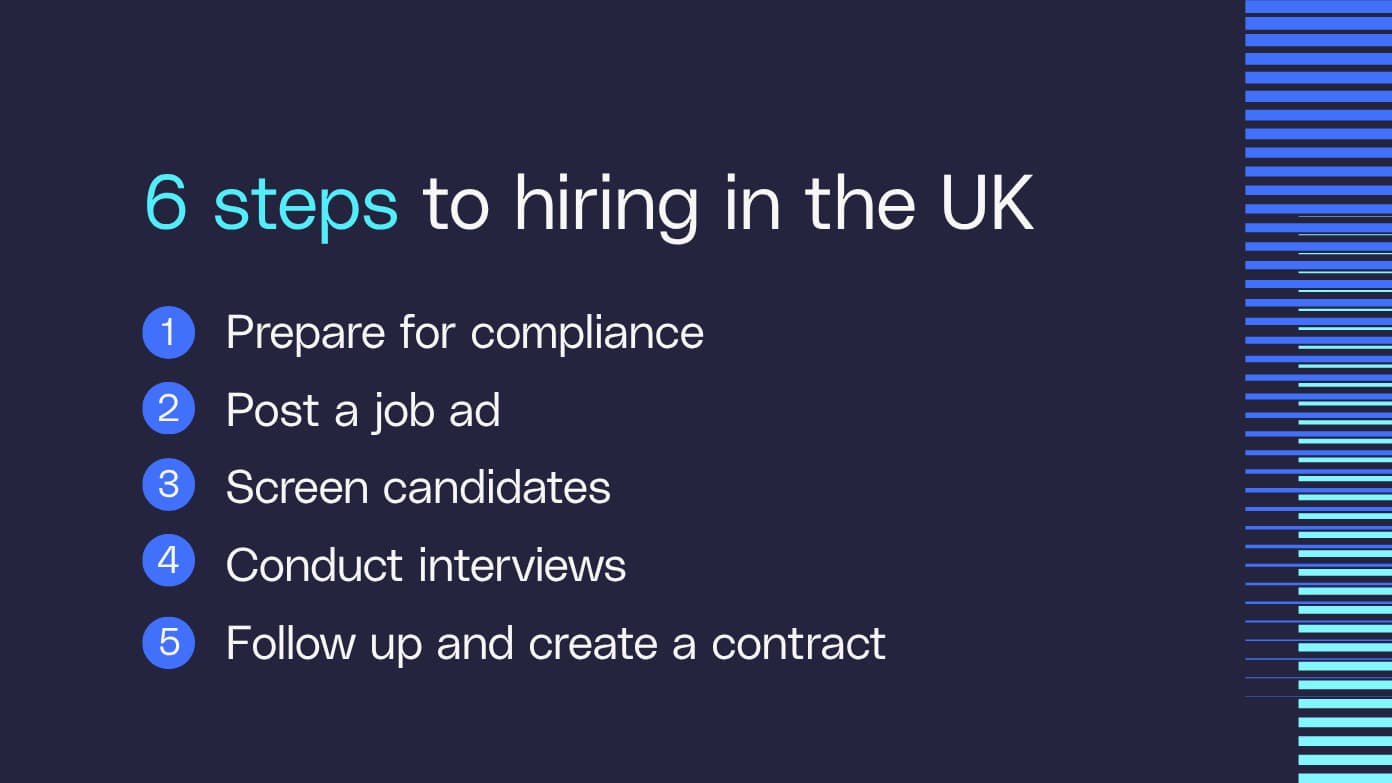
Si quieres contratar empleados en el Reino Unido, sigue estos pasos:
-
Prepárate para el cumplimiento: Investiga para cerciorarte de que entiendes todas las leyes y prácticas laborales relevantes para contratar en el Reino Unido, o emplea una Plataforma global de empleo (Empleador de Registro) para acceder a la experiencia local.
-
Publicar un anuncio de trabajo: Emplea G-P Gia™, nuestro agente global de Recursos Humanos con inteligencia artificial, para redactar documentos de Recursos Humanos, incluyendo descripciones de puestos que cumplan con la Ley de Igualdad de 2010 y la Ley de Protección de Datos de 2018.
-
Candidatos de filtro: Selecciona a los candidatos según las cualificaciones que aparecen en sus currículums y las comprobaciones legales.
-
Realiza entrevistas: Selecciona a los candidatos en entrevistas y emplea Gia para elaborar preguntas relevantes y no discriminatorias.
-
Haz un seguimiento y crea un contrato: Haz una oferta a la persona candidata que elijas y redacta un contrato de cumplimiento que detalle los términos, derechos y responsabilidades laborales.
-
Incorpora tu nueva persona empleada: Ofrece formación e integra a los nuevos empleados en la cultura de tu compañía.
Comprensión de los contratos laborales en el Reino Unido
Los acuerdos laborales en el Reino Unido deben estar respaldados por una declaración escrita de particularidades o contrato con los términos clave del empleo. Estos incluyen un título y descripción del puesto, fecha de inicio de empleo, tarifa de compensación, derechos a vacaciones, baja por enfermedad, horario laboral y periodos de preaviso.
Incluye cláusulas de propiedad intelectual y confidencialidad para proteger tu información confidencial. Puedes incluir un periodo de prueba, normalmente de seis meses o menos, y cláusulas razonables de no competencia. Detallar las condiciones y los procesos para la terminación del contrato también puede protegerte frente a reclamaciones por despido improcedente.
Con Gia, puedes redactar contratos y otros documentos de Recursos Humanos en segundos que cumplan con las leyes laborales al contratar en el Reino Unido.
Otras consideraciones de cumplimiento y legales
Algunas otras consideraciones a considerar al contratar empleados en el Reino Unido incluyen:
-
Clasificación: Clasificar correctamente a los trabajadores del Reino Unido es fundamental para cumplir con los requisitos fiscales y de capacidades y proteger la reputación y estabilidad financiera de tu compañía .
-
Negociación colectiva: Los empleados del Reino Unido tienen derecho a convertir a un sindicato y, bajo ciertas condiciones, los empleadores deben reconocer a estos sindicatos y establecer negociaciones colectivas con ellos.
-
Protección de datos: Junto con la Ley de Protección de Datos, debes cumplir con el Reglamento General de Protección de Datos (Reglamento General de Protección de Datos) del Reino Unido. Si empleas a ciudadanos de la UE que trabajan en el Reino Unido, también debes cumplir con los requisitos del Reglamento General de Protección de Datos de la UE para proteger sus datos.
Contratación de contratistas en el Reino Unido
Trabajar con autónomos en el Reino Unido puede ser una forma rentable de probar el mercado y consolidar una presencia sin necesidad de empleados a tiempo completo. Los contratistas con sede en el Reino Unido comprenden el comportamiento local de los consumidores, las normas y las prácticas empresariales. Estarán listos para empezar a trabajar rápidamente con su propio equipo y procesos de trabajo establecido.
Contratar contratistas te permite ajustar fácilmente tu fuerza de trabajo en el Reino Unido según las necesidades de tu negocio, sin las complejidades y costos laborales.
Antes de firmar un acuerdo con un contratista independiente en el Reino Unido, considera lo siguiente.
1. Empleados vs. contratistas independientes
La ley laboral del Reino Unido reconoce tres estatus laborales : empleado, contratista independiente (autónomo) y trabajador:
-
Los empleados trabajan bajo un contrato de empleo, lo que otorga a la entidad empleadora control sobre su trabajo a cambio de derechos legales, como la SSP y protección frente a despidos improcedentes.
-
Los contratistas independientes controlan su propio trabajo de acuerdo con su contrato de servicios. Se les considera trabajadores autónomos, por lo que son responsables de sus propios impuestos. Si bien cuentan con una protección legal mínima más allá de los términos de su contrato, conservan algunos derechos.
Los trabajadores trabajan como contratistas, pero deben realizar el trabajo contratado personalmente, mientras que los contratistas pueden subcontratar el trabajo a terceros. Los trabajadores reciben derechos laborales básicos, como el salario mínimo y los días festivos pagados.
2. Penalidades por clasificación errónea
Clasificar a alguien como contratista cuando no lo es puede conllevar penalidades. Si se produce una clasificación errónea , puede que necesites:
-
Paga la entidad empleadora y las partes de empleado de todos los impuestos pendientes sobre los ingresos y NIC durante todo el periodo de clasificación errónea, más los intereses.
-
Proporcionar pagos retroactivos por derechos que se negaron al empleado o trabajador, incluyendo salario mínimo atrasados, vacaciones pagadas acumuladas y contribuciones retroactivas a la pensión laboral.
-
Enfrenta sanciones económicas significativas por parte de HMRC.
3. Cómo pagar a los contratistas en el Reino Unido
G-P Contractor elimina el proceso complicado y que consume mucho tiempo de contratar y pagar a contratistas internacionales. Puedes crear y emitir contratos y pagar a los contratistas con solo unos clics, todo ello cerciorando un proceso de cumplimiento.
Contrata empleados y contratistas en el Reino Unido con G-P
Nuestros productos artificiales de Software como servicio e inteligencia – Plataforma global de empleo, Contractor y Gia – ayudan a compañías de todos los tamaños a construir y gestionar equipos globales.
Con más de una década de experiencia, el mayor equipo de Recursos Humanos, expertos legales y de cumplimiento, y una base de conocimientos exclusiva a nivel mundial, G-P es el líder reconocido en empleo global.
Facilita tu expansión cuando contrates en el Reino Unido con G-P. Contáctanos o reserva una demostración hoy mismo.

Preguntas frecuentes
¿Cuál es la diferencia entre el Reglamento General de Protección de Datos del Reino Unido y el Reglamento General de Protección de Datos de la UE?
El Reglamento General de Protección de Datos del Reino Unido es esencialmente el Reglamento General de Protección de Datos de la UE adaptado para el Reino Unido tras el Brexit. El Reglamento General de Protección de Datos del Reino Unido opera como un marco independiente tras el Brexit. Si contratas a ciudadanos de la UE que trabajen en el Reino Unido, debes cumplir ambas leyes.
Las transferencias de datos entre el Reino Unido y la UE requieren protecciones de cumplimiento. Estas incluyen decisiones de adecuación de la Comisión Europea (bajo el Reglamento General de Protección de Datos de la UE), el gobierno del Reino Unido (bajo el Reglamento General de Protección de Datos del Reino Unido) y las Cláusulas Contractuales Estándar para proteger los datos.
¿Cuáles son las limitaciones de las verificaciones de antecedentes por empleado en el Reino Unido?
En la mayoría de los empleos, las verificaciones de antecedentes se limitan a verificar la información proporcionada por el candidato a persona. Para trabajos que implican mayor riesgo, puedes realizar comprobaciones más detalladas, incluyendo comprobaciones de antecedentes penales. Pero debes proporcionar un aviso de privacidad explicando qué datos recopilas y por qué.
Recomendamos pedir consentimiento antes de realizar la comprobación. En la mayoría de los casos, debes emplear el Servicio de Divulgación y Prohibición para comprobar antecedentes penales.
¿Qué implica un paquete de capacidades de empleo competitivo en el Reino Unido?
Más allá de los requisitos mínimos legales, los paquetes de beneficios competitivos del Reino Unido suelen incluir:
Seguro médico privado
Odontología y cobertura oftalmológica
Modalidades de trabajo flexibles
Contribuciones a la pensión por encima del mínimo
Tiempo libre adicional de pago