






Sweden has multiple business structures companies can choose from when establishing a subsidiary, and although the incorporation process is similar to other European Union countries, it can often take months to complete, potentially impacting your business timelines and strategic growth initiatives.
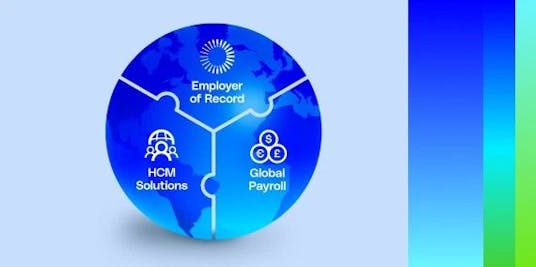
However, G-P offers an alternative. Instead of opting for the conventional subsidiary route in Sweden, our Employer of Record solution can expedite your entry — no new entities required — enabling you to begin operations in minutes instead of months.
How to establish a Sweden subsidiary
Before you decide to incorporate in Sweden, you’ll need to consider several factors that could impact where you will base your headquarters. Companies should also consider business factors such as industry and any important preexisting trade relationships.
Most of the population speaks Swedish, but you’ll likely encounter some Sami- and Finnish-speaking regions. However, a large proportion of the population is fluent in English.
The most common type of subsidiary is a private limited liability company. It will take one to three weeks to officially establish this type of Sweden subsidiary. In most cases, it's worth planning four to eight weeks end-to-end as you must also obtain a bank certificate, register the company with Bolagsverket, and register for F-tax, VAT, and as an employer. The steps to establish a limited liability company include:
- Filing articles of association and memorandum of association
- Subscribing and paying for shares
- Registering a company name
- Registering for taxes
- Appointing a board of directors and a managing director
- Creating rules of procedure for both the board and director
- Determining who has power of signature
- Registering beneficial ownership information
Sweden subsidiary laws
Sweden’s various subsidiary laws differ based on whether you incorporate as a private or public limited liability company.
A private limited liability structure needs a board of directors with at least one ordinary member and one deputy member. If you have fewer than three ordinary directors, you’ll need to appoint at least one deputy director. If the company doesn’t have an authorized representative resident in Sweden, the board must appoint and register a special recipient for service, resident in Sweden. The recipient does not need to be a director. Private limited liability companies (privat aktiebolag) require minimum share capital of SEK 25,000.
A public limited liability requires a minimum of SEK 500,000 as share capital and at least three board members. Public limited liability companies in Sweden must have a managing director and at least one auditor. A public limited liability company can sell shares to the public, while a private limited liability company cannot.
Benefits of establishing a Sweden subsidiary
Once you establish a Sweden subsidiary, you can legally operate in Sweden. A limited liability company can also protect both the parent company and new subsidiary. The parent company will not be liable for any losses or litigation incurred by the subsidiary, and the subsidiary can operate independently, with its own company culture and operational practices.
Other important considerations
If you decide to establish a Sweden subsidiary, you should plan for additional expenses along the way. You may need to travel to Sweden multiple times during the incorporation phase as well.
Enter new markets with G-P EOR — no new entities required
Beat the competition and enter new markets in minutes, not months, with G-P’s agentic Global Employment Platform. G-P acts as the legal employer on your behalf, removing the cost, risk, and complexity of company registration.
Test new markets, hire the right people, and move at the speed of opportunity — without the up-front commitment of building an entity first. Request a proposal.