





النتائج الرئيسية
-
يُعد التشغيل الآلي للموارد البشرية أكثر من مجرد إطلاق تذكيرات: تعمل الأنظمة القائمة على الذكاء الاصطناعي على قطع الأعمال الإدارية المتكررة والحفاظ على اتساق العمليات وامتثالها عبر الفرق العالمية.
-
التشغيل الآلي يُحسّن الكفاءة: عمليات سير العمل المتكررة تُتيح لفرق الموارد البشرية التركيز على القيادة وتخطيط القوى العاملة والثقافة.
-
تستخدم الشركات من جميع الأحجام التشغيل الآلي للموارد البشرية: تستخدمها الشركات الناشئة التي لديها فرق lean لتقليل التكاليف ومخاطر الامتثال. وتستخدمه فرق السوق المتوسطة لتحقيق الاتساق عبر المناطق. وتستخدمها المؤسسات للحوكمة وضوابط البيانات على نطاق واسع.
-
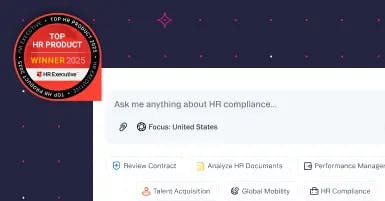
G-P Gia™ يجمع بين الذكاء الاصطناعي وأتمتة الموارد البشرية: يقوم وكيل الموارد البشرية العالمي لدينا بإنشاء الوثائق في دقائق ويمنحك إرشادات امتثال فورية عبر 50 دولة وجميع الولايات الأمريكية الـ 50 .
لا تحتاج فرق الموارد البشرية إلى المزيد من الأدوات. إنهم بحاجة إلى الأدوات المناسبة.
منذ بضع سنوات فقط، كان "التشغيل الآلي للموارد البشرية" يعني توجيه سير العمل الأساسي وتشغيل التذكيرات.
بعد ذلك، جاء الذكاء الاصطناعي الوكيل إلى المشهد. فهو يفهم السياق، ويضع علامة على المخاطر، ويحل المشكلات قبل أن يصل إلى صندوق الوارد الخاص بك.
في هذه المدونة، سنحلل ما يبدو عليه التشغيل الآلي للموارد البشرية في 2026، وكيف يعززه الذكاء الاصطناعي، وكيفية تطبيق نهج "الإنسان في الحلقة" للحصول على نتائج أفضل.
فوائد التشغيل الآلي للموارد البشرية

يعمل التشغيل الآلي للموارد البشرية على تقليل وقت الإدارة وتعزيز عملية اتخاذ القرار. إليك ما يمكن أن تفعله لفريقك:
اعمل بذكاء أكبر وانفق أقل
تتجاوز أدوات التشغيل الآلي اليوم إكمال المهمة. فهي تعيد تشكيل سير العمل من البداية إلى النهاية، مما يساعدك على:
توفير الوقت:
من المتوقع أن يوفر الذكاء الاصطناعي ما يصل إلى 12 ساعة لكل شخص في الأسبوع بحلول الساعة 2029. هذا هو الوقت الذي يمكنك فيه العودة إلى تدريب المديرين وتخطيط القوى العاملة وغيرها من الأعمال عالية القيمة.
كن أكثر دقة:
تعني المدخلات اليدوية الأقل أخطاء أقل في الرواتب وإصلاحات الامتثال المكلفة. تقليل إعادة العمل يقلل من التكاليف التشغيلية.
تقليل المخاطر
تتغير لوائح العمل والضرائب والرواتب باستمرار. تكافح العمليات اليدوية لمواكبة ذلك. إضافة فرق ومناطق مختلفة إلى المزيج وزيادة مخاطر عدم الامتثال.
يعمل التشغيل الآلي على توحيد عمليات سير العمل ويجعلها أسهل في التدقيق. كما أنه يتتبع التغييرات القانونية والضريبية ويشير إلى أي شيء يؤثر على كشوف الرواتب أو السياسات الخاصة بك - قبل أن تصبح مشكلة.
تحسين تجارب الموظفين
يعمل الذكاء الاصطناعي والأتمتة في الموارد البشرية على تحسين العديد من جوانب تجربة الموظفين.
-
تسريع عمليات العرض والقبول عن طريق إنشاء الوثائق وجمع التوقيعات وإجراء الشيكات دون تأخير.
-
اقطع مرارًا وتكرارًا عن طريق طلب الوثائق الرئيسية وتخزينها في مكان واحد.
-
ادعم الإعداد بشكل أكثر سلاسة عن طريق المطالبة بخطوات خاصة بالموقع وإكمال مهام الإعداد قبل اليوم الأول للموظف.
يقضي الموظفون وقتًا أقل في البحث عن الإجابات ووقتًا أطول في أداء وظائفهم عندما يحصلون على معلومات دقيقة وأجر خالٍ من الأخطاء. وهذا يبني الثقة ويدعم الاحتفاظ.
كن أكثر استراتيجية
يعمل التشغيل الآلي للموارد البشرية على تحرير فريقك من الإدارة المتكررة حتى يتمكنوا من التركيز على التدريب وتخطيط القوى العاملة وتطوير المواهب. وهنا يتم إنشاء قيمة الأعمال.
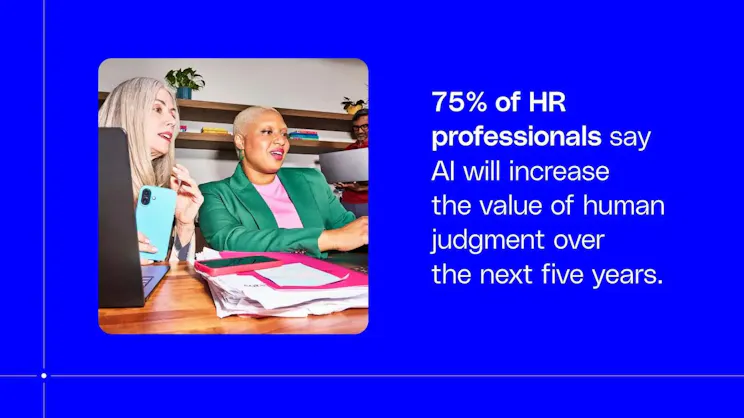
مع تولي الذكاء الاصطناعي والأتمتة المزيد من الحمل التشغيلي، يتغير دور الموارد البشرية. يقول حوالي 75% من متخصصي الموارد البشرية إن الذكاء الاصطناعي سيزيد من قيمة الحكم البشري على مدى السنوات الخمس المقبلة. وهذا يوسع دور فريقك ليشمل الإشراف على الذكاء الاصطناعي - مراجعة المخرجات ووضع حواجز الحماية والتحقق من النتائج لمنع التحيز والأخطاء.
أهمية الحوكمة في أتمتة الموارد البشرية
تُظهر الأبحاث المتعلقة بمستقبل العمل أن المؤسسات التي تستخدم الذكاء الاصطناعي تتعامل بفعالية مع الحوكمة كأولوية قيادية، وليس مجرد تفاصيل فنية متروكة لتكنولوجيا المعلومات.
مع اعتماد فرق الموارد البشرية لمزيد من أدوات الذكاء الاصطناعي، يحتاج شخص ما إلى التأكد من أن هذه الأدوات دقيقة وآمنة ومتوافقة. سيؤدي ظهور حوكمة الذكاء الاصطناعي إلى تشكيل القوى العاملة في 2026. يحتاج الإشراف على
الذكاء الاصطناعي إلى ملكية واضحة. يجب على الشخص أو الفريق المعين:
-
قم بتعيين حواجز الحماية الخاصة بالذكاء الاصطناعي.
-
مراجعة المخرجات.
-
تأكد من أن القرارات المؤتمتة لا تخلق مخاطر تحيز أو امتثال.
-
وثّق كيف يدعم الذكاء الاصطناعي الحكم البشري.
تعمل كفاءة الذكاء الاصطناعي والإشراف المسؤول كواحد. يحتاج التشغيل الآلي لعمليات الموارد البشرية إلى إنسان في الحلقة. يعمل الخبراء البشريون والذكاء الاصطناعي على دعم منصة صاحب العمل المسجل (EOR)، G-P EOR. يوجه خبراؤنا في الموارد البشرية والشؤون القانونية القرارات بينما يعمل محرك الامتثال العالمي (GCE) القائم على الذكاء الاصطناعي كدرع امتثال في الوقت الفعلي.
أتمتة الموارد البشرية للشركات الناشئة
لا تمتلك الشركات الناشئة عدد الموظفين أو الميزانية لمواكبة أعمال الموارد البشرية اليدوية. يضيف الامتثال ضغطًا، خاصة عندما تعيش السياسات والعقود في وثائق متفرقة وقوالب قديمة.
إليك المكان الذي يمكن أن يساعد فيه الذكاء الاصطناعي والتشغيل الآلي:
-
أدوات فحص منخفضة التكلفة لكل عملية توظيف
تعمل بالذكاء الاصطناعي لتصفية التطبيقات بشكل أسرع وإعداد قائمة مختصرة بالمرشحين المؤهلين. وهذا يقلل من الوقت المستغرق في مراجعة كل عملية إرسال يدويًا. -
تأهيل أسرع
تحدث العقود المتوافقة، وإقرارات السياسة، وخطوات الوصول إلى النظام من خلال عمليات سير العمل الآلية. يبدأ الموظفون الجدد دون تأخير.
-
تقليل مخاطر الامتثال
يصبح الامتثال فوضويًا عندما تعيد الفرق استخدام القوالب القديمة عبر المواقع. يطابق التشغيل الآلي السياسة والعقد الصحيحين مع موقع الموظف - ويشير إلى التفاصيل المفقودة قبل إرسال أي شيء أو توقيعه.
-
نفقات إدارية أقل
يحافظ التشغيل الآلي على اتساق الرواتب والوثائق ودقتها. ويلتقط مدخلات غير صحيحة قبل أن تتسبب في حدوث أخطاء.
أتمتة الموارد البشرية لشركات السوق المتوسطة
تواجه شركات السوق المتوسطة مجموعة مختلفة من التحديات. لا تعمل عمليات الموارد البشرية التي نجحت مع 50 موظف مع 500. بمجرد توسع الفرق عبر المناطق، يصبح من الصعب إدارة الوثائق وتتحول التناقضات الصغيرة إلى كابوس تشغيلي.
يتجه العديد من فرق الموارد البشرية إلى الذكاء الاصطناعي لمواكبة ذلك — يقول 38% إنهم يجرون تجربة الذكاء الاصطناعي التوليدي أو يخططون له أو يستخدمونه.
إليك المكان الذي يمكن أن يساعد فيه الذكاء الاصطناعي والتشغيل الآلي:
-
البيانات والوثائق المركزية
تخلق منصة الموارد البشرية الموحدة مصدرًا واحدًا للحقيقة. تظل العقود والسياسات وعمليات سير العمل الخاصة بالإلحاق متسقة عبر المناطق بدلاً من الإصدارات المختلفة التي تعيش في أدوات غير متصلة.
-
دعم الفريق في الوقت الفعلي
تجيب روبوتات الدردشة المدعومة بالذكاء الاصطناعي على الأسئلة الشائعة المتعلقة بالسياسة والتأهيل على الفور. يستمر الموظفون في العمل دون انتظار استجابة الموارد البشرية عبر المناطق الزمنية.
-
الامتثال العالمي الموحد
تختلف متطلبات التوظيف مع توسعك عبر الولايات أو البلدان. يضمن التشغيل الآلي تطبيق القوالب المعتمدة وسير العمل بشكل متسق.
-
تقليل العمليات اليدوية
وتستمر الموافقات والتسليمات الآلية في التنبؤ بالتوظيف والتأهيل. يقوم النظام تلقائيًا بتوجيه الخطوات مثل تقديم المراجعات ومهام التأهيل إلى المالك المناسب. لا حاجة لانتظار شخص لإعادة توجيه رسالة بريد إلكتروني.
أتمتة الموارد البشرية للمؤسسات
يجب أن يكون تحديث السياسة بسيطًا. ونادرًا ما يكون الأمر كذلك بالنسبة للشركات. يجب مراجعة تغيير واحد عبر اختصاصات قضائية متعددة، وربطه بمتطلبات العمالة المحلية، وينعكس في نماذج العقود وسير العمل المختلفة.
لا يمكن للأنظمة الصلبة دائمًا أن تتطابق مع كيفية عمل وحدات الأعمال، حيث يقوم السوتيم بملء الفجوات بموافقات البريد الإلكتروني والقوالب المحلية. تُبنى مخاطر البيانات بنفس الطريقة. تنتقل سجلات الموظفين عبر الأنظمة وصناديق الوارد دون قواعد وصول متسقة أو سجل تدقيق واضح. وهذا يجعل من الصعب إثبات من غيّر ماذا، ويصعب تطبيق الضوابط الداخلية.
إليك المكان الذي يمكن أن يساعد فيه الذكاء الاصطناعي والتشغيل الآلي:
-
الامتثال عبر الاختصاصات القضائية
يساعد التشغيل الآلي من خلال تطبيق السياسات المحلية ومعايير التوثيق الصحيحة لكل اختصاص قضائي. كما أنه يضع علامة على المصطلحات المفقودة أو السجلات غير المكتملة - قبل أن تتحول إلى مشكلات في التدقيق.
-
تخطيط أفضل للقوى العاملة
يحلل الذكاء الاصطناعي بيانات القوى العاملة عبر المواقع ووحدات الأعمال لإظهار ما يتغير وأين يلزم اتخاذ إجراء. استخدمه لكشف فجوات المهارات واحتياجات التوظيف مبكرًا، حتى تتمكن من التخطيط مسبقًا بدلاً من التفاعل.
-
أنظمة مرنة
تخلق أنظمة الموارد البشرية الصلبة صعوبات. يعمل التشغيل الآلي على تكييف سير العمل مع كيفية سير أعمالك، بما في ذلك الموافقات والقواعد الإقليمية. يمكنك التحكم دون إضافة المزيد من الخطوات اليدوية.
-
البيانات الحساسة الآمنة
تتعامل الشركات مع البيانات الحساسة التي تنتقل عبر الحدود كل يوم. من سجلات الموظفين إلى تفاصيل كشوف الرواتب، تخضع هذه المستندات لقوانين خصوصية وحماية بيانات مختلفة. وتدير المنصات ذات الحوكمة المدمجة وممارسات البيانات المؤتمتة تلك البيانات باستمرار عبر الأنظمة العالمية، مع مخاطر أقل.
دور الذكاء الاصطناعي في أتمتة الموارد البشرية
يعمل الذكاء الاصطناعي على توسيع نطاق ما يمكن للتشغيل الآلي القيام به.
بدلاً من اتباع القواعد المحددة مسبقًا، تقوم أنظمة الذكاء الاصطناعي بتحليل الأنماط والمخاطر السطحية وتوجيه الخطوات التالية عبر دورة حياة الموظف.

لنحدد المشهد:
تعمل ماريا مديرة موارد بشرية عالمية في نيويورك. وهي تدير الموظفين في ألمانيا والبرازيل وسنغافورة. تفتح منطقتان أدوارًا في وقت واحد. يبدأ موظف جديد في ميونخ في بدء العمل الأسبوع المقبل، وهناك اثنان آخران في المقابلات، وينتقل أحد المرشحين من شركة منافسة. في الوقت نفسه، يجب تحديث مدخلات كشوف الرواتب في ساو باولو قبل بدء تشغيل قوائم الوظائف.
الآن أضف اعتبارات الامتثال. تتمتع سنغافورة بالحق في الحصول على مستندات التأهيل، ولكن يجب على ماريا التأكد من استيفائها للمتطلبات الألمانية والبرازيلية.
بدون الذكاء الاصطناعي، يتتبع فريق ماريا كل هذا يدويًا. يستغرق الأمر وقتًا طويلاً، ويرتكبون الأخطاء.
مع الذكاء الاصطناعي، إليك ما يبدو عليه ذلك:
التوظيف والتوظيف
ينشر الذكاء الاصطناعي الأدوار ويفحص المتقدمين وفقًا للمتطلبات المحددة. يوفر فريق ماريا الوقت لأنهم يحتاجون فقط إلى مراجعة المرشحين المؤهلين.
الإلحاق ودعم الموظفين
يرشد الذكاء الاصطناعي الموظفين الجدد من خلال المهام والوثائق المطلوبة. وهو يجيب على أسئلة الموارد البشرية الشائعة في الوقت الفعلي عبر المناطق الزمنية حتى لا يُغمر فريق ماريا بتذاكر الدعم.
الامتثال ودعم القرار
يقوم الذكاء الاصطناعي بفحص كشف الرواتب وسجلات التوظيف بحثًا عن أي تناقضات أو معلومات مفقودة. ويشير إلى المدخلات غير المعتادة في وقت مبكر ويعرض التحديثات التنظيمية التي تؤثر على الرواتب والامتثال لعقد العمل.
يتعامل الذكاء الاصطناعي مع المهام التي تستغرق وقتًا طويلاً ويحافظ على دقة السجلات في حين أن فريق ماريا لديه المزيد من الوقت لدعم القادة والموظفين في جميع أنحاء الشركة.
في سيناريوهات مشابهة لسيناريوهات ماريا، G-P Assist توفر أدوات مثل تقديم توجيهات منظمة ومدعومة بالذكاء الاصطناعي عبر مسارات العمل العالمية. بدلاً من التوفيق بين أدوات التعقب اليدوية والمتطلبات الخاصة بالمنطقة، يحصل قادة الموارد البشرية على رؤى في الوقت الفعلي وأخطاء أقل.
أتمتة الامتثال العالمي G-P
الامتثال ليس صعبًا لأن قاعدة واحدة تتغير. يعد الامتثال أمرًا صعبًا نظرًا لأن القواعد المتعددة تتغير في نفس الوقت وتؤثر على مئات المستندات والعمليات.
تقوم فرق الموارد البشرية بتبديل التحديثات بدلاً من المضي قدمًا في العمل. تُعد أدوات الذكاء الاصطناعي والتشغيل الآلي ضرورية للقادة العصريين الذين يرغبون في التوظيف على مستوى العالم والبقاء في صدارة المنافسة.
الاجتماع G-P Gia™ - وكيل الموارد البشرية العالمي
Gia يمنحك توجيهات فورية خاصة بالاختصاص القضائي في 50 دولة وجميع الولايات الأمريكية الـ 50 . سواء كنت بحاجة إلى معرفة ما إذا كانت اتفاقية التوظيف متوافقة في كاليفورنيا أو كيفية تفسير قوانين العمل الجديدة في سنغافورة، Gia فإن لديك الحل.
Gia تستمد من أكثر من 1,500 مصدر حكومي ولديها قاعدة معارف مسجلة الملكية مبنية على أكثر من عقد من الخبرة العالمية في التوظيف. فهو يمنحك إجابات في الوقت الفعلي تستند إلى لوائح حديثة.
Gia يدعم:
-
مراجعة الوثائق عبر الاختصاصات القضائية
-
فحوصات السياسة لاكتشاف الفجوات مبكرًا
-
تحليل الامتثال عبر البلدان
-
تنبيهات امتثال آلية حتى تحصل على تحديثات استباقية عندما تتغير قوانين العمل (قريبًا)
منتجات تعمل بالذكاء الاصطناعي لكل احتياجات الموارد البشرية
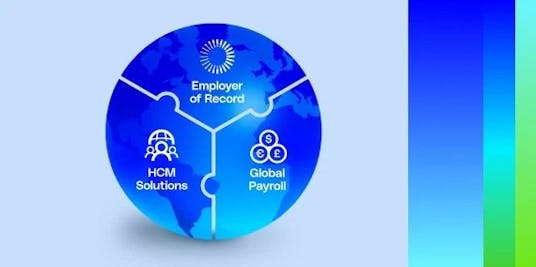
تدعم منتجاتنا المدعومة من البرمجيات كخدمة والذكاء الاصطناعي - EOR، والمقاول، والشركات Gia - أثناء بناء الفرق العالمية وإدارتها.
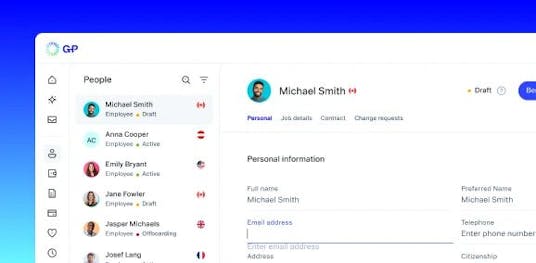
مع G-P EOR، يمكنك تعيين وإدارة الموظفين في أكثر من 180 دولة حول العالم - دون إنشاء كيان محلي. يوجه الذكاء الاصطناعي داخل المنصة، G-P Assist، عمليات سير العمل ويمنحك إجابات في الوقت الفعلي عندما تحتاج إليها. G-P Gia هو حل مستقل للذكاء الاصطناعي، يمنحك إمكانية الوصول إلى معلومات توظيف عالمية دقيقة.

فكر في فريق أحلام التشغيل الآلي للموارد البشرية Gia G-P Assist وباعتباره فريق أحلامك. ويعملون معًا على تقليل البحث اليدوي وتبسيط الامتثال عبر الفرق الموزعة.
شاهد كيف يعمل التشغيل الآلي الذكي للموارد البشرية عمليًا.
احجز عرضًا توضيحيًا اليوم.