





Die Gründung einer Tochtergesellschaft in Spanien erfordert mehr als nur das Ausfüllen von Formularen. Der Prozess ist komplex und kann je nach Einhaltung der Vorschriften und rechtlichen Verpflichtungen 6–8 Wochen oder länger dauern. Dieser Zeitplan kann den Markteintritt verzögern und potenzielle Mitarbeiter dazu veranlassen, andere Möglichkeiten in Betracht zu ziehen.
G-P bietet jedoch eine Alternative. Anstatt den üblichen Weg über Tochtergesellschaften in Spanien zu gehen, können wir Ihren Markteintritt beschleunigen – es sind keine neuen Gesellschaften erforderlich – sodass Sie innerhalb von Minuten statt Monaten mit dem Betrieb beginnen können.
Wie man eine Tochtergesellschaft in Spanien gründet
Die Gründung einer Tochtergesellschaft in Spanien beginnt mit der Wahl der richtigen Rechtsform. Zwar gibt es Alternativen wie Zweigniederlassungen oder Vertretungsbüros, diese bieten jedoch nicht denselben Haftungsschutz wie eine Tochtergesellschaft. Für die meisten international Unternehmen beschränkt sich die Wahl auf zwei Arten von Unternehmen:
- Sociedad de Responsabilidad Limitada (SL): Ähnlich einer privaten, haftungsbeschränkten Gesellschaft ist dies aufgrund ihrer Flexibilität und des geringeren Kapitalbedarfs die gebräuchlichste Struktur für international Unternehmen.
- Sociedad Anónima (SA): Diese Struktur ist mit einer Aktiengesellschaft vergleichbar, jedoch starrer, hat höhere Kapitalanforderungen und wird im Allgemeinen für größere Unternehmen verwendet, die einen Börsengang anstreben.
Schritte zur Gründung einer Tochtergesellschaft in Spanien
Die Gründung einer SL in Spanien erfolgt im Allgemeinen in folgenden Schritten:
- NIE-Beantragung für international Direktoren: Alle nicht-spanischen Direktoren und Aktionäre müssen eine Ausländeridentifikationsnummer (Número de Identificación de Extranjero, oder NIE) von den spanischen Behörden beantragen.
- Lassen Sie den Firmennamen zertifizieren: Beantragen Sie beim Zentralen Handelsregister eine Namensfreigabebescheinigung (Certificación Negativa de Denominación Social), um sicherzustellen, dass Ihr vorgeschlagener Name einzigartig ist.
- Eröffnen Sie ein Bankkonto: Nach der Eröffnung des geschäftlichen Bankkontos müssen Sie das Stammkapital einzahlen.
- Entwurf der Satzung: Erstellen Sie die Satzung (Estatutos sociales) des Unternehmens, in der die Regeln für die Unternehmensführung, die Geschäftstätigkeit und die Aktionärsstruktur festgelegt sind.
- Die Gründungsurkunde muss unterzeichnet werden: Die Gründer oder ihre gesetzlichen Vertreter müssen die öffentliche Gründungsurkunde vor einem spanischen Notar unterzeichnen.
- Eine vorläufige Steueridentifikationsnummer (NIF) erhalten: Beantragen Sie eine vorläufige Steueridentifikationsnummer (Número de Identificación Fiscal, oder NIF) bei der spanischen Steuerbehörde (Agencia tributaria).
- Eintragung im Handelsregister: Reichen Sie die Gründungsurkunde beim zuständigen Handelsregister (Registro Mercantil) der Provinz ein, um das Unternehmen offiziell einzutragen.
- Registrierungen abschließen: Nach der Registrierung erhalten Sie die endgültige NIF-Nummer und melden sich für die Sozialversicherung sowie für weitere notwendige Geschäfts- und Steuerangelegenheiten an.
Spaniens Nebengesetze und Anforderungen
Bei der Gründung einer SL in Spanien müssen Sie verschiedene Gesetze und Anforderungen erfüllen, wie zum Beispiel:
- Stammkapital: Nach dem „ Crea y crece“-Gesetz (Gesetz 18/2022) beträgt das Mindeststammkapital für eine SL EUR 1. Liegt das Kapital jedoch unter EUR 3,000, so muss das Unternehmen jährlich 20% seines Gewinns einer gesetzlichen Rücklage zuweisen, bis die Summe aus Rücklage und Aktienkapital EUR 3,000 erreicht.
- Managementstruktur: Ein S.L. muss keinen Vorstand haben. Das Management kann mit einem Einzelverwalter, gemeinsamen Verwaltern oder einem Vorstand aus 312 Direktoren strukturiert sein. Alle Administratoren müssen eine spanische NIE haben.
- Übertragung von Anteilen: Die Anteile einer SL sind nicht übertragbar und unterliegen den in der Unternehmenssatzung und im spanischen Recht festgelegten Beschränkungen. Eine SL kann keine Anleihen ausgeben.
- Rechnungslegung und Wirtschaftsprüfung: Alle Unternehmen müssen jährliche Finanzberichte erstellen und diese beim Handelsregister einreichen. Für Unternehmen, die bestimmte Größenschwellenwerte überschreiten, sind Audits obligatorisch.
Vorteile spanischer Tochtergesellschaften:
- Zugang zum lokalen Markt: Die Gründung einer Tochtergesellschaft in Spanien ermöglicht den direkten Zugang zum spanischen und dem breiteren EU-Markt und erleichtert so das Geschäftswachstum und die Kundennähe.
- Beschränkte Haftung: Die Haftung der Muttergesellschaft ist im Allgemeinen auf ihre Investition in die Tochtergesellschaft beschränkt, wodurch das finanzielle Risiko reduziert wird.
- Rechtspersönlichkeitsstatus: Eine Tochtergesellschaft ist eine eigenständige juristische Person, die selbstständig Verträge abschließen, Vermögenswerte besitzen und Mitarbeiter einstellen kann.
- Mögliche Steuervorteile: Tochtergesellschaften können von lokalen Steueranreizen, Doppelbesteuerungsabkommen und EU-Richtlinien profitieren.
- Erhöhte Glaubwürdigkeit: Die Tätigkeit als lokales Unternehmen kann den Ruf und das Vertrauen bei spanischen Kunden, Partnern und Behörden verbessern.
Nachteile spanischer Tochtergesellschaften:
- Komplexe Einrichtung und Einhaltung von Vorschriften: Die Gründung und der Betrieb einer Tochtergesellschaft erfordern einen erheblichen Verwaltungsaufwand, einschließlich der Registrierung, der lokalen Unternehmensführung und der laufenden Einhaltung der spanischen Unternehmenssteuer- und Arbeitsgesetze.
- Höhere Kosten: Es fallen Kosten im Zusammenhang mit dem Gesellschaftsvertrag, Rechtsberatung, Buchhaltung und dem laufenden Betrieb an.
- Regulatorische Anforderungen: Spanische Tochtergesellschaften müssen die lokalen Berichtspflichten, Prüfungs- und Beschäftigungsvorschriften einhalten, die komplex und zeitaufwändig sein können.
- Besteuerung: Die Gewinne unterliegen der spanischen Unternehmenssteuer, und es können zusätzliche steuerliche Folgen für die Rückführung der Gewinne an die Muttergesellschaft entstehen.
- Managementherausforderungen: Der Betrieb einer Tochtergesellschaft erfordert lokale Führung und Aufsicht, was die globalen Abläufe komplexer machen kann.
Alternative zur Gründung einer spanischen Tochtergesellschaft
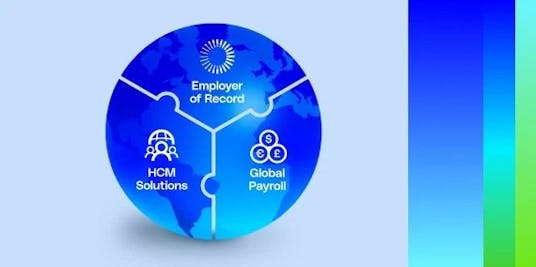
Eine Tochtergesellschaft bietet zwar die Vorteile einer Betriebsstätte und beschränkter Haftung, der Prozess ist jedoch zeitaufwändig, teuer und belastend. Wenn Ihr Ziel darin besteht, schnell Talente in Spanien zu vermitteln, gibt es eine einfachere Alternative. G-P können Sie innerhalb von Minuten Einstellung Talente einstellen, ohne den Aufwand einer Tochtergesellschaft.
Die Vorteile der Verwendung eines Eingetragener Arbeitgeber (Employer of Record) in Spanien enthalten:
- Markteintrittsgeschwindigkeit: Ein Employer of Record ermöglicht es Ihnen, Talente in Spanien sofort einzuarbeiten, da Sie den langwierigen Prozess der Gründung einer juristischen Person nicht durchlaufen müssen. Die Gründung einer Tochtergesellschaft kann aufgrund regulatorischer, banklicher und administrativer Anforderungen Monate dauern.
- Compliance-Sicherstellung: Das spanische Arbeitsrecht ist komplex und bietet Arbeitnehmern einen hohen Schutz. Ein Arbeitgeber, der als solcher fungiert, gewährleistet die Einhaltung des Estatuto de los Trabajadores (Arbeitnehmergesetz), der geltenden Tarifverträge, der Lohn- und Gehaltsabrechnungsvorschriften, der Steuerabzüge und der gesetzlichen Leistungen und reduziert so Ihr Risiko der Nichteinhaltung und potenzieller Strafen.
- Kosteneffizienz: Die Gründung und Unterhaltung einer Tochtergesellschaft (z. B. S.L.) verursacht erhebliche Anfangs- und laufende Kosten, darunter Anwaltskosten, Buchhaltung, lokale Verwaltung und Verwaltungskosten. Ein Employer of Record ist kostengünstiger, besonders wenn Sie ein kleines TEAM einstellen oder den spanischen Markt testen.
- Administrative Einfachheit: Mit einem Employer of Record vermeiden Sie den administrativen Aufwand für die Lohn- und Gehaltsabrechnung, die obligatorischen Sozialversicherungsbeiträge, die Steuererklärungen und die Einhaltung der Personalvorschriften. Der Arbeitgeber übernimmt diese Aufgaben, sodass Sie sich auf Ihr Kerngeschäft konzentrieren können.
- Flexibilität: Wenn sich Ihre Geschäftsanforderungen ändern, lässt sich eine Employer-of-Record-Vereinbarung leichter skalieren oder reduzieren als die Auflösung einer Tochtergesellschaft.
- Risikominderung: Ein Employer of Record managt die mit der Beschäftigung verbundenen rechtlichen Risiken, wie z. B. die Mitarbeitereinstufung, und bietet Ihnen damit eine zusätzliche Schutzebene.
Erschließen Sie neue Märkte mit G-P — es sind keine neuen Unternehmen erforderlich.
Die Gründung einer Tochtergesellschaft oder juristischen Person in Spanien ist kostspielig und zeitaufwändig. G-P Employer of Record können Sie Einstellung Talent in wenigen Minuten ohne den Aufwand und die Komplikationen einer Tochtergesellschaft einstellen.
Fordern Sie noch heute ein Angebot an , um mehr über unsere globalen Personalvermittlungsprodukte und Employer-of-Record-Lösungen zu erfahren.
Was sind Spaniens 2026 Mitarbeiter Arbeitsvisum-Anforderungen?
Nicht-EU-, Nicht-EWR- und Nicht-Schweizer Fachkräfte müssen ein standardisiertes Trabajo por cuenta ajena Visum erhalten, um in Spanien arbeiten zu dürfen. Sponsernde spanische Arbeitgeber müssen die erste Arbeits- und Aufenthaltserlaubnis von den örtlichen Arbeitsbehörden einholen, bevor der Bewerber eine Visumanmeldung einreicht.
Wann benötigen Direktoren oder Vertreter in Spanien eine NIE?
Nichtansässige Aktionäre, Direktoren und bevollmächtigte Vertreter müssen vor dem Ausfüllen von Spanish Gesellschaftsvertrags oder Steuererklärungen eine NIE (Steueridentifikationsnummer für Nicht-Staatsbürger) beantragen. Unternehmen, die ein spanisches S.L. einrichten, müssen frühzeitig NIEs erhalten, um Verzögerungen bei Notariats-, Standebuch- und Steuerregistrierungen zu vermeiden.
Welche US-Dokumente benötigen eine Apostille und eine eidesstattliche spanische Übersetzung?
Die Einbindung eines Spanish S.L. erfordert spezifische US-Unternehmensunterlagen:
Nachweis von Gründung oder Gesellschaftsvertrag
Aktuelle Verwaltungsdokumente
Bescheinigungen über ordnungsgemäßes Ansehen oder Existenz
Unternehmensbeschlüsse
Vollmachten
Öffentliche oder notariell beglaubigte Dokumente müssen eine offizielle Apostille besitzen. Nicht-spanische Dokumente müssen eine eidesstattliche Übersetzung ins Spanische enthalten.
Wann erhält die S.L. im Handelsregister rechtliche Persönlichkeit?
Eine spanische S.L. erhält eine eigene Rechtspersönlichkeit, sobald das provinzielle Handelsregister seine Gesellschaftsvertragsurkunde offiziell registriert. Die Unterzeichnung der Urkunde vor einem spanischen Notar ist ein wesentlicher Schritt, aber diese Unterschrift allein schafft nicht die juristische Person.
Worin unterscheidet sich eine Niederlassung in Spanien von einer Tochtergesellschaft in Spanien?
Niederlassung Spanien: Funktion als direkte Erweiterung der international Muttergesellschaft. Sie besitzt keine eigenständige Rechtspersönlichkeit und setzt die Muttergesellschaft direkt lokalen Haftungen aus.
Spanien-Tochtergesellschaft: Agiert als unabhängige spanische juristische Person, meist als S.L. Es unterhält eigene Governance-, Steuer- und Meldepflichten und schützt die Aktionäre durch begrenzte Haftung.