







Het succesvol beheren van de loonadministratie in Estland vereist een diepgaand begrip van de belasting- en arbeidsregels van het land. Het naleven van deze regels is essentieel voor de compliance en om ervoor te zorgen dat uw werknemers nauwkeurig en op tijd worden betaald.
Het kan een uitdaging zijn om door deze complexiteiten heen te navigeren, vooral voor bedrijven die voor het eerst in het land actief worden. Een werkgever die in Estland geregistreerd staat, vereenvoudigt dit proces. Door gebruik te maken van onze lokale vestiging en ons deskundige team, kunt u de salarisadministratie, secundaire arbeidsvoorwaarden en personeelszaken in Estland beheren zonder een eigen dochteronderneming op te richten. Zo bent u vanaf dag één volledig verzekerd van compliance .
Loon- en belastingregels in Estland
In Estland dragen zowel werkgevers als werknemers bij aan het socialezekerheidsstelsel van het land door middel van loonheffingen en inhoudingen.
Loonbijdragen voor werkgevers in Estland
- Sociale belasting: Werkgevers zijn verplicht een sociale belasting te betalen tegen een vast tarief van 33% van het bruto salaris van een werknemer. Deze belasting kent geen maximumgrens. De middelen worden toegewezen aan staatspensioenverzekering (20%) en ziektekostenverzekering (13%). Dit wordt door de werkgever betaald bovenop het salaris van de werknemer.
- Werkloosheidsbijdrage: Werkgevers dragen 0bij.8% van het bruto salaris van de werknemer naar het werkloosheidsverzekeringsfonds.
Loonaftrek voor werknemers in Estland
- Bijdrage voor de werkloosheidsverzekering: werknemers dragen 1 bij.6% van hun brutosalaris naar het werkloosheidsverzekeringsfonds.
- Pensioen met kapitaaldekking (II-pijler): Voor werknemers geboren na 1983 is een bijdrage van 2% van het brutosalaris aan een verplichte pensioenregeling met kapitaaldekking vereist. De staat voegt 4% van de door de werkgever betaalde sociale belasting toe aan deze bijdrage. Werknemers geboren vóór 1983 kunnen vrijwillig toetreden.
Inkomstenbelasting Estland
Estland heeft een vast tarief voor de inkomstenbelasting (PIT) van 22%, dat wordt ingehouden door de werkgever. Individuen hebben recht op een belastingvrije basisvergoeding van €700 per maand (€8,400 per jaar). Anders dan in voorgaande jaren is deze vergoeding nu universeel; ze neemt niet langer af naarmate het inkomen stijgt en blijft beschikbaar voor iedereen, ongeacht hun totale inkomen. Deze wijziging, die van kracht is vanaf 1januari 2026, heeft het vorige 'belastingbult'-systeem afgeschaft.
Loonadministratie in Estland
Om ervoor te zorgen dat compliance, moeten bedrijven specifieke procedures voor de loonadministratie volgen.
- Looncyclus: Salarissen in Estland worden doorgaans maandelijks betaald.
- Rapportage en betalingen: Werkgevers moeten alle belastingen en bijdragen op één belastingformulier (TSD) opgeven en dit uiterlijk op de 10dag van de maand na de betaling van het salaris indienen bij de Estse Belasting- en Douanedienst (ETCB).
- Loonbrieven: Werkgevers zijn wettelijk verplicht om werknemers een duidelijke en gedetailleerde loonbriefte verstrekken voor elke loonperiode, met een overzicht van het brutoloon, alle inhoudingen en het nettobetaalde bedrag.
Loonopties voor bedrijven in Estland
Bedrijven hebben verschillende salarisopties in Estland:
- Interne salarisadministratie: Grotere bedrijven die zich op lange termijn voor Estland inzetten, zouden een interne salarisadministratie kunnen oprichten. Hiervoor moeten lokale HUMAN RESOURCES- en juridisch deskundigen worden ingeschakeld om te kunnen voldoen aan de compliance.
- Lokale payrollprovider: Door de payroll uit te besteden aan een lokaal loonlijstverwerkingsbedrijf kunnen de berekeningen en betalingen worden afgehandeld, maar de werkgever blijft wettelijk verantwoordelijk voor alle compliance .
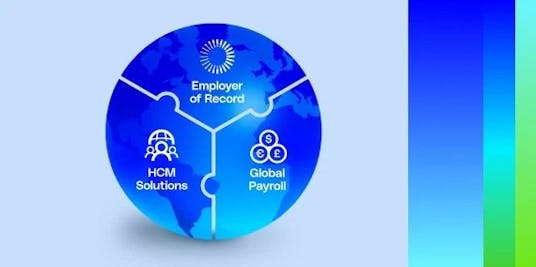
- Employer of Record: Samenwerken met G-P als uw Employer of Record is de totaaloplossing. Wij regelen alle aspecten van de loonadministratie, belastingen en compliance in Estland, nemen de bijbehorende verplichtingen op ons en zorgen ervoor dat u zich kunt concentreren op de groei van uw bedrijf.
Hoe je een loonadministratie in Estland opzet
Traditioneel gezien vereist het opzetten van een salarisadministratie in Estland eerst de oprichting van een rechtspersoon, een proces dat tijdrovend en complex kan zijn. Het Employer of Record-model vanG-P omzeilt deze vereiste. Via onze bestaande, volledig conforme Estlandse vestiging kunnen wij namens u medewerkers werven en inwerken, waardoor u in een fractie van de tijd met uw activiteiten kunt beginnen.
Ontslag en eindbetaling in Estland
Werkgevers moeten zich houden aan de wettelijke opzegtermijnen bij het beëindigen van een arbeidsovereenkomst. De opzegtermijn is afhankelijk van de duur van het dienstverband van de werknemer:
- Minder dan 1 jaar dienst: 15 kalenderdagen
- 1 tot 5 jaar dienstverband: 30 kalenderdagen
- 5 tot 10 jaar dienstverband: 60 kalenderdagen
- Meer dan 10 jaar dienst: 90 kalenderdagen
Proeftijden tot 4 maanden zijn toegestaan. Alle eindsalarissen en openstaande betalingen moeten worden betaald op de laatste werkdag van de werknemer.
Stroomlijn het wereldwijde salarisadministratie met G-P
G-P stroomlijnt elke stap van het salarisadministratieproces met ons marktleidende Employer of Record-platform. Betaal uw team overal ter wereld met vertrouwen in 150+ valuta met ons 99% geautomatiseerde loonadministratiesysteem voor tijdige betalingen — allemaal met slechts een paar klikken. Onze producten integreren ook met toonaangevende HCM-oplossingen, waardoor salarisgegevens van werknemers automatisch over verschillende platformen worden gesynchroniseerd. Dit creëert één betrouwbare en handige bron van informatie voor HR-teams.
Neem contact met ons op voor meer informatie over hoe we u kunnen ondersteunen.