



主要心得
- 溝通至關重要:清晰的溝通有助於遠端員工在不同地點工作時保持聯繫、積極參與和高效工作。
- 制定明確的指導方針:明確的溝通計畫和詳細的期望能夠讓員工更容易在文化和時區之間進行協作。
- 讓科技讓你的生活更輕鬆:即時通訊、專案管理和視訊會議工具幫助遠端團隊分享資訊並有效協作。
- 重新思考會議策略:與員工溝通不僅僅是召開大型會議。 一對一的對話和非同步更新可以加強彼此關係,同時減少不必要的會議。
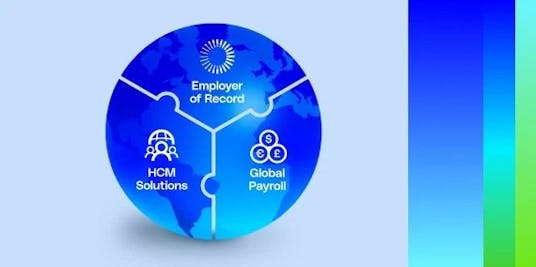
雖然邊端工作允許團隊跨越國界進行協作,但其成功取決於是否有有效的溝通計畫。有了全球雇主記錄(名義雇主)和良好的策略,您可以為您的全球團隊提供互聯體驗。
今天,讓我們來探討一些改善邊端工作者溝通的關鍵技巧。
同步與非同步:遠端團隊工作流程
當你試圖加強團隊成員之間的溝通時,了解同步工作流程和非同步工作流程之間的差異會很有幫助。同步通訊是指透過視訊會議、電話和線上聊天等方式即時進行的通訊。非同步通訊不需要立即回應,包括電子郵件、錄製的更新、共用文件和專案管理平台等方法。
同步工作流程本質上遵循傳統的商業慣例,可以幫助員工建立關係、討論複雜話題並解決緊急問題。然而,過度依賴即時會議可能會造成日程安排上的挑戰和會議疲勞,特別是對於跨時區工作的團隊而言。
同時,非同步溝通可以減少不必要的會議,讓員工在正常工作時間內有更大的彈性來查看資訊和回應。對於分佈在不同時區的團隊來說,這尤其有用。大多數遠端團隊從結合這兩種方法中獲益,而不是完全轉向一種溝通方式。
為什麼溝通策略對遠端團隊至關重要?
隨著許多公司採用混合辦公模式和彈性工作安排,邊端工作將成為一種常態。不幸的是,這種向分散式團隊的轉變可能會使建立有意義的聯繫變得困難。根據蓋洛普的調查,全職員工比混合辦公或現場辦公的員工更容易感到孤獨。 要提升員工士氣,打造成功的企業,有效的團隊溝通至關重要。
以下是強大的溝通策略可以提高遠端團隊的效能的幾種方法:
- 增強社區意識:穩固的溝通基礎能促進協作、團隊建設,並增強公司整體的信任度。
- 讓員工參與度: 高達85 % 的員工表示,定期收到公司新聞和資訊更新會讓他們更有動力。開放的溝通方式可以讓團隊成員更自在分享想法和意見。
- 提升績效:在工作中感受到歸屬感的員工,心理健康的可能性是其他員工的4 4 。 6 倍,這對他們的整體幸福感和生產力至關重要。
- 促進創新:工作場所的協作能夠激發新的想法,進而提升工作品質。清晰的溝通可以減少不必要的反覆溝通和誤解,從而保證專案按計劃進行。
- 促進跨文化連結:根據2025全球勞動力趨勢報告》 ,領導者表示,在各個地區維持公司文化是建立全球團隊面臨的最大挑戰。全球動力(包括1099員工)之間的有效溝通是打造互聯組織的關鍵。
揭示遠距辦公中溝通摩擦的根本原因
大多數職場溝通問題可歸三大類:
- 時區不平衡:尤其是在同步工作環境中,不同時區的員工很難跟上工作進度。一部分工人可能會按傳統時間工作,而地球另一端的工人可能必須半夜起床工作。武斷地強迫世界各地的所有員工遵守同一時區往往會增加不滿情緒,並助長經營焦慮。
- 頻繁的打斷:為了加強溝通,許多公司最終會在遠端員工之間進行持續的群組聊天。這導致聊天記錄混亂,訊息很容易被忽略,員工也經常被打斷去查看無關的對話。這不僅是輕微的不便。員工在分心後需要重新集中註意力,這會嚴重影響他們的工作效率。
- 員工體驗不符:遠距辦公往往會放大不同地點和不同職位員工之間的差異。高階主管與員工脫節,部門之間的界線也可能非常模糊。當文化衝突、不尋常的地方勞動法以及工資國際化轉移等因素介入時,這些不匹配會導致更大的問題。如果缺乏清晰可靠的營運流程,員工可能會對自己在公司中的地位感到不確定、壓力和困惑。
【建議圖示:遠端溝通摩擦的常見原因】
由以下三部分組成的圖表:
時區不平衡-會議不便和交通不便
頻繁的干擾-注意力分散,資訊遺漏
員工體驗不符-流程與期望不一致]
15 全球團隊的遠端工作溝通最佳實踐
約有14 % 的美國員工全職在家工作,而75 % 的可以居家辦公的員工有時會在家工作。 世界經濟論壇預計,到2030年,全球將有約92萬個完全就業機會。 隨著公司和員工逐漸拋棄傳統的辦公室模式,採用行之有效的溝通方式至關重要。
讓我們探討15面向遠端團隊的溝通策略。
1.建立集中的溝通管道
建立成功的溝通策略的第一步是了解哪些方法最適合分散辦公室的員工。能夠簡化書面溝通的工具可以幫助團隊成員及時回覆訊息和要求。
Slack,微軟團隊和 Discord 等平台可以對遠程通信很有益。例如,使用 Slack 的員工可以即時發送訊息、共用文件,並整合其 CRM 和專案管理解決方案,以改善遠端協作。
2.設定明確的期望並建立規範
要坦誠相待,明確期望,讓員工清楚了解自己的角色、職責和聘用條款。我們的研究發現, 30 % 的員工因為不清楚稅務和法律的考量而猶豫是否要為跨國公司工作。遠距辦公時,清晰的溝通可以解決問題,促進責任落實,並使工作朝著組織目標一致。
明確團隊目標、截止日期和職責,確保每個人都步調一致,並提供資源幫助員工了解稅務和法律細節。雖然你的協作計畫可能會根據團隊的需求而改變,但一定要創造一個讓每個人都感到困惑的環境。
3.進行定期檢查
每天、每週甚至每週兩次召開團隊會議,討論進度,解決任何具體的專案障礙,並讓每個人都了解情況。
在群體環境中,個性各異。有些團隊成員更渴望交談,分享他們面臨的問題,並尋求支持,而其他人則更冷靜。
同理心是確保每個人都有機會表達自己的關鍵。定期安排一對一的會議,讓所有性格類型的人更容易敞開心扉。
4.密切注意跨文化的細微差異
如果你從事跨國工作,你的團隊很可能具有文化多樣性。國際化團隊對任何公司來說都是一筆寶貴的財富。務必了解你所在地區的所有文化細微差別。
跨文化溝通方面的訓練和經驗可以提高員工的協作能力和績效。完善的溝通策略有助於防止誤解,同時促進透明度,建立信任,並創造更具凝聚力的組織文化。
此外,還需考慮不同地區的口語溝通方式可能存在的差異。有些文化比較直接外向,有些文化則比較內斂。
5.考慮當地的規範和法律
在組建全球團隊時,請務必密切注意當地的勞動法律法規和規範。全球領導人表示,勞動法和稅收法規是國際招聘的最大障礙。
在許多情況下,您的全球團隊和國內團隊的法定假日是不同的。研究各國的具體權利,以確保合規。如果您不確定從哪裡開始, G-P Gia™可以提供協助。 立即獲得涵蓋超過 50 個國家和所有 50 個美國州的棘手合規問題的答案。我們的人工智慧可以幫助您了解當地的勞動法律、強制性要求和合規性,以便您可以專注於建立成功的溝通策略。
6.優先安排虛擬協作的時間
雖然非同步通訊工具非常適合跨團隊協作,但不要完全依賴它們。 69 % 的終端工作者表示,他們因使用即時通訊應用等數位通訊工具而感到倦怠。
為您的遠端團隊安排即時虛擬協作。視訊會議工具能夠建立融洽的關係,並加強團隊成員之間的聯繫。視訊會議讓同事們能夠看到彼此,解讀肢體語言,並進行超越簡單電子郵件的溝通。 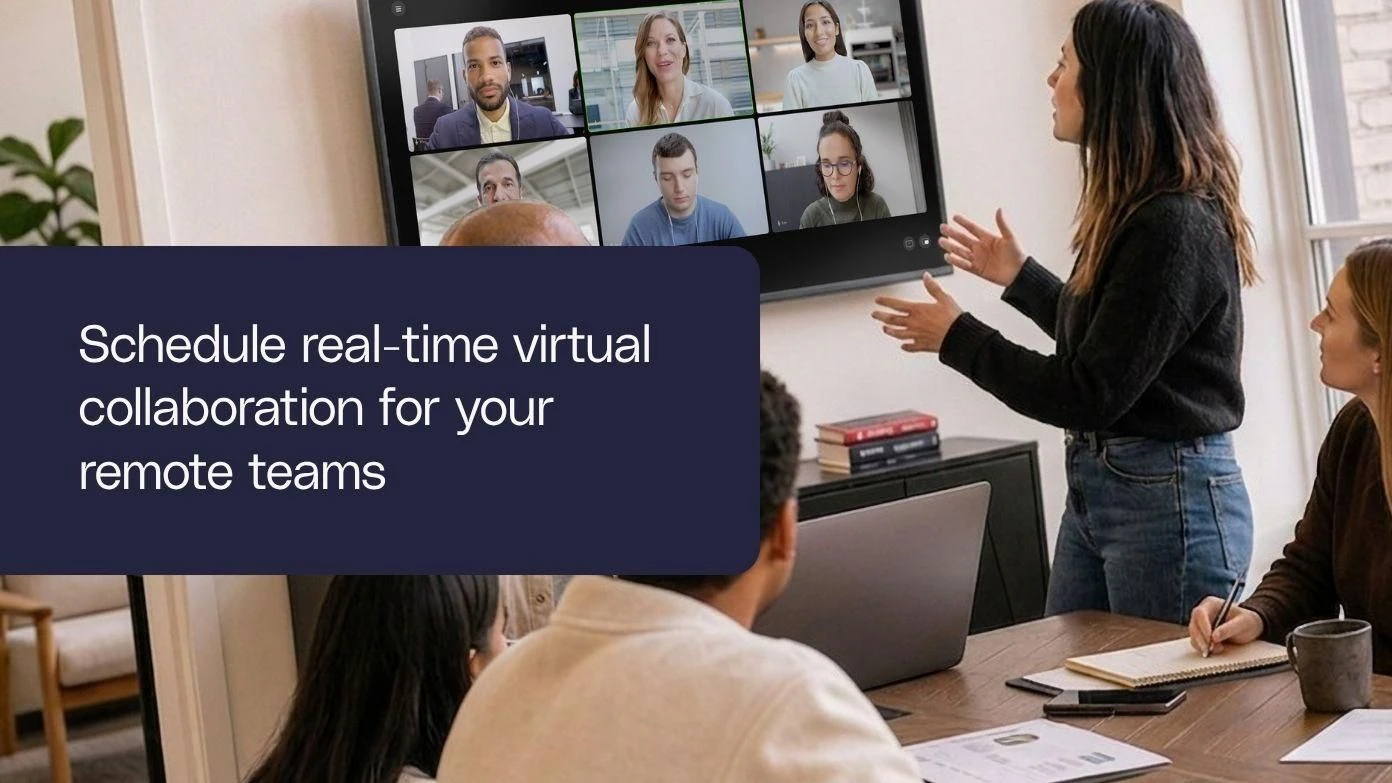
7.注意時區
對於遠端團隊來說,跨時區即時協作可能是一個挑戰。如果你想學習如何改善與遠端工作人員的溝通,在安排會議或發送訊息時要考慮到時差。
管理人員如何在不安排每日會議的情況下建立協作團隊環境?密切注意會議的步調。盡可能的時候,安排不需要遠端團隊成員超過正常工作時間的會議。為每個會議設定特定的議程,包括所有團隊的主要優先事項。
8.定期評估您的流程
回饋對於改進至關重要。安排定期的回饋會議,以討論績效、提供並接受建設性批評,以及解決任何流程問題。
透明度有助於團隊成員了解自身的優勢以及公司需要改進的方面。
9.鼓勵團隊建設體驗
始終鼓勵團隊成員之間的非正式溝通,並在任何工作相關的討論。這些非正式接觸點建立關係,提高士氣,並在團隊中培養友誼感。透過組織團隊建設體驗,例如虛擬破冰機、小知識遊戲或水冷器活動,激發這些對話。
10.記錄溝通準則並經常更新
制定動態的「溝通方式」手冊,涵蓋何時使用哪些工具、回應時間預期、會議規範、時區禮儀以及如何處理溝通問題。指定負責人,新增變更日誌,並根據團隊意見審查建議。請將此文件儲存到您的知識庫中,以便新員工入職培訓。
使用Gia為您的全球團隊起草本地合規溝通指南文件。
11。明確每個溝通管道的目的
多通路溝通流程只有在每個管道都有明確目的的情況下才能有效運作。例如,使用即時通訊工具解決緊急問題,使用電子郵件進行一般性更新。為每個頻道設定回應時間預期,並將不使用的頻道存檔。使用關鍵字和標籤進行通訊路由,以便每個團隊成員只看到他們需要的訊息。
12。制定溝通章程或標準作業程序
建立一份文件,將您的標準作業程序 (SOP) 寫成大綱:
- 工作時間
- 重疊視窗
- 可用性訊號
- 回應時間預期
- 會議步調與議程
- 文件標準
- 上級程序和時間表
針對分散式團隊的標準化做法,可確保跨通道和時區的溝通效率。
13.使用視覺溝通方法
嘗試使用視覺效果來表達複雜的想法,包括
- 圖表
- 製程流程
- 旅程地圖
- 簡短的演示視頻
- 研討會數位電子白板
- 利害關係人敘述的簡報軟體
為了保持一致性,規範模板;為了便於訪問,添加替代文字和標題。
14。鼓勵回饋和對話
提供定期回饋管道,例如匿名調查和虛擬開放辦公時間。當你根據回饋意見進行改進時,要與你的團隊分享,以鼓勵未來的討論和責任感。
15。定義工作流程和共享術語
記錄團隊的工作流程,包括每個步驟的負責人以及所需時間。建立一份共享術語表,定義團隊使用的所有技術術語或縮寫。此外,請規範文件、頻道和工單的命名方式,以便每個人都能輕鬆找到它們。這可以減少錯誤,並幫助新團隊成員快速上手。
遠端團隊通訊方法
使遠端團隊成員透過以下方法保持聯繫:
- 協作軟體:專案管理和文件共享工具使團隊能夠協作、追蹤進度並集中資源。
- 專案管理工具:這些平台幫助團隊組織任務、設定截止日期和監控專案里程碑。
- 即時通訊:聊天工具可以進行快速、非正式的對話和解決問題。
- 電子郵件:電子郵件對於正式溝通和文件記錄至關重要。
- 視訊會議:視訊通話透過視覺線索幫助團隊聯繫、討論複雜話題並更了解彼此。
- 語音通話:語音通話非常適合在不需要視訊的情況下進行快速聊天。
- 基於雲端的文件共用:雲端儲存解決方案讓團隊成員隨時隨地存取、編輯和共用文件。
- 錄製:錄製會議和簡報可以讓缺席的團隊成員了解最新情況,並為未來回顧提供參考。
使用 G-P™ 建立您的全球團隊
一致的流程是全球團隊有效溝通的基石。G-P名義雇主透過在地化的合約、薪資和福利支持,幫助您在國際範圍內招募、入職和管理員工。
您可以使用Gia來起草和審核人力資源文檔,以支援清晰、一致的溝通,包括:
- 聘書與合約
- 入職歡迎信
- 終止信
- 紀律處分通知
- 政策公告與更新
- 員工手冊
- 內部備忘錄
- 晉升信函
- 福利註冊或變更通知
- 健康與安全溝通
「Gia 不僅僅是另一個人力資源工具或通用人工智慧模型——它提供更高層次的智能體功能和深度洞察,並以 G-P 專有數據和經過驗證的來源為支撐,使人力資源組織能夠轉變全球人力資源和合規性,並推動無與倫比的業務敏捷性和生產力。”
Nat Natarajan
Chief Operating Officer, G-P
立即預約演示,快速合規地建立和管理您的全球團隊。
常見問題
如何吸引遠端工作者?
若要更好地吸引遠端工作者,您可以:
目標在管理人員和其團隊成員之間保持一致的一對一。
建立一套表彰優秀工作的機制,無論是分享成果或是公開表揚同事。
每個季度提供學習新技能的津貼,並讓人們炫耀他們所學到的技能。
嘗試一些容易實施的招募方案,並追蹤哪些方案效果最好。
使用員工淨推廣分數來衡量聘僱。
如何確保遠端工作環境中的協作?
您可以透過以下方式促進遠端工作環境中的協作:
概述每個專案的目標、決策者、回應時間和交接清單。
使用文字更新或短片來處理例行性工作。
跨時區輪流開會時間。
什麼是最好的遠端團隊通信工具?
國際遠程團隊的一些最佳通信工具包括:
即時通訊和會議工具:Slack、Microsoft Teams、Zoom 和 Google Meet
專案與任務管理:Asana、Jira、Trello 和 monday.com
文件:Google Workspace、Microsoft 365、Confluence 和 Notion
白板和圖表:Miro 或 Mural
錄音與文字記錄:Loom 或原生會議錄音
即時人力資源指導與文件創建:Gia
如何減少全球團隊的會議過載?
使用以下提示,讓您的全球團隊保持一致性,同時防止會議過載:
每週在共享文件中分享書面更新信息,而不是召開進度匯報會議。
將較小的議題集中起來,在「決策時間」會議中進行討論,提前閱讀預習資料,並嚴格遵守時間表。
提前24小時發出會議議程;指定專人負責每個議題,記錄決議,並分享筆記。
如果用電子郵件或簡單的螢幕錄音就能達到同樣的目的,那就不用開會了。
追蹤每人及團隊的會議次數,目標是將總會議時長減少到目標數量。