


主要收获
- 人力资源自动化不仅仅是触发提醒:人工智能驱动的系统减少了重复的行政工作,并保持全球团队流程的一致性和合规性。
- 自动化提高了效率:可重复的工作流程使人力资源团队能够专注于领导力、劳动力规划和企业文化。
- 各种规模的公司都在使用人力资源自动化:团队精简的初创公司利用它来降低成本和合规风险。中型市场团队使用它来实现跨区域的一致性。企业利用它进行大规模的治理和数据控制。
- G-P Gia™ 将人工智能与人力资源自动化相结合:我们的全球人力资源代理可在几分钟内生成文档,并为您提供覆盖50国家和所有50美国州的即时合规指导。
人力资源团队不需要更多工具。他们需要正确的工具。
就在几年前,“人力资源自动化”还意味着基本的工作流程路由和触发提醒。
然后,智能体人工智能出现了。它能理解上下文,标记风险,并在问题到达您的收件箱之前解决问题。在这篇博客中,我们将详细介绍2026中的人力资源自动化是什么样子,人工智能如何增强它,以及如何应用“人机协作”方法来获得更好的结果。
人力资源自动化的优势

人力资源自动化可以减少管理时间,并增强决策能力。它能为你的团队带来以下好处:
更聪明地工作,更少地花钱
如今的自动化工具已不仅仅局限于完成任务。他们从头到尾重塑了工作流程,这对您大有裨益:
节省时间:据预测,到2029 ,人工智能每周可为每人节省多达12小时。你可以把节省下来的时间投入到辅导经理、劳动力规划和其他高价值工作中。更准确:减少人工输入意味着减少工资错误和代价高昂的合规性补救措施。减少返工可以降低运营成本。
降低风险
劳动、税收和工资方面的法规瞬息万变。人工流程难以跟上。如果将不同的团队和地区考虑在内,违规风险就会增加。
自动化使工作流程标准化,并使其更容易审核。它还会跟踪法律和税务变化,并在任何影响您的工资或政策的事项发生之前发出警报。
改善员工体验
人工智能和自动化在人力资源领域改善了员工体验的许多方面。
- 加快报价和接受速度 通过生成文件、收集签名和进行检查等方式快速完成流程。
- 将关键文件集中存储于一处,减少来回奔波。
- 通过提示特定地点的步骤并在员工入职第一天之前完成设置任务,帮助员工更顺利地完成入职流程。
当员工获得准确的信息和无差错的薪酬时,他们就会减少追寻答案的时间,把更多的时间用在工作上。这可以建立信任,有助于留住人才。
更具战略性
人力资源自动化将您的团队从重复的管理中解放出来,使他们能够专注于辅导、劳动力规划和人才发展。 这就是商业价值的创造所在。
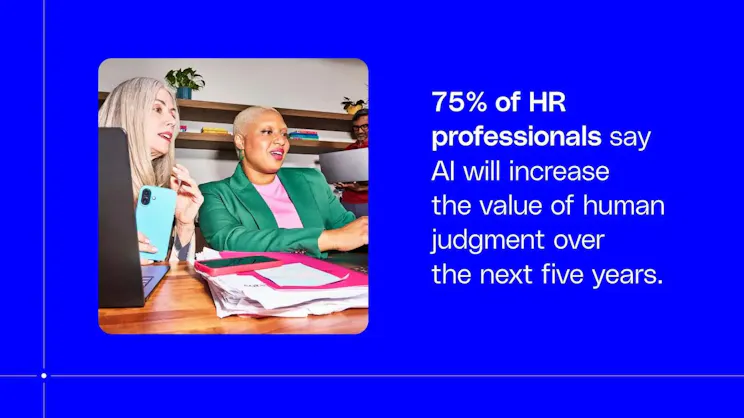
随着人工智能和自动化承担越来越多的运营工作,人力资源的角色也发生了转变。约75 % 的人力资源专业人士表示,人工智能将在未来五年内提高人类判断的价值。这会将团队的角色扩展到人工智能监督——审查输出结果、设定安全措施和验证结果,以防止出现偏见和错误。
人力资源自动化中治理的重要性
对未来工作的研究表明,有效利用人工智能的组织将治理视为领导层的优先事项,而不仅仅是留给 IT 的技术细节。
随着人力资源团队采用更多人工智能工具,需要有人确保这些工具的准确性、安全性和合规性。人工智能治理的兴起将塑造2026中的劳动力。人工智能监管需要清晰的思路。 应指定一名人员或团队:
- 设置人工智能防护措施。
- 审核结果。
- 确保自动决策不会产生偏差或合规风险。
- 记录人工智能如何辅助人类判断。
人工智能的效率和负责任的监管密不可分。人力资源流程自动化需要人为参与。人类专家和人工智能为我们的专业雇主平台G-P专业雇主提供支持。 我们的人力资源和法律专家指导决策,而我们的人工智能驱动的全球合规引擎 (GCE) 则起到实时合规屏障的作用。
初创公司的人力资源自动化
初创公司没有足够的人手或预算来维持繁琐的人力资源工作。合规性增加了压力,尤其是当政策和合同存在于分散的文档和旧模板中时。
人工智能和自动化技术可以在以下方面发挥作用:
- 人工智能驱动的筛选工具可以降低招聘成本,更快地筛选申请并选出合格的候选人。这样可以减少人工审核每份稿件所花费的时间。
- 更快的入职流程
合规合同、政策确认和系统访问步骤均通过自动化工作流程完成。新员工按时入职。
- 减少合规风险
当团队在不同地点重复使用旧模板时,合规性就会变得一团糟。自动化系统会将正确的政策和合同与员工所在地区进行匹配,并在发送或签署任何内容之前标记出缺失的详细信息。
- 减少行政管理费用
自动化可保持工资单和文件的一致性和准确性。它能在错误输入导致错误之前将其捕获。
中型市场公司的人力资源自动化
中型企业面临着一系列不同的挑战。 适用于50员工的人力资源流程不适用于500员工。一旦团队扩展到各个地区,文档管理就会变得更加困难,小小的不一致也会演变成运营上的噩梦。
许多人力资源团队正在转向人工智能以跟上时代步伐—— 38 % 的人表示他们正在试点、计划或使用生成式人工智能。
人工智能和自动化技术可以在以下方面发挥作用:
- 集中数据和文件
统一的人力资源平台创建单一信息源。合同、政策和入职流程在各个地区保持一致,而不是像以前那样,不同的版本存在于彼此独立的工具中。
- 实时团队支持
人工智能聊天机器人可即时回答常见的入职和政策问题。员工无需等待人力资源部门在不同时区做出回应,即可继续工作。
- 全球标准化合规性
随着业务拓展到其他州或国家,用工要求也会有所不同。自动化确保已批准的模板和工作流程得到一致应用。
- 减少人工流程
自动化审批和交接流程使招聘和入职过程可预测。系统会自动将诸如报价审核和新用户入职任务等步骤分配给合适的负责人。无需等待他人转发邮件。
企业人力资源自动化
政策更新应该很简单。对于企业而言,这种情况很少发生。一项变更需要在多个司法管辖区进行审查,与当地劳动要求进行匹配,并在不同的合同模板和工作流程中体现出来。
僵化的系统有时无法与业务部门的运作方式相匹配,因此团队会通过电子邮件审批和本地模板来弥补差距。数据风险的累积方式也类似。员工记录在不同系统和邮箱之间流转,缺乏一致的访问规则和清晰的审计跟踪。这使得证明是谁更改了什么变得更加困难,也使得执行内部控制变得更加困难。
人工智能和自动化技术可以在以下方面发挥作用:
- 跨司法管辖区的合规性
自动化通过应用适用于各个司法管辖区的正确本地政策和文档标准来发挥作用。它还能标记出缺失的术语或不完整的记录——防患于未然,避免它们演变成审计问题。
- 更完善的劳动力规划
人工智能分析跨地点和业务部门的劳动力数据,以显示正在发生的变化以及需要采取行动的地方。 利用它可以及早发现技能差距和招聘需求,以便提前规划而不是被动应对。
- 灵活系统
僵化的人力资源系统会造成瓶颈。 自动化可使工作流程适应您的业务运行方式,包括审批和区域规则。您无需增加更多的手动操作步骤即可获得控制权。
- 保护敏感数据
企业每天都要处理跨境传输的敏感数据。从员工记录到工资明细,这些文件受不同的隐私和数据保护法律约束。具有内置治理和自动化数据实践的平台能够以更低的风险,在全球系统中一致地管理数据。

让我们设定一下场景:
玛丽亚是纽约的一位全球人力资源总监。她管理着德国、巴西和新加坡的员工。两个地区同时开放职位。慕尼黑的一名潜在新员工将于下周开始入职,另外两名员工正在接受面试,一名候选人将从竞争对手公司调动。 同时,圣保罗的工资系统数据必须在招聘信息上线之前更新。
现在再加上合规方面的考虑。新加坡拥有正确的入职文件,但玛丽亚必须确认这些文件符合德国和巴西的要求。
如果没有人工智能,玛丽亚的团队需要手动跟踪所有这些数据。这需要很长时间,他们也会犯错误。
借助人工智能,这一切看起来是这样的:
招聘和雇佣
人工智能发布职位信息,并根据既定要求筛选申请人。玛丽亚的团队节省了时间,因为他们只需要审核合格的候选人。
入职和员工支持
人工智能引导新员工完成任务和所需文件。它可以跨时区实时解答常见的人力资源问题,这样玛丽亚的团队就不会被大量的支持工单淹没。
合规与决策支持
人工智能会扫描工资和雇佣记录,查找不一致和缺失的信息。它能及早发现异常输入,并及时发布影响工资和合同合规性的监管更新。
人工智能可以处理耗时的任务并保持记录准确,这样玛丽亚的团队就有更多时间来支持公司各部门的领导和员工。
在与 Maria 的情况类似的场景中,像G-P Assist这样的工具可以在全球就业工作流程中提供结构化的、人工智能驱动的指导。 人力资源主管无需再费力应对手动跟踪和特定地区的要求,即可获得实时洞察并减少错误。
实现全球通用合规G-P的自动化
遵守规定并不难,因为仅仅改变了一条规则。合规之所以困难,是因为多项规则同时发生变化,并影响数百份文件和流程。人力资源团队疲于应付各种更新信息,而不是推进工作。对于希望在全球范围内招聘人才并保持竞争优势的现代领导者来说,人工智能和自动化工具至关重要。
认识G-P Gia™ — 您的全球人力资源代理
Gia可为您提供覆盖50国家和所有50美国州的即时、特定司法管辖区的指导。无论您是想知道加州的赔偿协议是否合规,还是想知道如何解读新加坡的新劳动法, Gia都能为您解答。
Gia 从超过1 500政府资源中汲取信息,并拥有基于十多年全球就业经验而建立的专有知识库。它能根据最新的法规为您提供实时答案。
Gia支持:
- 跨司法管辖区的文件审查
- 政策检查以便及早发现漏洞
- 各国合规性分析
- 自动合规提醒功能,让您在劳动法发生变化时主动收到更新通知(即将推出)
满足各种人力资源需求的人工智能产品
我们的软件即服务 (SaaS) 和人工智能驱动的产品(专业雇主、承包商和Gia )为公司建立和管理全球团队提供支持。
借助G-P专业雇主,您可以在全球180以上国家/地区招聘和管理员工,而无需设立本地实体。 我们的平台内置人工智能G-P Assist可指导工作流程,并在您需要时提供实时答案。 G-P Gia是一个独立的人工智能解决方案,让您获得准确的全球就业情报。

什么是人力资源自动化?
人力资源自动化利用技术(例如软件和人工智能)来执行重复性的人力资源任务,从员工入职到合规性检查。它减少了人工操作,减少了错误,提高了效率和合规性。
在2026中,人力资源自动化利用人工智能分析数据、标记问题并推荐后续步骤。
自动化如何帮助人力资源部门遵守相关规定?
自动化通过规范工作流程和减少人为错误来支持合规性。
自动化系统可以
将最新的法律要求应用于人力资源工作,例如工资计算和福利管理。
要求提供相关文件,并确保文件得到妥善收集和保存。
生成审计跟踪和报告,以供监管审查。
发送合规截止日期提醒。
当法规发生变化时,迅速更新流程。
小企业能负担得起人力资源自动化软件吗?
是的。小型和成长型公司承担不起不进行人力资源自动化的后果。
人工失误的代价可能比防止失误的工具还要高。
工资单更正会造成返工,延误其他优先事项。
过时的模板会增加合规风险。
人力资源自动化软件可以解决这些问题,帮助小型企业保持合规性。
G-P如何帮助实现人力资源自动化?
G-P结合了人工智能和全球就业专业知识,支持跨司法管辖区的人力资源自动化。
G-P Gia™提供由1 、 500和政府来源支持的特定地点合规指导。
G-P Assist已嵌入G-P Professional 雇主中,用于指导工作流程并支持实时执行。
他们共同减少了人工研究,加强了监督,并支持180个以上国家/地区的合规招聘和劳动力管理。