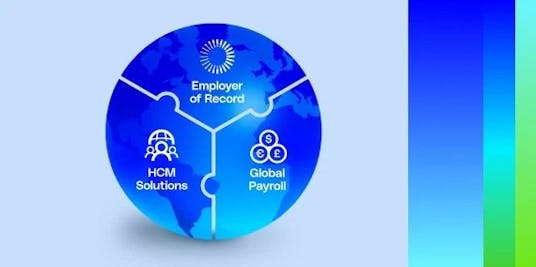




נקודות מפתח
- משאבי אנוש אסטרטגיים: משאבי אנוש גלובליים מעניקים לך גישה לשווקים ולכישרונות, תוך הפחתת סיכונים.
- תאימות: הניווט בין חוקי עבודה בינלאומיים, קודי מס ורגולציות פרטיות מידע הופך את משאבי אנוש העולמי למאתגר.
- תפקיד התרבות: הסתגלות למכס וסגנונות תקשורת מקומיים היא קריטית לבניית צוות בינלאומי כוללני עם תרבות חברה מאוחדת.
- טכנולוגיה ניתנת להרחבה: פלטפורמה מאוחדת לניהול תאימות, שכר ומשאבי אנוש היא המפתח להתרחבות מוצלחת.
- יתרון מעסיק רשום: מעסיק רשומה (מעסיק רשום) מייעל תעסוקה בינלאומית על ידי ביטול הצורך בהקמת ישות, וחוסך זמן ועלויות.
שווקים חדשים מציעים מאגר כישרונות רחב יותר, אבל הגישה אליהם יוצרת כאבי ראש למשאבי אנוש צוות שלך. אסטרטגיית משאבי אנוש (HR) גלובלית היא קריטית למשימה. מדריך זה מתאר את השיקולים המובילים 10 משאבי אנוש ליעילות ותואם התרחבות גלובלית.
תפקיד משאבי אנוש בתעסוקה גלובלית
משאבי אנוש הוא תורם מרכזי ליציבות העסק ולהתמודדות עם הסיכונים. אסטרטגיות משאבי אנוש גלובליות עוזרות לחברה שלך גישה לשווקים חדשים, למשוך כישרונות מובילים ולבנות כוח עבודה חזק. ניהול יעיל שומר על תאימות, יעילות תפעולית ותרבות מאוחדת.
משאבי אנוש אסטרטגיים הם יתרון תחרותי, המאפשר לך להיכנס בביטחון לאזורים חדשים ולבנות צוות בינלאומי מיומן.
שיקולי משאבי אנוש מובילים 10 להתרחבות בינלאומית
גיוס גלובלי הוא דרך יעילה לגשר על מחסור בכישרונות. בעזרת תכנון נכון, תוכלו להניע צמיחה עסקית וחוסן. הנה ה- 10 גורמים שכדאי לזכור.
1. תאימות גלובלית
ניווט בחוקי עבודה בינלאומיים משאיר רבים משאבי אנוש צוות ניהול ערים בלילה. לכל מדינה יש כללים משלה בנוגע לחוזי העסקה, הטבות ושכר. לדוגמה, ארה"ב מאפשרת את העסקה על פי רצון עם כללי חוזה מינימליים, בעוד שברזיל מחייבת חופשת לידה ותשלומי משכורת 13חודשיים .
הסכמי משא ומתן קיבוציים (CBA) מוסיפים מורכבות רבה יותר וקובעים סטנדרטים עבור מגזרים שלמים. במדינות כמו ספרד, חוזי שיתוף פעולה (CBA) יכולים לחול על כל המעסיקים בתעשייה ספציפית.
להישאר תואם דורש מומחיות ייחודית למדינה. שותפות עם מעסיק רשומה (מעסיק רשום) יכולה להפחית את הסיכונים של תעסוקה גלובלית. כמעסיק המשפטי של צוות גלובלי שלך, מעסיק רשומה מבטיח שהחוזים ותהליכי משאבי אנוש יעמדו בחוק המקומי, כך שתוכל להתרחב לכל מקום ללא הלחץ של תאימות.
2. יכולת הסתגלות תרבותית
מודעות למכנים מקומיים, לשפות וסגנונות תקשורת הם מה שהופך סביבה מכילה. הכשרה בין-תרבותית והתאמת קוד ההתנהגות שלכם למכס המקומי הן שתי דרכים לטפח יכולת הסתגלות זו. התאמת תקני משאבי אנוש גלובליים לניואנסים הללו תוך שמירה על עקביות מעודדת תחושת שייכות בכל כוח העבודה שלך.
אתה יכול להשתמש G-P Gia™ כדי ליצור תואם ותיאורי משרה רלוונטיים מקומית, קודי התנהגות, שאלות ראיון, חוזים ועוד. הסוכן הגלובלי שלנו בינה מלאכותית, משאבי אנוש, יכול גם לספק תרגומים למסמכים משאבי אנוש ביותר מ- 50 שפות כדי לתמוך בהבנה ותקשורת עם צוותים מקומיים.
3. פיצוי והטבות
שכר ותנאים טובים הם הגורמים העיקריים המשפיעים על החלטתו של עובד להצטרף לחברה חדשה. אבל כדי למשוך ולשמר כישרונות מובילים, חבילות הפיצוי והטבות שלכם חייבות להיות תחרותיות ברמה המקומית. מעבר לעמידה במינימום החוקי, משמעות הדבר היא להשוות משכורות והטבות לשוק המקומי.
לדוגמה, בשווקים מסוימים, פנסיה היא הטבה נפוצה. באחרים, פנסיות הן נדירות, וביטוח בריאות מקיף הוא גורם מכריע טיפוסי בין הצעות עבודה מתחרות.
4. גיוס כישרונות
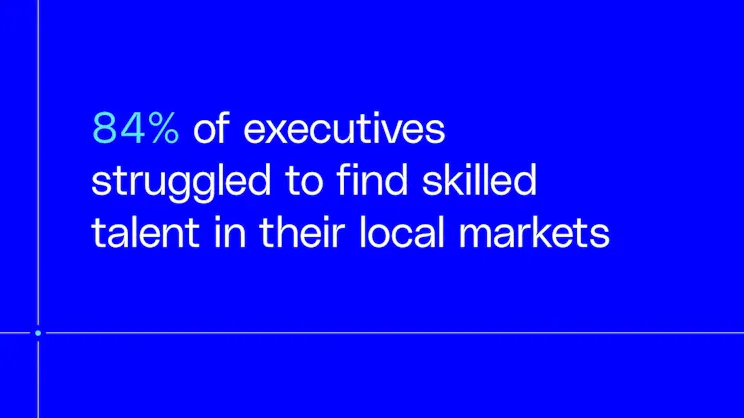
דו"ח "עולם בעבודה" של 2025 מצא כי 84% מהמנהלים התקשו למצוא כישרונות מיומנים בשווקים המקומיים שלהם. אם אתם רוצים לשפר את הפוטנציאל שלכם למשוך כישרונות מובילים, התחילו בכך:
- הכללת קבלנים ועובדים במשרה מלאה באסטרטגיית הגיוס שלכם
- שימוש במעסיק רשום עם טווח נרחב לגישה לשווקי עבודה גלובליים
- מציע הטבות אטרקטיביות ותחרותיות מקומית
5. ניהול שכר ומיסים
ניהול שכר במספר מטבעות ותחומי שיפוט מס הוא משימה בעלת סיכון גבוה. לכל מדינה יש כללי מס משלה ותרומות חובה של לקוחות. טעויות עלולות להוביל לעונשים משמעותיים ולפגוע במוניטין שלכם.
שיתוף פעולה עם מעסיק רשום עם שכר גלובלי מבטיח תשלומים מדויקים ומגן על תאימות. זה גם מספק מקור אמת יחיד לכל נתוני השכר שלך, התומך בתכנון ודיווח פיננסיים ברמת החברה.
6. אבטחת מידע
גיוס בינלאומי כולל איסוף כמויות גדולות של מידע רגיש על עובדים מעבר לגבולות. עליך לעמוד בחוקי הגנת המידע הגלובליים, כמו האסדרה הכללית להגנה על מידע (האסדרה הכללית להגנה על מידע) באירופה ותקנות דומות במקומות אחרים. האסדרה הכללית להגנה על מידע, למשל, מעניקה לעובדים את הזכות לגישה, לתקן ולמחוק את הנתונים האישיים שלהם. אי עמידה בציות עלולה לגרום לקנסות של עד 20 מיליון אירו, או 4% מההכנסות השנתיות הגלובליות של החברה.
ב- G-P, אנו מחויבים לשמור על נתוני משאבי אנוש שלכם בטוחים. אנו עומדים בסטנדרטים שונים של אבטחה, כולל ISO27001, CCPA, האסדרה הכללית להגנה על מידע, ו-SOC2. נתוני הלקוחות מטופלים באופן חוקי ואתי.
7. ניהול ביצועים
יצירת תהליך הערכת ביצועים הוגן ועקבי עבור צוות בינלאומי דורשת רגישות תרבותית. לדוגמה, בתרבויות מסוימות, עובדים עשויים להסס לתת משוב ישיר למנהלים שלהם, בעוד שבאחרות, תרבות של משוב פתוח היא הנורמה.
מערכת ניהול ביצועים צריכה להתחשב בהבדלים אלה תוך התאמתה למטרות הכוללות של החברה שלך. זה עשוי לכלול הכשרת מנהלים למתן משוב רגיש תרבותי והתאמת טפסי הערכת הביצועים המקומיים שלכם כדי להבטיח שהם בונים עבור כל חבר צוות.
8. תרבות עולמית מגובשת
תרבות חברה מגובשת מתחשבת בניואנסים אזוריים כדי ליצור ערכים והתנהגויות משותפים שמהדהדים מעבר לגבולות. המפתח הוא ליצור מסגרת המאפשרת הסתגלות מקומית תוך שמירה על תחושת מטרה משותפת.
פעילויות גיבוש צוות וירטואליות והזדמנויות לשיתוף פעולה בין-תרבותי יכולות לסייע בטיפוח שייכות בין צוותים בינלאומיים.

9. רווחת העובדים
כשאתם מגייסים עובדים ברחבי העולם, חובת הזהירות שלכם משתרעת מעבר לגבולות, מה שאומר לעמוד בתקנות הבריאות והבטיחות המקומיות. מלבד הדרישות החוקיות, מתן תמיכה בבריאות מראה שאכפת לך מעבר לתלוש משכורת.
יוזמות בריאות כוללות כל דבר, החל ממשאבים לבריאות הנפש ועד למערכות משרד ביתי ארגונומיות. חבילות הטבות בריאות תחרותיות משתנות בהתאם לאזור ומתפתחות עם הזמן. מעסיק רשום יכול לעזור לך להבטיח תאימות עם תקנות בריאות ובטיחות עובדים מקומיות ובחינת ביצועים לרווחה לשווקים גלובליים.
10. טכנולוגיית ותשתית משאבי אנוש ניתנות להרחבה
רוב מערכות משאבי אנוש מסורתיות מיועדות לניהול כוח עבודה ביתי. הם לא מצוידים לצרכי כוח עבודה גלובלי. חלק מהחברות משתמשות בסופו של דבר במספר מערכות לניהול תשלומים חוצי גבולות, שפות ומסגרות רגולטוריות, מה שמוביל למאגר נתונים וחוסר יעילות אדמיניסטרטיבית.
חברות בינלאומיות זקוקות לפלטפורמה מאוחדת לכל צרכי התעסוקה הגלובליים. פלטפורמת שירותי העסקה גלובלית שלנו מעניקה לכם נתונים אמינים להחלטות אסטרטגיות ויעילות לניהול כל משימות הניהול של משאבי אנוש. בחרו בפתרון הגיוס הגלובלי הטוב מסוגו שלנו כדי להרחיב את הפעילות בכל מקום בעולם.
יתרונות שיתוף פעולה עם מעסיק רשום
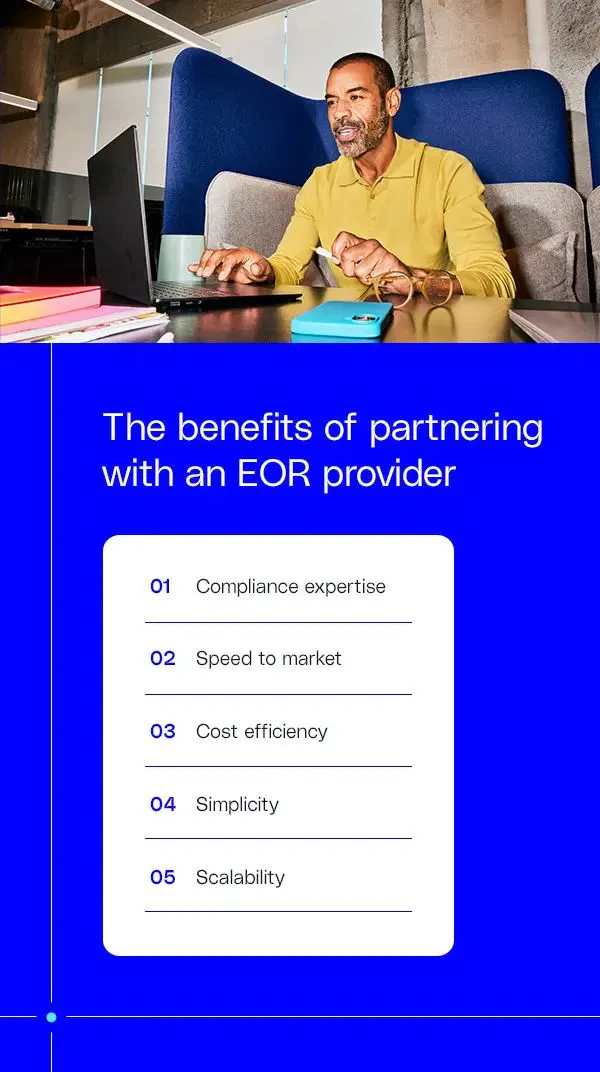
שיתוף פעולה עם מעסיק עולמי מפשט את משאבי אנוש הבינלאומי. היתרונות של מעסיק רשום כוללים:
- מומחיות בציות: מעסיק רשום מעניק לך גישה מיידית לצוות של מומחים משפטיים ומשאבי אנוש מקומיים שמבינים דיני העבודה המקומיים. מומחיות זו מפחיתה את הסיכונים שלך הקשורים לחוזים, פיטורין והטבות. ככל שהתקנות משתנות, פיקוח זה חיוני למניעת קנסות וסכסוכים משפטיים.
- מהירות יציאה לשוק: הקמת חברת בת או סניף חוקי במדינה חדשה יכולה להימשך בין 4ל-12 חודשים או יותר, בהתאם לתחום השיפוט. מעסיק רשום מבטל את הצורך הזה. מכיוון שלמעסיק הרשומה כבר יש גופים ברחבי העולם, ניתן לגייס כישרונות בשוק חדש תוך ימים, לא חודשים. מהירות זו מאפשרת לך לנצל הזדמנויות בשוק ולגייס כישרונות מובילים לפני המתחרים שלך.
- יעילות עלות: עלות הקמה ותחזוקה של ישות עסקית בינלאומית כוללת שכר טרחה משפטי, עלויות רישום ומינימום הון. שיתוף פעולה עם מעסיק רשום מסיר את ההוצאות הראשוניות הללו. הוא גם מפחית את ההוצאות החודשיות על ידי ביטול הצורך לשכור צוות משאבי אנוש גלובלי פנימי או להתייעץ באופן מתמיד עם משרדי משפט ומיסוי מקומיים.
- פשטות: עבודה עם מעסיק רשום טכנולוגי ראשון כמו G-P מאפשרת לך לרכז את פרקטיקות משאבי אנוש הגלובליות שלך. פתרונות מעסיק הרשום שלנו מעניקים תלוש שכר בינלאומי, הטבות וניהול משאבי אנוש, הכל באמצעות לוח מחוונים אחד. זה מייעל תהליכים, מבטיח עקביות נתונים ומשחרר את הצוותים הפנימיים שלך להתמקד ביוזמות עסקיות אסטרטגיות.
- גמישות: צרכי עסקים גלובליים יכולים להשתנות במהירות. מעסיק רשום נותן לך את הגמישות להגדיל או להקטין את הצוות שלך. נניח שאתה בודק שוק חדש עם צוות קטן או צריך להרחיב את כוח העבודה שלך כדי לעמוד בביקוש. מעסיק רשום מאפשר לך לעשות זאת ללא המחויבות ארוכת הטווח והעומס המנהלי של ניהול הישות שלך.
פשטו את הגיוס הגלובלי עם G-P
משאבי אנוש גלובליים דורשים משאבים וידע מקצועי. מוצרי תעסוקה גלובליים של GP ופתרונות Employer of Record פשט משאבי אנוש בינלאומי תוך הפחתת סיכונים תאימות.
מוצרי מעסיק הרישום והקבלנים שלנו תומכים במהירות וגיוס תואם לתקנים, ניהול שכר והטבות במדינות 180+. בינתיים, Gia, הסוכן הראשון מסוגו בינה מלאכותית עבור משאבי אנוש, יוצר תואם משאבי אנוש גלובלי בדקות. כל המוצרים שלנו מגובים על ידי בינה מלאכותית סוכנתית וצוות גדול של מומחים משפטיים ומשאבי אנוש כדי לספק ללקוחות תמיכה מקיפה מקצה לקצה.
כפי שאומרת תרזה צ'יק מ-AmbioPharm , "ניהול עסקים בקנה מידה בינלאומי הוא מורכב, אבל עם G-P, אני מרגישה בטוחה שהם נשארים מעודכנים בחוקים המשתנים בכל מדינה. התובנות המדינתיות שמספק G-P הן יקרות ערך."
הזמינו הדגמה עוד היום כדי לראות כיצד אנו מפשטים את הגיוס הגלובלי.

מהן הגישות העיקריות לניהול משאבי אנוש גלובלי?
ישנן ארבע גישות עיקריות לניהול משאבי אנוש (HRM) גלובלי:
אתנוצנטרי: גישה זו מיישמת את נוהלי הניהול של מדינת המוצא על כל המיקומים הבינלאומיים. גישה אתנוצנטרית מעודדת אחדות תאגידית אך עשויה להיעדר היענות מקומית ותאימות.
פוליצנטרי: החברה שוכרת הנהלה מקומית אוטונומית לניהול הפעילות בכל מדינה. גישה זו מכבדת נהלים מקומיים, אך שיטות ניהול משאבי אנוש מנותקות במדינות שונות עלולות להוביל לתרבות ארגונית מקוטעת ולחוסר אינטגרציה.
אזורי צנטרי: שיטות ניהול הן סטנדרטיות אזוריות, אך עשויות להשתנות בין אזורים. גישה זו יכולה להיות פשרה טובה בין הגישות האתנוצנטריות לגישות הפוליצנטריות, אך היא יכולה גם ליצור חלוקה בין אזורים שונים.
גיאוצנטרי: החברה מחפשת את האנשים הטובים ביותר לתפקיד, ללא קשר למקום מגוריהם. זוהי גישה יעילה המשלבת אינטגרציה גלובלית עם היענות מקומית.
כיצד ניתן ליצור אסטרטגיית משאבי אנוש גלובלית?
בצע את השלבים הבאים:
התאם את יעדי משאבי אנוש שלך עם היעדים העסקיים שלך.
נתחו את החוקים ונורמות התעסוקה של מדינות היעד שלכם.
בחרו גישה אסטרטגית - כמו ניהול משאבי אנוש גיאוצנטרי.
השקיעו בטכנולוגיה ניתנת להרחבה לניהול צוות גלובלי.
צור תואם מסמכי משאבי אנוש בינלאומיים ומקומיים.
קבעו מדדי KPI למדידת הצלחת האסטרטגיה שלכם.
בדקו ועדכנו את האסטרטגיה שלכם באופן קבוע.
מהי אינטגרציה גלובלית של משאבי אנוש?
אינטגרציה גלובלית של משאבי אנוש פירושה שילוב של מדיניות ומערכות משאבי אנוש לאחר מיזוג, רכישה או התרחבות חוצת גבולות. המטרה היא ליצור ארגון בינלאומי מאוחד. תהליך זה כרוך בהרמוניזציה של שכר, הטבות וערכי החברה. שילוב מוצלח מבטיח שכל חברי הצוות יחוו חוויה עקבית וחיובית.
מהם הסיכונים הגדולים ביותר של משאבי אנוש בגיוס עובדים גלובלי?
אי ציות הוא הסיכון מספר1 . הפרות אפשריות כוללות:
סיווג שגוי של עובדים כקבלנים
אי ציות לחוקים הספציפיים למדינה בנוגע לחוזים ופיטורים
טיפול שגוי במסים ובתרומות מעסיקים
מעבר לסוגיות משפטיות, אי עמידה בציפיות המקומיות לשכר והטבות עלולה להגביר את מצב עובד המחזור.
מה ההבדל בין מעסיק שיא לארגון תעסוקה מקצועי?
בעל מקצוע רקורד (מעביד של רקורד) וארגון מעסיק מקצועי (ארגון תעסוקה מקצועי) שניהם מטפלים בפונקציות משאבי אנוש, אך בהיקפים שונים:
מודל העסקה: מעסיק רשום משמש כמעסיק המשפטי הישיר של הצוותים הגלובליים שלכם ומטפל בכל ענייני התאימות. ארגון תעסוקה מקצועי משתמש ביחסי עבודה משותפת. עם ארגון תעסוקה מקצועי, אתה חולק אחריות לתאימות דיני עבודה.
הגדרת ישות: מעסיק רשום מאפשר לך להעסיק עובדים במדינות חדשות מבלי להקים ישות משפטית משלך. ארגון תעסוקה מקצועי דורש הקמת ישות במדינה בה אתה רוצה להעסיק.
היקף: צוותי גיוס פוטנציאליים (EOR) מתמחים בגיוס גלובלי ותאימות לתקנות. PEOs מוגבלים בדרך כלל לתמיכה מקומית בארה"ב
הנחיה אסטרטגית: מעסיק בעל מוניטין ורשום מספק הנחיה אסטרטגית בנוגע לנהלי וציפיות תעסוקה מקומיות. ארגון תעסוקה מקצועי מתמקד יותר בתיאום ניהול משימות משאבי אנוש.
שירותי תשלום: מעסיק רשום מציע שירותי תשלום מלאים, כולל שכר ומיסים. ארגון תעסוקה מקצועי עוזר בפונקציות הללו, אך מודל ההעסקה המשותפת יכול ליצור אי בהירות לגבי תחומי האחריות.
גמישות: תוכניות EOR מציעות גמישות מוחלטת ללא מספר עובדים מינימלי, וזה אידיאלי לבדיקת שווקים חדשים. חלק מחברות ה-PEO עשויות להזדקק למספר מינימלי של עובדים כדי להעסיק את שירותיהם.