










Poin penting
-
Menarik talenta terbaik: Saat mempertimbangkan peluang kerja, gaji dan tunjangan adalah dua faktor penentu bagi tenaga profesional saat ini (laporan World at Work2025).
-
Kepatuhan adalah kuncinya: Mematuhi undang-undang ketenagakerjaan setempat dan peraturan tunjangan meminimalkan risiko hukum dan keuangan.
-
Jenis tunjangan: Tunjangan global meliputi program kesehatan dan kesejahteraan, rencana pensiun, prakarsa keseimbangan kehidupan dan pekerjaan, serta tunjangan pengembangan profesional.
Dalam pasar kerja yang kompetitif, profesional lebih peduli terhadap lebih dari sekadar gaji. Mereka menghargai asuransi kesehatan, program pensiun, dan cuti berbayar (PTO). Manfaat membangun kepercayaan dan menunjukkan komitmen Anda terhadap kesejahteraan karyawan.
Saat Anda berekspansi ke negara baru, penawaran manfaat Anda menjadi lebih penting. Setiap pasar memiliki aturan, biaya, dan harapan karyawan yang berbeda. Strategi manfaat global yang kuat memastikan Anda menawarkan manfaat yang sesuai dengan kebutuhan lokal sambil tetap selaras dengan tujuan global.
Panduan untuk jenis tunjangan karyawan global ini menelusuri kategori tunjangan utama dan menjelaskan cara membangun program yang efektif.
Jenis tunjangan karyawan global
Saat membuat paket tunjangan internasional, langkah pertama adalah memahami kategori: menurut undang-undang (diwajibkan oleh hukum) dan tambahan (keuntungan opsional). Memenuhi standar pemerintah dan memberikan manfaat tambahan memastikan kepatuhan, membantu Anda memenuhi harapan tenaga kerja, dan memperkuat merek perusahaan Anda.
Manfaat hukum
Tunjangan hukum memastikan karyawan mendapatkan perlindungan dasar. Setiap negara memiliki hak yang berbeda untuk tunjangan seperti perawatan kesehatan, pensiun, dan cuti berbayar. Misalnya, Jerman mewajibkan asuransi kesehatan dan liburan berbayar. Di Jepang, perusahaan harus memberikan pendaftaran dalam program pensiun dan kesehatan publik.
Ketidakpatuhan mengakibatkan hukuman hukum dan keuangan, jadi penting untuk meneliti setiap pasar sebelum Anda mulai merekrut.
Manfaat tambahan
Manfaat tambahan bersifat opsional. Perusahaan menawarkan manfaat ini untuk menarik dan mempertahankan talenta terbaik. Manfaat tambahan yang Anda sertakan harus mencerminkan harapan budaya, standar pasar, dan prioritas tenaga kerja. Manfaat tambahan populer meliputi:
-
Peningkatan asuransi kesehatan
-
Rencana pensiun pribadi
-
Program kesehatan
-
Dukungan pendidikan
-
Cuti ekstra berbayar
Misalnya, perusahaan yang berbasis di AS dapat menawarkan 401(k) pencocokan, tunjangan kesehatan mental, dan dukungan kesuburan. Di Singapura, banyak perusahaan menyediakan asuransi kesehatan tambahan. Di Belanda, bisnis dapat menambahkan pertanggungan disabilitas pribadi dan manfaat bagi karyawan pada paket pekerjaan.
Mengapa menawarkan tunjangan karyawan global

Tunjangan karyawan global membantu membedakan perusahaan dalam pasar tenaga kerja yang ketat. Strategi tunjangan global yang seimbang menciptakan standar konsisten yang membantu organisasi Anda berkembang. Manfaat juga memengaruhi bagaimana orang memilih perusahaan, berapa lama mereka tinggal, dan seberapa terlibat perasaan mereka di tempat kerja.
Menarik dan mempertahankan talenta global terbaik
Profesional membandingkan paket penghargaan total saat mengevaluasi peluang kerja. Tunjangan komprehensif menandakan merek perusahaan yang kuat dan berkomitmen terhadap kesejahteraan karyawan. Kandidat melihat manfaat sebagai tanda kepedulian dan stabilitas. Penawaran yang kuat dapat meminimalkan pergantian karyawan dan mendorong karyawan untuk mengembangkan karier mereka di perusahaan Anda. Stabilitas ini menurunkan biaya perekrutan dan membangun tim global yang lebih kuat.
Memastikan kepatuhan global dan mengurangi risiko
Setiap negara memiliki undang-undang ketenagakerjaan dan peraturan manfaatnya sendiri. Ketika tunjangan sesuai, Anda menghindari hukuman dan sengketa. Kepatuhan yang kuat juga membangun kepercayaan dengan karyawan dan regulator, mendukung operasi pasar yang lebih lancar.
Meningkatkan produktivitas dan kesejahteraan karyawan
Program kesejahteraan membantu menjaga keterlibatan di seluruh zona waktu dan lokasi. Perusahaan yang memprioritaskan inisiatif ini sering kali melihat tingkat produktivitas dan keuntungan yang lebih tinggi.
Misalnya, peningkatan satu poin dalam skor kebahagiaan karyawan terbukti terkait dengan peningkatan laba tahunan sebesar USD 1.39–2,29 miliar.
Membangun budaya perusahaan yang positif
Program tunjangan karyawan menandakan bahwa organisasi benar-benar menghargai dan berinvestasi pada karyawannya. Perusahaan dapat membangun budaya perusahaan yang positif dengan menawarkan tunjangan seperti dukungan kesehatan yang komprehensif, rencana pensiun yang kompetitif, cuti berbayar yang murah hati, dan bantuan biaya pendidikan.
Komitmen terhadap keseimbangan kerja-hidup dan kesejahteraan ini langsung diterjemahkan ke dalam loyalitas, keterlibatan, dan moral karyawan yang lebih tinggi.
Contoh tunjangan karyawan global
Tunjangan karyawan global mencerminkan prioritas universal dan harapan regional. Meskipun banyak manfaat yang tampak serupa dalam struktur, nilai yang dirasakan bervariasi di seluruh wilayah. Manfaat yang menarik di satu negara mungkin memiliki bobot yang lebih sedikit di negara lain. Misalnya, tunjangan kesehatan lebih populer di Amerika Utara, sementara cuti keluarga yang lebih baik beresonansi lebih dalam di negara-negara Nordik.
Dengan G-P, Anda dapat merekrut talenta dan menawarkan tunjangan kompetitif di lebih dari 180 negara. Kami memiliki pengalaman kerja global selama lebih dari 13 tahun dan menawarkan solusi perusahaan rekaman (EOR) yang didukung AI, sehingga Anda dapat merekrut di mana saja dengan cepat dan patuh.
Kesehatan dan kesejahteraan
Manfaat kesehatan dan kebugaran meliputi perawatan preventif, sumber daya kesehatan mental, layanan kesehatan tambahan, atau keanggotaan gym. Banyak perusahaan kini menawarkan akses kesehatan jarak jauh, manajemen stres, dan program nutrisi bersubsidi:
-
Di Asia Pasifik, pemeriksaan kesehatan preventif dan hari-hari kesehatan yang disponsori perusahaan adalah hal yang umum.
-
Perusahaan di Eropa dapat mencakup perawatan gigi dan penglihatan komprehensif sebagai bagian dari total hadiah.
-
Anda akan melihat rencana perawatan kesehatan yang diperpanjang di Kanada, mencakup obat resep dan layanan paramedis seperti fisioterapi.
G-P menawarkan Program Bantuan Karyawan (Employee Assistance Programs, EAP) sebagai bagian dari paket Prime EOR kami. Ini membantu karyawan menangani masalah pribadi dan terkait pekerjaan, yang mengarah pada ketidakhadiran yang lebih rendah, dan menciptakan lingkungan yang mendukung bagi tim global.
Jaminan keuangan dan pensiun
Di luar pensiun dasar, Anda dapat menawarkan program pensiun yang ditingkatkan, pembagian laba, atau rencana tabungan lainnya. Berikut adalah cara negara lain menawarkan keuntungan finansial:
-
Perusahaan di Kanada dan Australia umumnya menawarkan program tabungan pensiun terdaftar (RRSP) atau tambahan dana pensiun.
-
Di banyak negara Eropa, program tabungan sukarela dan rencana investasi jangka panjang melengkapi dana pensiun negara.
-
Beberapa perusahaan di Amerika Latin menambahkan dukungan relokasi, pendanaan pendidikan untuk tanggungan, atau rekening tabungan yang didukung perusahaan.
Keseimbangan pekerjaan-kehidupan dan cuti
Kebijakan cuti yang kuat mendorong keseimbangan kehidupan kerja dan mengurangi kelelahan. Tunjangan dapat mencakup cuti orang tua yang ditingkatkan, cuti sukarela, atau cuti panjang berbayar:
-
Di beberapa wilayah di Asia, perusahaan menawarkan cuti berbayar untuk pengasuhan keluarga.
-
Hari pribadi tambahan atau hari libur mengambang adalah strategi retensi umum di A.S.
-
Di Inggris, banyak perusahaan menawarkan cuti berbayar untuk sukarelawan sebagai bagian dari program tanggung jawab sosial perusahaan.
Fasilitas pengembangan profesional dan fleksibel
Tunjangan pertumbuhan profesional membantu karyawan membangun keterampilan dan tetap terlibat. Beberapa perusahaan menawarkan penggantian biaya kuliah, tunjangan belajar, program bimbingan, atau pengaturan kerja yang fleksibel untuk mendukung pengembangan. Anda juga dapat menawarkan tunjangan kantor rumah sebagai bagian dari fasilitas pengembangan fleksibel dan profesional Anda. Di negara-negara tertentu, seperti Meksiko, hal ini wajib dilakukan. Inilah cara penerapan fasilitas lain secara umum di seluruh dunia:
-
Banyak perusahaan Eropa mendanai pendidikan berkelanjutan melalui sertifikasi industri.
-
Di India, perusahaan dapat menawarkan model kerja hibrida dengan jalur pembelajaran yang dipersonalisasi.
-
Karyawan di Brasil dapat memperoleh jumlah bulanan yang ditetapkan untuk meningkatkan ruang kerja rumah mereka atau mencakup internet berkecepatan tinggi.
Tren dalam tunjangan karyawan internasional
Harapan karyawan berkembang dengan cepat, dan strategi tunjangan harus mengikuti. Paket tradisional dibangun di seputar penawaran standar yang tidak lagi memenuhi kebutuhan tenaga kerja saat ini. Merancang program yang mendukung kesejahteraan, mencerminkan preferensi individu, dan menggunakan teknologi untuk manajemen yang mudah dapat memberi Anda keunggulan kompetitif.
Tren ini membentuk cara perusahaan global menarik dan mempertahankan talenta global.
Hiperpersonalisasi dan fleksibilitas

Karyawan menginginkan pilihan fleksibel yang sesuai dengan gaya hidup, prioritas, dan tahap karier mereka. Untuk memenuhi kebutuhan ini, beberapa perusahaan mengizinkan karyawan memilih manfaat yang paling penting bagi mereka. Opsinya dapat mencakup peningkatan program kesehatan, cuti tambahan, bantuan pengasuhan anak, atau kontribusi pensiun.
Pergeseran ini memperkuat retensi, menyelaraskan manfaat dengan nilai-nilai pribadi.
Pendekatan holistik terhadap kesejahteraan
Perusahaan terkemuka menangani kesehatan mental, emosional, dan keuangan sebagai bagian dari strategi tunggal. Pendekatan terintegrasi ini memungkinkan anggota tim melakukan yang terbaik dan merasa didukung di setiap bidang kehidupan mereka. Penawaran populer meliputi terapi atau konseling, lokakarya literasi keuangan, program kesadaran, dan sumber daya manajemen stres.
Dengan mengintegrasikan kesehatan holistik, organisasi membangun tim yang lebih tangguh di seluruh pasar global.
Peran teknologi dalam manajemen tunjangan
G-P Gia™ adalah AI agen pertama untuk SDM. Gia dapat menjawab pertanyaan kepatuhan terberat Anda, membuat dokumen SDM dalam hitungan menit, dan membantu manajemen kebijakan proaktif. Gunakan Gia untuk mengakses data spesifik lokasi terkini tentang manfaat yang diperlukan di 50 negara dan semua 50 negara bagian A.S.
Gia dapat membantu mengidentifikasi seberapa kompetitif paket Anda melalui analisis kesenjangan. Jika Anda memerlukan laporan atau ringkasan resmi, Gia dapat membuat dokumen DOCX yang disesuaikan dengan kebutuhan Anda.
Cara menciptakan dan mengelola tunjangan global
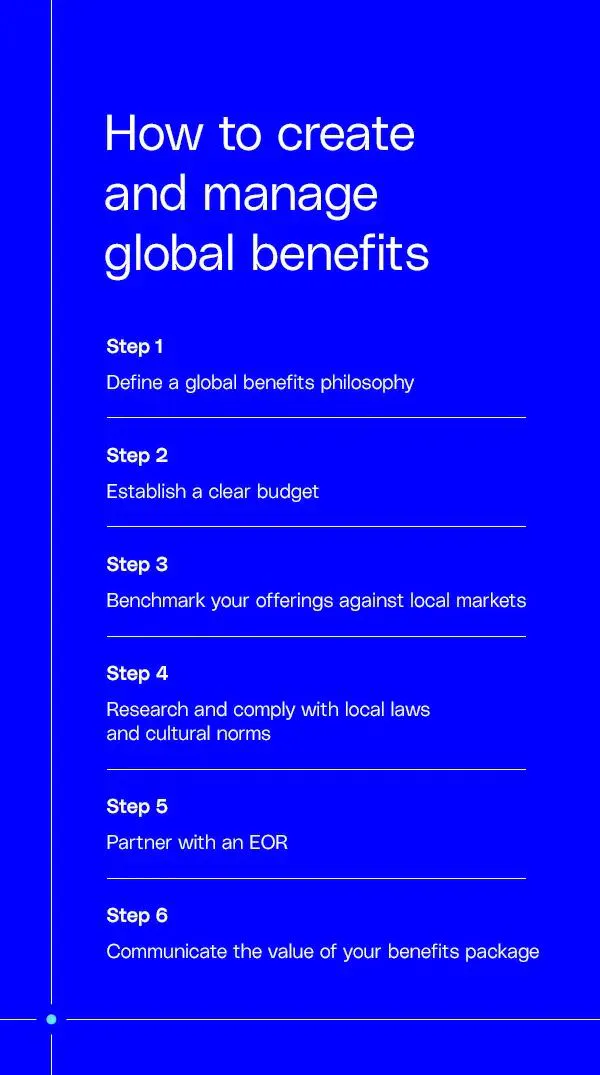
Jika Anda mengelola tenaga kerja lintas negara, Anda memerlukan cara praktis untuk menciptakan dan mengawasi tunjangan global. Ikuti langkah-langkah ini:
-
Mendefinisikan filosofi manfaat global: Mendefinisikan bagaimana manfaat mendukung tim global Anda dan mencari tahu bagaimana memberikan konsistensi dan relevansi. Manfaat Anda harus kompetitif, terkini, dan selaras dengan undang-undang negara tempat Anda bekerja.
-
Riset dan kepatuhan terhadap undang-undang dan norma budaya setempat: Menyesuaikan diri dengan standar dan harapan hukum setiap negara sangatlah penting. Gia dapat memberi Anda informasi kepatuhan lokal dan meninjau paket tunjangan menggunakan penalaran seperti pengacara— tanpa jam yang dapat ditagih.
-
Tetapkan anggaran yang jelas: Tetapkan anggaran khusus untuk rencana tunjangan global Anda yang menguraikan bagaimana Anda akan mengelola variasi biaya di seluruh pasar. Anggaran yang ditetapkan memungkinkan Anda untuk meningkatkan tunjangan secara global dan mendukung karyawan, tanpa memandang lokasi geografisnya. Perhitungkan bonus wajib dan sukarela dalam anggaran Anda.
-
Bandingkan penawaran Anda dengan pasar lokal: Bandingkan paket tunjangan Anda dengan pesaing. Gia dapat membantu mengidentifikasi posisi kompetitif paket Anda, posisi yang mungkin kurang, dan posisi yang mungkin melampaui harapan pasar.
-
Bermitra dengan EOR: Bekerja dengan EOR seperti G-P memungkinkan Anda untuk merekrut di lebih dari 180 negara tanpa membentuk entitas. Solusi EOR kami yang didukung AI membantu Anda tetap patuh dan menawarkan manfaat kompetitif bagi tim global Anda.
-
Sampaikan nilai paket tunjangan Anda: Beri tahu anggota tim Anda apa yang Anda tawarkan, mengapa hal itu penting, dan bagaimana mereka dapat mengaksesnya.
Menyusun rencana tunjangan karyawan global yang kompetitif dengan G-P
Berinvestasi dalam manajemen tunjangan global meningkatkan akuisisi talenta, memastikan kepatuhan, menurunkan risiko, dan mendukung tenaga kerja yang produktif.
Sebagai pencipta industri employer of record (EOR), tidak ada yang memahami perekrutan global seperti G-P. Solusi EOR kami yang didukung AI memberikan kecepatan, kepercayaan diri, dan keunggulan kompetitif yang Anda butuhkan untuk membangun tim global yang sukses. Bersama kami, Anda dapat menawarkan tunjangan yang relevan secara regional, mulai dari asuransi kesehatan hingga kontribusi pensiun, dan tunjangan tambahan. Kami juga menangani penggajian multinegara dalam mata uang lokal, mengurangi penundaan pembayaran karyawan global.
Pesan demo hari ini untuk melihat penerapan produk ketenagakerjaan global dan solusi EOR kami.