










النتائج الرئيسية
-
يؤدي تقديم عمل عن بُعد إلى مضاعفة خيارات المواهب لديك: يُعد بناء قوى عاملة عن بُعد طريقة للتغلب على نقص المواهب المحلية.
-
يحتاج العمال عن بُعد إلى الاتصال والوضوح: عمليات تسجيل وصول منتظمة وأدوات تعاون وإرشادات واضحة تجعل العمل عن بُعد ممكنًا.
-
الامتثال أمر ضروري: يُقلّل صاحب العمل المسجل (EOR) من خطر التوظيف عبر الحدود.
يتيح لك العمل عن بُعد تعيين أفضل شخص للوظيفة، بغض النظر عن المكان الذي يعيشون فيه. عندما يصبح العالم مجموعة مواهبك، تكون المهارات المطلوبة في متناول يدك.
دعونا نلقي نظرة فاحصة على ما يعنيه العمل عن بُعد ولماذا هو خيار يستحق تقديمه.
ما هو العمل عن بُعد؟
يعني العمل عن بُعد أداء مهام الوظيفة خارج المكتب التقليدي. يمكن للموظفين عن بُعد العمل من أي مكان - في المنزل أو في المقهى أو في المكتبة. يستخدم بعض أعضاء الفريق عن بُعد مساحات عمل مشترك يشاركونها مع الموظفين من الشركات الأخرى.
في حين أنه يمكن تنفيذ العديد من الوظائف عن بُعد، قد تتطلب بعض المناصب وجود الموظفين في الموقع لبعض الوقت.
لماذا يختار الأشخاص الوظائف عن بُعد؟
يفضل العديد من الأشخاص العمل عن بُعد لأنه مرن، ويسمح لهم بالعيش في المكان الذي يريدونه، ويقضي على التنقل.
وفقًا لاستبيان أجرته كلية هارفارد للأعمال 2025 ، فإن 40% من العمال سيأخذون تخفيضًا في الأجور بنسبة 5% أو أكثر للعمل عن بُعد. في المملكة المتحدة، يضحي الموظفون بنسبة 8% من راتبهم السنوي من أجل إعداد عمل مرن.
أنواع هياكل العمل عن بعد
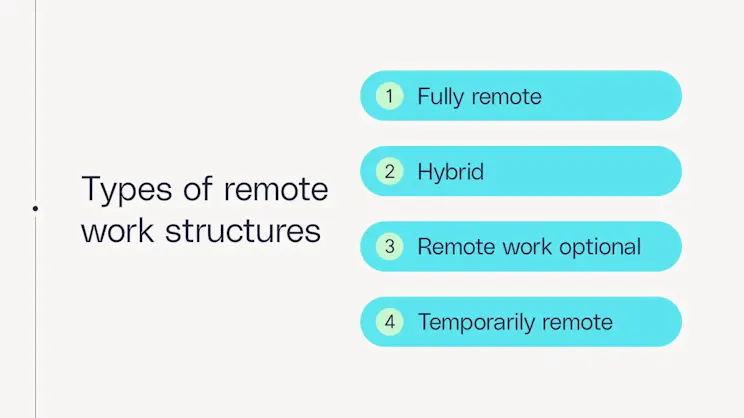
يمكن للشركات التي ترغب في تقديم خيارات العمل عن بُعد الاختيار من بين عدة أنواع من الإعدادات:
-
عن بُعد بالكامل: لا يذهب الموظفون الذين يعملون عن بُعد بالكامل إلى المكتب أبدًا. وهم يعملون دائمًا من مكان عملهم المفضل. في بعض الحالات، قد لا يكون للشركة حتى مكتب مركزي أو مقر رئيسي.
-
Hybrid: يقسم الموظفون الهجين وقتهم بين مساحة العمل الشخصية والمكتب. يعتمد عدد مرات عمل الموظفين عن بُعد أو في المكتب على تفضيلاتهم وسياسات الشركة.
-
العمل عن بُعد اختياري: تقدم بعض الشركات خيار العمل عن بُعد لظروف خاصة، ولكنها تفضل بشدة أن يكون الموظفون في المكتب قدر الإمكان. قد يكون خيار العمل عن بعد شيئًا يستخدمه الموظفون عندما يكون لديهم طفل مريض في المنزل أو التزامات منزلية أخرى.
-
عن بُعد مؤقتًا: قد تعمل الشركات عن بُعد بناءً على الحاجة. في بيئة نائية مؤقتًا، هناك فهم بأن الموظفين سيعودون إلى المكتب في النهاية.
ما الوظائف التي يمكن للموظف عن بُعد القيام بها؟
يمكن إجراء معظم الوظائف التي تتضمن أجهزة كمبيوتر، مثل التمويل والتكنولوجيا والتسويق الرقمي، عن بُعد. وفقًا لـ FlexJobs، تتضمن الوظائف الأكثر شيوعًا عن بُعد ما يلي:
-
مهندس برمجيات
-
Accountant
-
مدير المنتجات
-
مساعد تنفيذي
-
محلل مالي
-
ممثل خدمة العملاء
-
مدير نجاح العملاء
-
مدير الحسابات
-
مصمم المنتجات / مصممة المنتجات
-
كاتب
يمكن الآن إجراء العديد من الوظائف التي كانت تتطلب حضورًا شخصيًا عن بُعد، بفضل التكنولوجيا. يمكن للمدربين الشخصيين تدريب العملاء عبر Zoom. يمكن للمرشدين السياحيين قيادة نزهات افتراضية في المتاحف. يمكن للمعالجين تقديم جلسات رعاية صحية عن بُعد.
طالما أن لديك اتصالاً ثابتًا بالإنترنت، يمكن إجراء معظم المهام عن بُعد بقدر ما من السعة.
إيجابيات وسلبيات العمل عن بُعد

إذا كنت مهتمًا ببناء قوى عاملة موزعة، فإليك فوائد العمل عن بُعد وعيوبه.
مزايا تقديم العمل عن بُعد
-
جذب المزيد من المرشحين: يرغب معظم الباحثين عن عمل في العمل من المنزل لبعض الوقت على الأقل. من المرجح أن ترى المزيد من الطلبات من المرشحين المؤهلين إذا قدمت خيارًا عن بُعد. كما يقلل العمل عن بُعد من لوجستيات النقل ومعالجة التأشيرات - مثل تأشيرات H-1B - وتأخيرات الهجرة، مما يسمح لك بتوظيف أشخاص مهرة في أي مكان في العالم بشكل أسرع بكثير.
-
يؤدي إلى زيادة الإنتاجية: يمكن للموظفين عن بُعد العمل خلال ساعات ذروة الإنتاجية والراحة عند انخفاض الطاقة. غالبًا ما يكون لديهم عوامل تشتيت أقل من الزملاء ويمكنهم بدء اليوم دون إجهاد التنقل.
-
تقليل النفقات: يمكن أن يساعدك الذهاب عن بُعد جزئيًا أو كليًا على توفير المال عن طريق خفض تكاليف تأجير المكاتب ونفقات رعاية التأشيرة.
-
يمنحك المزيد من المرونة في التوظيف: يؤدي العمل عن بُعد إلى توسيع نطاق التوظيف لديك. لم تعد مقتصرًا على مجموعات المواهب المحلية والمكاتب المادية.
-
يشجع التوازن بين العمل والحياة: تساهم العديد من العوامل في الإرهاق، ولكن نقص وقت التوقف عن العمل وفترات التنقل الطويلة هما عاملان رئيسيان. يمكن أن يتجه الوقت الذي يتم توفيره من التنقل إلى ممارسة التمارين، والأعمال المنزلية، والنوم، وغيرها من العادات الصحية التي تعزز الصحة.
سلبيات تقديم العمل عن بُعد
-
الصعوبات التقنية: قد لا يتمكن الموظفون من العمل إذا فقدوا الاتصال بالإنترنت أو إذا كان نظام شركتك معطلاً.
-
عدم التفاعل وجهًا لوجه: لا يتمكن بعض الموظفين عن بُعد من مقابلة زملائهم شخصيًا. يمكن أن يؤدي عدم التفاعل وجهًا لوجه إلى جعل الفرق تشعر بالعزلة أو الوحدة، مما يمكن أن يقلل من المشاركة.
-
الردود المتأخرة: عندما يعمل الموظفون وجهًا لوجه، يمكنهم طرح الأسئلة في الوقت الفعلي. في بيئة العمل عن بُعد، غالبًا ما يكون هناك تأخير.
-
مشكلات الثقة: يتطلب العمل عن بُعد الثقة. لا يمكن للمشرفين المرور عبر المكتب ومعرفة ما يعمل عليه موظفوهم. قد يكون التحول من قياس الحضور إلى قياس المخرجات أمرًا صعبًا بالنسبة لبعض المديرين.
أفضل الممارسات لبناء فريق عن بُعد وإدارته
اتبع أفضل الممارسات هذه لبناء الفرق البعيدة وإدارتها في أي مكان:
1. إنشاء سياسة العمل من المنزل
وضع مبادئ توجيهية واضحة للعمل من المنزل. أضف سياسة العمل من المنزل إلى دليل الموظف حتى يتمكن جميع العمال العموميين عن بُعد من الوصول إليها بسهولة. يمكن أن تغطي الإرشادات:
-
متطلبات الأهلية
-
أوقات الاستجابة
-
متطلبات التوافر
-
ساعات التداخل للتعاون عبر المناطق الزمنية
-
قواعد المعدات
-
بروتوكولات أمن البيانات
-
قواعد العمل الإضافي والاستراحة
أثناء وضعك للسياسة، ضع في اعتبارك قوانين العمل المحلية وتأكد من امتثالها لكل موقع تستأجر فيه. لدى العديد من الدول قوانين عمل عن بُعد يجب اتباعها لتجنب الغرامات.
على سبيل المثال، يتمتع العمال عن بُعد في إسبانيا "بالحق في التعويض عن النفقات وتعويضها". وهذا يعني أنه يجب على أصحاب العمل دفع ثمن المعدات والأدوات التي يستخدمها الموظف للعمل عن بُعد. كما يتعين على أصحاب العمل في بولندا توفير الأدوات والمواد اللازمة لأداء العمل عن بُعد.
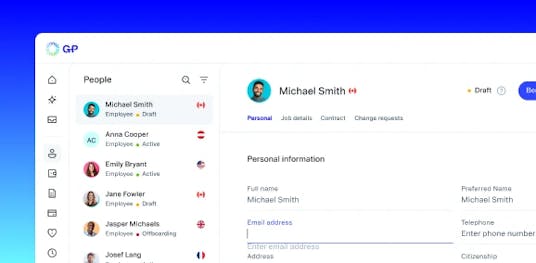
يساعدك تضمين القواعد الخاصة بكل بلد في دليل الموظف الخاص بك على الامتثال لقوانين العمل في كل مكان. استخدم G-P Gia، الذكاء الاصطناعي الوكيل لدينا للامتثال العالمي للموارد البشرية، لوضع سياسة العمل من المنزل في دقائق.
2. إعداد عملية تأهيل عن بُعد
إنشاء عملية تأهيل للتعيينات عن بُعد. تعمل عملية التأهيل على تبسيط سير عمل الموارد البشرية وضمان الامتثال لقوانين العمل. كما يمنح الموظفين الجدد الوضوح والأدوات اللازمة لتحقيق إنتاجية أسرع.
تحديد الجداول الزمنية لشحن المعدات، مثل أجهزة الكمبيوتر المحمولة، حتى تصل قبل تاريخ بدء الموظف الجديد. يمكنك أيضًا جدولة مكالمات الفيديو لتقديم الموظفين الجدد للفريق.
منح الموظفين الجدد إمكانية الوصول إلى منصة تدريب سهلة الاستخدام، بحيث يكون لديهم كل ما يحتاجون إليه للنجاح في دورهم.
تأكد من أن فريق الموارد البشرية يولي اهتمامًا كبيرًا بالامتثال أثناء بدء التعامل مع العميل. التركيز على تصنيف الموظفين وقوانين العمل المحلية ولوائح خصوصية البيانات. تأكد أيضًا من أن الموظف الجديد يفهم شروط التوظيف، ومزاياه، وتوقعات الوظيفة أثناء بدء التعامل معه.
3. توحيد أدوات الاتصال
التواصل القوي ضروري للفرق البعيدة للتعاون والتواصل وإنتاج عمل جيد. امنح فريقك الموارد التي يحتاجونها للعمل معًا.
استخدم منصات الفيديو للتفاعلات وجهًا لوجه، مثل Google Meet أو Zoom. قم بإعداد أدوات اتصال مهمة أخرى مثل البريد الإلكتروني ومشاركة الملفات المستندة إلى السحابة وإدارة المشروعات وأدوات المراسلة الفورية.
يجب أن يتمكن الجميع من الوصول إلى نفس التقنية، بغض النظر عن مكان وجودهم.
4. وضع توقعات واضحة ومؤشرات أداء رئيسية قائمة على النتائج
يجب أن يعرف كل عضو في الفريق ما هو متوقع منه. وضع مؤشرات الأداء الرئيسية (KPIs) من اليوم الأول. يمكن أن تركز هذه المقاييس على نتائج مثل عدد المشاريع المكتملة أو درجات الجودة.
من المهم قياس النجاح بالنتائج، وليس بعدد الساعات التي يقضيها الموظفون. من خلال التركيز على النتائج، فإنك تُظهر للموظفين أنك تثق بهم لإدارة المسؤوليات بأنفسهم.
استخدم عمليات التحقق ومراجعات الأداء لتتبع التقدم. تأكد من حصول الموظفين على الموارد اللازمة لتحقيق أهدافهم.

5. تعزيز الاتصال
تحقق مع أعضاء الفريق يوميًا من خلال رسالة بريد إلكتروني سريعة أو رسالة فورية. استخدم اجتماعات الفيديو المنتظمة لتقديم الملاحظات، وتقديم الدعم، والتواصل على المستوى الشخصي.
من المهم أيضًا تحديد وقت لأعضاء الفريق للتواصل مع بعضهم البعض. تشجيع التعاون أو استضافة أنشطة بناء الفريق لتعزيز العلاقات وتعزيز الروح المعنوية.
حاول جدولة الاجتماعات في وقت لا يتطلب من الموظفين العمل بعد ساعات عملهم المقررة. قد يعني ذلك التفكير في مناطق زمنية مختلفة أو إيجاد ساعات تداخل.
المآزق الشائعة للعمل عن بُعد
يمكن أن تصاحب إدارة القوى العاملة عن بُعد مفاجآت. انتبه لما يلي:
1. عدم الامتثال لقوانين العمل
يتطلب توظيف عمال عن بُعد في بلدان أخرى اتباع قوانين العمل المختلفة. على سبيل المثال، تمتلك فرنسا قوانين "الحق في قطع الاتصال" التي تسمح للموظفين بتجاهل رسائل البريد الإلكتروني والمكالمات بعد ساعات العمل. في المكسيك، يجب على أصحاب العمل تعويض الموظفين عن تكاليف الإنترنت والكهرباء النسبية.
يمكن أن تكون قوانين العمل معقدة ويصعب تتبعها. G-P يسمح لك EOR ببناء فريقك العالمي في أكثر من 180 دولة، دون ضغوط من الامتثال.
2. أخطاء الرواتب
الدفع للموظفين عبر الحدود أكثر صعوبة من كشوف الرواتب المحلية. يجب عليك التنقل بين العملات المختلفة وقوانين الضرائب وأسعار الصرف والمكافآت، مثل أجر الشهر الثالث عشر.
يمكن أن تؤدي أخطاء الرواتب إلى فرض غرامات وعدم رضا الموظفين. G-P يحل EOR هذه المشكلة من خلال التشغيل الآلي لكشف الرواتب العالمي بدقة تبلغ 99%. نتأكد من حصول فريقك على أجره بشكل صحيح وفي الوقت المحدد.
3. إجهاد الموظفين وإرهاقهم
أفادت غالوب أن الموظفين عن بُعد والموظفين الهجينين بشكل كامل أكثر عرضة للضغوط من العمال في الموقع.
عادةً ما يعمل الموظفون عن بُعد بعد ساعات العمل المقررة. يؤدي ذلك إلى تحقيق التوازن بين العمل والحياة وزيادة الإرهاق والإرهاق.
مساعدة الموظفين على إدارة تحديات العمل عن بُعد من خلال تشجيعهم على اتباع روتين وأخذ فترات راحة مجدولة. تعزيز التفاعل الاجتماعي للحد من الوحدة ودعم الرفاهية.
4. سوء التواصل
يمكن أن تضيع الرسائل عندما تعتمد الفرق على الرسائل الفورية والبريد الإلكتروني للتواصل.
الترويج لمكالمات الفيديو كوسيلة لإزالة الارتباك أو الموضوعات المعقدة بسرعة. وضّح متى يجب استخدام الأداة وشجّع الموظفين عن بُعد على أن يكونوا واضحين في اتصالاتهم. على سبيل المثال، يجب أن تكون رسائل البريد الإلكتروني محددة وتشرح بوضوح "ماذا" و"لماذا" موضوع ما.
5. سوء إدارة نقل الموظفين
يمكن أن يؤدي نقل الموظفين إلى مشكلات قانونية. يجب أن يحصل الموظفون على تأشيرة عمل قياسية أو عن بُعد قبل العمل في بلد مختلف.
يمكن أن يساعد EOR في إدارة التنقل العالمي. في G-P ، نرعى تأشيرات العمل القياسية في المواقع العالمية الرئيسية ونتعامل مع الأوراق حتى لا تضطر إلى ذلك.
استخدام G-P EOR لتوظيف عمال عن بُعد على مستوى العالم
العمل عن بُعد ما زال موجودًا. مع G-P EOR، يمكنك تنمية القوى العاملة عن بُعد لديك - دون تزايد الآلام.
G-P يُبسّط EOR التعيين، والتأهيل، وكشوف الرواتب، والموارد البشرية. مع تقنيتنا، يمكنك بناء فرق دولية في أكثر من 180 دولة، دون الحاجة إلى إنشاء كيان، كل ذلك مع الحفاظ على الامتثال لقوانين العمل والضرائب.
احجز عرضًا توضيحيًا اليوم.