




At G-P, we’re constantly looking for innovative ways to shape the future of global employment. Expanding a business relies on speed, but sustainable growth requires compliance and trust. The same rules apply to how we build our platform.
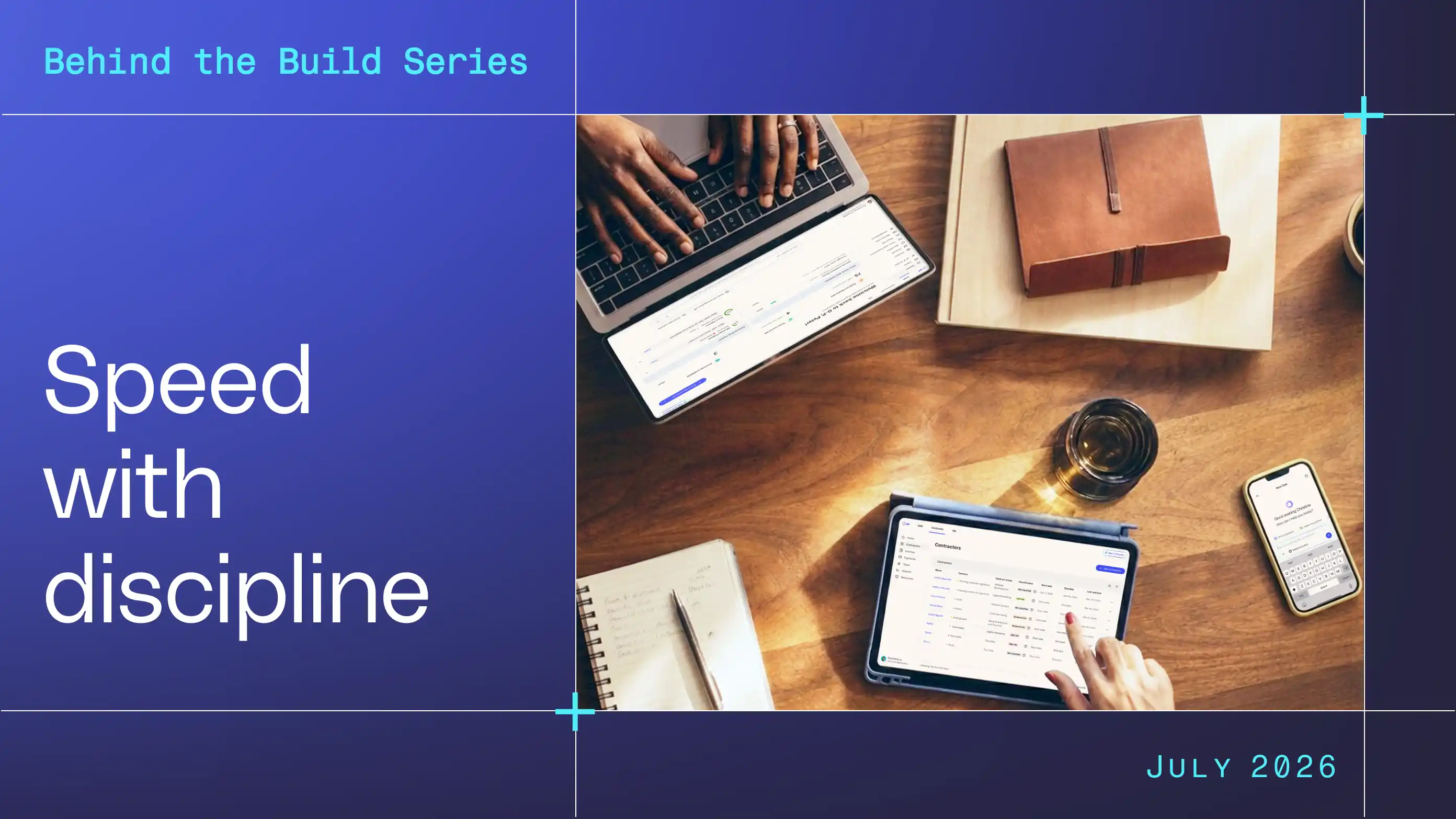
Last quarter, we launched an AI transformation sprint. The goal was to embed an AI-assisted Development Lifecycle (AI-DLC) into our engineering operations. We’ve been experimenting with components of the AI-DLC since 2024. So a transformation sprint was the perfect way to share these learnings with the broader organization and celebrate our progress.
Today, we’re proud to share that this initiative:
-
Gained engineering speed without compromising discipline
-
Minimized handoff bottlenecks
-
Scaled AI across our organization
Best of all, we achieved this while maintaining our high quality standards.
Gaining speed with uncompromising discipline
When integrating advanced AI tooling, a surge in productivity shouldn't come at the cost of software integrity. During our recent transformation sprint, we achieved remarkable metrics:
-
20% jump in resolved issues
-
30% increase in code commits and new pull requests
-
40% increase in cycle times
While some can view the latter as a slowdown, our leadership team views this metric as a badge of honor. It represents the necessary tax of learning as our teams master these advanced tools. True innovation requires creating momentum with discipline.
The goal wasn’t speed. We wanted to build trust. The builders need to trust the AI-DLC tools and we all need to trust that this process doesn’t impact quality. Throughout the entire sprint, G-P shipped zero AI-attributed production defects.
Minimizing bottlenecks and empowering builders
Our AI-DLC rewrites the traditional engineering workflow by removing handoff bottlenecks. Here are a few notable ways our workflow has transformed:
-
True cross-functional execution: We closed silos. Now, everyone can access everything. For example, our design team has successfully moved from static mockups to writing managed code. Designers can now pull and edit production code directly in Cursor and push those changes straight to GitHub. We still rely on experts, but safe experimentation drives innovation and introduces new ideas.
-
Automated safeguards: We deployed an automated design safeguard to uphold safety and compliance across our systems. This AI agent makes sure all code automatically aligns with our strict user-experience and quality standards. It protects both AI-generated and human-edited work.
-
Standards build trust: As different roles try different functions, we want to make it easy to apply standards. A single approach means we can embed standards into agent skills.
AI dramatically scales the volume of content and code we create. Because of this, code review and cognitive load have become our main bottlenecks. In response, we’ve designed our operations around plan mode with human guardrails. AI handles the tedious tasks so our developers can focus on system-wide architecture.
Quick scaling and human-in-the-loop adoption
The cultural shift toward the AI-DLC has scaled incredibly fast. Our teams are fully leaning into these new tools. Internal data reveals a large, sustained spike in AI agent requests over recent months.
Today, our internal adoption metrics speak for themselves:
-
100% of G-P’s product design team uses AI-generated code as their main output.
-
Over 30 teams are currently collaborating in shared, agent-aware workspaces.
-
Our company has built over 100 new multiplier skills to support this optimized workflow and our AI-DLC platform is evolving quickly through crowdsourced internal feedback.
What’s next
We’re actively building the future of global employment by leading with trust, scaling with integrity, and driving undeniable momentum — one sprint at a time.
We look forward to evolving our operations even further in the second half of the year as we step into a multiagent world. Stay tuned to our blog for more updates on how we continue to innovate the technology driving global work.