







Key takeaways

  • What’s a subsidiary? A subsidiary is a separate legal entity owned or controlled by a parent company. It provides liability protection and local credibility but takes more time, money, and effort to set up and maintain.

  • What’s an international branch? An international branch is an extension of the parent company. It’s faster and cheaper to launch, but it exposes the parent company to legal and tax liabilities.

  • How to choose: A subsidiary is best for long-term investment, regulated industries, hiring larger teams, or when bidding on local contracts. A branch is a good option for testing a market, supporting sales, or moving quickly with a limited scope.

  • Setup process: Set up paths are different. Branches center on registration, compliance, and staffing. Subsidiaries need entity selection, governance, tax IDs, banking, and ongoing statutory management.

  • Bypass entity setup: Use G-P EOR to hire quickly and compliantly in 180+ countries without creating a branch or subsidiary.

International expansion is a major step for any business. Choosing between an international branch vs. a subsidiary shapes how you hire, manage compliance, and protect assets. Each model has specific tax, legal, and operational implications.

Let’s break down the pros and cons of each one, so you can pick the right setup for your business. 

What is a subsidiary?

A subsidiary is a legally independent company that’s wholly or majority-owned or controlled by a parent organization. This structure lets the parent company guide strategy, governance, and resource allocation without assuming full operational risk. The subsidiary follows local laws and operates independently, making this model suitable for businesses that need long-term growth, regulatory stability, and direct control in an international market.

Characteristics of a subsidiary are:

  • Functions as a separate legal entity under host-country regulations

  • Operates with its own leadership team and business structure

  • Pays local taxes and maintains independent financial records

  • Provides a structured foundation for international operations

a subsidiary is a legally incorporated entity

Registering a subsidiary involves the formal incorporation of a company. It must follow corporate, labor, and tax regulations, including regular filing and reporting. Tax treaties between jurisdictions can reduce double taxation, so it's important to have a structured financial framework that creates transparency and supports regulatory compliance. 

Consider this structure if you’re:

  • Launching regional headquarters for sustained operations

  • Creating a manufacturing or distribution hub near key markets

  • Boosting brand trust through formal integration 

  • Supporting market-specific product strategies

Pros and cons of subsidiaries

A subsidiary can help you respond more quickly to local conditions, comply with regulations, and build stronger partnerships with stakeholders. 

Pros

Cons

Limits liability for the parent company

Involves extensive incorporation procedures

Allows strategic control over operations

Needs high upfront and ongoing costs

Signals local commitment and builds trust with partners and regulators

Can take several months to set up

Grants IP ownership and control

Comes with tax compliance responsibilities and complex reporting requirements

Supports direct local hiring

Locks you into a long-term market commitment

Creates a viable expansion platform

Needs local administrative expertise (legal, HR, tax) 

What is an international branch?

An international branch is a global extension of a parent company, operating under the parent's legal identity. It doesn't form a separate entity and functions as part of the existing organization. This structure lets you set up a local presence, do business, and manage operations globally while keeping governance centralized. It suits businesses with clear strategic direction and well-defined operational frameworks.

Characteristics of an international branch are:

  • Uses the parent company's branding and policies

  • May have a local bank account for payroll and local tax payments, even when the funds come from the parent company

  • Has direct oversight from the corporate headquarters

  • Can't enter into legal agreements without the parent company

  • Shares liability, tax obligations, and financial reporting with the parent company

The parent company is responsible for the branch's actions, debts, and obligations. Profits and losses flow directly to the parent company and appear on its financial statements. Taxation depends on local laws, which may treat international branch income as domestic earnings. This structure streamlines control but increases exposure to legal and financial risk across jurisdictions. 

parent company responsible for the branch's actions, debts, and obligations

Consider this structure if you’re:

  • Expanding sales or service operations in key international markets

  • Managing local supplier or customer relationships directly

  • Conducting market research before full entity establishment

  • Supporting subsidiaries through shared resources and expertise

  • Seeking control over intellectual property and brand consistency

Pros and cons of international branches

An international branch gives you streamlined governance and cost efficiency, but it also means you need strong legal oversight and compliance planning. 

Pros

Cons

Direct control over global operations

Opens the parent company up to unlimited local liabilities

Lower setup costs compared to subsidiaries

Needs full legal and tax compliance oversight in each country 

Simplifies branding and management structure

Limits operational flexibility and increases permanent establishment (PE) risks

Allows for faster market entry

Can complicate financial reporting and auditing

Key differences: subsidiary vs. international branch

differences in subsidiary vs international branch

With a subsidiary, your primary company gets limited liability protection, as it's a separate legal entity with its own legal responsibilities and obligations. You accept direct liability exposure with a branch because the parent company answers for the branch's actions. Local rules shape how courts, regulators, and creditors treat parent liability, but most jurisdictions hold the parent company accountable for branch obligations.

Taxation and compliance

Tax treatment depends on business structure and jurisdiction. A subsidiary files taxes as a local taxpayer, and local tax systems apply to its profits. A branch's profits are added and reported on the parent's tax filings, subject to local withholding or branch-level tax rules. Multinational tax reforms, including Pillar Two rules, impact tax rates and top-up taxes for both business structures. Companies must manage transfer pricing, VAT, and employer withholding differently for each structure and each jurisdiction.

For example, say a U.S.-based manufacturing company opens a branch in China. Under local law, the parent company assumes full liability for branch debts, contracts, and regulatory actions, because the branch doesn't have an independent legal entity status.

Operational control and flexibility

A subsidiary gives you local autonomy for hiring, contracts, and market decisions. You scale local management and adapt operations to local conditions. A branch gives you centralized control from headquarters, speeding decision cycles when you need uniform policies. Companies typically choose a branch for tight corporate governance and a subsidiary for operational agility. Professional advisors may recommend subsidiaries for complex local operations and branches for limited-scope market entries.

Brand perception and local presence

A subsidiary signals local commitment and builds trust with in-country customers, suppliers, and regulators. A branch signals direct ownership and brand continuity across borders. Local laws apply stricter reporting, licensing, and employment rules to entities that act locally, so your compliance burden can change with the structure.

For example, say a European tech firm sets up a subsidiary in South Africa rather than a branch. The subsidiary registers as a local entity, benefiting from local licensing, audit reviews, and community trust branding. This local structure helps the firm win government contracts, as regulators and customers see the entity as a domestic business rather than an international extension.

How to set up an international branch

Setting up an international branch needs strategic market evaluation, legal precision, and structured compliance management. Each stage ensures the branch aligns with corporate objectives while meeting local rules:

  • Select the right market: Evaluate economic conditions, workforce quality, and regulatory climate. Choose a country that best supports your industry and growth strategy.

  • Define scope and purpose: Specify your operational goals, such as sales support or service delivery. Then determine how the branch integrates with the parent company's structure.

  • Complete registration: File the necessary documents, including parent company registration, proof of integration, and local licenses. Register the branch with tax and business authorities before starting operations.

  • Establish local banking: Set up an account in the parent company's name for transactions, payroll, and supplier payments while maintaining corporate oversight.

  • Secure compliance: Meet labor, payroll, and data protection terms. G-P Gia™, the first-of-its-kind agentic AI solution for HR, can give you expert-vetted guidance on local labor laws in 50 countries and all 50 U.S. states.

  • Manage operations and reporting: Maintain transparent governance, local accounting, and performance tracking.

How to set up a subsidiary

Setting up a subsidiary involves forming a new legal entity under local jurisdiction. Every step needs careful consideration to ensure compliance, control, and smooth market entry:

  • Choose the right type: Choosing a branch versus a subsidiary depends on the structure that best matches your goals and local laws. When establishing a subsidiary, you also have to pick a business structure — commonly, a limited liability company or a joint-stock company. Review ownership rules, capital needs, and governance obligations.

  • Define management structure: Specify share distribution, appoint directors, and outline decision-making authority between the parent company and local entity. A clear governance plan supports accountability and compliance. Note that many jurisdictions require at least one local resident director. Identifying and vetting a qualified local representative can create major delays if you don’t have a trusted local partner in place.

  • Complete registration: File incorporation documents, articles of association, and director information with the local business registry. Secure tax identification, business licenses, and sector-specific permits.

  • Set up banking: Open bank accounts, implement accounting systems, and ensure compliance with corporate governance regulations. 

  • Manage ongoing operations: Oversee performance, financial reporting, and statutory audits.

How to choose the best option for your company

Choosing between an international branch and a subsidiary depends on:

  • Control and governance: Decide whether you want centralized oversight or localized decision-making authority.

  • Legal and tax exposure: Evaluate liability limits, corporate tax treatment, and double-taxation risks in each jurisdiction.

  • Operational complexity: Consider how many employees, contracts, or transactions you expect to manage locally. 

  • Cost and setup timeline: Compare registration fees, licensing needs, and time to operational readiness.

  • Market permanence: Choose a branch for short-term pilot operations and a subsidiary for long-term market presence.

  • Regulatory environment: Assess local compliance demands, labor laws, and ownership restrictions.

  • Strategic flexibility: Identify whether future restructuring, local investment, or partnerships need an independent legal entity.

For example, in Brazil, strict labor laws and complex tax systems may make a subsidiary the preferred structure. In the United Arab Emirates (UAE), international branches are common for professional services and financial firms. The UAE's free zones allow 100% international ownership and simplified registration, making branch setups suitable for centralized governance and faster market entry. 

Partner with G-P and hire anywhere, without entity setup

Your structure selection determines your business's long-term success. If you want to hire quickly without the stress of compliance, an employer of record (EOR) is the solution. 

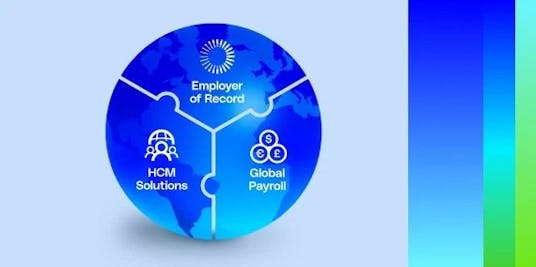
With G-P EOR, you can onboard team members faster and enter new markets without setting up a branch or subsidiary. As the recognized leader in global employment, G-P gives you the technology, expertise, and infrastructure you need to hire compliantly anywhere in the world. 

Book a demo today.