






Key takeaways
- Global expansion: Give your company access to diverse talent pools, new revenue opportunities, an enhanced competitive edge, and increased operational efficiency.
- Partnering with an EOR: Gain more reach and speed, flexible talent deployment, enhanced security and compliance, access to expert guidance, low-risk market validation, and agentic AI and system integration.
- C-Suite alignment: The four pillars are risk management and compliance, speed to market, talent acquisition and retention, and financial predictability.
Imagine your company is at the top of its domestic game, but its growth is plateauing. As the CEO, you have identified global markets ripe with potential, but you are daunted by the thought of navigating new regulations, setting up entities, and hiring talent in unfamiliar territories.
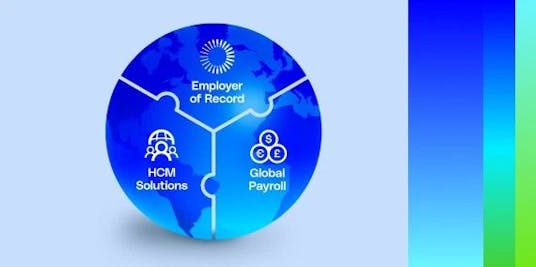
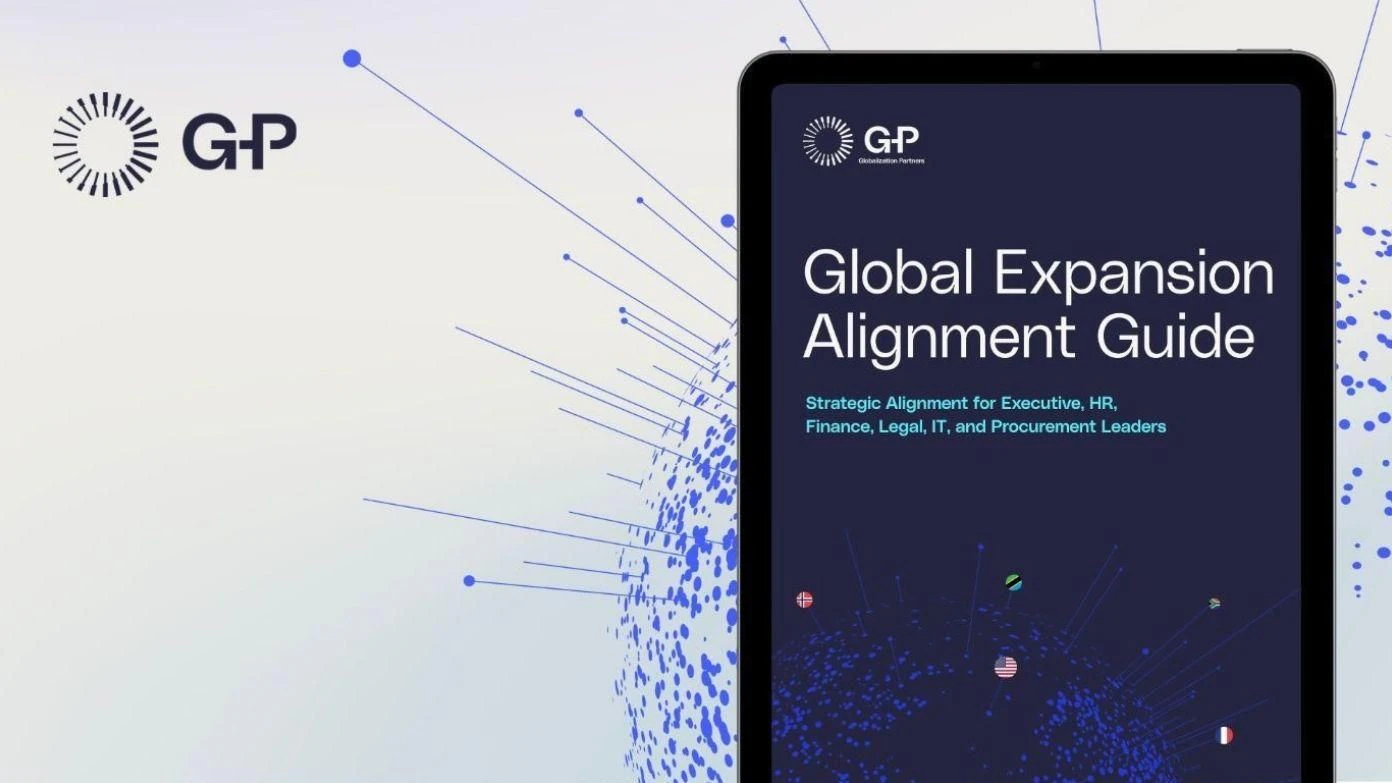
Partnering with an Employer of Record (EOR) like G-P can help you navigate these risks, enabling smoother, faster, and compliant entry into new markets. In fact, our Global Expansion Alignment Guide shows you how to expand confidently and efficiently while aligning the entire C-suite along the way.
But first, here are some key global expansion planning points to get you started.
The strategic importance of global expansion
Today’s CEOs are increasingly prioritizing growth. According to the G-P Global Growth Report, 66% of leaders consider building global teams to be a key component of their business strategy. Expanding globally offers several strategic benefits, such as:
- Access to diverse talent pools: Hiring globally allows you to tap into diverse skills and perspectives, driving innovation and creativity.
- Revenue opportunities: By establishing a presence in global markets, your company can diversify its revenue streams and reduce dependency on a single market.
- Enhanced competitive edge: Being a global player can improve your employer brand and market presence, making you more competitive.
- Increased operational efficiency: Global expansion can improve operations by providing access to more affordable labor markets, reduced manufacturing and distribution costs, and optimized supply chains.
Leaders who adopt a global mindset are more likely to remain agile, make informed decisions, and maintain organizational resilience. This adaptability impacts every part of your company, including product development, marketing strategies, and customer service approaches, making your services more relevant and appealing to diverse customers.
Benefits of partnering with an EOR when expanding globally
It’s clear that many leaders want to expand their business, yet 1 in 3 executives don’t know how to identify the right markets for their specific needs. EORs can address many of the common challenges of global expansion, providing a strategic advantage in your expansion efforts:
- More reach and speed: EORs make it easy to enter new markets without setting up legal entities, saving you time and resources.
- Flexible talent deployment: By having EORs handle the legal details, your company can expand into new territories with peace of mind.
- Enhanced security and compliance: You must ensure that your company complies with all relevant data protection regulations. An EOR can help adjust and align your policies as needed.
- Access to expert guidance: EORs offer valuable insights into local markets, helping you make informed decisions about market entry, expansion strategies, and talent management.
- Low-risk market validation: G-P allows you to test commercial demand with flexible 30- to 60-day exit terms rather than statutory liquidation processes that can take substantially longer.
- Agentic AI and system integration: With G-P’s Global Employment Platform, you can hire and pay employees in more than 180 countries with direct integrations with enterprise systems such as Workday, SAP, and ADP.
C-suite alignment: Answering the needs of your leadership team
Expanding globally requires alignment across the C-suite. Each executive team member offers unique perspectives, concerns, and priorities that should be addressed to ensure a cohesive, strategic approach to expansion. EOR solutions can help CFOs’ financial goals, CHROs’ talent needs, CTOs’ security objectives, COOs’ operational processes, CLOs’ legal requirements, and CEOs’ expansion targets.
To gain their support and commitment, you must recognize the challenges and opportunities from each executive’s perspective.
4 critical pillars for successful global expansion
1. Risk mitigation and compliance
When you partner with an EOR, it serves as the employer of record in each country in which you operate. This means that it manages compliance with local labor laws, termination notice periods, payroll rules, and mandatory benefits.
G-P EOR incorporates the Global Compliance Engine (GCE) to eliminate worker misclassification risks. When independent contractors function as full-time team members, your business faces severe tax penalties and legal exposure. GCE embeds 10,000+ digitized labor laws across 180+ countries to enforce compliant worker classification automatically.
G-P EOR also structures roles safely to prevent permanent establishment. Your company faces corporate tax exposure in new markets when international team members negotiate commercial contracts, close sales deals, or exercise regional managerial authority. Structured role governance and in-country legal expertise remove these tax liabilities.
2. Speed to market
Instead of waiting months to establish a local entity, deploy sales professionals in days with G-P EOR to test viability. This strategy validates market demand before you commit capital to a permanent corporate structure. This allows you to ensure the market can support your goals before you commit capital to a local corporate structure.
Similarly, offboarding is much faster when a market expansion fails. Your EOR can manage the offboarding process legally without having to wind down a complex foreign legal entity.
3. Talent acquisition and retention
When you recruit top global talent, they will expect you to provide equity. Choose an EOR that can legally administer stock options, such as incentive stock options or RSUs. Providing equity can help you retain top talent. An EOR may also give you access to enterprise-grade local health insurance and pension plans so that you can offer competitive benefits.
4. Financial predictability
EORs offer financial predictability. Most either charge a flat fee per employee per month, which is what we recommend, or a percentage of each employee’s salary. This allows you to understand exactly how much you’ll pay so you can plan accordingly.
You’ll also fund payroll in your home currency. The EOR will then pay your workers in local currency to simplify accounting for your company.
Global expansion made easy with G-P
Global expansion is both complex and rewarding. It comes with challenges that require careful planning, strategic execution, and the right partnerships. By working with an EOR partner like G-P, you can mitigate these risks and confidently capitalize on new opportunities.
G-P EOR helps businesses hire, onboard, and manage global teams in 180+ countries.
Download the Global Expansion Alignment Guide for more insights on how to build alignment across C-level roles before embarking on your global growth journey.
For more information on hiring and managing global teams quickly and compliantly, contact us today or book a demo.

FAQs
What does an employer of record do when expanding into new markets?
An EOR allows you to test market viability before deciding whether to establish a permanent presence. It serves as the legal employer of professionals engaged through the EOR and can help support compliance with applicable local labor, benefits, and payroll requirements.
How does using an EOR prevent permanent establishment risks?
Working with an EOR can enable your company to hire in another country without establishing a local employing entity. The EOR serves as the legal employer of professionals engaged through the EOR and can help support compliance with local employment requirements. Separate tax and permanent establishment considerations may still apply.
When should a company switch from an EOR to an owned legal entity?
You should switch to an owned legal entity when your headcount exceeds a threshold at which you’re paying more than what you would to run a local company yourself or when you move from a market-testing phase to a permanent commitment.
Can an EOR partner also help manage international contractors?
Yes, an EOR partner can help you manage international contractors and help prevent misclassification risk.
