




נקודות מפתח
-
בינה מלאכותית במשאבי אנוש יכולה להעצים את צוותיך: G-P's agentic בינה מלאכותית תומכת בתהליכי עבודה משאבי אנוש רב-שלבים, כולל גיוס חוצה גבולות, יצירת חוזים מותאמים אישית ובינלאומיים, ניתוחים ספציפיים למדינה, ניטור תאימות מתמשך, קליטת עובדים אוטומטית בקנה מידה וניהול מחזור חיים יומיומי. זה מקצר את זמן המחקר כדי שהצוות שלך יוכל להתמקד באסטרטגיה, תרבות ואנשים.
-
תנו עדיפות לשיקול דעת אנושי: הפכו משימות לאוטומטיות, לא החלטות. פיקוח אנושי חשוב כאשר מעריכים כיצד ליישם בינה מלאכותית באחריות במשאבי אנוש, במיוחד בבחירות המשפיעות על תעסוקה, שכר או מעמד משפטי.
-
תאימות גלובלית זקוקה לנתונים מאומתים: כלים כלליים בינה מלאכותית מסתכנים תאימות שגיאות. השתמש בכלים קנייניים ומומחים כמו G-P Gia™ כדי להבטיח תאימות.
לתובנות נוספות, צפו בוובינר " בינה מלאכותית, משאבי אנוש אסטרטגיה, וכוח עבודה גלובלי המתפתח"
אם אתם אנשי מקצוע בתחום משאבי אנוש או מנהיגים עסקיים המנהלים כוח אדם גלובלי, אתם יודעים שמעקב אחר תאימות הוא עבודה במשרה מלאה. כיום, השיחה אינה עוסקת רק במציאת דרכים לבדוק את כל הקריטריונים המשפטיים; מדובר בקבלת החלטות טכנולוגיות חכמות.
הבנת השימוש בבינה מלאכותית במשאבי אנוש משנה את התעשייה בכך שהיא הופכת משימות יומיומיות לקלות ומהירות. פישוט ומהירות מסייעים לצוותי משאבי אנוש להסתגל במהירות לסביבות ותקנות משתנות. אבל אל תדאגו לגבי להיות המאמץ המהיר ביותר - המטרה היא פשוט לעמוד בקצב.
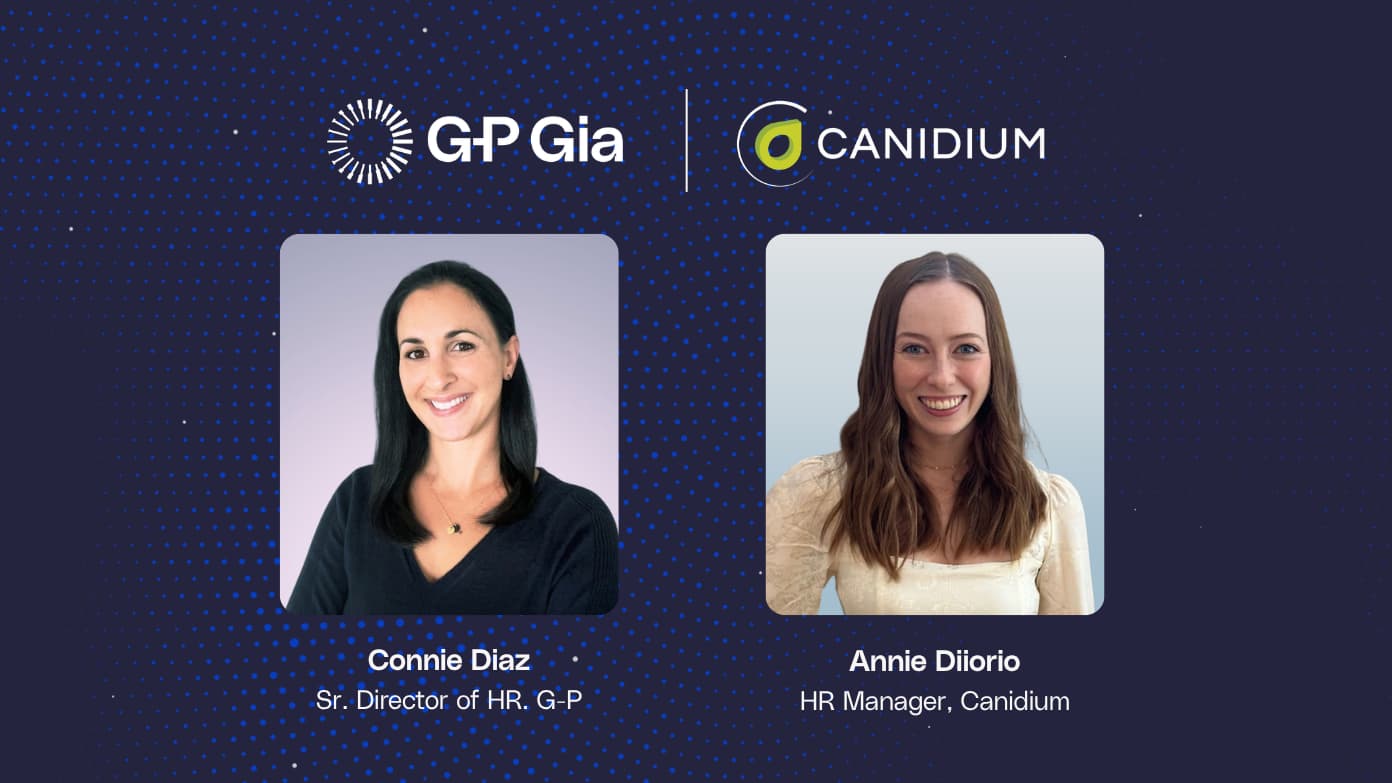
קוני דיאז, מנהלת בכירה למשאבי אנוש ב-G-P, ואנני דיוריו, מנהלת משאבי אנוש בקנדיום, הן מומחיות בהחדרת בינה מלאכותית לכוח עבודה בתנועה. הם בילו מספר שנים בהעברת הצוותים שלהם מעבר ל"פחד מבינה מלאכותית" כדי ליישם כלים שמצמצמים משימות ומחזירים את החשיבות האנושית למשאבי אנוש. מניסיון זה, הם פיצחו את הקוד לשילוב בינה מלאכותית.
איך כלי בינה מלאכותית מסייעים לצוותי משאבי אנוש
כלי בינה מלאכותית פועלים כמכפיל כוח לצוותי משאבי אנוש בכך שהם מטפלים במשימות אדמיניסטרטיביות כבדות. על ידי לקיחת אחריות בנפח גבוה כמו סינון ראשוני, מיון נתונים ידני ושאלות מדיניות שגרתיות, בינה מלאכותית מזרזת את הפעילות היומיומית. זה מפחית את עומס העבודה החוזר על עצמו שיכול להכביד על צוותים הגדלים.
לדוגמה, Gia יכול ליצור במהירות חוזה העסקה ביפן שמשקף שיקולים חשובים של דיני עבודה מקומית לסקירת משאבי אנוש. בחוקי העבודה ביפן (כמו חוק תקני העבודה), חוזים חייבים לציין במפורש פרטים כמו שעות עבודה, כללי שעות נוספות וכללי פיטורין בפורמט מסוים. אם תשתמש במכתב הצעה כללי בסגנון אמריקאי, חלק מהסעיפים עלולים להיות לא יעילים או קשים לאכיפה תחת יפנית דיני עבודה.
בלי בינה מלאכותית כמו Gia, מנהל משאבי אנוש שיושב בניו יורק או לונדון היה צריך:
-
הקדישו שעות לחקר חוקי עבודה יפניים
-
לשלם ייעוץ משפטי חיצוני יקר
-
המתינו ימים עד ששותף עסקי מקומי ינסח את המסמך.
במקום זאת, מכיוון שבינה מלאכותית כלים כמו Gia יכולים לבצע משימות רב-יומיות ויקרות הרבה יותר מהר, לצוותי משאבי אנוש יש יותר זמן להתמקד בעבודה שדורשת שיקול דעת אנושי.
יתרונות בינה מלאכותית במשאבי אנוש
היתרונות של בינה מלאכותית במשאבי אנוש טמונים בסיוע לצוותים לעבוד בצורה יעילה, אסטרטגית ובטוחה יותר. זה נכון במיוחד כאשר מנהלים קבלנים, עובדים ותאימות מעבר לגבולות.
הנה איך זה נראה בפועל. נניח שהצוות שלך צריך להעביר מנהל בכיר מארה"ב לבריטניה. מסורתית, זה היה דורש ימים של מחקר דיני העבודה המקומיים או תשלום יקר לייעוץ חיצוני. שימוש בבינה מלאכותית במשאבי אנוש משנה את התהליך:
-
משאבי אנוש ותאימות זרימות עבודה מהירות: מנוע תאימות הגלובלי שלG-Pיוצר הסכם העסקה מקומי בבריטניה הכולל תקופות הודעה מינימליות, הטבות וזכויות בתשלום שנתית.
-
תמיכה גלובלית עקבית יותר: G-P Assist מעניקה לעובדים שהועברו תשובות מיידיות בנוגע להטבות מקומיות, חופשה וקליטת עובדים, תוך שליחת מקרים מורכבים אוטומטית למומחים אנושיים במדינה.
-
החלטות פרואקטיביות ומודעות להקשר: Gia יכולה לסמן התחייבויות רישום אוטומטי לפנסיה בבריטניה ולשיקולי מס או שכר שמשאבי אנוש יכולים לטפל בהם לפני סיום ההעברה.
-
פחות פערים מנהליים: G-P's agentic בינה מלאכותית פלטפורמת שירותי העסקה גלובלית עושה שימוש בתהליכי עבודה רב-שלביים וחוצי גבולות כדי להפחית לולאות מחקר ידניות ושגיאות נתונים.
תתחיל כאן: "רצף האימוץ" של "בינה מלאכותית אימוץ"
עבור צוות ניהול רבים, ללמוד כיצד להשתמש בינה מלאכותית באחריות במשאבי אנוש הוא מכריע. אנני מציינת כי אימוץ עובר על רצף: "זה מתחיל באדישות, ואז עובר לפחד, ואז למבוכה, ביטחון ושינוי."
הטריק כדי להימנע מליפול מאחור הוא פשוט: פשוט נסו את הכלים - בכל דרך שמתאימה לכם ולצוות שלכם. ברגע שמתחילים, מבינים כמה זה קל, וזה מהר מאוד בונה ביטחון עצמי.
"אני חושב שאנשים חוששים שבינה מלאכותית תיקח להם את העבודה, ומה שצריך לדאוג לנו יותר זה שמישהו שיודע להשתמש בבינה מלאכותית ייקח את התפקיד." — אנני דיוריו, מנהלת משאבי אנוש, Canidium.
שלב 1: מציאת בזבוז זמן במשאבי אנוש
בינה מלאכותית יכולה להשתלב בכל היבט של משאבי אנוש. הוא פועל כ"עמית" כדי להקל על התפעול, להתאים אישית את חוויות העובדים ולגלות תובנות חדשות. בינה מלאכותית לא מחליפה את אנשי משאבי אנוש – היא מגבירה את היכולות שלהם, מאוטמטת משימות בנפח גבוה, ומשחררת אותם להתמקד באסטרטגיה, תרבות ואינטראקציה אנושית אמיתית.
| פונקציית משאבי אנוש | איך להשתמש בבינה מלאכותית במשאבי אנוש |
|---|---|
| גיוס וגיוס גלובליים | מקל על ניהול משפך הכישרונות: הוא מסנן קורות חיים, יוצר תיאורי תפקידים ושאלות ראיון, ומאפשר אוטומציה של תהליך קביעת הזמנים. למחלקה קטנה, אני אומרת שבינה מלאכותית, "יכולה להיות כמו עמית לעבודה ולוח שמע להעביר את העניינים." |
| קליטת עובדים גלובלית | מנחה עובדים חדשים: זה יכול להדריך עובדים חדשים דרך עבודת הניירת, לתאם הדרכות ולענות על שאלות נפוצות באמצעות צ'אטבוטים. לדוגמה, אנני העלתה את כל משאבי ההרשמה הפתוחה לכלי ושיתפה אותו עם העובדים, מה שאפשר להם לשאול שאלות ספציפיות לארה"ב כמו, "אילו תוכניות כוללות HSA (חשבון חיסכון בריאותי)?" חיסכון משמעותי בזמן עבור אנני והצוות שלה. |
| למידה ופיתוח (L&D) | משנה את למידה ופיתוח מלמידה אחת שמתאימה לכולם ללמידה מותאמת אישית: היא מדגישה את צרכי הלמידה האישיים וממליצה על קורסים רלוונטיים. |
| ניהול ביצועים | מביא אובייקטיביות מבוססת נתונים לשולחן: הוא מנתח נתונים כדי ליצור דוחות מקיפים לסקירות, ויכול אפילו לעזור לעובדים ליצור ביקורות עצמיות מושכלות. |
| ניתוח נתונים ותובנות | לועס על מערכי נתונים עצומים: היא יכולה לזהות מגמות בביצועים, פיצוי ומחזור שהיו בלתי נראות אחרת. |
| תמיכה בעובדים | מציע תמיכה 24/7 לעובדים: צ'אטבוטים מבוססי בינה מלאכותית הם כיום כלים מובילים שעונים מיד על שאלות נפוצות של עובדים בנוגע לשכר, הטבות או מדיניות. זה משחרר את צוות משאבי אנוש להתמקד באסטרטגיות בעלות השפעה רבה יותר. |
שלב 2: נקיטת גישה של "האדם בתוך הלולאה"
כדי להשתמש בבינה מלאכותית במשאבי אנוש, קודם כל צריך לזהות את המגבלות שלה. הדרך להתמודד עם סיכונים - כמו הטיה, פרטיות או "הזיות" - היא באמצעות פיקוח אנושי.
קוני שיתפה דוגמה אמיתית לשימוש בינה מלאכותית במשאבי אנוש כדי לחשב שכירה פוטנציאלית ציוני שביעות רצון:
"הורדתי את הנתונים הגולמיים מ-Workday והכנסתי אותם לתוך Gemini. זה אמר 38%. הייתי כזה, לא. זה לא הגיוני. היית צריך שהבן אדם הזה באמת ידע את ההקשר כדי להיות מסוגל לומר שזה לא נשמע בדיוק נכון."
מעבר לדיוק, בינה מלאכותית לא יכולה להחליף חיבור. אנני שיתפה סיפור על קרובת משפחה צעירה יותר שהחלה להשתמש בבינה מלאכותית גנרטיבית כ"חברה", רק כדי להבין את מגבלותיה כשהיא לא הצליחה לזכור את האינטראקציות ביניהם.
"שום דבר לא מחליף קשר אנושי. "בינה מלאכותית היא ראשי תיבות של בינה מלאכותית", אמרה אנני דיוריו, מנהלת משאבי אנוש ושותפה עסקית בכירה בקנדיום. "אין לזה רגשות. זה לא אכפת לך."
היום, בינה מלאכותית במשאבי אנוש היא כלי שמשחרר זמן לבניית קשר אמיתי, ולא תחליף לכך.
פעילויות משאבי אנוש נפוצות שלא צריכות להיות אוטומטיות לחלוטין
הבנה כיצד ליישם בינה מלאכותית באחריות במשאבי אנוש פירושה לדעת היכן להציב את הגבול. בסקר עדכני של SHRM, שלושה מכל חמישה עובדים (59%) הביעו חששות לסודיות לגבי דיון בנושאים דרך מערכת טכנולוגיית משאבי אנוש במקום עם נציג משאבי אנוש.
נתוני SHRM הדגישו גם תחומים מרכזיים שלדעת המשיבים לסקר לעולם לא צריכים להיות אוטומטיים. אלה כללו שימוש בבינה מלאכותית להמלצת משמעת או החלטות פיטורים (50%) ומעקב אוטומטי אחרי מצב רוח או בריאות נפשית של עובד (49%). תחום נוסף שלא היה ניתן להתערב בו היה הערכת ביצועים.
ככלל, אין להשתמש בבינה מלאכותית כאשר התוצאה תשפיע על עבודתו, שכרו, גישה לעבודה או זכויותיו החוקיות של העובד. לדוגמה, ביולי 2026, עשרות עובדי Meta תבעו את חברה, בטענה שכלי בינה מלאכותית כיוונו אליהם לפיטורים לאחר שביקשו חופשה או התאמות נכות.
הנה כמה פעילויות משאבי אנוש נפוצות שכדאי להימנע מהן באוטומציה שלהן:
-
החלטות סופיות לגבי גיוס או דחייה: סינון באמצעות בינה מלאכותית עלול ליצור אפליה או סיכוני נגישות.
-
החלטות סופיות בנוגע לקידום, שכר, בונוס או קפיצת מדרגה בתפקיד: אלה דורשות הקשר, בחינת שוויון והיגיון עסקי מוצדק.
-
דירוגי ביצועים סופיים ופעולות משמעתיות: בינה מלאכותית עלולה לפספס הקשר כמו שינויים בעומס העבודה, חופשה מוגנת, התאמות נכות, הטיית מנהלים או דינמיקה צוותית.
-
פיטורין, פיטורים או בחירת פיטורים: החלטות בסיכון גבוה צריכות תמיד לכלול סקירה אנושית, משפטית ומשאבי אנוש.
-
חקירות יחסי עובדים: בינה מלאכותית יכולה לסכם הערות, אך הערכות אמינות, ממצאים ופעולות מתקנות דורשות שיקול דעת אנושי.
-
תלונות על הטרדה, אפליה או תגמול: אלה כוללות זכויות משפטיות, סודיות וגילוי עובדות מפורט.
-
זכאות לחופשה סופית או החלטות חזרה לעבודה: בינה מלאכותית יכולה לתמוך בקליטה, אבל משאבי אנוש צריכים לבדוק גורמים רפואיים, חוקיים ומדיניות.
-
תיקוני שכר/שמירת שעות המשפיעים על השכר: מערכות אוטומטיות יכולות לסייע בזיהוי פערים, אך המעסיקים נותרים אחראים לרישומי שכר, שעות נוספות ושעות עבודה מדויקים.
-
ניטור עובדים או דירוג פרודוקטיביות: ניטור מונע בינה מלאכותית יכול להעלות פרטיות, שעות שכר, זכויות עובדים וסיכוני אפליה.
ההבדל בין G-P ומדוע משאבי אנוש עולמיים זקוקים לבינה מלאכותית מאומתת
הסיכון גבוה עבור משאבי אנוש צוות ניהול עובדים ברחבי העולם. בינה מלאכותית "הזיה" היא לא רק טעות – זו תאימות סיכון. כלים כלליים בינה מלאכותית שואבים ישירות מהאינטרנט, שמלא במידע סותר, מיושן ושגוי.
כאן בינה מלאכותית שנבדקה על ידי מומחים הופכת לחשובה יותר ויותר. "אני כבר לא מחפשת בגוגל דברים על דיני עבודה בינלאומיים כי יש כל כך הרבה שם בחוץ, ואני לא יודעת על מה לסמוך," מסבירה אנני. "אז זה ממש מועיל פשוט להשתמש G-P Gia™ כמקור בינה מלאכותית לשאלות בינלאומיות."
וזו הסיבה ש-G-P בנתה את ג'יה. בניגוד לבינה מלאכותית למטרות כלליות, Gia בנויה על בסיס ידע קנייני כדי לספק לכם הדרכה בנושא דיני עבודה שתוכלו לסמוך עליה. הוא מציע תשובות מאומתות ומצטט את מקורותיו, מה שמעניק למנהלי משאבי אנוש את הביטחון הדרוש להם כדי לקבל החלטות בעלות סיכון גבוה.
אבל מהו אימות בלי מהירות תואמת? עם Gia, אין צורך לחכות לתשובות. הסוכנות שלנו בינה מלאכותית נועדה לחסוך לאנשי מקצוע שעות עבודה. הכוח האמיתי של אוגנטיק מאומת בינה מלאכותית במשאבי אנוש הוא להפוך מחקר תאימות בעל סיכון גבוה למשימה של שתי דקות.
שלב 3: "נסה את זה, אבל קרא את זה"
צוות ניהול משאבי אנוש המתקדמים לעבר מקום עבודה המופעל על ידי בינה מלאכותית צריכים להיות בעלי מטרה אחת: להשתמש בשיקול דעת בכל הנוגע לתפוקה.
בינה מלאכותית כלים קלים לבנייה ולשימוש, ועוזרים לך לעבור במהירות מ"פחד" ל"ביטחון עצמי". האסטרטגיה המנצחת לאימוץ ואינטגרציה? פשוט צלול פנימה. "כל מי שלא ניסה בינה מלאכותית – פשוט תנסה, ותראה כמה זה יכול לעזור לך," אומרת אנה.
התהליך פשוט, אבל אני גם מזהירה את חשיבות המגע האנושי לכל משתמש בינה מלאכותית. לדוגמה, רבים ממחפשי העבודה משתמשים בבינה מלאכותית כדי להתאים קורות חיים לתיאורי המשרה. למרות שזו פרקטיקה מקובלת, המועמדים לא תמיד בודקים את התוצאה ומשאירים הנחיות בינה מלאכותית כמו "[הכנס את הכישורים שלך כאן]" במסמך הסופי.
"אני חושבת שבינה מלאכותית היא כלי מועיל מאוד," מסבירה אנני. "אבל אם מועמדים לא יעשו הגהה, זה פשוט זורק את זה מהחלון מבחינתי כי זה מראה על חוסר תשומת לב לפרטים." העתיד של בינה מלאכותית במשאבי אנוש דורש שיקול דעת אנושי, מודעות קונטקסטואלית ותאימות מומחיות. בינה מלאכותית היא הכלי שעוזר לאנשי משאבי אנוש לקיים את ההבטחה הזו.
מה המשמעות של בינה מלאכותית סוכנתית במשאבי אנוש בפועל
במקום לסכם רק מדיניות, בינה מלאכותית סוכנת במשאבי אנוש יכולה לסייע באימות נתוני עובדים, להציג מדיניות ותקנות פוטנציאליות רלוונטיות, לנסח תגובות, לנתב פריטים לאישור ולעקוב אחר משימות מעקב.
לדוגמה, אם עובד מבקש חופשת עבודה, בינה מלאכותית סוכנתית במשאבי אנוש יכולה לעזור:
-
לאסוף את הבקשה הראשונית
-
זהה אילו מדיניות וכללים מקומיים של החברה עשויים לחול
-
סמן מידע חסר
-
ניסוח תגובת עובד
-
צור רשימת בדיקה למנהלים
-
הפנה את התיק למשאבי אנוש לבדיקה.
בינה מלאכותית יכולה לעזור לארגן את תהליך העבודה, אבל משאבי אנוש עדיין צריכים לקבל את ההחלטה הסופית.
ראו את Gia™ בפעולה
למד כיצד הבינה המלאכותית הסוכנתית שלנו לתאימות גלובלית נותנת לך תשובות מאומתות לשאלות משאבי האנוש הקשות ביותר שלך במדינות 50 ובכל מדינות 50 ארה"ב.
שאלות נפוצות
איך אפשר להשתמש בבינה מלאכותית במשאבי אנוש?
בינה מלאכותית יכולה לאוטומט משימות אדמיניסטרטיביות בנפח גבוה כמו סינון קורות חיים, יצירת תיאורי משרה, ניסוח חוזים ומענה לשאלות שגרתיות של עובדים בנוגע למדיניות, הטבות ושכר.
אילו משימות משאבי אנוש לא צריכות להיות מאוטומטות באמצעות בינה מלאכותית?
בינה מלאכותית לא צריכה לקבל החלטות סופיות שמשפיעות על עבודתו, שכרו, זכויותיו החוקיות או רווחתו של העובד. פעילויות הדורשות נוכחות אנושית כוללות:
החלטות סופיות על גיוס, קידום או פיטורין/פיטורין
דירוגי ביצועים ופעולות משמעת
חקירות יחסי עובדים ותלונות על הטרדה/אפליה
זכאות סופית לחופשה ואישורים לחזרה לעבודה
מדוע הציבור הרחב בינה מלאכותית כלים מסוכנים לתאימות?
כלי בינה מלאכותית ציבוריים עלולים להשתמש בנתוני אינטרנט מיושנים או לא מדויקים, מה שעלול לגרום להזיות שעלולות לגרום לעונשים משפטיים במשאבי אנוש עולמיים. שימוש בכלים מאומתים כמו Gia מסתמך על מאגרי מידע מאומתים ומקורות מצוטטים.
מהי בינה מלאכותית סוכנתית במשאבי אנוש?
בינה מלאכותית סוכנתית במשאבי אנוש יכולה לבצע תהליכי עבודה מרובי שלבים. הוא יכול לאסוף נתוני בקשות חופשה, לזהות תקנות חוקיות מקומיות, לסמן מידע חסר, לנסח תגובות מותאמות אישית ולהפנות משימות למשאבי אנוש לאישור סופי.
איך משאבי אנוש צוות ניהול יכול לעודד בינה מלאכותית אימוץ?
מנהיגים יכולים להציג בינה מלאכותית במשאבי אנוש ככלי שמפחית משימות מנהליות חוזרות ולא כתחליף לקשר אנושי. הגישה הטובה ביותר היא לעודד צוותים להתחיל בקטן. השתמש בבינה מלאכותית לניסוח מסמכים ראשוניים או למחקר שפת מדיניות.