





Het oprichten van een dochteronderneming in Spanje vereist meer dan alleen het indienen van papieren. . Het proces is complex en kan 6duren –8 weken of langer, afhankelijk van compliance en wettelijke verplichtingen. Deze tijdlijn kan markttoegang vertragen en potentiële werknemers ertoe brengen andere kansen te overwegen.
G-P biedt echter een alternatief. In plaats van de conventionele dochterroute in Spanje te nemen, kunnen wij uw toegang versnellen — er zijn geen nieuwe entiteiten nodig — zodat u binnen enkele minuten in plaats van maanden kunt beginnen met werken.
Hoe een dochteronderneming in Spanje op te richten
Het oprichten van een dochteronderneming in Spanje begint met het kiezen van de juiste vorm van entiteit. Hoewel alternatieven zoals vestigingen of vertegenwoordigerkantoren bestaan, bieden ze niet dezelfde aansprakelijkheidsbescherming als een dochteronderneming. Voor de meeste internationale bedrijven komt de keuze neer op twee soorten ondernemingen:
- Sociedad de Responsabilidad Limitada (SL): Net als bij een besloten vennootschap met beperkte aansprakelijkheid is dit de meest voorkomende structuur voor Internationale bedrijven vanwege de flexibiliteit en lagere kapitaalvereisten.
- Sociedad Anónima (SA): Deze structuur is vergelijkbaar met een naamloze vennootschap, maar is rigider, kent hogere kapitaalvereisten en wordt over het algemeen gebruikt voor grotere ondernemingen die een beursnotering ambiëren.
Stappen om een dochteronderneming in Spanje op te richten
Het proces van het opzetten van een S.L. in Spanje volgt doorgaans de volgende stappen:
- NIE aanvragen voor internationale bestuurders: Alle niet-Spaanse bestuurders en aandeelhouders moeten een identificatienummer voor buitenlanders (Número de Identificación de Extranjero, of NIE) aanvragen bij de Spaanse autoriteiten.
- Certificeer de bedrijfsnaam: Vraag een verklaring van naamsvrijgave (Certificación Negativa de Denominación Sociaal) aan bij het Centraal Handelsregister om te garanderen dat uw voorgestelde naam uniek is.
- Een bankrekening openen: Na het openen van de zakelijke bankrekening moet u het aandelenkapitaal storten.
- Conceptreglementen: Stel de statuten van het bedrijf (Estatutos sociales) op, waarin de regels van bestuur, bedrijfsactiviteiten en de structuur van de aandeelhouders worden beschreven.
- De oprichtingsakte ondertekenen: De oprichters of hun wettelijke vertegenwoordigers moeten de officiële oprichtingsakte ondertekenen in aanwezigheid van een Spaanse notaris.
- Een voorlopig fiscaal identificatienummer (NIF) aanvragen: Vraag een voorlopig fiscaal identificatienummer (Número de Identificación Fiscal, of NIF) aan bij de Spaanse belastingdienst (Agencia tributaria).
- Inschrijven bij het Handelsregister: Dien de oprichtingsakte in bij het provinciale Handelsregister (Registro Mercantil) om het bedrijf officieel te registreren.
- Registraties afronden: Zodra u geregistreerd bent, dient u het definitieve NIF-nummer aan te vragen en u te registreren voor de sociale zekerheid en andere noodzakelijke zakelijke en fiscale activiteiten.
Spaanse subsidiaire wetten en vereisten
Bij het oprichten van een S.L. in Spanje moet u aan verschillende wetten en vereisten voldoen, zoals:
- Aandelenkapitaal: Volgens de wet “Crea y crece” (Wet 18/2022) bedraagt het minimaal vereiste aandelenkapitaal voor een SL EUR 1. Als het kapitaal echter lager is dan EUR 3,000, moet de onderneming jaarlijks 20% van haar winst reserveren voor een wettelijke reserve totdat het gecombineerde totaal van de reserve en het aandelenkapitaal EUR 3,000 bereikt.
- Managementstructuur: Een SL hoeft geen raad van bestuur te hebben. Het management kan worden gestructureerd met één beheerder, gezamenlijke beheerders of een raad van 3–12 directeuren. Alle beheerders moeten een Spaans NIE-nummer hebben.
- Aandelenoverdracht: De aandelen van een SL zijn niet overdraagbaar en zijn onderworpen aan beperkingen zoals vastgelegd in de statuten van de vennootschap en de Spaanse wetgeving. Een SL kan geen obligaties uitgeven.
- Boekhouding en controle: Alle bedrijven moeten jaarlijkse jaarrekeningen opstellen en deze indienen bij het Handelsregister. Audits zijn verplicht voor bedrijven die aan bepaalde omvangsdrempels voldoen.
Voordelen van Spaanse dochterondernemingen:
- Toegang tot de lokale markt: Het oprichten van een dochteronderneming in Spanje biedt directe toegang tot de Spaanse en bredere EU-markten, wat de bedrijfsgroei en klantnabijheid bevordert.
- Beperkte aansprakelijkheid: De aansprakelijkheid van het moederbedrijf is doorgaans beperkt tot de investering in de dochteronderneming, waardoor het financiële risico wordt verlaagd.
- Juridische status: Een dochteronderneming is een aparte rechtspersoon die zelfstandig contracten kan aangaan, bezittingen kan bezitten en werknemers in dienst kan nemen.
- Mogelijke fiscale voordelen: dochterondernemingen kunnen profiteren van lokale fiscale stimuleringsmaatregelen, dubbelbelastingverdragen en EU-richtlijnen.
- Verbeterde geloofwaardigheid: Door als lokaal bedrijf te opereren, kan de reputatie en het vertrouwen bij Spaanse klanten, partners en autoriteiten worden versterkt.
Nadelen van Spaanse dochterondernemingen:
- Complexe opzet en compliance: Het oprichten en onderhouden van een dochteronderneming brengt aanzienlijk administratief werk met zich mee, waaronder registratie, lokaal bestuur en voortdurende compliance van de Spaanse vennootschapsbelasting en arbeidswetgeving.
- Hogere kosten: Er zijn kosten verbonden aan de oprichting van een bedrijf, juridisch advies, boekhouding en de lopende bedrijfsvoering.
- Regelgeving: Spaanse dochterondernemingen moeten voldoen aan lokale rapportage-, audit- en arbeidsregels, wat complex en tijdrovend kan zijn.
- Belastingheffing: De winst is onderworpen aan de Spaanse vennootschapsbelasting en er kunnen aanvullende fiscale gevolgen zijn bij het overmaken van winst naar het moederbedrijf.
- Managementuitdagingen: Het runnen van een dochteronderneming vereist lokaal management en toezicht, wat de complexiteit van de wereldwijde activiteiten kan vergroten.
Alternatief voor het oprichten van een Spaanse dochteronderneming
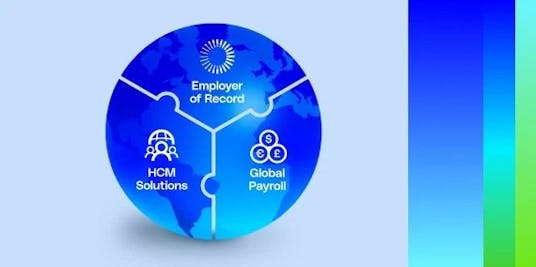
Hoewel een dochteronderneming de voordelen van een permanente vestiging en beperkte aansprakelijkheid biedt, is het proces tijdrovend, duur en belastend. Als je doel is om snel talent in Spanje aan te nemen, is er een eenvoudiger alternatief. G-P stelt je in staat om binnen enkele minuten talent aan te nemen zonder het gedoe van een dochteronderneming.
De voordelen van het gebruik van een werkgever van registratie (Werkgever van registratie) in Spanje Omvat:
- Snelle markttoegang: Als Employer of Record kunt u direct talent in Spanje in dienst nemen, omdat u niet het tijdrovende proces van het oprichten van een rechtspersoon hoeft te doorlopen. Het opzetten van een dochteronderneming kan maanden duren vanwege regelgevende, bank- en administratieve vereisten.
- Compliancegarantie: De arbeidswetgeving in Spanje is complex en biedt werknemers een hoge mate van bescherming. Een werkgever die als officiële werkgever optreedt, zorgt ervoor dat de wetgeving inzake werknemers (Estatuto de los Trabajadores), toepasselijke collectieve arbeidsovereenkomsten, loonregelgeving, belastinginhoudingen en wettelijke uitkeringen compliance , waardoor het risico op niet-compliance en mogelijke boetes wordt verkleind.
- Kostenefficiëntie: Het oprichten en onderhouden van een dochteronderneming (bijv. SL) brengt aanzienlijke opstart- en doorlopende kosten met zich mee, waaronder juridische kosten, boekhoudkosten, lokaal management en administratieve overhead. Een werkgever die als officiële werkgever optreedt, is kosteneffectiever, vooral als u een klein team aanneemt of de Spaanse markt verkent.
- Administratieve eenvoud: Met een Employer of Record vermijdt u de administratieve lasten van het beheren van de salarisadministratie, verplichte sociale premies, belastingaangiften en HR- compliance. De officiële werkgever neemt deze verantwoordelijkheden op zich, zodat u zich kunt concentreren op uw kernactiviteiten.
- Flexibiliteit: Als de behoeften van uw bedrijf veranderen, is een Employer of Record-constructie gemakkelijker op te schalen of af te schalen dan het afwikkelen van een dochteronderneming.
- Risicobeperking: Een werkgever van record beheert de juridische risico's die verbonden zijn aan de tewerkstelling, zoals werknemersclassificatie, en biedt u zo een extra beschermingslaag.
Betreed nieuwe markten met G-P — er zijn geen nieuwe entiteiten nodig.
Het oprichten van een dochteronderneming of juridische entiteit in Spanje is kostbaar en tijdrovend. G-P Employer of Record kunt u binnen enkele minuten talent aannemen, zonder de rompslomp en complicaties van een dochteronderneming.
Vraag vandaag nog een offerte aan en ontdek meer over onze wereldwijde arbeidsbemiddelingsproducten en Employer of Record-oplossingen.
Wat zijn de 2026 werknemer werkvisumvereisten van Spanje?
Niet-EU, niet-EER- en niet-Zwitserse professionals moeten een standaard trabajo por cuenta ajena visum verkrijgen om in Spanje te mogen werken. Spaanse werkgevers moeten een eerste werk- en verblijfsvergunning verkrijgen van lokale arbeidsautoriteiten voordat de kandidaat een visumsollicitatie indient.
Wanneer hebben bestuurders of vertegenwoordigers een NIE nodig in Spanje?
Niet-ingezeten aandeelhouders, bestuurders en gemachtigde vertegenwoordigers moeten een NIE (belastingidentificatienummer voor niet-burgers) verkrijgen voordat ze Spaanse oprichting of belastingaangiften invullen. Bedrijven die een Spaanse S.L. oprichten, moeten NIEs vroegtijdig verkrijgen om vertragingen bij notaris-, registratie- en belastingregistratie te voorkomen.
Welke Amerikaanse documenten hebben een apostille en een beëdigde Spaanse vertaling nodig?
Het oprichten van een Spaanse S.L. vereist specifieke Amerikaanse bedrijfsgegevens:
Bewijs van oprichting of oprichting
Huidige bestuursdocumenten
Certificaten van goede reputatie of bestaan
Bedrijfsresoluties
Volmachten
Openbare of notariële documenten moeten een officiële apostille bevatten. Niet-Spaanse documenten moeten een beëdigde vertaling in het Spaans bevatten.
Wanneer krijgt de S.L. juridische persoonlijkheid bij het Mercantile Registry?
Een Spaanse S.L. krijgt een aparte rechtspersoonlijkheid zodra het provinciale handelsregister officieel zijn oprichtingsakte registreert. Het ondertekenen van de akte voor een Spaanse notaris is een essentiële stap, maar die handtekening alleen creëert niet de rechtspersoon.
Hoe verschilt een vestiging in Spanje van een dochteronderneming in Spanje?
Spaanse vestiging: Functioneert als directe uitbreiding van het Internationaal moederbedrijf. Het mist een aparte rechtspersoonlijkheid en stelt het moederbedrijf direct bloot aan lokale aansprakelijkheden.
Spanje dochteronderneming: Opereert als een onafhankelijke Spaanse rechtspersoon, meestal een S.L. Het handhaaft duidelijke governance-, belasting- en indieningsverplichtingen terwijl het aandeelhouders beschermt via beperkte aansprakelijkheid.