



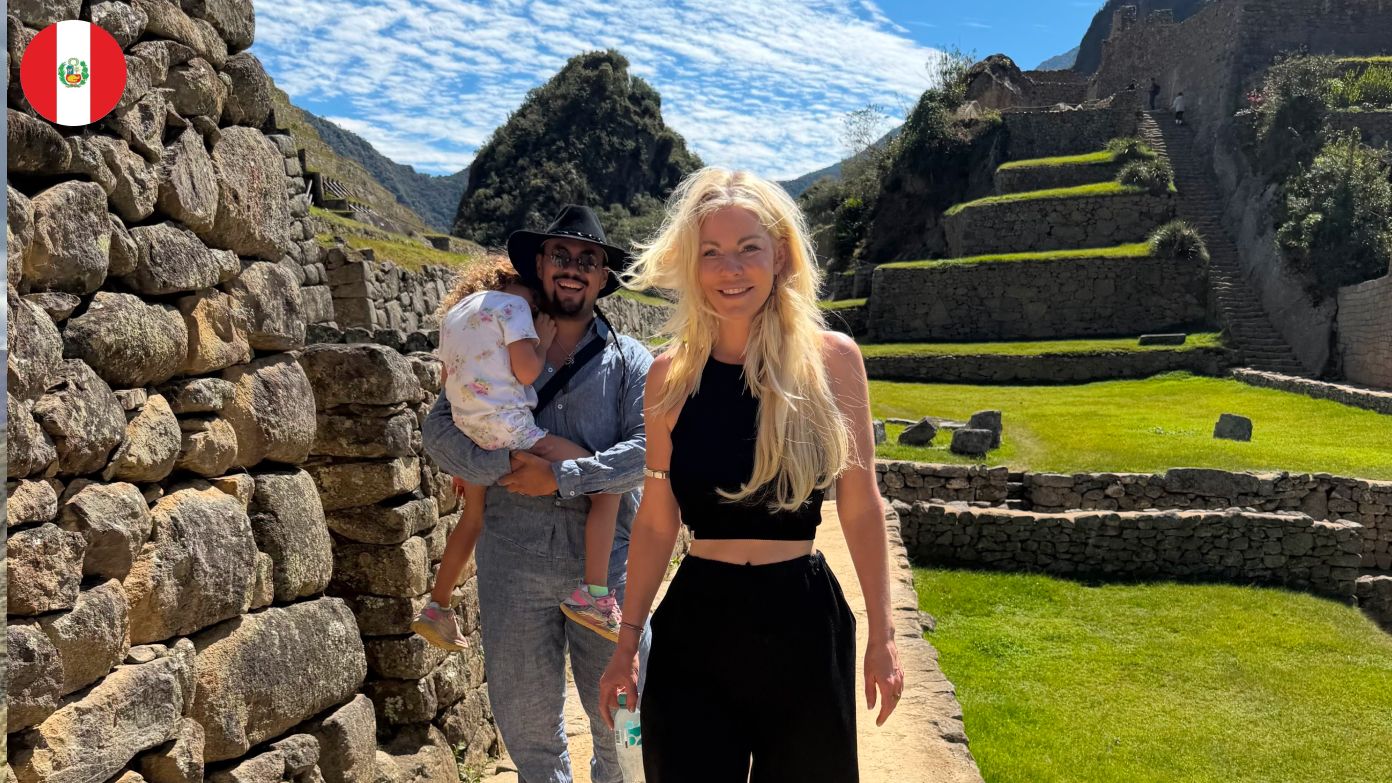
I’ve been working with teams in Peru remotely for decades, and G-P has proudly operated our own local entity there since 2017. Yet, until recently, I had never actually set foot in the country. When I finally packed my bags for a mix of business and personal travel, I thought I knew what to expect.
Although my expectations were high, I was wrong. Peru blew me away.
Beyond the stunning, jagged peaks of the Andes mountains, what truly captured my heart was the spirit of the people. There is a deep, beautiful spirituality that threads through daily life. It’s a place where people fiercely revere Pachamama (Mother Earth) and the apus (the sacred mountain spirits), while simultaneously embracing an interwoven Catholic faith. Even more beautiful? Their openness and generosity in sharing these stories with a traveler like me.
A different kind of wealth
As the CEO of a global HR tech company, I look at countries through a unique lens. Peru is still technically classified as a developing economy, but walking its streets, one sees that there is absolutely no "culture of poverty" here.
Instead, I felt an overwhelming sense of safety and a pervasive peace everywhere I traveled. The children are revered, well-nourished, and educated. The animals are cared for. The communities seem tight-knit. It made me reflect on how we define a "developed" society—because emotionally, culturally, and spiritually, Peru is incredibly rich.
Peru at a glance
- G-P entity established: 2017
- Key cultural pillars: Pachamama, Community, Resilience
- Landscape highlights: The breathtaking Andes Mountains

The echoes of history: Inkas, conquistadors and crowns
Experiencing this gorgeous country firsthand made me want to dive deep into its history. And Peru’s history is a masterclass in the resilience of strong culture in spite of brutal colonialism… as well as how very different cultures weave together to create something new over time.
Consider this: when the Spanish conquistadors arrived, the Inka Empire was 10 million strong—a population larger than any single country in Europe at the time. Yet, through a combination of deception, European diseases, and sheer ruthlessness, the conquistadors captured the Inkan Emperor with fewer than 150 men and less than 50 horses.
Back then, the definition of an "entrepreneur" was terrifyingly different than it is today. To the conquistadors, venture capitalism meant sailing to a foreign land, exploiting its people, stealing its resources, and sending a 20% cut (the Quinto Real, or Royal Fifth) back to the Spanish Crown.
How history shapes modern employment law
Fast forward through centuries of revolution, independence, and a mid-20th-century pivot toward socialism, and you get the Peru of today. What I love about global travel—and being at the forefront of global employment—is that a country's history is never truly dead; it’s woven directly into its modern societal fabric.
Just as Inkan spirituality still beautifully resonates in the daily lives of Peruvians, Peru's socialist history heavily influences its modern employment laws.
The historical trade-off: The protective, worker-centric mindset of Peru's past means the country now boasts some of the strongest worker protections in Latin America. However, it also means navigating a notoriously complex, rigid bureaucracy.
In Peru, workers have hard-earned rights that reflect a cultural desire to protect the individual from exploitation. These include:
- The 13th and 14th month salaries: Mandatory bonuses paid in July (Independence Day) and December (Christmas).
- Robust indemnity: Strict regulations around termination and severance to ensure economic stability for workers.
- Generous statutory benefits: Deeply ingrained healthcare and pension contributions.
Protecting earned rights on a global scale
This is exactly where the mission of G-P hits home. Every country’s labor laws are a reflection of its history, its struggles, and its triumphs. You cannot apply a one-size-fits-all compliance model to a world with such diverse backstories.
At G-P, we don't just see employment law as a checklist of compliance hurdles. We see it as respecting the local social contract. When we help companies hire talent in Peru, our job is to protect the rights that the Peruvian people have rightfully earned throughout their history, while shielding global businesses from bureaucratic pitfalls.
I absolutely loved my time in Peru, and I cannot recommend it highly enough. It reminded me that amazing talent—and incredible human beings—exist in every corner of this planet. We just have to be willing to meet them where they are.
So, if you’re looking to expand your horizons (or your team), don’t overlook Peru. After all, any country that can balance the demands of modern global business with the blessings of Pachamama clearly knows how to manage a great joint venture.