


Key takeaways
- Industry-specific compliance concerns: Manufacturing leaders need to uphold environmental and safety standards across multiple job sites, local labor laws, and strict quality control to stay compliant.
- Complex payroll and benefits setup: The physical nature of manufacturing work and 24/7 operations complicate worker classification, benefits eligibility, and wage calculation.
- Increased need for an employer of record (EOR): EORs help manufacturing leaders hire specialized talent while mitigating legal risks, so production stays on schedule.
Automation, supply chain shifts, and local talent shortages are pushing leaders in the manufacturing industry to expand globally.
But there are legal, operational, and administrative barriers to consider. From shop-floor health and safety rules to multijurisdictional labor codes, navigating international regulations has many challenges, especially for manufacturing companies.
Let’s take a look at how an employer of record (EOR) can help manufacturing companies scale quickly and compliantly across the globe.
What does compliance mean in the manufacturing industry?
Regulatory compliance is paramount in the manufacturing industry. To keep employees safe, production running smoothly, and your company safe from legal trouble, you must consider:
- Increased safety risks: Many manufacturing jobs involve assembly and working with complex machinery that increase safety exposure. Compared to a standard office environment, maintaining compliance on factory floors involves much stricter regulations. Risk management never stops. Employees go through training programs continuously to keep operations running smoothly and safely.
- Complex regulations: There are mandatory operator certifications, equipment maintenance logs, and local or national safety standards enforced by regulatory bodies such as OSHA or HSE. Because manufacturing plants can be open 24/7, calculating employees’ rest periods, meal breaks, and overtime pay across multiple shifts can be difficult. Lastly, there are data privacy concerns under GDPR, CCPA, and LGPD when storing employee health tracking information and operational data.
- Financial consequences for non-compliance: Depending on the severity, companies can face operational halts, factory shutdowns, or retroactive tax audits. In the U.S., companies can be fined up to USD 48,512 per day for non-compliance with Environmental Protection Agency (EPA) regulations.
What are the top HR challenges in the manufacturing industry?
The highly physical and technical nature of work in the manufacturing industry increases issues with compliance management, especially when expanding globally.
HR leaders can face:
- Difficulty sourcing technical talent: Hiring managers encounter skills gaps in robotics engineering, systems automation, and quality control when recruiting for manufacturing jobs. Local labor agreements, visa regulations, and statutory benefits requirements must also be taken into account.
- Payroll complexities: Employees in manufacturing are often entitled to weekend, overnight, or incentive pay in addition to their standard wages. This can complicate calculations of what is owed to employees, as well as the taxes due.
- Worker misclassification risks: Because manufacturing companies rely on flexible contractors and temporary specialized technicians, worker classification can be tricky. Nuanced labor laws in various districts and countries are also of concern.
- More need for intellectual property (IP) protection: Manufacturing leaders need to protect proprietary machinery designs, product specifications, software, and chemical formulas across international jurisdictions.
What are the challenges with entity setup for companies in the manufacturing industry?
Creating a physical entity in another country isn’t always the best path for manufacturing companies. Issues can include:
- Slower speed to market: It can take 3–9 months to establish a local subsidiary, which can delay existing projects and new product launches.
- Hefty financial burdens: Entity setup requires substantial legal costs upfront before hiring even begins.
-
Less flexibility: A physical entity can make it harder to scale down or exit certain markets if needed. This can cause difficulty if production or supply chain strategies change at any time.
- Greater permanent establishment (PE) risk: Entity setup may trigger unforeseen tax obligations due to international compliance regulations.
How can an employer of record (EOR) improve global hiring compliance?
EORs have massive technical capabilities to support international hiring. An EOR can help you stay compliant despite rapidly changing labor laws, language barriers, and administrative obstacles.
G-P EOR was designed to ensure that your team can:
- Onboard quickly: Hire specialized technical talent in days instead of months across 180+ countries. G-P EOR handles the entire employee life cycle and ensures worker classification anywhere you hire.
- Streamline hiring: Manage documents required for compliant manufacturing hiring such as drug test results, license and certification verifications, tax forms, onboarding documents, and medical history forms.
- Mitigate risk: Transfer employment liabilities and classification risks to the EOR, adding a layer of legal protection for your company.
- Eliminate consulting needs: Reduce reliance on external compliance analysts or legal counsel by using an automated system that updates in real time.
- Localize contracts to protect IP: Instantly create compliant contracts with strong clauses that protect your intellectual property.
- Integrate tech seamlessly: Connect global employment workflows directly into your existing ERP and HCM platforms, such as Workday, SAP, or ADP.
Trying to decide if direct entity setup or using an EOR is better for your business? Check out this comparison table.
| EOR | Entity setup | |
|---|---|---|
|
Speed to market |
48–72 hours |
3–6 months* |
| Cost |
|
|
| Liability | Managed by EOR | Carried by your company |
| Strategic intent |
|
|
*Estimates can vary by country and specific circumstances.
See how manufacturing industry leaders scale compliantly with GP-EOR
GP-EOR helps manufacturing companies scale internationally, making it easier to streamline hiring, reduce costs, and maintain global compliance. These four, real-world case studies illustrate GP-EOR’s unique capabilities for supporting manufacturing operations:
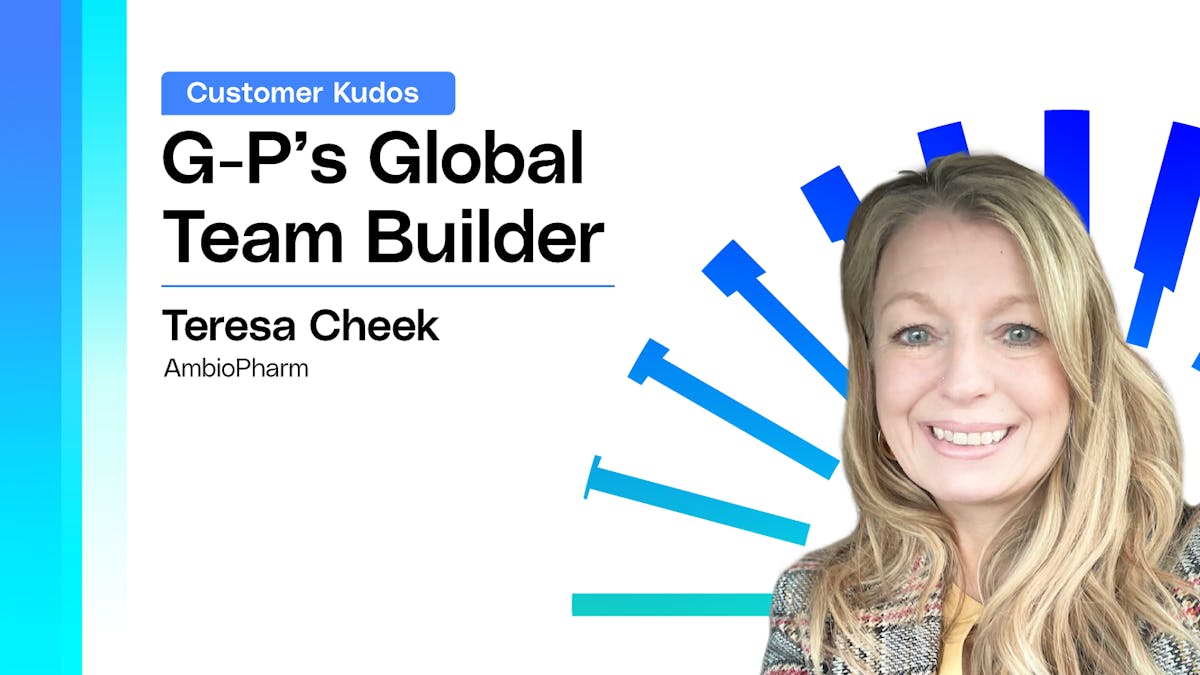
- AmbioPharm: A pharmaceutical CDMO, streamlined payroll funding and automated contract generation for global field teams, eliminating the need to establish an international subsidiary or branch.
- LivsMed: A medical device manufacturer, quickly expanded instrument sales and operations into Japan, despite the country’s complex compliance framework.
- Melexis: A semiconductor developer, increased hiring speed for specialized talent, including engineers and technicians, across Belgium and the Netherlands.
- Biocartis: A maker of diagnostics equipment, improved processes to reduce market entry timelines by 66%, onboarding time by 80%, and legal compliance costs by 50%.
3 compliance strategies to scale your manufacturing company
Regulations vary greatly across national borders, standardizing compliance efforts ensures simpler international operations. Strategies include:
- Audit existing operations: Assessing contractor usage and site-level supervision to lower misclassification risks and safety concerns.
- Evaluate total cost of ownership (TCO): Comparing EOR costs against entity setup and maintenance costs to simplify growth-related decisions.
- Consolidate global HR and payroll infrastructure: Using an agentic Global Employment Platform streamlines international workforce management, leaving less room for human error.
Ensure manufacturing compliance with G-P EOR
Manufacturing leaders need to take the utmost care to maintain compliance when expanding. These efforts protect margins, intellectual property, quality standards, and brand reputation. They also ensure that workers and consumers stay safe.
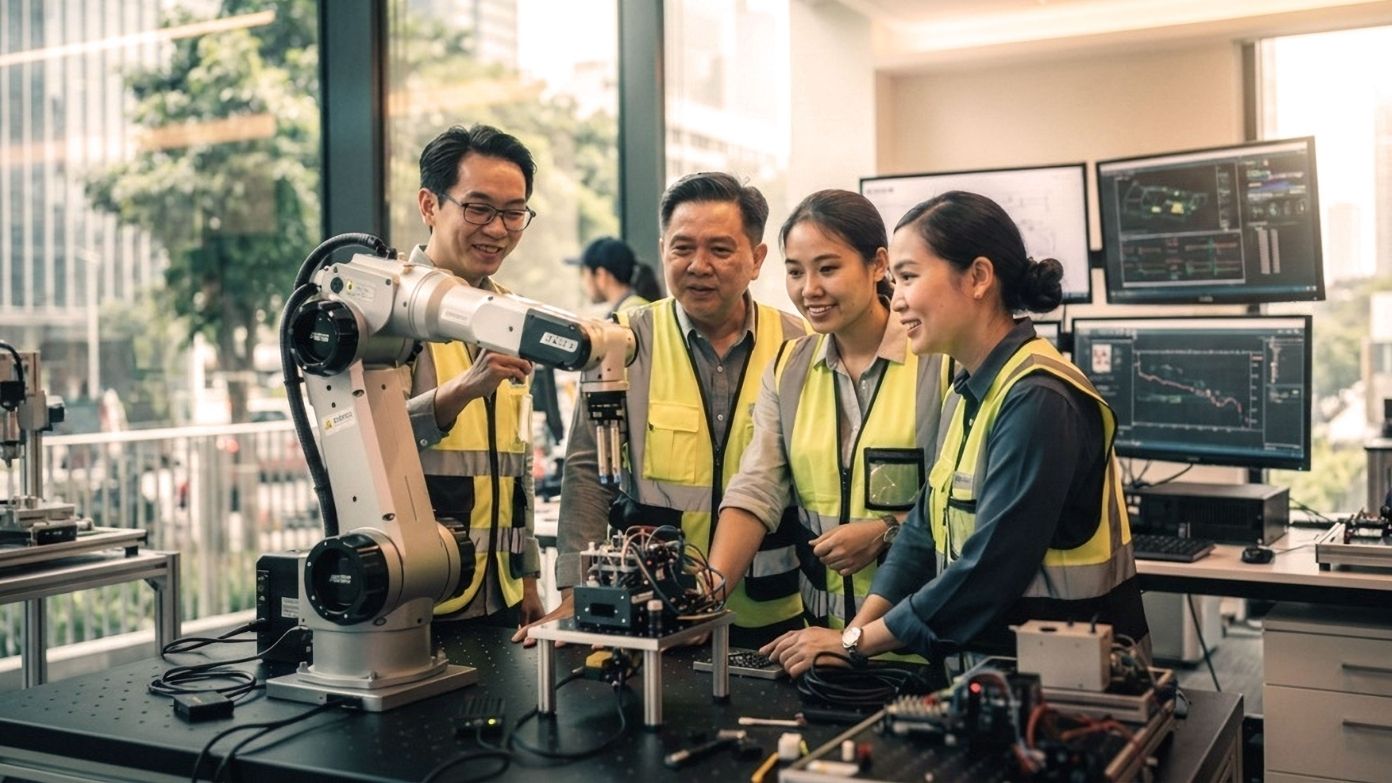
With G-P EOR, you can fill critical manufacturing roles like production managers, quality control engineers, automation and robotics professionals, and R&D managers, quickly and compliantly, without setting up new entities.
Hire manufacturing talent today with G-P
Build global teams with trusted compliance, a connected HR ecosystem, and agentic AI that turns insights into action.
Our Global Employment Platform and its AI-powered products – EOR, Contractor, and Gia — give you everything you need to operate globally with ease.
 Frequently asked questions
What does compliance mean in the manufacturing industry?
Compliance in the manufacturing sector means following local labor laws and regulations across multiple job sites, managing environmental impact, and upholding safety standards within physical workspaces.
How do labor laws impact manufacturing hiring compliance?
Laws around worker misclassification, visa regulations, and statutory benefits requirements vary from one place to another and can complicate the hiring process.
How can I ensure hiring compliance across multiple sites?
G-P EOR can help your team stay compliant when navigating rules, regulations, and required documentation across multiple job sites. Staying compliant avoids operational shutdowns, hefty fines, and even tax audits.