





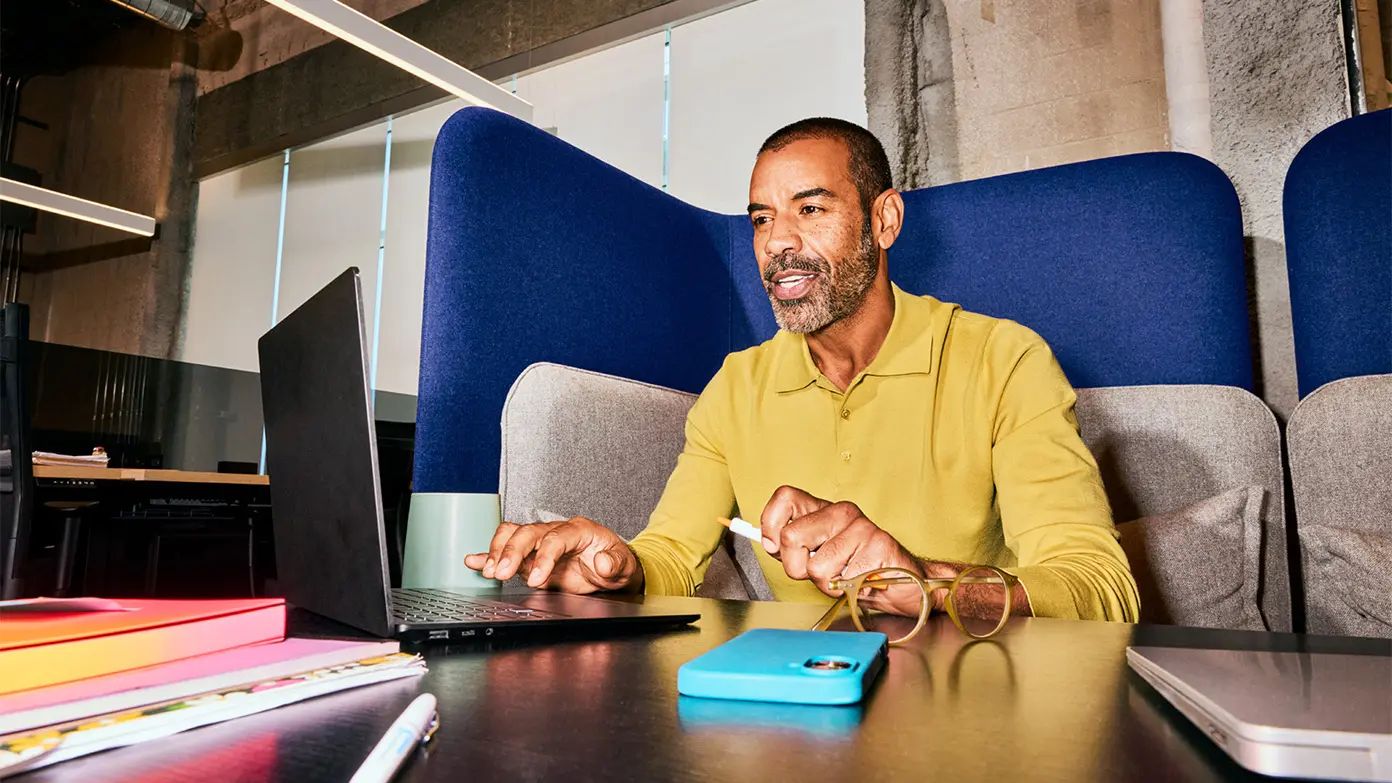
Organizations across industries blend remote and in-office setups to support flexibility and productivity. Hybrid work models support employee well-being, build engagement, and increase retention.
But it also brings unique workplace challenges in onboarding, collaboration, and compliance. Anemployer of record (EOR) can help you build and manage remote and hybrid global teams.
Defining the hybrid work model
In a hybrid work model, employees split their time between remote locations and the office. Many organizations offer these flexible structures to give employees more freedom while preserving essential face-to-face collaboration.
For example, in Costa Rica,79% of multinational companies use hybrid setups. Stanfordstudies show hybrid work has zero negative effects on workers’ productivity. In fact, 83% of employees feel more productive in hybrid and remote environments.
When you strike the right balance, you can capture benefits that extend beyond flexibility. Stronger engagement and improved productivity are just some outcomes you can expect.
Benefits of a hybrid workplace

Around 80% of U.S.-based companies now offer some form of remote work. Remote and hybrid setups have several benefits, such as:
Cost savings and operational efficiency
Reducing the need for permanent office space lowers real estate and operating costs. Global hybrid models allow flexible staffing by blending part-time, full-time, and in-office roles, allowing leaders to scale with market needs. These efficiencies free up capital for growth initiatives and investment in employee experience.
Improved employee satisfaction and retention
Hybrid arrangements align with employee expectations for better work-life balance, flexibility, and autonomy. Meeting employees' needs through hybrid work options boosts their satisfaction and engagement. Hybrid workforces alsosee 33% less turnover, translating into cost savings and stronger company knowledge.
Enhanced business resilience
Hybrid work shows your organization is agile by being less dependent on a single physical location. It also promotes a more adaptable workforce, as team members are already set up to work from home if offices are inaccessible due to unforeseen circumstances.
Innovation and problem-solving
Global teams bring different perspectives. The blend of remote work and structured on-site interaction supports creativity and speeds up problem-solving.
Hybrid work has clear advantages, but these gains come with tradeoffs. Issues around equity, compliance, and coordination can be challenging.
Challenges of a global hybrid workplace
In hybrid workplaces, finance, HR, legal, and executive teams face unique challenges:
-
Finance teams: Finance teams must balance cost savings with oversight. The goal should be to optimize total cost and reduce risk. Teams have to manage currency exchange volatility, tax, and audit controls, while balancing entry speed with budget discipline. Protecting financial data with employee access systems from various regions is also crucial.
-
HR: HR teams must support company culture while coordinating localized payroll and benefits. Recruiting and onboarding also need consistent processes that reflect your company values. Avoiding disconnected systems and protecting employee data is top priority.
-
Legal: A hybrid structure spans borders, adding risk as teams juggle international employment laws, worker classification, and intellectual property laws. They must also follow confidentiality, immigration, and data protection considerations, such as theGeneral Data Protection Regulation (GDPR). Choosing the right employment model minimizes legal risk.
-
Executives: Executives set direction and accountability across a dispersed workforce. They need a scalable, low-risk global expansion model that focuses on compliant market entry, visibility into cost metrics and people, vendor security, and due diligence. Decision-making needs timely data despite distance and different regulatory needs.
Addressing these challenges is key to making hybrid work sustainable. The right strategies turn complexity into strength, beginning with how you bring new talent into your organization.
Onboarding tips for global hybrid employees
The right technology helps reduce complexity, build culture, and protect your business. These practices support a stronger global hybrid model:
|
Focus area |
Why it matters |
Example practices |
|---|---|---|
|
Onboarding |
Sets the tone for new hires |
Centralized digital portal, virtual workflows, and team integration |
|
Policy clarity |
Ensures compliance |
Employee handbooks with local and global rules |
|
HR and workforce support |
Strengthens employee experience |
Tech support, regular check-ins, and feedback loops |
|
Compliance and training |
Reduces legal and regulatory risk |
Localized training and data security standards |
|
Culture and inclusion |
Builds engagement across regions |
Cultural sensitivity training and inclusion initiatives |
|
Scheduling |
Supports productivity |
Time zone awareness and flexible scheduling |
|
Performance and growth |
Drives alignment and accountability |
Clear metrics, goal setting, and global support resources |
Strong systems and clear processes give you the foundation for a resilient hybrid workplace. Once you have this structure, the next step is keeping employees connected, motivated, and engaged across borders.
Employee engagement in a global hybrid workplace

Distributed teams need consistent structure, cultural alignment, and support for growth. Engagement strategies must also account for compliance needs, workforce risk, and local labor laws. Ways to strengthen engagement include:
-
Regular check-ins: It’s easy to feel disconnected when people work across different locations and schedules. Regular check-ins ensure everyone stays connected to their team, regardless of location.
-
Clear goals and expectations: Usecollaboration platforms to align employees on accountability and performance.
-
Employee well-being initiatives: Zoom fatigue, schedule coordination, and home office ergonomics are all unique challenges of hybrid working. Develop wellness initiatives that target these specific pain points rather than applying a one-size-fits all approach.
Technology strengthens these initiatives by making communication consistent and creating transparency. At the same time, partnering with an EOR reduces the risk of cultural missteps or legal gaps bymanaging compliance across multiple jurisdictions. Together, they allow leaders to focus on building engagement without sacrificing governance.
Finding the right balance in a hybrid work model
A sustainable hybrid workplace relies on balance. The end goal is to capture the hybrid workplace benefits of flexibility without weakening culture, compliance, or employee protections. Here's how to do it:
-
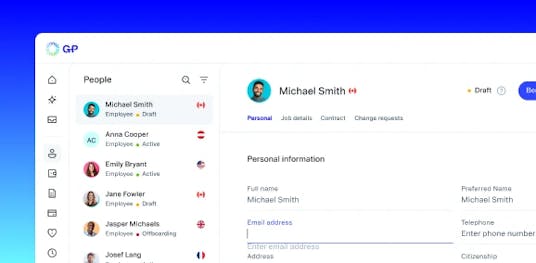
EOR solutions: G-P EOR gives you a compliant hiring, management, and employee support framework for your global workforce. This reduces risk and ensures your workforce experiences consistency across regions.
-
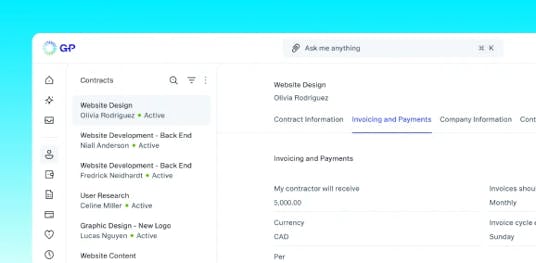
Centralized tech platforms: Tools that unify HR, payroll, and compliance simplify operations and protect sensitive data. SaaS-based systems give visibility, helping you manage performance and identify risks early.
-
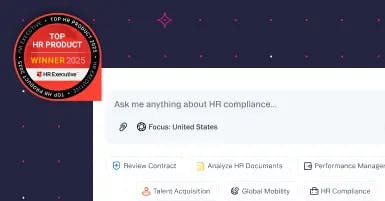
Hybrid work policies: Clear rules ensure fairness and alignment. With G-P Gia™, you can generate compliant HR documents in minutes and easily adapt them to 50 countries and 50+ languages.
-
Employee well-being: A balanced model prioritizes health, development, and connection. Flexible scheduling, wellness programs, and professional growth opportunities help employees stay productive and engaged.
-
Compliance reviews: Regulations vary across jurisdictions. Regular audits and policy updates ensure compliance stays current, protecting your business and your workforce.
Streamline global hiring with G-P
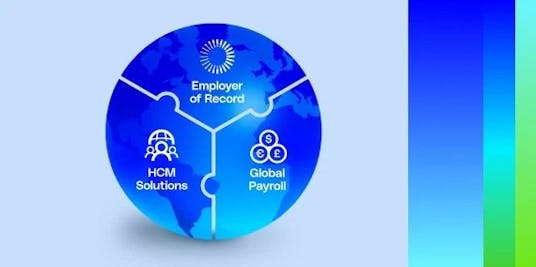
G-P can help you build a successful workforce anywhere in the world. As the recognized leader in global employment, we help companies of all sizes hire, onboard, and manage teams in 180+ countries, regardless of entity status.
Our AI-powered global employment products and EOR solutions are backed by the largest team of in-country HR, legal, and compliance experts to streamline and simplify the entire global employment lifecycle.
Book a demo to streamline your global hiring and workforce compliance management.