



Establecer una filial en Francia requiere tiempo, recursos y un conocimiento claro de los requisitos legales y fiscales locales. Esta complejidad puede ralentizar tus planes de vinculación laboral y llevar a los candidatos a explorar otras oportunidades.
G-P ofrece una alternativa a crear tu propia filial. En lugar de seguir la vía convencional de las filiales en Francia, podemos agilizar tu entrada — sin necesidad de nuevas entidades — para que puedas empezar operaciones en minutos en lugar de meses.
Cómo montar una filial en Francia
Una filial (filiale) es una entidad jurídica separada. Es propiedad de una compañía matriz pero opera de forma independiente, con su propia identidad legal, activos y pasivos. La filial es responsable de cumplir con las leyes francesas, incluyendo normativas fiscales, contables y laborales. La responsabilidad de la matriz empresarial se limita generalmente a su inversión en la filial. Esta es la norma por defecto, no un escudo absoluto, y pueden aplicar excepciones para garantías, abusos, confusión de activos o de gestión, mala conducta directa, problemas de insolvencia u obligaciones de deber de vigilancia.
Antes de crear una compañía subsidiaria en Francia, identifica el tipo de entidad que necesitas. La mayoría de las compañías internacionales eligen una sociedad privada de responsabilidad limitada (société à responsabilité limitée, o SARL) o una sociedad anónima simplificada (société par actions simplifiée, o SAS).
Las compañías con un solo accionista pueden crear una entreprise unipersonnelle à responsabilité limitée (EURL), la forma de miembro único de una SARL. La responsabilidad del accionista generalmente se limita a sus aportaciones, lo que se traduce como "sociedad de responsabilidad limitada de un solo miembro".
Sociedad privada de responsabilidad limitada (SARL)
Las SARL tienen un marco legal rígido con muchas normas establecido por la ley. Los SARL deben tener:
- Accionistas: 1–100 accionistas. Una SARL de un solo accionista se denomina comúnmente EURL.
- Capital: Al menos 1 EUR de capital social para una SARL. El capital social se establece en los estatutos y puede consistir en aportaciones en efectivo o en especie.
- Dirección: Uno o más gestores individuales (gérants). No se puede nombrar a una entidad jurídica como gestor de la SARL.
Sociedad anónima simplificada (SAS)
Un SAS de Francia suele ser más fácil de configurar y gestionar. Es popular entre los inversionista globales porque ofrece flexibilidad en cómo se gestiona y organiza el negocio. Deben tener:
- Accionistas: Al menos un accionista. Un SAS de un solo accionista se denomina comúnmente SASU.
- Capital: Al menos 1 EUR en capital social.
- Dirección: Un presidente, que puede ser una persona física o jurídica.
Sucursal vs. filial
Una sucursal (succursale) es la oficina local de una matriz de empresa. Una sucursal (succursale) no es una entidad jurídica separada de su matriz empresarial. La compañía matriz es plenamente responsable de las actividades, deudas, obligaciones contractuales, obligaciones laborales, obligaciones fiscales y otros compromisos legales de la sucursal en Francia. Una sucursal no es una entidad legal separada — es una extensión de la matriz de la compañía. Una sucursal debe registrar ante las autoridades francesas y cumplir con la normativa local.
Crear una filial o sucursal depende de los objetivos de tu negocio. Una filial puede proteger a tu empresa principal de riesgos en Francia, pero los altos costos de mantenimiento y los requisitos de papeleo se acumulan rápidamente.
Una sucursal es una extensión de tu empresa principal en Francia. Es más fácil y barato de montar, pero tu empresa principal es legalmente responsable de todo lo que hace la sucursal.
Pasos para constituir una filial en Francia:
- Borrador de los estatutos sociales: Preparar y firmar los estatutos de la compañía, que definen su propósito, cómo se gestionará y cómo funcionará.
- Depósito de capital social: Abre una cuenta bancaria corporativa en Francia e deposita el capital social inicial. El banco emitirá un certificado de depósito (certificat de dépôt des fonds) necesario para el registro.
- Cerciora una dirección: Debes tener una dirección física registrada en Francia. Esto se puede lograr mediante un arrendamiento comercial, una compañía de domiciliación o comprando una propiedad.
- Publica un aviso de estatutos sociales: Un aviso con información sobre la nueva compañía debe publicar en un periódico legal autorizado o en un servicio de notificaciones legales en línea (Journal d'Annonces Légales, o JAL).
- Aplicar en línea: Envíe todos los documentos completos a través del portal oficial en línea Guichet unique des formalités des entreprises , operado por INPI. La documentación debe incluir los estatutos sociales, el certificado de depósito de capital, un comprobante de domicilio, el aviso de publicación de JAL y los datos de los gerentes o directores.
- Regístrate: Una vez aprobada, tu compañía se registrará en el Registro de Comercio y Sociedades (RCS), y recibirás un extracto Kbis, que es el documento oficial que demuestra la existencia legal y el registro de una compañía en Francia.
Leyes y requisitos subsidiarios en Francia
Debes cumplir varias leyes y requisitos para constituir una filial en Francia:
- Dirección: Un gérant o presidente generalmente no tiene por qué ser residente de Francia. Los ciudadanos no pertenecientes a la UE/EEE/Suizos que vivan o trabajen en Francia pueden necesitar la inmigración y la autorización de trabajo adecuadas.
- Contralor estatutario: Las filiales francesas (SAS o SARL) necesitan un contralor estatutario (commissaire aux comptes) si la compañía supera dos de los siguientes umbrales: 5 millones de euros en balance total, 10 millones de euros en facturación neta, o una media de 50 empleados.
- Fiscalidad: Las filiales pagan impuesto corporativo sobre los ingresos. Los dividendos pagados a una compañía matriz no residente suelen estar sujetos al impuesto de retención del 25%, salvo que estén reducidos o exentos según un tratado fiscal o las normas aplicables de la UE. Esto puede reducir o eliminar bajo tratados de doble imposición o la Directiva de Matriz-Filiales de la UE, que impiden que los mismos beneficios se graven dos veces.
- Reportes: Las compañías suelen presentar estados financieros anuales cada año. Los SARL y SAS suelen presentar cuentas anuales aprobadas en el registro del tribunal mercantil. También deben cumplir con los requisitos de la seguridad social y otros requisitos administrativos.
Beneficios de las filiales francesas
- Presencia local: Establecer una filial le brinda una presencia formal y reconocida en Francia, lo que puede aumentar la credibilidad ante clientes, socios y autoridades.
- Acceso al mercado: Las filiales facilitan el acceso a los mercados de Francia y la UE.
- Separación legal: La filial es una entidad jurídica independiente, por lo que la responsabilidad de la matriz empresarial se limita a su inversión en la filial, protegiendo los activos de la matriz.
- Adquisición de talento: Tener una filial permite contratar empleados directamente mediante contratos de trabajo franceses, lo que puede ayudar a atraer talento local.
- Beneficios fiscales: Las filiales pueden beneficiarse de incentivos fiscales locales o tratados, dependiendo de sus actividades y estructura.
Desventajas de las filiales francesas
- Configuración compleja: Las filiales implican trámites administrativos, documentación legal y cumplimiento de la legislación corporativa.
- Cumplimiento continuo: Cumplir con las normativas contables, fiscales y laborales de Francia es una tarea a tiempo completo.
- Costos: Las filiales conllevan mayores costos iniciales y continuos en materia de asistencia legal, contable y operativa.
- Requisitos de gestión: Si bien los directores no tienen que ser residentes franceses, a menudo se requiere experiencia local para garantizar el cumplimiento de la normativa.
- Liquidación: Cerrar una filial es un proceso largo y costoso debido a los requisitos legales y administrativos de Francia.
Alternativa a la creación de una filial en Francia
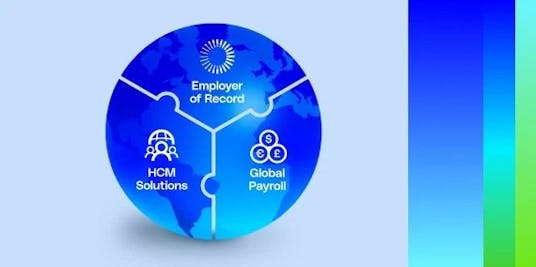
G-P te permite contratar talento en minutos sin la molestia de crear una entidad. Los beneficios de emplear una entidad empleadora de registro (Plataforma global de empleo (Employer of Record)) en Francia incluyen:
- Entrada al mercado más rápida: An Plataforma global de empleo (Empleador de Registro) te permite incorporar a Talento de inmediato sin el largo proceso de constituir una entidad legal. La creación de una filial puede llevar meses debido a requisitos regulatorios, bancarios y administrativos.
- Garantía de cumplimiento: Las leyes laborales en Francia son complejas y protegen a los empleados. Una Plataforma global de empleo (Empleador de Registro) garantiza el cumplimiento del Código de Trabajo , los convenios colectivos (convenciones colectivas), la normativa de nóminas, las retenciones fiscales y las capacidades legales.
- Eficiencia de costos: La instalación y mantenimiento de los SARLs conlleva importantes costos iniciales y continuos, incluyendo honorarios legales, contabilidad, gestión local y gastos administrativos. Una Plataforma global de empleo es más rentable, especialmente si contratas a un equipo pequeño o pruebas el mercado en Francia.
- Simplicidad administrativa: Con una Plataforma global de empleo (Empleador de Registro), no tienes que preocuparte por la carga administrativa de gestionar la nómina, las contribuciones sociales obligatorias, la declaración de impuestos y el cumplimiento de Recursos Humanos. La Plataforma global de empleo (Empleador Oficial) se encarga de todo esto, para que puedas centrarte en tu negocio.
- Flexibilidad: Un acuerdo de Plataforma global de empleo (Empleador de Registro) es más fácil de escalar hacia arriba o hacia abajo en comparación con una filial.
- Mitigación de riesgos: Una Plataforma global de empleo (Empleador de Registro) gestiona los riesgos legales asociados al empleo, como la clasificación del trabajador, ofreciéndote una capa adicional de protección.
Acceder a nuevos mercados con G-P — no se necesitan nuevas entidades
Constituir una filial o entidad jurídica en Francia es costoso y requiere mucho tiempo. G-P Plataforma global de empleo (Empleador Oficial) te permite contratar talento en minutos sin las complicaciones y complicaciones de una filial.
Aplicar hoy una propuesta para conocer más sobre nuestros productos globales de empleo y las soluciones Plataforma global de empleo (Empleador Oficial).
Preguntas frecuentes
¿Qué es una declaración de propietario beneficiario y cuándo es obligatoria?
Esta declaración identifica a las personas físicas que en última instancia poseen o controlan la filial francesa. Informa a cualquier persona que posea, directa o indirectamente, más del 25% del capital o derechos de voto, o que ejerza el control por otros medios. Si no se identifica a ninguna persona tras diligencia debida, reporta al representante legal por defecto. La presentación de estatutos sociales de INPI generalmente incluye esta declaración. Presenta cualquier cambio en un plazo de 30 días.
¿Cuándo es necesario un anuncio legal para los estatutos sociales?
Al crear una filial en Francia, debes publicar un aviso de estatutos sociales como parte del proceso de formación. Coloque el aviso en un medio legal autorizado en el departamento de la oficina registrada. Debes incluir prueba de publicación en el archivo de registro.
¿Qué registros fiscales aplican para el impuesto corporativo sobre los ingresos y el IVA?
Una filial francesa está sujeta a impuesto corporativo francés sobre los ingresos sobre los beneficios imponibles. La tasa de impuesto estándar es 25%. Las obligaciones de IVA dependen de las actividades sujetas a impuestos, la facturación, el régimen de IVA y las transacciones transfronterizas. El tipo estándar de IVA es del 20%, aplicar tipos reducidos a suministros específicos. Los detalles de la incorporación se dirigen automáticamente a las autoridades competentes. Las compañías apoyadas deben confirmar el régimen fiscal aplicable, la activación del IVA y el número de IVA con un asesor fiscal local o un impuesto competente a la oficina de actividad comercial.
¿Cuáles son las principales diferencias entre una filial y una sucursal en Francia?
Una filial — filiale — es una entidad jurídica francesa independiente, generalmente organizada como SAS o SARL. Una sucursal — succursale — no tiene personalidad jurídica separada y opera como parte de la matriz de empresas extranjeras. Una filial limita la responsabilidad de la matriz a su inversión de capital. Una sucursal deja a la compañía matriz directamente responsable de todas las obligaciones. Ambas estructuras requieren registro francés y cumplimiento fiscal, pero una filial mantiene una gobernanza independiente y requisitos corporativos anuales.
¿Qué formulario legal encaja con una filial extranjera: SAS o SARL?
Los grupos internacionales que establecen una filial francesa suelen elegir una SAS porque ofrece una gobernanza flexible, estatutos adaptables y una opción de accionista único llamada SASU. Un SAS debe nombrar a un presidente. Una SARL tiene reglas de gobernanza prescriptivas, requiere uno o más gestores de personas físicas — gérants — y generalmente tiene 2—100 accionistas. El formulario SARL de un solo miembro es un EURL. La forma óptima depende de las estructuras de gobernanza, las estrategias de financiación, la posición fiscal y los requisitos ejecutivos de la seguridad social.
¿Cómo eliges y pruebas una dirección de oficina registrada en Francia?
Una filial francesa debe mantener una oficina registrada en Francia y presentar la prueba aceptada de ocupación durante la presentación de los estatutos sociales. La prueba estándar incluye un contrato de arrendamiento comercial, escritura de propiedad, acuerdo de domiciliación o evidencia de ocupación de tipo servicios públicos aceptada por el registro. Puedes emplear la dirección de un representante legal bajo normas específicas de contrato de arrendamiento, copropiedad, planeación y notificación. La domiciliación temporal en una residencia personal está limitada a cinco años.
¿Cómo se registra una filial francesa a través de INPI Guichet Unique?
Completa la inscripción en línea a través del portal Guichet Unique de INPI. La presentación de estatutos sociales suele incluir:
Estatutos firmados
Evidencia de nombramientos directivos
Prueba de la dirección de la oficina registrada
Certificado de depósito de capital
Detalles del suscriptor
Certificado de publicación de anuncios legales
Información sobre el propietario beneficiario
Documentos de identidad y declaraciones juradas de no condena
Aprobaciones regulatorias requeridas
Una vez aceptado, el registro inscribe a la compañía en el RNE y RCS, emite identificadores SIREN y SIRET, y genera el extracto Kbis.
¿Qué se requiere para nombrar directores o directivos para un SAS o SARL?
Un SAS debe nombrar a un presidente, que puede ser un individuo o una entidad corporativa. Un presidente corporativo requiere un representante individual permanente. Un SARL debe nombrar a uno o más gestores de persona física. El equipo debe aprobar los nombramientos mediante los estatutos sociales o una decisión corporativa formal. Los representantes individuales presentan documentos de identidad junto con declaraciones juradas de no condena y paternidad. Los ciudadanos no comunitarios que se trasladan a vivir y trabajar en Francia deben obtener autorización de inmigración.
¿Qué documentos debe aportar una matriz estadounidense para constituir en Francia?
Una compañía matriz estadounidense proporciona prueba certificada de existencia legal, estatutos corporativos y resoluciones autorizadas del consejo que aprueban la filial francesa, la subscripción de acciones y la asignación de capital. El proceso de presentación requiere prueba de autoridad del firmante, registros de la cadena de propiedad, documentación de UBO y verificación de identidad para los representantes. Los registros, bancos y autoridades fiscales francesas pueden requerir apostilla y traducciones certificadas al francés, dependiendo de la jurisdicción estatal y la estructura de propiedad.
¿Cómo depositas capital social en una filial francesa y obtienes pruebas?
Depositar capital social en un banco autorizado o notario antes de los estatutos sociales finales. La institución emite una attestation de dépôt des fonds requerida para el registro. En los estatutos sociales, los fundadores deben pagar al menos el 50% del capital en efectivo de un SAS y el 20% del capital en efectivo de la SARL. El equipo debe pagar el saldo restante en un plazo de cinco años. La legislación francesa no establece un capital mínimo legal práctico para un SAS o SARL, pero las compañías deben financiar suficiente capital circulante para la captura del mercado. El banco libera los fondos depositados tras el registro y la emisión de Kbis.