






לקחים עיקריים
-
מהי מערכת מידע של משאבי אנוש (HRIS): היא מרכזת פונקציות כמו שכר, הטבות, קליטה וניהול ביצועים בפלטפורמה אחת.
-
פלטפורמות HRIS מקומיות וגלובליות משרתות צרכים שונים: HRIS מקומי תומך בחוקים ובמערכת השכר של מדינה אחת. HRIS גלובלי מרכז את ניהול כוח העבודה במספר מדינות, מטבעות ומסגרות ציות.
-
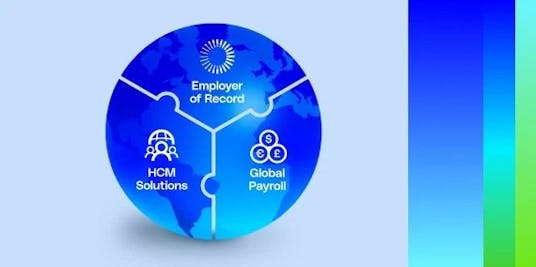
EOR משלים את ה-HRIS שלך: בעוד HRIS מנהל נתונים ותהליכים, EOR שוכר עובדים בשמך באופן חוקי ומטפל בציות מקומי. עם EOR, אתה לא צריך להקים ישויות משפטיות לשכור ברחבי העולם.
-
G-P משתלב עם מערכות HRIS רבות: גייסו בתאימות ביותר מ-180 מדינות - והכל מבלי לבנות מחדש את ערימת הטכנולוגיה שלכם.
לא כל כלי משאבי אנוש בנויים לצרכים גלובליים.
מערכת מידע של משאבי אנוש (HRIS) מסייעת לך לתאם את כוח העבודה שלך. היא מאחדת והופכת תהליכי משאבי אנוש לאוטומטיים כדי לנהל את מחזור החיים כולו של העובד, החל מקליטה ועד לניהול ביצועים.
רוב פלטפורמות HRIS המסורתיות נבנו תוך מחשבה על מדינה אחת. הם לא יכולים להתאים למבני מס שונים או לדרישות דיווח כאשר אתה שוכר במדינה חדשה. אתה זקוק ל-HRIS גלובלי כדי לאחד את פונקציות משאבי האנוש שלך מעבר לגבולות.
במדריך זה, נשבור מהי HRIS גלובלית, במה היא שונה ממערכות מסורתיות, וכיצד אסטרטגיות אינטגרציה ראשוניות יכולות לעזור לך להתרחב מבלי לבנות מחדש את ערימת טכנולוגיית משאבי האנוש שלך.
מהו HRIS גלובלי?
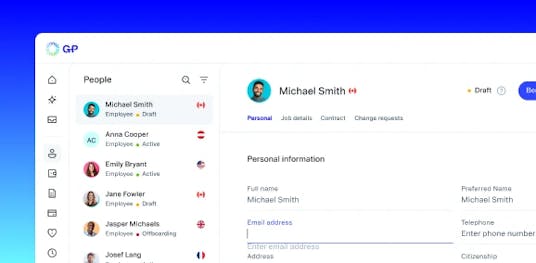
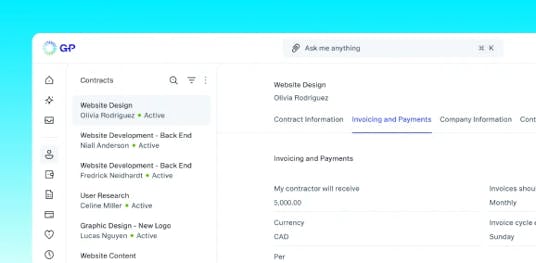
HRIS גלובלית היא תוכנה לניהול כוח עבודה שנועדה לתמוך בעובדים במדינות רבות. היא מרכזת את נתוני העובדים ומתקנית תהליכי משאבי אנוש תוך עמידה בדרישות הספציפיות למדינה כגון חוקי עבודה מקומיים, תקנות מס, מבני שכר, הטבות וחובות דיווח.
שלא כמו פלטפורמות HRIS מסורתיות שנבנו עבור ישות של מדינה אחת, HRIS גלובלי עוזר
השוואת HRIS גלובלי לעומת HRIS מקומי
HRIS מקומי מנהל תהליכי ליבה של משאבי אנוש בתוך מדינה אחת. הוא פועל לפי מערכת אחת של חוקי עבודה, מבני מס ודרישות ציות.
מערכת מידע גלובלית של משאבי אנוש תומכת בארגונים הפועלים במדינות רבות. הוא תומך במספר שפות, מטבעות, אזורי זמן ומסגרות משפטיות ורגולטוריות שונות. היא מרכזת את נתוני כוח העבודה העולמיים, מייעלת את פעילות משאבי האנוש חוצה הגבולות ומסייעת להבטיח ציות בכל תחום שיפוט.

פונקציות מפתח של HRIS גלובלי
צוותי משאבי אנוש משתמשים ב-HRIS גלובלי כדי:
-
מרכז את נתוני העובדים: שמור על מערכת רשומות מאובטחת אחת עבור עובדים בכל המדינות, עם נראות לנתוני כוח העבודה הגלובליים.
-
תיאום ניהול השכר וההטבות הגלובלי: הפיכת פונקציות השכר לאוטומטיות בתחומי שיפוט התואמים, מדויקים ובזמן.
-
סטנדרטיזציה של קליטה וביטול הצטרפות: צור זרימות עבודה עקביות ברחבי העולם תוך שילוב חוזים ותיעוד מקומיים תואמים.
-
ניהול זמן ועזיבה: עקוב אחר שעות, חגים ועזוב בהתאם לחוקי העבודה הספציפיים למדינה.
-
צור דוחות וניתוחים: צור תובנות גלובליות לגבי כוח העבודה ודוחות ספציפיים למדינה כדי לתמוך בציות ובתכנון.
-
ניהול ביצועים תומך: החל מסגרות ביצועים עקביות על פני אזורים עם גמישות לנהלים מקומיים.
-
אפשר שירות עצמי לעובדים: אפשר לעובדים לגשת לפרטי שכר, לעדכן פרטים אישיים, לבקש חופשה ולבחון הטבות בכל המיקומים.
מדוע חברות זקוקות ל-HRIS גלובלי
הפונקציות של HRIS גלובלי עוזרות לך:
-
שיפור היעילות.
-
שמור רשומות מדויקות יותר.
-
הפחתת סיכון הציות.
במקום שנתוני עובדים מקוטעים יתפשטו על פני כלים ואזורים מנותקים, המידע והתהליכים שלך במשאבי אנוש מאוחדים במערכת אקולוגית אחת. התוצאה היא:
מקור יחיד לאמת: הפסק לבלות שעות באיסוף מידע של משאבי אנוש מגיליונות אלקטרוניים וממקורות נתונים ממיקומים מרובים. HRIS גלובלי מעניק לך מבט מדויק על כוח העבודה הרב-מדינתי שלך.
ציות גלובלי אוטומטי: מעקב אחר שינויים בתקנות העבודה במדינות שונות גוזל זמן ונוטה לטעויות. ל-HRIS גלובלי יש פונקציות ציות שנשארות מעודכנות בהתבסס על שינויים בחוקי העבודה המקומיים.
חוויית עובד מאוחדת: ספק ממשק משאבי אנוש עקבי בין מדינות כדי שהעובדים יקבלו גישה לסקירות ביצועים, לבקשות חופשות ולעדכונים של החברה באותו אופן - ללא קשר למיקום.
מדרגיות ומהירות מהירה יותר לשוק: היכנס לשווקים חדשים ללא בנייה מחדש של תהליכים בכל פעם.
HRIS גלובלי לעומת EOR
HRIS גלובלי הוא הכלי שבו אתה משתמש לניהול כוח עבודה רב-לאומי. זוהי פלטפורמה מרכזית לנתונים ולתהליכים של משאבי אנוש.
מעסיק הרשום (EOR) הוא ארגון שותף המעסיק עובדים בשמך באופן חוקי במדינה אחרת. העובדים עובדים עבור החברה שלך, אבל EOR הוא מעסיק המשפטי על הנייר מטפל בכל ענייני התעסוקה.
עם EOR, אתה יכול להתרחב לשווקים חדשים מבלי להקים ישות משפטית מקומית. ה-EOR מנהל את הציות לחוקי העבודה המקומיים, לניהול שכר ומס, לחוזי העסקה ולתמיכה שוטפת במשאבי אנוש.
אתה מבלה פחות זמן על קלטת אדומה חוקית, נכנס לשווקים מהר יותר, וממזער את סיכון הציות.
|
|
HRIS גלובלי |
Employer of Record |
|---|---|---|
|
מה זה? |
פלטפורמת תוכנה לניהול תהליכי משאבי אנוש עבור כוח עבודה גלובלי. |
שירות משפטי להעסקת עובדים במדינה אחרת במהירות ובתאימות. |
|
מי לוקח על עצמו את הסיכון התעסוקתי? |
החברה שלך היא המעסיקה המשפטית מעסיק. |
ה-EOR הוא המעסיק המשפטי מעסיק. |
|
הגדרה |
עליך לרשום עסק במדינה זו לפני שתעסיק. |
אינך צריך להקים ישות מקומית כדי להעסיק עובדים. |
|
תאימות |
ה-HRIS עוקב אחר הציות, אך אתה אחראי לציות לחוקי העבודה והמיסוי המקומיים. |
ה-EOR מטפל בכל ציות לחוקי העבודה והמיסים. |
פתרון חלופי ל-HRIS גלובלי
HRIS גלובלי מרכז את נתוני כוח העבודה, אבל אתה עדיין צריך את התשתית המשפטית כדי לשכור ברחבי העולם.
G-P EOR מעניקה לך את הטכנולוגיה וההכוונה להעסיק כישרונות גלובליים ביותר מ-180 מדינות, ללא הסיכון והמורכבות של הקמת ישות. אנו מטפלים בכל כאבי הראש של הציות בשמך.
שמור על HRIS שלך כמקור היחיד של האמת
אין צורך לקרוע ולהחליף מערכות HRIS שאתה כבר בוטח בהן. G-P משתלב עם HRIS ופלטפורמות שכר מובילות באמצעות מערכת אקולוגית של שותפים הטובים מסוגם.
G-P להטמיע ישירות בתוך המערכות הקיימות שלך, כך שתוכל לשכור, לעלות למטוס ולנהל חברי צוות גלובליים מבלי לעזוב את פלטפורמת משאבי האנוש שלך. ה-HRIS שלך נשארת מערכת הרשומה עבור כל נתוני העובד שלך, תוך G-P הפעלת תעסוקה גלובלית תואמת מאחורי הקלעים.
-
אין הזנת נתונים כפולה
-
אין זרימות עבודה מנותקות
-
אין לבנות מחדש את ערימת הטכנולוגיה שלך
גישה זו של אינטגרציה-ראשונה מונעת פעולות משאבי אנוש מקוטעות. לדוגמה, Boston Dynamics משולבת G-P ב-Workday כדי לחבר בין עובדי EOR גלובליים ל-HRIS הקיים שלה - ולהבטיח ניהול מחזור חיים, נראות וקליטה עקביים.
כפי שמסביר אדוארדו ראמוס, אנליסט בכיר של Total Rewards ב-Boston Dynamics, "האינטגרציה בין G-P לבין Workday עוזרת לנו לייעל תהליכים לאורך מחזור החיים של העובדים ולתת לאנשי המקצוע שלנו להצטרף G-P באמצעות חוויה חלקה".
כלים שאושרו על ידי הלקוח
כאשר Canidium רצתה להתרחב ברחבי EMEA, APAC ואמריקה, ציות G-P פשוט וקליטה יעילה.
"G-P אני מרגיש כמו שותף אמיתי. הגישה הפרואקטיבית שלהם ומסירותו של מנהל הצלחת הלקוחות שלנו השתנו במשחק. קליטת עובדים חדשים קלה הן עבור צוות הניהול שלנו והן עבור חברי הצוות הגלובלי שלנו", מסבירה אנני דיוריו, מנהלת משאבי אנוש ושותפה עסקית בכירה, קנידיום.
סמכויות בינה מלאכותית G-P Assist ו G-P Gia - לספק הדרכה חכמה על פני תרחישי תעסוקה, ומסייעות לצוותי משאבי אנוש לנווט בביטחון בדרישות גלובליות מורכבות.
Rackspace Technology הייתה צריכה לנהל את הציות לחוקי התעסוקה ב- 21 מדינות. צוותי משאבי אנוש שלפו מידע ממקורות רבים, אך התהליך היה איטי ולא עקבי. הצוותים מקבלים תשובות G-P מאומתות תוך שניות.
"עם Gia, צמצמנו באופן משמעותי את הזמן שהשקענו במחקר, והמקורות המקיפים מאפשרים לנו לצלול עמוק, והכל בתוך כלי אחד", אומר קווין גאסקין, HR Senior Transformation, UK, Rackspace.
בנו את ערימת הטכנולוגיה שלכם, את דרככם
גיוס גלובלי לא אמור להיות בנייה מחדש של מערכות שכבר עובדות.
עם השותפים והאינטגרציות הנכונים, תוכל לשמור על ה-HRIS שלך - ולבנות תשתית גלובלית של כוח עבודה שמתרחבת איתך.
ראה כיצד EOR גלובלי יכול לפשט את אסטרטגיית הגיוס הגלובלית שלך. הזמינו הדגמה.