





Greece is a strategic gateway to the EU. It can be your launchpad for reaching customers across the continent, but only if you understand and comply with local employment and tax laws.
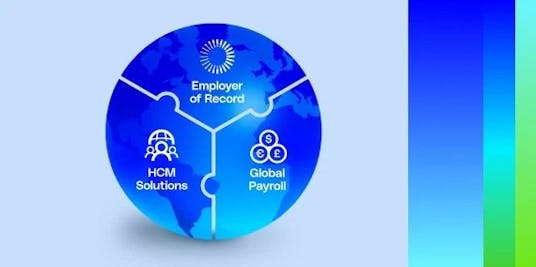
As a global employer of record (EOR), G-P manages all aspects of global employment, from drafting compliant employment contracts to payroll and offboarding. We handle the admin and legal side of hiring, so you can build teams in 180+ countries — including Greece — without setting up a new entity.
With G-P EOR, you have a dedicated team by your side handling the entire employment lifecycle — so you can focus on your business.
Simplify hiring in Greece with an employer of record
A Greece EOR makes compliance easy from day one. An EOR handles the complexities of local regulations, so you don’t have to.
The EOR hiring process in Greece
- Partner with a global employment expert. Choose an EOR with proven expertise in Greece as they’ll guide you through the legal ins and outs.
- Source your ideal candidate. You find the best talent for your needs, and the EOR handles the rest.
- Draw up a compliant employment contract. Your EOR drafts a locally compliant contract that reflects all mandatory terms under Greek labor law, including salary, working hours, and notice periods.
- Onboard and manage your team. The EOR manages all aspects of the employment lifecycle. This includes registering the professional with Greece’s tax agency and social security system (the Electronic National Social Security Fund, or e-EFKA), processing payroll, and administering benefits.
A Greece EOR keeps your business compliant by:
- Ensuring alignment with local regulations: A Greece EOR manages the complexities of Greek labor laws, payroll regulations, tax obligations, and benefits requirements.
- Providing compliant contracts: A Greece employer of record ensures employment contracts are fully compliant, up-to-date, and written in Greek.
- Managing payroll and taxes: A Greece EOR handles payroll calculations, including tax and social security withholdings and remittances, and manages the unique 14-month salary structure.
- Administering leave and benefits: A Greece EOR takes care of sick pay in coordination with e-EFKA.
- Navigating termination and severance: A Greece employer of record handles offboarding with care and manages severance pay based on years of service.
Watch how an employer of record works
Employment contracts in Greece
By law, you must provide professionals with a written contract outlining employment terms within seven days of starting work.
The contract must be in Greek and include core details like start date, job title, salary, working hours, leave, and termination requirements. An offer letter and employment contract should state compensation amounts in euros (EUR).
Using a Greece EOR ensures employment contracts are fully compliant and up-to-date with Greek labor law.
Leave entitlements in Greece
Working hours in Greece
The workweek in Greece is 40 hours. Employees can work up to 150 hours of overtime per year, with a daily overtime limit of three hours. Any overtime beyond these limits requires special approval from the authorities and is subject to higher compensation rates and potential penalties.
In Greece, overwork (yperergasia) and overtime (yperoria) are different legal concepts with different rules and compensation:
- Overwork = extra hours within statutory limits, no pre-approval needed
- Overtime = hours beyond statutory limits that must be pre-approved by the ERGANI system
Type of workweek | Type of work | Hours worked | Hourly pay |
|---|---|---|---|
5 day | Overwork | 41–45 | Hourly rate + 20% |
Overtime | 46+ | Hourly rate + 40% | |
6 day | Overwork | 41–48 | Hourly rate + 20% |
Overtime | 48+ | Hourly rate + 40% |
Certain managerial-level employees are typically exempt from these working time regulations.
Public holidays in Greece
Private-sector employees in Greece are entitled to nine paid public holidays:
- New Year's Day
- Epiphany
- Independence Day
- Easter Monday
- Labor Day
- Assumption of Mary
- Ochi Day
- Christmas Day
- Second Day of Christmas
Clean Monday, Good Friday, and Holy Spirit Monday aren’t mandatory public holidays for all private sector employees unless a collective agreement or company policy says so. However, they’re observed as public holidays in the public sector and in certain industries by custom or agreement.
Vacation days in Greece
Annual leave increases with an employee's length of service. For a standard five-day workweek:
- During the first calendar year with the same employer: Employees accrue 20 days of leave on a pro-rata basis
- After one year with the same employer: 21 days
- After two years with the same employer: 22 days
- After 10 years with the same employer or 12 years’ total service: 25 days
- After 25 years’ total service: 26 days
Sick leave in Greece
Employees are entitled to paid sick leave. The employer pays 50% of the employee’s daily wage for the first three calendar days of sickness. From the fourth day onward, payment is a combination of employer contributions and sickness benefits from e-EFKA — Greece’s Electronic National Social Security Agency. The amount that an employer pays depends on how long an employee has worked at the company:
- Up to one year: Employer pays up to half a month's salary
- More than one year: Employer pays up to one month's salary
A Greece employer of record manages these calculations and coordinates with e-EFKA to process the correct sick pay. This ensures you stay compliant with Greek labor law and your team members get the right compensation.
Maternity, paternity, and parental leave in Greece
- Maternity leave: Pregnant employees are entitled to 17 weeks of leave (eight weeks before and nine weeks after birth). This is paid through e-EFKA.
- Paternity leave: Fathers are entitled to 14 days of paid leave, taken at the time of the child's birth. This is paid by the employer.
- Parental leave: Each parent is entitled to four months’ parental leave until the child turns eight. For the first two months of this leave, the employee gets an allowance, set at the minimum wage, from the Public Employment Service (DYPA).
- Childcare leave: Parents can reduce their working hours, usually by one hour per day or take this time as a block of paid leave instead (by agreement with their employer).
How an employer of record in Greece helps manage leave entitlements
A Greece EOR ensures you comply with the country’s complex leave laws by managing entitlements, from annual and sick leave to parental and other required time off. Use G-P EOR to reduce the risk and complexity of leave management.
Healthcare and supplementary benefits in Greece
Employees and employers contribute to e-EFKA, which provides employees and their families with state healthcare. While the public system is comprehensive, many employers offer supplementary private health insurance to attract top talent. An EOR can help administrate state and private benefits.
Employers must cover work-related expenses for remote employees, such as home office, internet, and equipment maintenance costs.
Learn more about visas for remote workers.
Bonuses and 14th-month pay in Greece
A 14-month salary is unique to Greece. The year’s salary is paid in 14 installments. In addition to 12 monthly payments, employees get:
- Christmas bonus: One month's salary, paid by December 21
- Easter bonus: A half month's salary, paid before Holy Wednesday
- Holiday bonus: A half month's salary, paid when annual leave is taken
How an employer of record helps with benefits in Greece
A Greece employer of record makes sure all compensation and benefits — including bonuses and salary installments — meet Greek labor law requirements. It also manages the complex payroll schedule for you, keeping payments accurate and compliant.
Termination and severance in Greece
Employers don’t need to give notice or pay severance for termination during the first 12 months of employment under an indefinite contract. After this, notice and severance processes apply. Severance is reduced by 50% if notice is given.
If an employer terminates an employee without notice after 12 months of employment, full severance pay is mandatory. The amount is based on years of service with the employer.
The following severance amounts apply for termination without notice:
- One to four years of service: Two months' salary
- Four to six years: Three months' salary
- Six to eight years: Four months' salary
- Eight to 10 years: Five months' salary
- More than 10 years: The amount increases, depending on years of service, up to 12 months' salary for more than 16 years’ service
Termination regulations are complex. Partnering with an EOR Greece ensures you comply with national labor laws. This involves navigating termination rules, calculating correct severance pay, managing notice periods, and handling probationary period terminations or severance.
Payroll and taxes in Greece
Employers and employees must contribute to e-EFKA. As of 2025, standard employer contributions can be up to 22.29%, and employee contributions range from 13.87–15.72% of gross salary, subject to caps. Income tax is progressive, meaning the rate increases as income rises, and the employer withholds it directly from the employee’s pay.
An EOR Greece manages all payroll calculations, including tax and social security withholdings and remittances.
Choosing the right EOR in Greece
When selecting a Greece EOR, consider the following:
- Expertise in Greek labor law: Look for an EOR with a deep understanding of Greek labor law, social security regulations, and the unique 14-month salary structure.
- Comprehensive offering: The right partner offers a range of global employment solutions to manage the employee lifecycle.
- Transparent costs: Look for transparent pricing to accurately budget for your global employment needs.
- Technological capabilities: An EOR that uses AI technology like G-P can streamline onboarding, management, and payment processes. This ensures secure and efficient management of employee data, payroll, and compliance.
- Reputation and industry leadership: Research the EOR's reputation. G-P is the #1 EOR according to all industry analyst reports. Customer testimonials and case studies are also important when choosing an EOR.
Use G-P EOR for global hiring in Greece
G-P EOR is the award-winning, AI-enabled global hiring solution that empowers startups, SMBs, and enterprise businesses to build global teams with ease. Onboard, manage, and pay top talent in over 180 countries in minutes, without the complexity of local entity setup.
G-P EOR is the preferred partner for leading HCM, PEO, and payroll platforms. Bring your workforce data together in one place to maintain existing workflows while guaranteeing consistent and accurate data across your integrated systems.
Request a proposal to start hiring in Greece today.