


הקמת חברת בת בצרפת דורשת זמן, משאבים והבנה ברורה של דרישות החוק והמיסוי המקומיות. מורכבות זו יכולה להאט את תוכניות הגיוס שלכם ולהוביל מועמדים לבחון הזדמנויות אחרות.
G-P מציעה אלטרנטיבה להקמת חברה בת משלך. במקום לבחור בנתיב הבת המסורתי בצרפת, אנו יכולים לזרז את הכניסה שלכם - אין צורך בישויות חדשות - כך שתוכלו להתחיל את הפעילות תוך דקות במקום חודשים.
כיצד להקים חברת בת בצרפת
חברת בת (filiale) היא ישות משפטית נפרדת. היא בבעלות חברת אם אך פועלת באופן עצמאי, עם זהות משפטית, נכסים והתחייבויות משלה. חברת הבת אחראית על עמידה בחוקים הצרפתיים, לרבות תקנות מס, חשבונאות ותעסוקה. האחריות של חברת אם מוגבלת בדרך כלל להשקעתה בחברה הבת. זהו כלל ברירת המחדל, לא כלל מגן מוחלט, ויכולים לחול חריגים על ערבויות, ניצול לרעה, בלבול בנכסים או בניהול, התנהגות בלתי הולמת ישירה, בעיות חדלות פירעון או חובות ערנות.
לפני שתקים חברה בת בצרפת, זהה את סוג הישות שאתה צריך. רוב החברות הבינלאומיות בוחרות בחברה פרטית בערבון מוגבל (société à responsabilité limitée, או SARL) או חברה משותפת פשוטה (société par actions simplifiée, או SAS).
חברות עם בעל מניות אחד יכולות להקים ארגון עצמאי עצמאי באחריות מוגבלת (EURL), הצורה החד-חברית של SARL. אחריות בעל מניות מוגבלת בדרך כלל לתרומותיהם., כלומר "חברה, אחריות מוגבלת לחבר יחיד."
חברה פרטית בערבון מוגבל (SARL)
ל-SARL יש מסגרת משפטית נוקשה עם כללים רבים שנקבעו בחוק. על חברות SARL להיות בעלות:
- בעלי מניות: 1–100 בעלי מניות. SARL בעל מניות יחיד נקרא בדרך כלל EURL.
- הון: לפחות 1 אירו בהון מניות עבור SARL. הון המניות נקבע בתקנון החברה ויכול להיות תרומות במזומן או בעין.
- הנהלה: מנהל אחד או יותר (gérants). לא ניתן למנות ישות משפטית כמנהל של ה-SARL.
חברת מניות פשוטה (SAS)
SAS בצרפת בדרך כלל קל יותר להקמה ולניהול. זה פופולרי בקרב משקיעים גלובליים משום שהוא מציע גמישות באופן שבו העסק מנוהל ואורגן. עליהם להיות:
- בעלי מניות: לפחות בעל מניות אחד. SAS בעל מניות יחיד נקרא בדרך כלל SASU.
- הון: לפחות 1 אירו בהון מניות.
- הנהלה: נשיא, שיכול להיות אדם פרטי או ישות משפטית.
סניף לעומת חברת בת
סניף (succursale) הוא המשרד המקומי של חברת אם. סניף (succursale) אינו ישות משפטית נפרדת מהחברה אם. חברת אם אחראית במלואה לפעילות הסניף, חובות, התחייבויות חוזיות, התחייבויות תעסוקה, התחייבויות מס והתחייבויות משפטיות נוספות בצרפת. סניף אינו ישות משפטית נפרדת — הוא המשך של חברת אם. סניף חייב להירשם ברשויות הצרפתיות ולעמוד בתקנות המקומיות.
הקמת חברת בת או סניף תלויה במטרות העסקיות שלך. חברת בת יכולה להגן על החברה העיקרית שלך מפני סיכונים בצרפת, אך עלויות תחזוקה גבוהות ודרישות ניירת מצטברות במהירות.
סניף הוא שלוחה של החברה העיקרית שלך בצרפת. זה קל וזול יותר להקים, אבל החברה העיקרית שלך אחראית מבחינה חוקית לכל מה שהסניף עושה.
שלבים להקמת חברת בת בצרפת:
- טיוטת תקנון ההתאגדות: הכינו וחתומו על תקנון החברה, שמגדירים את מטרתה, כיצד היא תנהל וכיצד היא תפעל.
- הון מניות בפיקדון: פתח חשבון בנק של החברה בצרפת והפקיד את ההון הראשוני. הבנק ינפיק תעודת פיקדון (certificat de dépôt des fonds) הדרושה לרישום.
- אבטחת כתובת: עליך להיות בעל כתובת פיזית רשומה בצרפת. ניתן להשיג זאת באמצעות חוזה שכירות מסחרי, מגורים חברה, או רכישת נכס.
- פרסם הודעה על תאגוד: הודעה עם מידע על החברה החדשה חייבת להתפרסם בכתב עת משפטי מורשה או בשירות הודעות משפטיות מקוון (Journal d'Annonces Légales, או JAL).
- הגש מועמדות באופן מקוון: הגש את כל המסמכים המלאים דרך הפורטל המקוון הרשמי Guichet unique des formalités des entreprises , המופעל על ידי INPI. על המסמכים לכלול את תקנון ההתאגדות, תעודת הפקדת הון, הוכחת כתובת, הודעת פרסום של JAL ופרטים על המנהלים או הדירקטורים.
- הירשמו: לאחר האישור, החברה שלך תירשם ברשימת המסחר והחברות (Registre du commerce et des sociétés, RCS), ותקבל קטע Kbis, שהוא המסמך הרשמי שמוכיח את קיומה החוקי של חברה ורישום בצרפת.
חוקים ודרישות של חברות בנות בצרפת
עליך לעמוד במספר חוקים ודרישות כדי להקים חברת בת בצרפת:
- ניהול: נשיא או מנכ"ל בדרך כלל אינו חייב להיות תושב צרפת. אזרחים שאינם תושבי האיחוד האירופי/EEA/שוויץ אשר יחיו או יעבדו בצרפת עשויים להזדקק לאישור הגירה ועבודה מתאים.
- מבקר סטטוטורי: חברות בת בצרפת (SAS או SARL) זקוקות למבקר סטטוטורי (commissaire aux comptes) אם החברה חורגת משני הספים הבאים: 5 מיליון אירו במאזן הכולל, מחזור 10 מיליון אירו נטו, או ממוצע של 50 עובדים.
- מיסוי: חברות בנות משלמות מס הכנסה חברות. דיבידנדים שמשולמים לחברת אם שאינה תושבת כפופים בדרך כלל למס מניעה של 25%, אלא אם כן הם מופחתים או פטורים לפי אמנת מס או כללי האיחוד האירופי החלים. ניתן להפחית או להסיר זאת במסגרת אמנות למניעת כפל מס או הנחיית חברות אם-בנות של האיחוד האירופי, המונעות מס כפול על אותם רווחים.
- דיווח: חברות בדרך כלל מגישות דוחות כספיים שנתיים מדי שנה. חברות SARL ו-SAS בדרך כלל מגישות דוחות שנתיים מאושרים לרשם בית המשפט המסחרי. הם חייבים גם לעמוד בדרישות ביטוח לאומי ודרישות מנהליות נוספות.
יתרונות של חברות בנות בצרפת
- נוכחות מקומית: הקמת חברת בת מעניקה לכם נוכחות רשמית ומוכרת בצרפת, שיכולה להגביר את האמינות שלכם מול לקוחות, שותפים ורשויות.
- גישה לשוק: חברות בנות מעניקות לך גישה קלה יותר לשווקי צרפת והאיחוד האירופי.
- הפרדה משפטית: חברת הבת היא ישות משפטית נפרדת, ולכן אחריות חברת אם מוגבלת להשקעתה בחברה הבת, ומגנה על נכסי החברה האם.
- גיוס כישרונות: חברת בת מאפשרת לך להעסיק עובדים ישירות באמצעות חוזי העסקה בצרפת, מה שיכול לעזור למשוך כישרונות מקומיים.
- הטבות מס: חברות בנות עשויות ליהנות מתמריצי מס מקומיים או אמנות מס, בהתאם לפעילותן ולמבנה שלהן.
חסרונות של חברות בנות בצרפת
- הקמה מורכבת: חברות בנות כוללות שלבים מנהליים, תיעוד משפטי ותאימות משפט תאגידי.
- תאימות: שמירה על תקנות החשבונאות, המס והתעסוקה של צרפת היא עבודה במשרה מלאה.
- עלויות: חברות בנות מגיעות עם עלויות הקמה ושוטפות גבוהות יותר עבור תמיכה משפטית, חשבונאית ותפעולית.
- דרישות ניהול: למרות שמנהלים אינם חייבים להיות תושבי צרפת, לעיתים נדרשת מומחיות מקומית לתאימות.
- פירוק: סגירת חברת בת גוזלת זמן ויקרה עקב הדרישות המשפטיות והמנהליות של צרפת.
אלטרנטיבה להקמת חברת בת בצרפת
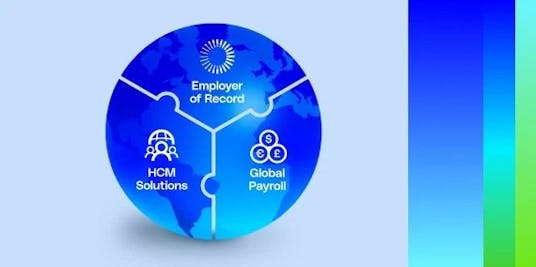
G-P מאפשר לך לגייס כישרונות תוך דקות בלי הטרחה של הקמת ישויות. היתרונות בשימוש במעסיק רשום (מעסיק רשום) בצרפת כוללים:
- כניסה מהירה לשוק: Employer of Record מאפשר לך לגייס כישרונות מיד ללא תהליך ארוך של הקמת ישות משפטית. הקמת חברת בת יכולה להימשך חודשים עקב דרישות רגולטוריות, בנקאיות ומנהליות.
- הבטחת תאימות: חוקי התעסוקה בצרפת מורכבים ומגנים על העובדים. מעסיק רשום מבטיח תאימות עם קוד העבודה (Code du Travail ), הסכמי מו"מ קיבוצי (קולקטיבים של קונבנציה), תקנות שכר, ניכויי מס והטבות סטטוטוריות.
- יעילות עלויות: הקמה ותחזוקה של SARL כרוכות בעלויות ראשוניות ושוטפות משמעותיות, כולל שכר טרחת עורכי דין, חשבונאות, ניהול מקומי ותקורות אדמיניסטרטיביות. מעסיק רשומה הוא חסכוני יותר, במיוחד אם אתה שוכר צוות קטן או בודק את השוק בצרפת.
- פשטות מנהלית: עם מעסיק רשום, אין צורך לדאוג לנטל המנהלי של ניהול שכר, תשלומים חברתיים חובה, הגשות מס ומשאבי אנוש תאימות. מעסיק הרשומה מטפל בכל זה, כך שתוכל להתמקד בעסק שלך.
- גמישות: הסדר של מעסיק רשום קל יותר להגדלה או הקטנה לעומת חברה בת.
- הפחתת סיכונים: מעסיק רשומה מנהל את הסיכונים המשפטיים הקשורים לתעסוקה, כמו סיווג עובדים, ומעניק לך שכבת הגנה נוספת.
היכנסו לשווקים חדשים עם GP - אין צורך בישויות חדשות
הקמת חברת בת או ישות משפטית בצרפת היא יקרה וגוזלת זמן. G-P Employer of Record מאפשר לך להעסיק כישרונות תוך דקות בלי הטרחה והסיבוכים של חברת בת.
בקש הצעה עוד היום כדי ללמוד עוד על מוצרי התעסוקה הגלובליים שלנו ועל פתרונות מעסיקים רשומים.
שאלות נפוצות
מהי הצהרת בעלים מועיל ומתי היא נדרשת?
הצהרה זו מזהה את האנשים הטבעיים שבבעלותם או שולטים בסופו של דבר בחברת הבת הצרפתית. דווח על כל אדם המחזיק, במישרין או בעקיפין, ביותר מ- 25% מההון או מזכויות ההצבעה, או מפעיל שליטה באמצעים אחרים. אם אף אדם לא מזוהה לאחר בדיקת נאותות, יש לדווח על הנציג המשפטי כברירת מחדל. הגשת INPI תאגוד כוללת בדרך כלל הצהרה זו. יש להגיש כל שינוי תוך 30 ימים.
מתי נדרש פרסום הודעה משפטית לתאגוד?
בעת הקמת חברת בת בצרפת, עליך לפרסם הודעת תאגוד כחלק מתהליך היווצרות. יש להציב את ההודעה בכלי מודעות משפטי מורשה במחלקה של המשרד הרשום. עליך לצרף הוכחת פרסום לקובץ הרישום.
אילו רישומי מס חלים על מס הכנסה חברות ומע"מ?
חברת בת צרפתית כפופה למס הכנסה חברות צרפתי על רווחים חייבים במס. שיעור מס הסטנדרטי הוא 25%. התחייבויות מע"מ תלויות בפעילויות חייבות במס, מחזור, משטר מע"מ ועסקאות חוצות גבולות. שיעור המע"מ הסטנדרטי הוא 20%, כאשר שיעורים מופחתים חלים על אספקה ספציפית. פרטי ההתאגדות מועברים לרשויות הרלוונטיות באופן אוטומטי. חברות הנתמכות חייבות לאשר את משטר המס החל, הפעלת מע"מ ומספר המע"מ עם יועץ מס מקומי או משרד מס עסקים מוסמך.
מהם ההבדלים העיקריים בין חברת בת לסניף בצרפת?
חברת בת — filiale — היא ישות משפטית צרפתית נפרדת, המאורגנת בדרך כלל כ-SAS או SARL. סניף — succursale — אינו בעל אישיות משפטית נפרדת ופועל כחלק מהחברה הזרה. חברת בת מגבילה את אחריות החברה האם להשקעות ההון שלה. סניף משאיר את חברת אם אחראית ישירות לכל ההתחייבויות. שני המבנים דורשים רישום צרפתי ותאימות, אך חברת בת שומרת על ממשל עצמאי ודרישות תאגידיות שנתיות.
איזו צורה משפטית מתאימה לחברת בת בבעלות זרה: SAS או SARL?
קבוצות בינלאומיות המקימות חברת בת צרפתית בוחרות לעיתים קרובות ב-SAS משום שהיא מציעה ממשל גמיש, תקנון התאמות ואופציה לבעל מניות יחיד הנקראת SASU. SAS חייב למנות נשיא. ל-SARL יש כללי ממשל מחייבים, דורש מנהל אחד או יותר - gérants - ובדרך כלל מחזיק 2-100 בעלי מניות. טופס ה-SARL של חבר יחיד הוא EURL. הצורה האופטימלית תלויה במבני ממשל, אסטרטגיות מימון, מיצוב מס ודרישות ביטוח לאומי של המנהלים.
כיצד בוחרים ומוכיחים כתובת משרד רשומה בצרפת?
חברת בת צרפתית חייבת להחזיק משרד רשום בצרפת ולהציג הוכחת תאגוד מאושרת במהלך ההגשה. הוכחה סטנדרטית כוללת חוזה שכירות מסחרי, שטר נכס, הסכם מגורים או ראיות תפוסה בסגנון שירות המקובלות על ידי רשם הנכסים. ניתן להשתמש בכתובת הבית של נציג משפטי בהתאם לכללי חוזה שכירות, בעלות משותפת, תכנון והודעה ספציפיים. מגורים זמניים בבית מגורים פרטי מוגבלים לחמש שנים.
איך רושמים חברת בת צרפתית דרך INPI Guichet Unique?
השלם את ההרשמה באופן מקוון דרך פורטל Guichet Unique של INPI. ההגשה כוללת בדרך כלל:
תקנון התאגדות חתום
ראיות למינויים ניהוליים
הוכחת כתובת המשרד הרשום
תעודת פיקדון הון
פרטי המנוי
תעודת פרסום של הודעה משפטית
מידע על הבעלים המוטב
מסמכי זהות והצהרות אי-הרשעה בשבועה
אישורים רגולטוריים נדרשים
לאחר הקבלה, הרישום רושם את החברה ל-RNE ול-RCS, מנפיק מזהי SIREN ו-SIRET, ומייצר את מייצר ה-Kbis.
מה נדרש כדי למנות דירקטורים או מנהלים עבור SAS או SARL?
על SAS למנות נשיא אחד, שיכול להיות אדם פרטי או ישות תאגידית. נשיא תאגיד דורש נציג קבוע אישי. על SARL למנות מנהל אחד או יותר של אדם פרטי. הצוות חייב לאשר מינויים דרך תקנון האגודה או החלטה רשמית של החברה. נציגים יחידים מגישים מסמכי זהות לצד הצהרות אי-הרשעה והצהרות הורות בשבועה. אזרחים שאינם תושבי האיחוד האירופי העוברים לגור ולעבוד בצרפת חייבים להשיג אישור הגירה.
אילו מסמכים הורה אמריקאי חייב לספק כדי להתאגד בצרפת?
חברת אם אמריקאית מספקת הוכחות חוקיות מאושרות, כתבי זכויות תאגידיים והחלטות מועצה מורשות המאשרת את החברה הבת הצרפתית, רשום מניות והקצאת הון. תהליך ההגשה דורש הוכחת סמכות חתום, רשומות שרשרת בעלות, תיעוד UBO ואימות זהות לנציגים. רשומות צרפתיות, בנקים ורשויות מס עשויים לדרוש אפוסטיל ותרגומים מאושרים לצרפתית, בהתאם לסמכות השיפוט של המדינה ולמבנה הבעלות.
איך מפקידים הון מניות עבור חברת בת צרפתית ומקבלים הוכחה לכך?
הפקד הון מניות אצל בנק מורשה או נוטריון לפני תאגוד סופי. המוסד מוציא אישור מאגר הכספים הנדרש לרישום. בתאגוד, המייסדים חייבים לשלם לפחות 50% מההון המזומן של SAS ו- 20% מההון המזומן של SARL. הצוות חייב לשלם את היתרה הנותרת בתוך חמש שנים. החוק הצרפתי אינו קובע הון מינימלי סטטוטורי מעשי עבור SAS או SARL, אך חברות חייבות לממן הון חוזר מספיק כדי לכבוש את השוק. הבנק משחרר כספים שהופקדו לאחר הרישום והנפקת Kbis.