





Principais conclusões
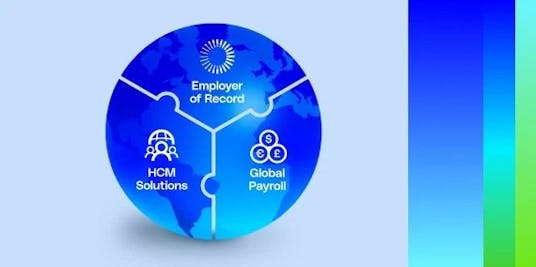
- EORs possibilitam contratações globais: Um Empregador de Registro (EOR, na sigla em inglês) permite que você contrate funcionários de longo prazo em todo o mundo sem precisar abrir novas empresas ou lidar com benefícios e conformidade com as leis locais.
- As empresas guarda-chuva focam na folha de pagamento: Uma empresa guarda-chuva atua como intermediária para os contratados, gerenciando os impostos de pagamento conforme o rendimento (PAYE) e a emissão de faturas dentro de um único país.
- A principal diferença reside no âmbito de atuação: os EORs gerenciam todo o risco jurídico e trabalhista de ponta a ponta, além-fronteiras. As empresas guarda-chuva se concentram especificamente no processamento da folha de pagamento de trabalhadores temporários.
Conciliar a conformidade com as prioridades de negócios torna-se mais complexo à medida que você cresce em novos mercados e expande sua equipe. As empresas empregadoras oficiais (EORs) e as empresas guarda-chuva podem simplificar a gestão da força de trabalho, mas cada uma tem seu próprio caso de uso e vantagens.
Este guia explicará as diferenças entre as estruturas de EOR (Empresa de Reserva de Emprego) e de empresa guarda-chuva para que você possa encontrar a abordagem certa para o seu negócio.
O que é um Employer of Record?
Um EOR atua como empregador legal em nome de outra empresa. Uma EOR permite contratar funcionários em todo o mundo sem precisar estabelecer uma entidade local em cada país.
Embora você mantenha o controle sobre o trabalho diário dos funcionários, o EOR (Empresa de Recursos Humanos) cuida da conformidade, folha de pagamento, impostos, benefícios e outras funções de RH. A parceria com uma empresa de recuperação de empregos (EOR) ajuda você a:
- Contrate funcionários em qualquer lugar do mundo.
- Simplifique os processos de folha de pagamento, retenção de impostos e administração de benefícios.
- Minimize os riscos de não conformidade confiando o cumprimento das normas a um parceiro especializado.
O que é uma empresa guarda-chuva? ?
O termo " empresa guarda-chuva" refere-se a uma entidade que facilita o trabalho por contrato. As empresas guarda-chuva também são conhecidas como empresas guarda-chuva de pagamento conforme o rendimento (PAYE, na sigla em inglês), o que significa que utilizam o sistema PAYE para deduzir impostos. São entidades intermediárias entre empresas e trabalhadores temporários ou contratados.
Uma empresa guarda-chuva é uma empregadora legal, mas apenas administra as deduções e contribuições e repassa os pagamentos da empresa ou agência para o contratado. Entretanto, a empresa ou agência continua responsável por supervisionar a direção do trabalho, gerenciar expectativas e entregas, e garantir a conformidade.
Principais diferenças entre empresas de recuperação de petróleo (EORs) e empresas guarda-chuva.
As empresas de representação empresarial (EORs) e as empresas guarda-chuva atuam como empregadoras legais e intermediárias entre empresas e trabalhadores. Ambas podem auxiliar na folha de pagamento, dar suporte à conformidade e assumir algumas responsabilidades do empregador. No entanto, o âmbito do apoio e da responsabilidade que cada abordagem oferece é diferente:
- Escopo dos serviços: Os EORs (Employee Resources) otimizam uma ampla gama de tarefas de RH, incluindo integração de novos funcionários, contratos, remuneração e benefícios. As empresas guarda-chuva concentram-se no processamento da folha de pagamento e em tarefas administrativas básicas.
- Tipo de emprego: As agências de emprego focam-se em empregos de longo prazo, embora alguns fornecedores, como a GP EOR ™ também apoiem contratados e trabalhadores temporários. As empresas guarda-chuva trabalham com contratados e funcionários temporários.
- Suporte à conformidade: Os Representantes Empresariais (EORs) oferecem suporte abrangente para o cumprimento das leis trabalhistas locais. As empresas guarda-chuva auxiliam na conformidade com a folha de pagamento, incluindo impostos e contribuições, mas não necessariamente fornecem outros serviços ou suporte jurídico.
- Alcance: As empresas de pesquisa ambiental (EORs) possuem subsidiárias globais e conhecimento especializado local para dar suporte à expansão em conformidade com as normas para novas localidades. As empresas guarda-chuva têm um foco mais restrito e experiência internacional limitada, geralmente operando dentro de um único país. São comuns no Reino Unido e na França. Na França, os contratos de trabalho temporário e as empresas que os facilitam são regulamentados pelo modelo de "entreprise de portage salarial" .
- Controle e flexibilidade: as EORs oferecem acesso a talentos globais e permitem contratar o candidato de sua escolha. As empresas guarda-chuva, muitas vezes ligadas a empresas de recrutamento, podem limitar o acesso a talentos e criar um relacionamento mais distante.
- Mitigação de riscos: os Engenheiros de Recuperação Avançada (EORs) gerenciam todos os aspectos da conformidade. As empresas guarda-chuva transferem mais responsabilidades de conformidade para os clientes e oferecem um escopo de suporte mais restrito.
- Estrutura de taxas: As principais empresas de recuperação avançada de petróleo, como a GP EOR, possuem uma estrutura de taxas clara e previsível. O preço do G-P EOR começa em USD 599 por mês (por funcionário) e não cobra uma porcentagem da folha de pagamento. Entender as taxas cobradas por empresas guarda-chuva pode, por vezes, ser mais complexo, o que pode afetar as empresas e os contratados que trabalham com elas.
| Recurso | Empregador Registrado | Empresa guarda-chuva |
|---|---|---|
| Escopo dos serviços | Contratos de trabalho, integração de novos funcionários, folha de pagamento, benefícios e administração de pessoal local. | Folha de pagamento, deduções fiscais no estilo PAYE, faturamento, recibos de pagamento e administração de emprego relacionada a trabalhos temporários. |
| Tipo de emprego | Normalmente usado para funcionários, incluindo contratações de longo prazo ou em tempo integral. | Geralmente usado para trabalhadores temporários, de agência ou por projeto. |
| Suporte à conformidade | Apoia uma maior conformidade com as leis trabalhistas locais, mas não elimina todos os riscos para o cliente. | Auxilia no cumprimento das obrigações tributárias sobre a folha de pagamento e na administração relacionada ao emprego. Riscos mais amplos relacionados ao emprego e à cadeia de suprimentos podem persistir. |
| Alcance geográfico | Cobertura em vários países ou global, dependendo da operadora. | Geralmente específico para cada país ou mercado. |
| Acesso a talentos | Auxilia na contratação de candidatos selecionados pelo cliente nos países apoiados, sujeitos aos requisitos locais. | Não contrate trabalhadores terceirizados. Trabalha em parceria com agências de recrutamento ou de seleção de pessoal. |
| Mitigação de riscos | Assume muitas responsabilidades legais de empregador, mantendo algumas responsabilidades com o cliente. | Responsável pela folha de pagamento/administração do empregador para o projeto, mas as agências ou clientes finais podem manter a responsabilidade jurídica, tributária e operacional. |
| Estrutura de taxas | Geralmente, os preços são baseados em assinatura ou por funcionário. G-P EOR começa em USD 599 por mês (por funcionário). | Inclui uma margem de segurança ou taxa administrativa. |
Como funciona a folha de pagamento de uma empresa guarda-chuva? (Estilo PAYE)
A gestão de folha de pagamento por meio de empresas guarda-chuva pode simplificar os pagamentos para trabalhadores temporários ou contratados, ao mesmo tempo que oferece suporte à conformidade tributária do sistema PAYE (Pay As You Earn), especialmente em mercados como o Reino Unido. Eis como funciona o processo:
- Você concorda com os termos do contrato. Você concorda com os termos de atribuição do trabalhador, a remuneração e os detalhes do projeto com a empresa intermediária.
- O trabalhador entrega as folhas de ponto. O trabalhador registra suas horas ou dias trabalhados. A folha de horas aprovada é então usada para calcular o pagamento da tarefa.
- Você receberá uma fatura. A empresa guarda-chuva emite faturas referentes ao tempo do trabalhador, juntamente com qualquer margem ou taxa de gestão acordada.
- Os descontos na folha de pagamento são calculados. Após o recebimento do pagamento, a empresa intermediária processa a folha de pagamento.
- O trabalhador recebe o pagamento. A empresa intermediária paga ao trabalhador seu salário líquido e fornece um recibo de pagamento mostrando o salário bruto, os descontos e o salário líquido.
Utilizar o sistema de folha de pagamento PAYE (Pay As You Earn) economiza tempo. Você evita o trabalho administrativo de gerenciar uma folha de pagamento separada para funcionários temporários e reduz o risco de multas caras por classificação incorreta.
É um empresa guarda-chuva O mesmo que uma agência de recrutamento?
Não. Embora ambas trabalhem com trabalhadores temporários, elas lidam com partes completamente diferentes do processo.
Uma agência de recrutamento encontra e coloca talentos em suas vagas em aberto. Eles encontram candidatos, analisam currículos e selecionam os profissionais adequados às necessidades específicas do seu projeto.
Uma empresa guarda-chuva atua como empregadora legal e processadora de folha de pagamento. Eles não contratam funcionários. Em vez disso, eles entram em cena depois que você encontra um contratado e cuidam da folha de pagamento, das deduções de impostos e da administração do contrato de trabalho.
Compreender essa distinção ajuda você a criar a estrutura ideal para o seu negócio:
| Recurso | Agência de recrutamento | Empresa guarda-chuva |
|---|---|---|
| Foco principal | Recrutamento e colocação de talentos | Contratação de trabalhadores temporários e processamento da folha de pagamento/deduções de PAYE (Imposto de Renda Retido na Fonte). |
| Apoio ao recrutamento | Sim | Não |
| Status legal do empregador | Varia (geralmente aloca trabalhadores) | Frequentemente, no Reino Unido, o empregador do trabalhador é o responsável pelos contratos de trabalho temporário. |
| Quando usar | Você precisa de ajuda para encontrar trabalhadores temporários ou empreiteiros? | Você já contratou o trabalhador e precisa de uma estrutura de folha de pagamento/administração de pessoal em conformidade com a legislação. |
Prós e contras de usar um empresa guarda-chuva
Uma empresa guarda-chuva pode simplificar os pagamentos a contratados ou trabalhadores temporários, mas pode não ser adequada para todas as situações de contratação. Analisar os prós e os contras ajuda você a decidir se este modelo se adequa à sua configuração atual.
Vantagens
- Economiza tempo administrativo. Dependendo da estrutura, você pode evitar processar a folha de pagamento diretamente para trabalhadores temporários ou gerenciar os impostos PAYE e as deduções da previdência social por conta própria.
- Reduz o risco de não conformidade. A empresa guarda-chuva gerencia as retenções de impostos, como o PAYE (Imposto de Renda Retido na Fonte) e as contribuições para a previdência social, reduzindo o risco de multas por classificação incorreta.
- Oferece integração rápida. Você pode ajudar os trabalhadores a começar e a receber pagamentos rapidamente, onde o modelo estiver configurado e em conformidade com as normas.
- Simplifica a emissão de faturas. Você recebe uma única fatura da empresa intermediária, em vez de gerenciar pagamentos para vários contratados individuais.
Desvantagens
- Suporte jurídico e de RH limitado. As empresas guarda-chuva concentram-se principalmente na folha de pagamento. Eles não substituem o suporte em questões como conformidade com as leis trabalhistas de longo prazo, estratégia de benefícios, imigração, planejamento da força de trabalho ou relações com os funcionários.
- Alcance geográfico limitado. As empresas guarda-chuva geralmente operam dentro de um único país, o que as torna menos adequadas para a contratação de uma equipe global.
- Taxas mais elevadas para empreiteiros. A empresa guarda-chuva cobra uma taxa de serviço do pagamento do contratado ou adiciona taxas à sua fatura.
- Menos controle sobre a experiência do trabalhador. Adicionar um intermediário entre você e seu empreiteiro pode criar distanciamento e complicar a comunicação.
Escolher entre uma EOR e uma empresa guarda-chuva
Dadas as diferenças entre as opções de EOR (Engineer of Recovery - Empresa de Recuperação Avançada) e empresa guarda-chuva, a escolha certa para sua empresa depende de suas necessidades e prioridades.
Se você deseja expandir para um novo mercado ou construir uma equipe distribuída, escolha um EOR (Empreendedor de Recuperação). As EORs possuem a infraestrutura e a experiência necessárias para dar suporte a contratações globais em conformidade com as normas. Uma EOR permite que você acesse rapidamente novos mercados e talentos sem o tempo e o custo de estabelecer uma entidade local. Você também pode desfrutar de flexibilidade e garantia de conformidade ao contratar e gerenciar funcionários em tempo integral, funcionários em tempo parcial ou contratados.
Se você precisa de ajuda apenas com o pagamento de contratados em um local onde já possui uma empresa, uma empresa guarda-chuva pode atender às suas necessidades.
O que verificar antes de escolher um empresa guarda-chuva
Escolher o parceiro guarda-chuva certo pode ajudar a reduzir os riscos relacionados à folha de pagamento e à cadeia de suprimentos, mas não elimina a responsabilidade.
Antes de assinar um contrato, verifique se o fornecedor possui certificações reconhecidas no setor e se cumpre as leis tributárias locais. Essa verificação pode evitar penalidades inesperadas de impostos sobre a folha de pagamento no futuro.
Em seguida, observe atentamente como eles cobram. Taxas transparentes da empresa guarda-chuva e prazos de pagamento claros garantem que não haja custos ocultos para transferências rápidas ou configuração de contratos. Você também deve confirmar a rapidez com que eles pagam seus contratados após receberem a fatura, pois atrasos podem prejudicar seu relacionamento com os melhores talentos.
Por fim, revise os termos do contrato e a cobertura do seguro. Certifique-se de que o fornecedor ofereça prazos de aviso prévio razoáveis e inclua coberturas essenciais, como seguro de responsabilidade civil e seguro de responsabilidade profissional. Verificar esses detalhes antecipadamente garante uma parceria sem complicações e mantém suas operações funcionando perfeitamente.
O que verificar antes de escolher uma empresa de recuperação avançada de petróleo (EOR)?
Encontrar a solução EOR certa pode ajudá-lo a expandir para novos mercados globais de forma rápida e legal.
Comece perguntando se o fornecedor possui entidades locais nos países que você pretende atingir. Empresas de pesquisa de mercado (EORs) com infraestrutura local própria podem oferecer maior segurança de dados, controle operacional direto e tempos de integração mais rápidos para seus candidatos.
Em seguida, avalie o nível de conformidade e a transparência dos preços. Procure fornecedores, como a GP EOR, que tenham especialistas jurídicos locais que elaborem contratos em conformidade com a lei, gerenciem pacotes de benefícios locais e protejam sua propriedade intelectual. Certifique-se de que a estrutura de taxas seja previsível para evitar cobranças inesperadas de adesão, margens de lucro cambiais ou taxas de rescisão ocultas no futuro.
Por fim, teste a plataforma tecnológica e a experiência do funcionário. Escolha um fornecedor com um software intuitivo que simplifique a administração da folha de pagamento, o controle de horas trabalhadas e as atualizações de contratos em um painel centralizado. Um suporte local robusto mantém seus funcionários internacionais engajados e apoiados desde o primeiro dia.
A crescente demanda por EORs (evolução de petróleo)
O Fórum Econômico Mundial prevê que, até 2030, os empregos digitais que podem ser realizados remotamente deverão crescer para mais de 90 milhões de vagas. Com o aumento do trabalho realizado em espaços digitais, as equipes de trabalho distribuídas tornam-se mais viáveis e comuns. Ao mesmo tempo, empresas de todos os portes estão utilizando as Regimes Empresariais de Exportação (EORs) para expandir seus negócios para novas localidades globais, sem o custo e a complexidade da constituição de uma entidade.
Esses fatores impulsionam a crescente demanda por EORs (Empresas de Recuperação de Emprego), que oferecem soluções rápidas, flexíveis e em conformidade com as normas para contratação e expansão global.
Contrate globalmente com a GP
Como líder reconhecida em recrutamento global, a GP ajuda empresas de todos os tamanhos a contratar, integrar e gerenciar equipes globais em mais de 180países. Nossos produtos de emprego globais e soluções de EOR, líderes do setor, contam com o respaldo da maior equipe de especialistas locais.
Entre em contato conosco hoje mesmo para descobrir como podemos ajudá-lo a contratar em qualquer lugar, de forma rápida e em conformidade com a lei.
Perguntas frequentes
Qual a diferença entre uma empresa guarda-chuva e uma empresa de responsabilidade limitada?
Uma empresa guarda-chuva contrata profissionais autônomos que assumem trabalhos temporários, geralmente por meio de agências de recrutamento. A empresa intermediária cuida dos impostos e da conformidade no processo de pagamento.
Uma sociedade limitada é uma entidade jurídica separada, detida por pelo menos um acionista. Uma empresa ou empreiteira pode constituir uma sociedade limitada, o que lhe confere maior controle sobre suas finanças e operações comerciais. Eles são responsáveis por gerenciar seus próprios impostos, contabilidade e conformidade com as normas legais. Essa estrutura é eficiente em termos fiscais, mas exige maior responsabilidade administrativa.
Como as empresas de registro de empregadores (EORs) e as empresas guarda-chuva garantem a classificação dos trabalhadores?
Um EOR atua como empregador legal e garante a conformidade com as leis trabalhistas locais, incluindo obrigações fiscais e direitos dos trabalhadores. Quer esteja a contratar um funcionário ou um prestador de serviços, os EORs (Employee Rights and Requirements - Registros de Empregadores ) mitigam os riscos de classificação incorreta de trabalhadores.
As empresas guarda-chuva simplificam a folha de pagamento e as deduções fiscais. Os contratados que atuam por meio de uma empresa guarda-chuva trabalham em regime temporário ou por projeto para empresas clientes. Isso pode simplificar as obrigações fiscais para os contratados e ajudar a manter claras as distinções entre funcionários e contratados. No entanto, as empresas guarda-chuva não possuem a experiência que as EORs têm em regulamentações de classificação de trabalhadores para funcionários e contratados, e não podem oferecer o mesmo nível de orientação.
Uma empresa de recuperação de empregos (EOR) oferece mais benefícios do que uma empresa guarda-chuva?
Sim, uma EOR pode ser mais vantajosa do que uma empresa guarda-chuva se você deseja expandir globalmente sem estabelecer uma entidade local. Os EORs (Employee Registered Officers) garantem a conformidade com as leis trabalhistas locais e gerenciam a folha de pagamento, as obrigações fiscais e os benefícios dos funcionários.
Uma empresa de engenharia de recuperação de petróleo (EOR) oferece mais estabilidade e supervisão do que uma empresa guarda-chuva, que é voltada para contratos de curto prazo. Além disso, uma empresa de recuperação avançada de petróleo (EOR) pode ser uma parceira estratégica em jurisdições com ambientes regulatórios complexos, reduzindo os riscos legais e financeiros.
Como as empresas de engenharia de registro (EORs) e as empresas guarda-chuva simplificam a rescisão de contratos?
Como empregador legal, o EOR (Employee Receipts) gerencia a rescisão contratual em estrita conformidade com as leis trabalhistas locais. Isso inclui dar o aviso prévio adequado, administrar a indenização por rescisão e cumprir todos os requisitos legais. As rescisões contratuais são conduzidas de forma justa para proteger tanto você quanto o trabalhador.
Trabalhar com empresas guarda-chuva geralmente é temporário ou por projeto, portanto, a rescisão e a indenização dependem dos termos do contrato e das regulamentações locais.
Quais são as desvantagens de uma empresa guarda-chuva?
Embora as empresas guarda-chuva ajudem a simplificar as relações entre empresas e contratados, elas apresentam limitações significativas, tais como:
O suporte de RH se limita principalmente ao processamento da folha de pagamento.
As empresas que estabelecem parcerias com empresas guarda-chuva podem ser responsabilizadas por erros de conformidade do prestador de serviços.
Trabalhar com uma empresa guarda-chuva é menos vantajoso em termos fiscais para o contratado do que operar sua própria empresa de responsabilidade limitada.
Algumas empresas guarda-chuva demoram a pagar ou fazem deduções excessivas dos pagamentos aos contratados.