






Key takeaways
- Accelerate market entry: A strong global mobility framework makes it easier to enter new markets faster with less time and money spent on establishing local operations.
- Manage cross-border compliance risks: Your global mobility practices should prioritize compliance to avoid complications involving immigration, taxes, payroll, and employee relocation.
- Use AI-powered technology: G-P's Global Employment Platform gives you the compliance assurance you need to hire anywhere and roll out your global mobility strategy.
Remote, hybrid, and dispersed workforces are more common than ever. Teams are no longer bound by the four walls of a traditional office. A global mobility strategy ensures that location flexibility doesn't come at the cost of unplanned compliance or tax liability. Here's how you can craft your own global mobility strategy to unlock the potential of the everywhere workforce.
What is global mobility?
Global mobility is the practice of relocating employees internationally for temporary or permanent roles. It includes:
- Short-term assignments that last a few months
- Long-term assignments
- Occasional business travel
- Permanent transfers
- Digital nomads
These arrangements need thorough planning and require managing immigration, complying with local labor laws, and supporting employees. For example, your company must process work permits and ensure that employees have the right visas. You also have to figure out the appropriate tax withholdings and mandatory benefits for permanent relocations.
What is a global mobility strategy?
A global mobility strategy is a plan for managing employee relocations. Your HR, legal, finance, and administrative teams should work together to align it with your business plan, workplace values, and corporate vision. No two global mobility strategies will be the same, but here's how you can increase your chances of success:
- Involve relevant global mobility consultants and team leaders in the planning process.
- Review key considerations for each employee.
- Develop detailed workflows.
Whether you want to enter new markets, access global talent, or relocate employees to strategic regions, we can help. With G-P EOR, you can hire, onboard, and manage talent across 180+ countries, quickly and compliantly, without setting up an entity.
Benefits of global mobility
Although relocation needs planning and investment, these benefits make it worth it:
1. Can be more cost-effective
Relocating can be more cost-effective than hiring new employees. You can save on onboarding and training costs while focusing on your core business operations and growth strategies.
Managing expenses is a huge concern when implementing new programs. Proper planning optimizes your budget and avoids unforeseen expenses, such as noncompliance penalties.
2. Increases productivity and problem-solving
Flexible work arrangements often improve work-life balance. Employees can skip the commute and manage their job and personal life on their own terms.
This type of arrangement also benefits companies. It lets you hire diverse talent from anywhere in the world. Having a team with different backgrounds provides fresh perspectives that improve problem-solving and spark creativity.
3. Improves talent retention
Turnover is costly. When team members quit, you lose valuable knowledge and disrupt team dynamics. According to a 2026 Gallup survey, one out of every two employees in the U.S. is open to leaving their job. In a separate analysis of why employees voluntarily left their jobs in 2024:
- 16% cited pay and benefits
- 11% cited personal reasons
- 10% cited relocation
Relocation is one of the top reasons why employees consider leaving their jobs.
With global mobility, you can retain top talent and adapt to your team's changing needs.
For example, an employee may want to live and work closer to family. Another may need to move for health reasons. With relocation benefits, these employees can continue working for you, regardless of location.
Global mobility also improves employees' skills. Employees who become global leaders gain exposure to different markets, which improves their adaptability, resilience, and emotional intelligence. These incentives can increase job satisfaction, ultimately improving employee retention.
4. Provides valuable data and market insights
Long-term assignments immerse employees in a different culture. This can give you first-hand insights into local business practices to improve your products and services. Relocated employees can also transfer critical knowledge to local hires. This exchange is essential for your company to adapt to new markets.
5. Strengthens employer brand and global reputation
Adopting borderless, remote-first strategies improves your brand's attractiveness to job seekers. The 2026 Global Workforce Trends revealed that employees prefer to work at a global company for the following reasons:
- 85% for career growth opportunities
- 66% for better pay and benefits
- 50% for skills improvement
- 40% for exposure to a greater diversity of thought
- 38% for stability amidst economic ups and downs
6. Improves organizational agility and resilience
Agility is how fast your company can adapt to market changes, economic shifts, or crises. With global mobility, you can send your employees where you need them most.
In addition, you can adjust the workforce according to market demand rather than committing too many resources to an untested location. This approach allows you to expand your operations as demand grows.
Challenges of global mobility
Relocating employees internationally has some downsides as well. Understanding the following global mobility challenges can reduce problems down the line and streamline processes for your team.
1. Immigration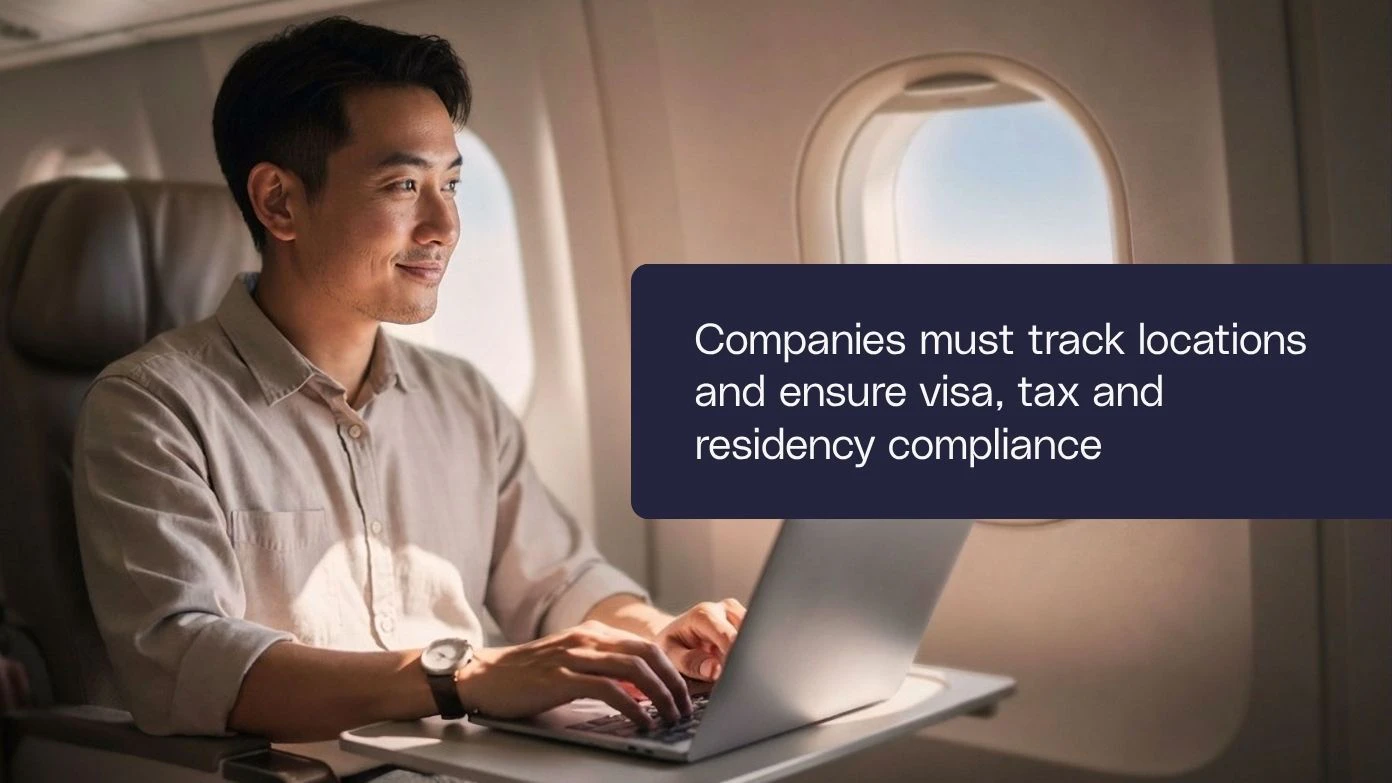
Every country has different immigration laws. Keep accurate records of employees and their locations to support visa, tax, and residency needs. Regularly review the policies for granting remote work visas and living arrangements in every country of operation.
Set clear expectations for visa applications, housing, and ongoing compliance. Some responsibilities fall on you, while others are the employee's.
2. Tax requirements and compliance
When operating with employees internationally, your employment obligations extend beyond your home country. These include:
- Relocation tax
- Income tax
- Social security regulations
- Payroll compliance
- Reporting needs
- International pension arrangements
- Residency requirements
3. Compensation
Determine how you'll pay employees living internationally and how it differs from your local team members. Think about:
- Exchange rates
- Salary adjustments for relocation
- Relocation bonuses
- Compensation packages
- Cost of living differences
4. Employee retention
Moving can be a stressful experience, especially for employees with spouses and children. Your HR team can ensure a smooth transition by introducing flexible scheduling and asynchronous communication tools to boost employee retention.
A strong global mobility strategy that includes employee acclimation services can help employees and their families adjust to their new surroundings.
5. Permanent establishment risk
Some activities can still trigger a permanent establishment even if you don't have a physical presence in another country.
Work with legal experts to understand which activities meet the permanent establishment criteria under the country's tax laws. Your global mobility strategy should include prevention measures to manage these risks.
6. Cultural acclimation and integration
Although diverse teams encourage innovation, they also require strong leadership to bridge communication gaps and align different perspectives toward common goals. Misunderstandings and biases can hinder your company's growth. Start by developing cross-cultural training and immersive practices to reduce such risks.
2026 global mobility trends
Familiarizing yourself with the latest global mobility trends is an effective way to strengthen your international HR strategy.
- Diversification of assignment models:
- In the past, global mobility practices often involved relocating employees and their families to a new country for long-term assignments that spanned multiple years. Nowadays, global mobility is putting more focus on flexibility and short-term assignments. Rotational arrangements allow workers to work in another location temporarily to get new operations up and running rather than committing to a permanent transfer. Cross-border remote work has played a major part in this shift because it lets employees support international operations without physically relocating.
- The speed vs. trust operating model:
- A crucial part of your global mobility strategy should be to quickly relocate employees across borders to take advantage of time-sensitive business opportunities before they disappear or are lost to competitors. However, don't focus so much on the speed of the relocation process that you overlook compliance with local employment, tax, immigration, and payroll requirements. If you do, you may incur penalties and costly delays. A high-performing mobility team can incorporate compliance checks into their workflows from the very start to maximize ROI and avoid problems later in the process.
- AI and automated HR intelligence:
- Companies are incorporating AI and automated HR intelligence into their global mobility framework to simplify cross-border moves.
An AI-powered global HR agent like G-P Gia™ can give you instance compliance guidance across 50 countries and pinpoint tax obligations as you plan international assignments. This not only helps avoid costly compliance issues but also speeds up the relocation process. You can even use Gia to monitor regulatory changes or generate contracts based on local employment requirements.
How to create a global mobility strategy
When you're ready to design your global mobility program, follow these steps:
1. Determine your reason for building a global mobility program
The first step to creating a global mobility strategy is identifying the program's purpose, goals, and needs. Look at your key objectives, the problems you want to solve, and how the program will benefit your organization and employees. When you figure out the "why," you can determine the "how." This first step will help you properly allocate your funds, resources, time, and teams.
2. Outline your strategy design
Once you've outlined the purpose behind your global mobility program, you can start designing it. Think about the following aspects:
- Talent goals
- Target countries or markets for growth
- Employee benefits, compensation, and healthcare
- Travel and residential logistics
- Mobility policies
- Family support
- Professional development
- Communication
- Training needs
- Pricing and budget
- Relocation incentives
After you've listed the elements you need to plan for, get feedback from your leadership team, and adjust your policies as needed.
3. Assemble your ideal team
Create your dream team to implement a successful global mobility program. Determine which potential members are experts in their fields.
Clearly communicate the roles and responsibilities of each team member.
4. Include employee well-being in the program design
A top priority in any organization is employee well-being. Employees are more likely to stick around when they feel appreciated, supported, and well-equipped to take on their new roles. By embedding employee wellness into your global mobility policies, you can enhance their experience, reduce the stress of relocating, and ensure the long-term success of your program.
5. Consider employee support systems
Global mobility brings significant life changes for employees. Global mobility services include anything that helps employees be more productive, creative, and resilient. These services show employees that you empathize with the change they're taking on and want to set them up for success. Here are some global employee support services you can consider:
- Housing
- Health insurance
- Global banking
- Travel assistance
- Household goods transport
- Cross-cultural and language training
- School search assistance for dependents
- Airport transfers
- Reconciling forms and extension filings
Global mobility best practices for risk mitigation
Take precautionary steps now to catch small global mobility issues before they turn into setbacks.
- Create an approval process: Create a formal process for all cross-border work assignments to make sure relocation is tied to a clear business need.
- Set review points for all global assignments: International projects should be reviewed before, during, and after each assignment to determine changes like extending or shortening the project.
- Have an emergency response plan in place: All international employees should have a clear emergency plan for situations involving natural disasters, political unrest, or security threats. This plan should tell them who to contact, how to access emergency assistance, and whether to leave the area.
- Establish rules for company data and equipment: Data protection laws differ by country. GDPR and similar laws impose different rules for how data is stored, accessed, and transferred.
- Set up insurance coverage reviews: Set at least two review periods each year to assess the existing insurance policies and evaluate whether additional coverage is required to keep all workers protected during assignments.
- Create a repatriation plan: International workers will eventually complete their assignments. A repatriation plan eases the reintegration into their home-country teams and roles.
Hiring your global mobility team
Once you have your global mobility strategy, it's time to build a team that involves key stakeholders. This team should include the following:
1. Legal teams
Always include your legal team when creating a new program that involves international travel or relocation. Legal counsel provides expert advice regarding compliance, taxes, and other international regulations to strengthen your global mobility strategy.
2. Global mobility consultant
Having someone on your team to serve as a single source of knowledge for global mobility is essential. Your global mobility consultant improves your strategy by:
- Providing details about work visas and certifications
- Helping your company connect with embassies or consulates
- Formulating global deployment procedures
- Crafting policy benchmarks
- Giving ongoing support to relocating employees
3. HR
HR teams manage strategy implementation and coordinate employee needs. Their advice on employee-related processes can give you valuable insight into talent retention and development strategies and mitigate risk.
5. Executives or thought leaders
Other high-level executives or important organizational leaders connect your global mobility strategy to your company's vision. These team members include anyone who provides forward-thinking ideas to drive your company's growth internationally and help you scale in the upcoming years.
Technology-driven global mobility solutions
- G-P EOR:
- An EOR is especially valuable when you have international work assignments that require relocating one or more employees to a country where you don't have a legal entity. In this type of scenario, the EOR hires employees on your behalf and handles payroll, tax withholdings, employment contracts, and mandatory benefits.
With G-P EOR, you can onboard new hires 87% faster because you don't have to take on the lengthy process of establishing an entity and figuring out which local employment laws to comply with.
- G-P Contractor™:
- It's much easier to strengthen your global mobility framework when you integrate automated tools to classify contingent workers accurately. G-P Contractor gives you peace of mind that your contractors are correctly classified with AI contract checks that deliver guidance on what to change.
- HRIS and platform integration:
- A Global Employment Platform that connects directly with your core human resources information system (HRIS) enhances management of global mobility processes. G-P offers over 16 enterprise-grade, partner-certified integrations with leading Human Capital Management (HCM) systems, such as ADP, Workday, and SAP, so you can scale your global workforces inside your primary tech stack. Integration keeps all employee information flowing seamlessly and automatically between systems so your HR team doesn't have to re-enter data multiple times.
This single-pane-of-glass visibility is particularly beneficial for companies tracking assignment dates, employee statuses, and relocation milestones. If a worker changes roles or goes to a new location, the inputted data updates across all connected systems at the same time.
Build your global team with G-P
If you have global aspirations, G-P's Global Employment Platform gives you the compliance assurance you need to succeed.
Powered by 14+ years of expertise, our platform embeds labor law intelligence directly into your existing tech stack, allowing you to hire and scale compliantly in 180+ countries in minutes. Our technology is engineered to adapt entirely to you — designed to support you at every stage of your growth journey.
Companies like Cogstate use G-P to smooth the path for existing team members who choose to relocate, reducing friction and supporting continuity.
Cogstate will continue to engage with the best candidates for the job regardless of geographical boundaries. Our partnership with G-P helps us attract fresh talent. G-P also allows us to support the seamless transition of our existing team members should they opt to relocate, ensuring satisfaction, ongoing professional development, and sustained growth for our organization.
How can AI enhance global mobility programs?
G-P Gia™ is an AI-powered global HR agent that gives expert-verified HR guidance while streamlining compliance processes. You can use it to streamline global mobility workflows, generate detailed employee relocation checklists, and conduct right-to-work verifications.
What are the types of global mobility?
Types of global mobility include:
Short-term assignments: Employees with assignments that last a few months.
Long-term assignments: Employees with assignments that last several years and include deeper cultural integration.
Business travel: Employees who travel for work, such as for meetings or to negotiate business deals.
Permanent relocations: Employees who relocate to a new country indefinitely.
Remote work: Workers who do their jobs outside of your central business location.
How does global mobility affect tax responsibilities?
Employees working across borders can incur tax responsibilities for both themselves and the company. The company may owe corporate taxes due to a permanent establishment or employee benefit taxes in the host country. The employee may also owe residency taxes if they stay in a country long enough. Additionally, countries without an income tax treaty with the employee's home location may trigger double taxation.