



Global expansion erbjuder många möjligheter, men att navigera i komplexiteten i global sysselsättning kan vara utmanande. För företag som planerar att anställa personal i Spanien är det viktigt att förstå de unika kraven och juridiska skyldigheterna. Spanien, med sin dynamiska ekonomi och skickliga arbetskraft, erbjuder en attraktiv marknad för företag som vill expandera sin globala verksamhet.
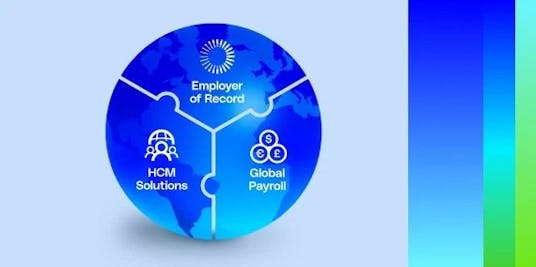
Som global arbetsgivare (Employer of Record) hanterar G-P hela anställningscykeln – från onboarding och lönehantering till anställningsavtal, förmåner och uppsägningsprocess. G-P låter dig utnyttja kompetensen hos de smartaste människorna i fler än 180länder runt om i världen, snabbt och enkelt – utan att etablera nya enheter.
Med en erfaren spansk arbetsgivare som G-P vid din sida kan du känna dig trygg i vetskapen om att alla rekryterings- och anställningsbehov i Spanien hanteras av ett team av engagerade experter.
Förenkla anställning i Spanien med en registrerad arbetsgivare
Genom att använda artificiell intelligens-drivna Employer of Record-tjänster i Spanien kan du effektivt hantera anställningsavtal och lönehantering i Spanien. Spaniens komplexa arbetslagstiftning och kollektivavtal kan vara ett hinder för företag som vill anställa sig kompetent i Spanien. En arbetsgivare med register ger dig en enkel väg att bygga ditt team i Spanien utan att etablera en lokal enhet.
En registrerad arbetsgivare agerar som juridisk arbetsgivare för dina valda kandidater och hanterar allt lokalt HR ansvar så att du kan fokusera på att expandera din verksamhet. Processen är enkel och effektiv.
Arbetsgivaren för Record anställningsprocess i Spanien
- Samarbeta med en global sysselsättningsexpert. Välj en erkänd arbetsgivare med djupgående expertis i Spanien, de kommer att vara din guide genom det lokala juridiska landskapet.
- Hitta din idealkandidat Du hittar den bästa kompetensen för dina behov, och Employer of Record hanterar resten av anställningsprocessen.
- Generera ett lagligt anställningsavtal. Din registrerade arbetsgivare upprättar ett lokalt lagenligt avtal som återspeglar alla obligatoriska villkor enligt Spaniens arbetstagarlag (Estatuto de los Trabajadores), inklusive lön, arbetstider och uppsägningstider.
- Ombord och hantera ditt team. Den registrerade arbetsgivaren hanterar alla aspekter av anställningscykeln. Detta inkluderar registrering av anställd hos Spaniens skattemyndighet (Agencia tributaria) och socialförsäkringssystem (Tesorería General de la Seguridad Social), bearbetning av löner och administrering av förmåner.
Se hur en Employer of Record fungerar
Anställningsavtal i Spanien
Medan vissa avtal kan vara muntliga, krävs ett skriftligt anställningsavtal i många situationer, inklusive för deltids-, tidsbestämda eller distansarbeteavtal. Det är bäst att alltid skriva ett skriftligt kontrakt på spanska. Enligt arbetarstadgan måste alla anställningsförhållanden som varar mer än fyra veckor formaliseras skriftligen. Avtalet bör beskriva anställds ersättning, förmåner och uppsägningskrav.
Hur en registrerad arbetsgivare i Spanien hjälper till att hantera semesterrättigheter
En registrerad arbetsgivare i Spanien säkerställer att du följer landets komplexa ledighetslagar genom att hantera rättigheter, från årlig ledighet och sjukfrånvaro till föräldraledighet och annan obligatorisk ledighet. Genom att hantera all administration minskar en registrerad arbetsgivare risken och komplexiteten i ledighethanteringen.
Arbetstid i Spanien
Standard arbetsvecka i Spanien är 40 timmar. Detaljerna regleras ofta av ett kollektivavtal, som kan definiera olika gränser för vissa branscher. Övertid är begränsad till 80 timmar per år och måste vara frivillig om det inte anges i ett kollektivavtal eller individuellt avtal. Anställda ska kompenseras för övertid antingen med lön eller extra ledighet med en lön som inte understiger deras ordinarie timlön.
Semester i Spanien
Anställda i Spanien har rätt till upp till 14 betalda helgdagar per år. Denna summa inkluderar nationella, regionala och lokala helgdagar. Nationella helgdagar inkluderar:
- Nyårsdagen
- uppenbarelse
- Långfredagen
- Arbetardagen
- Jungfru Marie himmelsfärd
- Spanska nationaldagen
- Alla helgons dag
- Konstitutionens dag
- Den obefläckade befruktningens dag
- Juldagen
Autonoma samhällen och lokala kommuner utser de återstående helgdagarna.
Semesterdagar i Spanien
Anställda har rätt till minst 30 kalenderdagar betald årstermin, vilket motsvarar 22 arbetsdagar. Semesterdagar kan inte ersätta lön om inte anställningsavtalet upphör. Spanien sjukfrånvaro
Anställda på sjukfrånvaro måste uppvisa läkarintyg. Ersättningen vid tillfällig arbetsoförmåga (Incapacidad temporal) beror på orsaken:
För icke-arbetsrelaterad sjukdom eller skada:
- Dag 1–3: Obetald, såvida inte ett kollektivavtal föreskriver betalning.
- Dagar 4–20: Arbetsgivaren betalar 60% av anställds avgiftsunderlag lön.
- Från dag 21: Socialförsäkringssystemet betalar 75% av anställds avgiftsunderlag lön.
För arbetsrelaterad sjukdom eller skada:
- Incidentdag: Arbetsgivaren betalar anställds fulla lön.
- Från dagen efter händelsen: Socialförsäkringssystemet betalar 75% av anställds avgiftsunderlag lön.
Födelse- och vårdledighet i Spanien
Spanien ger lika ledighet för båda föräldrarna, kallad födelse- och vårdledighet. Varje förälder har rätt till 16 veckors betald ledighet, helt täckt av socialförsäkringen. De första sex veckorna måste tas omedelbart och samtidigt av båda föräldrarna efter födseln. De återstående 10 -veckorna för varje förälder kan tas flexibelt, heltid eller deltid, inom de första 12 månaderna av barnets liv.
För att vara berättigade måste anställda vara registrerade hos socialförsäkring och uppfylla minimikraven för avgift.
Sjukförsäkring och tilläggsförmåner i Spanien
Spaniens offentliga sjukvårdssystem finansieras genom socialförsäkringsavgifter. Många arbetsgivare erbjuder dock kompletterande privat sjukförsäkring som en högt värderad förmån. Andra vanliga tilläggsförmåner inkluderar:
- måltidskuponger,
- Livsförsäkring
- Privata pensionsplaner
Hur en registrerad arbetsgivare hjälper till med förmåner i Spanien
En spansk arbetsgivare av rekord effektiviserar förmånsadministration och efterlevnad, inklusive sjukförsäkring. Arbetsgivaren hanterar socialförsäkringar, administrerar tilläggsförmåner (som privat sjukförsäkring) och håller sig uppdaterad om regelförändringar.
Bonusar och 13th/14månadslön i Spanien
Även om prestationsbaserade bonusar är diskretionära, är det standardpraxis i Spanien att löner betalas ut i 14 omgångar per år. De flesta kollektivavtal föreskriver dessa två extra betalningar (pagas extraordinarias), som vanligtvis fördelas under sommaren (juli) och vintern (december). En registrerad arbetsgivare som G-P säkerställer att all ersättning, inklusive obligatoriska extra betalningar, överensstämmer med tillämpliga kollektivavtal för dina team .
Läs mer om 13-månadens bonusar runt om i världen.
Uppsägning och avgångsvederlag i Spanien
Provanställningen är vanligtvis två månader för de flesta anställda och upp till sex månader för kvalificerade tekniker, under vilken endera parten kan säga upp avtalet utan orsak eller avgångsvederlag. För uppsägning av ett tillsvidareanställningsavtal gäller särskilda regler. Uppsägning måste vara av objektiva skäl (ekonomiska, tekniska etc.) eller disciplinära orsaker.
- Objektiv uppsägning (t.ex. avsked): Kräver 15 dagars uppsägningstid och avgångsvederlag på 20 dagars lön per anställningsår, maximalt 12 månadslöner.
- Otillbörligt uppsägning: Om en domstol anser att en uppsägning är oskälig, har den anställde rätt till ett avgångsvederlag på 33 dagars lön per tjänsteår, med ett tak på högst 24 månaders lön.
Att navigera i uppsägningsbestämmelser är komplicerat. Att samarbeta med en registrerad arbetsgivare effektiviserar uppsägningsprocessen och uppsägningarna genom att säkerställa efterlevnad med spansk arbetsrätt. Detta innebär att navigera i uppsägningsregler, beräkna korrekt snittsvederlag, hantera uppsägningstider och hantera uppsägningar under provanställning.
Lön och skatter i Spanien
Både arbetsgivare och anställda betalar månatliga avgifter till Spaniens socialförsäkringssystem (Seguridad Social). Dessa bidrag beräknas utifrån anställds lön upp till ett maximalt bidragsunderlag, som uppdateras årligen (t.ex. EUR 5,101,20 per månad för 2026).
Arbetsgivare ansvarar också för att inneha personlig inkomstskatt (impuesto sobre la renta de las personas físicas - IRPF) från anställd lön. IRPF är en progressiv skatt, och skattesatsen varierar beroende på inkomst och personliga omständigheter.
En registrerad arbetsgivare i Spanien hanterar alla aspekter av arbetslöshetsersättning i Spanien. Detta inkluderar beräkningar av anställd lön, bonus och provisioner, tillsammans med alla obligatoriska innehållen, såsom inkomstskatt och socialförsäkringsavgifter.
Att välja en registrerad arbetsgivare i Spanien
När du väljer en registrerad arbetsgivare i Spanien, tänk på följande faktorer:
- Expertis inom efterlevnad av regler: Den registrerade arbetsgivaren bör ha djupgående kunskaper om spansk arbetslagstiftning, inklusive Estatuto de los Trabajadores (arbetstagarnas stadga), kollektivavtal och lokala skatteregler. Detta säkerställer att alla anställningsförfaranden, från avtal till upphandling, är helt lagenliga.
- Omfattande tjänsteerbjudande: En förstklassig arbetsgivare bör hantera alla aspekter av anställning, inklusive lönehantering, skatteinbetalningar, förmånsadministration, semesterhantering och uppsägningsprocesser.
- Lokal förståelse för marknadsplatser: Leta efter en registrerad arbetsgivare med stark lokal erfarenhet eller dokumenterad erfarenhet i Spanien, eftersom detta ofta indikerar en bättre förståelse för marknadsnormer och kulturella nyanser som kan påverka anställningsupplevelser.
- Skalbarhet och flexibilitet: Den registrerade arbetsgivaren bör kunna tillgodose dina rekryteringsbehov, oavsett om du anställer en enskild anställd eller ett globalt team, och skala i takt med din global expansion .
- Teknik och integration: En plattform baserad på artificiell intelligens förenklar onboarding, förmånshantering och lönehantering. Bekräfta att den registrerade arbetsgivaren integrerar med befintliga system för humankapitalhantering, professionella arbetsförmedlingar eller lönesystem för att undvika driftsförseningar.
- Transparent, schablonbeloppsbaserad prissättning: Utvärdera den totala kostnadens förutsägbarhet snarare än låga baspriser. Leta efter tydliga och standardiserade prismodeller. Jämför prisstrukturer noggrant, eftersom vissa EOR:er använder procentuella lönemodeller som straffar höginkomsttagare. Schablonprissättning säkerställer långsiktig noggrannhet budget . G-P Employer of Record startpriset på USD $599 per månad ger dig full tillgång till G-P Global Employment Platform ™ (global anställningsplattform). Vi använder en fast plattformsavgift istället för att ta ut en procentandel av lönen.
- Rykte och referenser: Undersök den registrerade arbetsgivarens rykte, kundomdömen och branscherkännande för att säkerställa att de har en meritlista av pålitlighet och framgång.
- Datasäkerhet och efterlevnad. Se till att din arbetsgivare följer strikta datasäkerhetsprotokoll som allmänna dataskyddsförordningen (GDPR). Detta är avgörande för att skydda känslig anställd information och upprätthålla efterlevnad.
Använd G-P Employer of Record för global rekrytering i Spanien
G-P Employer of Record är den prisbelönta, AI-drivna globala rekryteringslösningen som ger startups, små och medelstora företag och stora företag möjlighet att enkelt bygga globala team. Onboarda, hantera och betala toppkompetenser i över 180 länder på några minuter, utan komplexiteten med enhetsinstallation.
G-P Employer of Record är den föredragna partnern för ledande humankapitalhantering, professionella arbetsförmedlingar och löneplattformar. Samla er arbetskraftdata på ett ställe för att underhålla befintliga arbetsflöden samtidigt som ni bibehåller konsekventa och korrekta data i era integrerade system.
Begär ett offertförslag för att börja anställa i Spanien idag.
Vanliga frågor
Spaniens registrerade arbetsgivare kontra professionella arbetsförmedlingar: Vilka är de största skillnaderna?
En Employer of Record (EOR) i Spanien blir den juridiska arbetsgivaren. Den registrerade arbetsgivaren hanterar efterlevnad, löne- och HR administration, medan du övervakar det dagliga arbetet.
En professionell arbetsgivarorganisation (professionella arbetsförmedlingsorganisationer) använder en modell för samarbetsavtal. Spansk lag erkänner inte delanställning, vilket gör G-P Employer of Record till det lagliga valet för internationell anställning.
Är det kostnadseffektivt för en registrerad arbetsgivare att anställa en enda anställd?
En registrerad arbetsgivare erbjuder ett kostnadseffektivt alternativ till att hantera global efterlevnad genom interna team eller extern juridisk rådgivning. För ett skalbart företag kostar det ofta tiotusentals dollar att etablera en juridisk enhet. G-P Employer of Record erbjuder schablonbelopp-plattformspriser från USD 599 per månad för en enskild anställning i 180+ länder.
Vad bör startups leta efter i Employer of Record-lösningar?
Startups bör leta efter Employer of Record-lösningar med tydliga kostnadsmodeller. Användarvänliga plattformar, pålitlig kundsupport och beprövade meriter av lagenlig anställning är också avgörande.
Vad bör du jämföra med när du väljer en leverantör av registrerad arbetsgivare i Spanien?
Utvärdera leverantörer utifrån lokal efterlevnadsexpertis, klar prissättning, serviceomfattning och teknikintegration. Leta efter djupgående erfarenhet av spansk arbetsrätt och kollektivavtal. Välj en partner som G-P som levererar tydliga avtal, specificerad fakturering och robust onboarding support.
Vilka HR och löneuppgifter hanterar en registrerad arbetsgivare i Spanien?
En registrerad arbetsgivare i Spanien hanterar hela livscykeln för anställda som får stöd. Viktiga operativa ansvarsområden inkluderar:
Hantera anställningsavtal och registreringar.
Behandling av löne- och innehavare socialförsäkringsskatter.
Utdelning av lagstadgade förmåner.
Rapportering av avtal till lokala arbetsförmedlingar.
Anpassa alla villkor till obligatoriska kollektivavtal.