





Att starta ett dotterbolag i Spanien kräver mer än att bara fylla i pappersarbete. Processen är komplex och kan ta 6–8 veckor eller längre, beroende på efterlevnad och juridiska skyldigheter. Denna tidslinje kan försena marknadsinträdet och få potentiella anställda att överväga andra möjligheter.
G-P erbjuder dock ett alternativ. Istället för att ta den konventionella dotterbolagsvägen i Spanien kan vi påskynda din etablering – inga nya enheter krävs – så att du kan starta verksamheten på några minuter istället för månader.
Hur man etablerar ett dotterbolag i Spanien
Att starta ett dotterbolag i Spanien börjar med att välja rätt form av enhet. Även om alternativ som filial- eller representationskontor finns, erbjuder de inte samma ansvarsskydd som ett dotterbolag. För de flesta internationella företag handlar valet om två typer av företag:
- Sociedad de Responsabilidad Limited (SL): I likhet med ett privat aktiebolag är detta den vanligaste strukturen för internationella företag på grund av dess flexibilitet och lägre kapitalkrav.
- Sociedad Anonima (SA): Motsvarande ett publikt aktiebolag, denna struktur är rigidare, har högre kapitalkrav och används generellt för större företag som avser att noteras på börsen.
Steg för att bilda ett dotterbolag i Spanien
Processen för att inrätta en S.L. i Spanien följer i allmänhet följande steg:
- Erhålla NIE för internationella styrelseledamöter: Alla utländska styrelseledamöter och aktieägare måste erhålla ett utländskt identifikationsnummer (Número de Identificación de Extranjero, eller NIE) från de spanska myndigheterna.
- Certifiera företagsnamnet: Ansök om ett namnintyg (Certificación Negativa de Denominación Social) från Central Mercantile Registry för att säkerställa att ditt föreslagna namn är unikt.
- Öppna ett bankkonto: Efter att du har öppnat företagskontot måste du sätta in aktiekapitalet.
- Utkast till stadgar: Förbered företagets stadgar (Estatutos sociales) som beskriver reglerna för styrning, affärsverksamhet och aktieägares struktur.
- Upprätta bolagsordningen: Grundarna eller deras juridiska ombud måste underteckna den offentliga bolagsordningen inför en spansk notarie.
- Skaffa ett provisoriskt skatte-ID (NIF): Ansök om ett provisoriskt skatteidentifikationsnummer (Número de Identificación Fiscal, eller NIF) från den spanska skattemyndigheten (Agencia tributaria).
- Registrera dig hos handelsregistret: Anmäl dig till bolagsordningen hos det provinsiella handelsregistret (Registro Mercantil) för att officiellt registrera företaget.
- Slutför registreringar: När du är registrerad, erhåll det definitiva NIF-beloppet och registrera dig för socialförsäkring och andra nödvändiga affärs- och skatteaktiviteter.
Spaniens dotterbolagslagar och krav
När du etablerar en S.L. i Spanien måste du uppfylla flera lagar och krav, till exempel:
- Aktiekapital: Enligt lagen om "Crea y crece " (lag 18/2022) är det lägsta aktiekapitalet som krävs för ett aktiebolag 1 euro. Om kapitalet däremot är lägre än 3,000 euro, måste företaget avsätta 20% av sin vinst till en lagstadgad reservfond varje år tills den sammanlagda summan av reservkapital och aktiekapital uppgår till 3,000 euro.
- Ledningsstruktur: En SL behöver inte ha en styrelse. Ledningen kan struktureras med en ensam administratör, gemensamma administratörer eller en styrelse med 3–12 styrelseledamöter. Alla administratörer måste ha ett spanskt NIE-certifikat.
- Aktieöverföringar: Aktierna i ett SL är inte överlåtbara och omfattas av begränsningar som anges i företagets stadgar och spansk lag. En SL kan inte emittera obligationer.
- Redovisning och revision: Alla företag måste upprätta årsredovisningar och lämna in dem till handelsregistret. Revisioner är obligatoriska för företag som uppfyller vissa storleksgränser.
Fördelar med spanska dotterbolag:
- Lokal marknadstillgång: Att etablera ett dotterbolag i Spanien möjliggör direkt tillgång till den spanska och bredare EU-marknaden, vilket underlättar affärstillväxt och kundnärhet.
- Begränsat ansvar: Moderbolagets ansvar är i allmänhet begränsat till dess investering i dotterbolaget, vilket minskar den finansiella risken.
- Juridisk enhetsstatus: Ett dotterbolag är en separat juridisk enhet, som kan ingå avtal, äga tillgångar och anställa anställda självständigt.
- Potentiella skatteförmåner: Dotterbolag kan dra nytta av lokala skatteincitament, dubbelbeskattningsavtal och EU-direktiv.
- Ökad trovärdighet: Att verka som ett lokalt företag kan förbättra ryktet och förtroendet hos spanska kunder, partners och myndigheter.
Nackdelar med spanska dotterbolag:
- Komplex uppbyggnad och efterlevnad: Att etablera och upprätthålla ett dotterbolag innebär betydande administrativt arbete, inklusive registrering, lokal styrning och löpande efterlevnad med spansk bolagsskatt och arbetsrätt.
- Högre kostnader: Det finns kostnader förknippade med bolagsbildning, juridisk rådgivning, redovisning och löpande verksamhet.
- Myndighetskrav: Spanska dotterbolag måste följa lokala rapporterings-, revisions- och anställningsregler, vilka kan vara komplexa och tidskrävande.
- Beskattning: Vinster är föremål för spansk bolagsskatt, och det kan finnas ytterligare skattekonsekvenser för att återföra vinster till moderbolaget.
- Ledningsutmaningar: Att driva ett dotterbolag kräver lokal ledning och tillsyn, vilket kan öka komplexiteten i den globala verksamheten.
Alternativ till att etablera ett spanskt dotterbolag
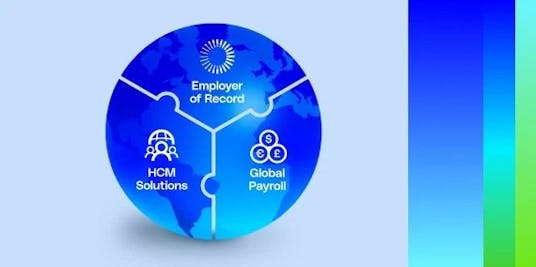
Även om ett dotterbolag erbjuder fördelarna med ett fast driftställe och begränsat ansvar, är processen tidskrävande, dyr och betungande. Om ditt mål är att snabbt få kompetens i Spanien finns det ett enklare alternativ. G-P låter dig anställa kompetens på några minuter utan krångel med ett dotterbolag.
Fördelarna med att använda en arbetsgivare med register (registrerad arbetsgivare) i Spanien inkluderar:
- Marknadsinträdets hastighet: En registrerad arbetsgivare låter dig omedelbart få kompetens i Spanien, eftersom du inte behöver gå igenom den långa processen att etablera en juridisk anställning. Att etablera ett dotterbolag kan ta månader på grund av regulatoriska, bankmässiga och administrativa krav.
- Efterlevnadssäkring: Arbetslagarna i Spanien är komplexa och skyddar anställda i hög grad. En registrerad arbetsgivare säkerställer efterlevnad enligt Estatuto de los Trabajadores (arbetstagarnas stadga), tillämpliga kollektivavtal, löneregler, skatteavdrag och lagstadgade förmåner, vilket minskar risken för utebliven efterlevnad och potentiella avgifter.
- Kostnadseffektivitet: Att etablera och underhålla ett dotterbolag (t.ex. SL) har betydande initiala och löpande kostnader, inklusive juridiska avgifter, redovisning, lokal ledning och administrativa omkostnader. En registrerad arbetsgivare är mer kostnadseffektivt, särskilt om du anställer ett litet team eller testar den spanska marknaden.
- Administrativ enkelhet: Med en registrerad arbetsgivare slipper du den administrativa bördan av att hantera löner, obligatoriska sociala avgifter, skattedeklarationer och HR efterlevnad. Den registrerade arbetsgivaren hanterar dessa ansvarsområden, vilket gör att du kan fokusera på din kärnverksamhet.
- Flexibilitet: Om dina affärsbehov förändras är ett arbetsgivaravtal enklare att skala upp eller ner jämfört med att avveckla ett dotterbolag.
- Riskreducering: En registrerad arbetsgivare hanterar de juridiska riskerna i samband med anställning, såsom arbetsklassificering, vilket ger dig ett extra skyddslager.
Gå in på nya marknader med G-P – inga nya enheter krävs.
Att etablera ett dotterbolag eller en juridisk enhet i Spanien är kostsamt och tidskrävande. G-P Employer of Record låter dig anställa kompetent på några minuter utan krångel och komplikationer med ett dotterbolag.
Begär en offert idag för att lära dig mer om våra globala anställningsprodukter och lösningar för att bli en del av en arbetsgivare.
Vilka är Spaniens 2026 anställd arbetstillståndskrav?
Yrkesverksamma utanför EU, utanför EES och icke-schweiziska måste skaffa ett standard visum för att arbeta i Spanien. Sponsrande spanska arbetsgivare måste säkra ett första arbets- och uppehållstillstånd från lokala arbetsmyndigheter innan kandidaten ansöker om visum.
När behöver styrelseledamöter eller representanter en NIE-ansökan i Spanien?
Aktieägare, styrelseledamöter och behöriga ombud som inte är bosatta i Spanien måste säkra ett NIE (skatteidentifikationsnummer för icke-medborgare) innan de slutför spansk bolagsbildning eller skattedeklaration. Företag som etablerar ett spanskt sparandebolag måste säkra NIE-godkännanden tidigt för att undvika förseningar hos notarie, register och skatteregistrering.
Vilka amerikanska dokument behöver en apostille- och edsvuren spansk översättning?
Att införliva ett spanskt säkerhetsbolag kräver specifika amerikanska företagsregister:
Bevis på bildande eller inkorporering
Nuvarande styrande dokument
Intyg om gott anseende eller existensbevis
Företagsbeslut
Fullmakter
Offentliga eller notariebekräftade dokument måste förses med en officiell apostille. Dokument som inte är på spanska måste innehålla en svuren översättning till spanska.
När blir S.L. juridisk person hos handelsregistret?
En spansk handelsförening förvärvar separat juridisk personlighet när det provinsiella handelsregistret officiellt registrerar dess inkorporeringshandling. Att underteckna handlingen inför en spansk notarie är ett viktigt steg, men själva underskriften skapar inte den juridiska rättsliga rätten.
Hur skiljer sig en spansk filial från ett spanskt dotterbolag?
Spaniens filial: Fungerar som en direkt förlängning av det internationella modernbolaget. Den saknar separat juridisk personlighet och utsätter moderbolaget direkt för lokalt ansvar.
Spanskt dotterbolag: Verkar som en oberoende spansk juridisk enhet, oftast en SL Den upprätthåller tydliga styrnings-, skatte- och inlämningsskyldigheter samtidigt som den skyddar aktieägarna genom begränsat ansvar.