



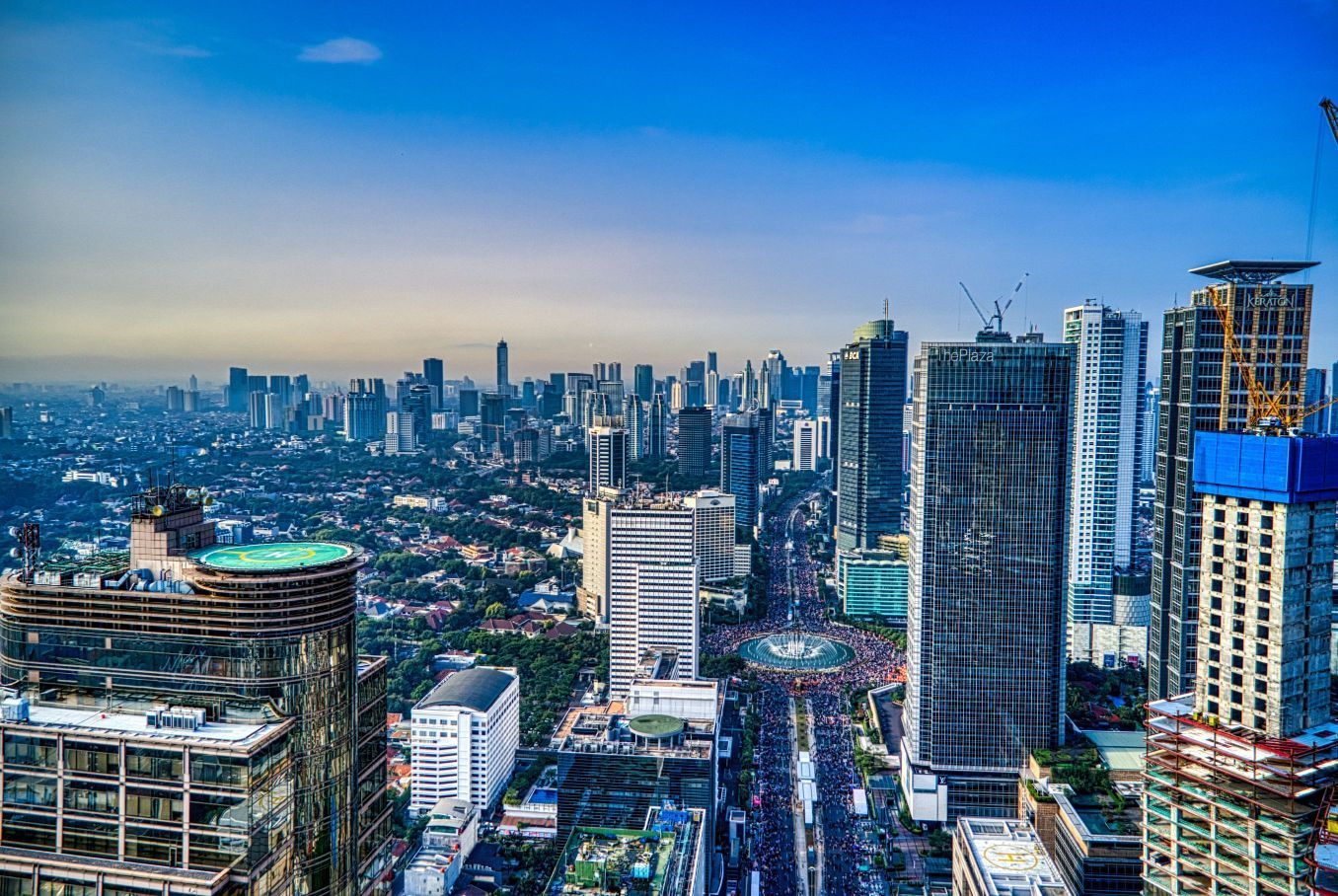
تُعد إندونيسيا أكبر اقتصاد في جنوب شرق آسيا وسوقًا رئيسيًا للشركات العالمية التي تتطلع إلى الوصول إلى سوق ماهرة. يتجاوز إجمالي الناتج المحلي للبلاد 1 دولار أمريكي.4ت. يُعد سوق المستهلكين المحلي في إندونيسيا وقطاع التصنيع من الركائز الاقتصادية الرئيسية. ويشمل ذلك الصادرات مثل قطع غيار السيارات والإلكترونيات والمنسوجات.
تقوم الحكومة بمعالجة الموارد المعدنية مثل النيكل والنحاس لاستهداف سلسلة توريد بطاريات السيارات الكهربائية العالمية.
قبل التوسع في إندونيسيا، ستحتاج إلى فهم العقود والضرائب والأجور والمزايا وقوانين العمل الأخرى. سيخبرك دليلنا بكل ما تحتاج لمعرفته حول التوظيف في إندونيسيا.
ما يجب معرفته قبل التوظيف في إندونيسيا

إذا كنت تقوم بتوسيع أعمالك التجارية إلى إندونيسيا لأول مرة، فهناك متطلبات قانونية مهمة يجب أن تكون على دراية بها. تؤثر هذه المعايير والقوانين على ممارسات التوظيف في إندونيسيا وعلى العديد من جوانب العلاقة بين صاحب العمل والموظف، بما في ذلك التعويضات والمزايا.
G-P Gia™، وكيل الذكاء الاصطناعي (الذكاء الاصطناعي لدينا حول موارد بشرية) العالمية المدعومة بالذكاء الاصطناعي، يمكنه الإجابة على أصعب أسئلتك عبر 50 الدول — بما في ذلك إندونيسيا — وجميع الولايات 50 الولايات الأمريكية. قلل اعتمادك على محامين خارجيين وقلل من الوقت والتكلفة بنسبة تصل إلى 95٪ مع Gia.
فيما يلي خمسة أشياء يجب معرفتها حول التوظيف في إندونيسيا.
1. العقود والإنهاءات في إندونيسيا
جميع علاقات العمل تتطلب عقدا غير محدد (PKWTT) أو عقد محدود المدة (PKWT). يمكن أن تستمر العقود محددة المدة لمدة أقصاها خمس سنوات، بما في ذلك التمديدات. العقود غير محددة المدة ليس لها تاريخ انتهاء محدد. جميع العقود المحدودة يجب أن تكتب باللغة الإندونيسية. يُسمح بالعقود ثنائية اللغة، ولكن في حالة وجود أي تعارض، فإن النسخة الإندونيسية هي التي تسود. يجب أن تذكر العقود مهام العمل، والتعويض، والمزايا، ومتطلبات فسخ العقد.
الاختبار مسموح به فقط للعقود ذات المدة غير المحدودة. الحد الأقصى لفترة الاختبار هو ثلاثة أشهر.
2. الرواتب والضرائب في إندونيسيا
يتعين على أصحاب العمل تسجيل الموظفين وتحويل الاشتراكات إلى أنظمة التأمين الاجتماعي في إندونيسيا: BPJS Kesehatan (تأمين صحي) وBPJS Ketenagakerjaan (الإصابات المهنية، ومدخرات الشيخوخة/التقاعد، والمعاشات التقاعدية، واستحقاقات الوفاة). معدلات المساهمة هي:
- التأمين الصحي: 1٪ من الموظف و 4٪ من صاحب العمل (براتب يصل إلى 12مليون دولار إندوني شهريا)
- الإصابات المهنية: 0.24%–1.74% من صاحب العمل، وذلك حسب تصنيف المخاطر
- مدخرات التقاعد (JHT): 2% من الموظف و 3.7% من صاحب العمل
- مزايا التقاعد (JP): 1٪ من الموظف و 2٪ من صاحب العمل (على الراتب حتى IDR 10.5M+ شهريا)
- مزايا الوفاة: 0.3٪ من صاحب العمل
يخضع الموظفون لدورة سنوية على نطاق تدريجي. بالنسبة لكشوف المرتبات ، يتم استخدام متوسط المعدل الفعلي (TER) للاستقطاعات الشهرية (يناير-نوفمبر). يتم إجراء الحساب السنوي النهائي باستخدام معدلات تصاعدية في شهر ديسمبر. المعدلات التصاعدية لـ 2025 هي:
- 5% للدخل السنوي حتى IDR 60M
- 15% لـ IDR 60—250M
- 25% لـ IDR 250—500M
- 30% لـ IDR 500M—5B
- 35% للدخل الذي يزيد عن IDR 5B
3. الأجور وساعات العمل في إندونيسيا
أسبوع العمل 40 ساعات. إما سبع ساعات يومياً لمدة ستة أيام أو ثماني ساعات يومياً لمدة خمسة أيام. يُسمح بالعمل الإضافي لمدة تصل إلى أربع ساعات في اليوم وساعة 18 في الأسبوع. أجر العمل الإضافي هو 150٪ من الأجر بالساعة العادي للساعة الأولى و 200٪ للساعات التالية. يشترط الحصول على موافقة خطية من الموظفين للعمل الإضافي.
يحصل الموظفون على حد أدنى من 12 أيام إجازة سنوية مدفوعة الأجر بعد 12 أشهر من الخدمة. يتم تحديد العطلات في إندونيسيا من قبل الحكومة كل عام. في 2025، كانت هناك عطلات رسمية وطنية لـ 17.
لا يوجد حد أقصى لأيام الإجازة المرضية. يحصل الموظفون على:
- 100% من راتبهم خلال الأشهر الأربعة الأولى من المرض
- 75% للأشهر الأربعة القادمة
- 50% للأشهر الأربعة التالية
- 25% بعد ذلك حتى يتم إنهاء التوظيف
إجازة الأمومة ثلاثة أشهر مدفوعة الأجر بالكامل، مع إمكانية التمديد حتى ستة أشهر إذا اقتضت الضرورة الطبية ذلك. الأشهر الثلاثة الأولى بنسبة 100% من الأجر، والأشهر الثلاثة الأخيرة بنسبة 75% من الأجر. يحصل الآباء على يومين من إجازة الأبوة المدفوعة، مع ما يصل إلى ثلاثة أيام إضافية باتفاق مع صاحب العمل.
لا يُعد منح إجازة مدفوعة الأجر للمناسبات العائلية مثل الزواج أو التعميد شرطاً إلزامياً، ولكن يمكن توفيرها بموجب سياسة الشركة.
4. وظيفة سوق وقوة عاملة في إندونيسيا
تعد القوى العاملة الإندونيسية واحدة من أكبر القوى العاملة في العالم. تشير التقديرات الأخيرة إلى أنه يبلغ 140 مليون شخص من إجمالي عدد السكان البالغ 277 مليون نسمة. وهذا يجعل إندونيسيا رابع أكبر قوة عاملة على مستوى العالم، بعد الصين والهند والولايات المتحدة.
تُعد إندونيسيا عضواً فاعلاً في مجموعة الدول20 ، وتشارك في المناقشات والمبادرات الاقتصادية الدولية.
حول 16-18% من الشباب في إندونيسيا حاصلون على درجة ما بعد الثانوية.
5. إصلاحات قانون العمل الجارية في إندونيسيا
تم تمرير القانون الجامع بشأن خلق فرص العمل في 2020 وتعديله في 2023. أدخل القانون إصلاحات عمالية لجعل إندونيسيا أكثر جاذبية للاستثمار. لقد سهّلت عملية التوظيف، وزادت من المرونة في العمل الإضافي، وخففت القيود المفروضة على التوظيف بمصادر خارجية ومغترب.
اللائحة الحكومية رقم. 35/2021 (GR35) وضعت العديد من التغييرات في القانون الجامع. وهو يتطلب من أصحاب العمل دفع تعويضات للموظفين بموجب عقود محددة المدة عند انتهاء العقد أو تمديده، ولكن ليس بشكل طوعي.
أفضل مراكز التوظيف في إندونيسيا
تشتهر بعض المدن في إندونيسيا بصناعات معينة. تتيح لك معرفة ما تقدمه كل منطقة تركيز جهود التوظيف في المكان المناسب وملء الأدوار بشكل أسرع.
أهم مراكز موهوب الشخصية في إندونيسيا هي:
- جاكرتا هي العاصمة وأكبر مدينة. إنها المدينة الأكثر اكتظاظاً بالسكان في العالم. جاكرتا هي المركز الرئيسي للأعمال والمالية والتكنولوجيا، وتضم مقرات العديد من الشركات متعددة الجنسيات والمحلية.
- تضم سورابايا ميناء تانجونج بيراك. تعتبر المدينة ثاني أكثر الموانئ البحرية ازدحامًا في إندونيسيا وتتعامل مع أكثر من 3 مليون حاوية نمطية (وحدة القياس الموحدة في الشحن والخدمات اللوجستية العالمية، بناءً على حجم 20حاوية شحن قياسية بطول قدمين) سنويًا. إنها البوابة الرئيسية لشرق جاوة ومنطقة شرق إندونيسيا الأوسع.
- تشتهر باندونغ بجامعاتها وصناعاتها الإبداعية. لقد أطلق عليها اسم باريس جاوة. حوالي 56% من النشاط الاقتصادي في باندونغ مرتبط بالتصميم.
- ميدان هي أكبر مدينة في سومطرة. إنها بوابة رئيسية إلى مضيق ملقا. ميدان مركز للأعمال الزراعية والتجارة والتصنيع. إنها مركز تصدير لزيت النخيل والمطاط الإندونيسي.
- تُعد بيكاسي منطقة صناعية وتصنيعية كبيرة تضم العديد من المصانع وشركات الخدمات اللوجستية. يضم أكثر من 10 و 000 شركات تصنيع.
الصناعات الرئيسية في إندونيسيا
إن فهم أهم الصناعات في إندونيسيا يتيح لك معرفة الرواتب والمزايا. يمكنك استخدام هذه المعلومات لاتخاذ خيارات ذكية بشأن مكان استثمار وتنمية مشروعك التجاري.
تشمل أهم الصناعات في إندونيسيا ما يلي:
- التصنيع: تتمتع إندونيسيا بقطاع تصنيع قوي، لا سيما في قطاعات السيارات والإلكترونيات والمنسوجات والأحذية والسلع الاستهلاكية. أقامت العديد من الشركات متعددة الجنسيات مصانع وسلاسل إمداد هنا. يساهم قطاع التصنيع بنسبة 20٪ من إجمالي الناتج المحلي في إندونيسيا. وهذه هي أعلى نسبة بين دول الآسيان.
- خدمات تكنولوجيا المعلومات والرقمية: قطاع التكنولوجيا في دولة ينمو، مع نظام بيئي مزدهر للشركات الناشئة في جاكرتا وباندونغ. اقتصادهم الرقمي مدفوع بالتجارة الإلكترونية والتكنولوجيا المالية.
- الخدمات المصرفية والمالية: القطاع المالي في إندونيسيا يتوسع، مع فرص في الخدمات المصرفية والتأمينية والتكنولوجيا المالية، وخدمات الاستثمار. تعد المدفوعات الرقمية المصدر الرئيسي لإيرادات التكنولوجيا المالية في دولة (73.44٪ في 2024).
- الزراعة والأعمال الزراعية: تعد إندونيسيا واحدة من أكبر منتجي زيت النخيل والمطاط والبن والكاكاو في العالم. يقدم قطاع الزراعة في دولةة خبرة في الإنتاج والمعالجة والتصدير.
- الطاقة والتعدين: تتمتع إندونيسيا بثروة من الموارد الطبيعية، بما في ذلك النفط والغاز والفحم والمعادن. تمتلك الدولة أكبر احتياطيات النيكل في العالم وتعد من أكبر المنتجين عالميا للقصدير والبوكسيت والكوبالت. توجد فرص في مجالات الاستخراج والمعالجة والخدمات المساندة.
تكلفة توظيف موظف في إندونيسيا
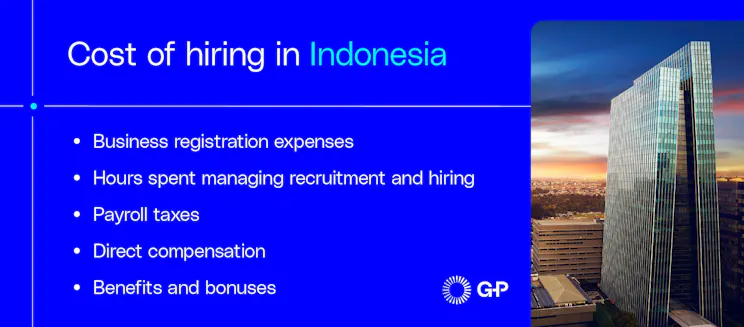
سواء كنت توظف موظفًا واحدًا أو فريقًا كاملاً في إندونيسيا، فإن النفقات أمر لا مفر منه. ميزانية لما يلي:
- إنشاء كيان (إلا إذا كنت شريكًا مع صاحب عمل مسجل)
- الإعلان عن الوظائف
- دفع مكافآت الإحالة للموظفين الذين لديهم اتصالات في إندونيسيا
- دفع مستحقات لجنة توظيف داخلية
- السفر من وإلى إندونيسيا، بما في ذلك الإقامة الفندقية والوجبات والنقل
- التعاون مع مترجم لصياغة الوثائق أو تسهيل المحادثات (إن أمكن).
- استخدام خدمة التحقق من الخلفية لفحص المرشحين
- صياغة عقود العمل والمراجعة القانونية والتشاور مع الخبراء البشريين والخبراء القانونيين
- تكاليف توفير أجهزة الكمبيوتر والهواتف وتراخيص البرامج
- مواد ضم الموظفين وتدريب أولي
- تكاليف الحفاظ على سجلات ووثائق الضرائب والمرتبات المطلوبة
وفقًا G-P موثوقة من Gia ، فإن معدل عبء صاحب العمل في إندونيسيا، والذي يشمل التكاليف التي يتم تكبدها بالإضافة إلى الرواتب، يبلغ حوالي 10%، باستثناء تأمين الحوادث الذي يمكن12يختلف.
ما الذي تحتاجه الشركة لتوظيف موظفين في إندونيسيا؟
تأكد من تغطية هذه الأساسيات قبل توسيع فريقك في إندونيسيا:
- احصل على عقد تأسيس، وموافقة من وزارة القانون وحقوق الإنسان، وشهادة تسجيل الشركة.
- قم بالتسجيل للحصول على معرف شركات شركات لدى مكتب الضرائب الإندونيسي.
- احصل على NIB من خلال OSS، والذي يعمل كرمز فريد لتسجيل الأعمال.
- افتح حسابًا مصرفيًا محليًا باسم شركتك لدفع الرواتب والمدفوعات القانونية.
- سجل شركتك وموظفيك مع BPJS Kesehatan وBPJS Ketenagakerjaan.
- إعداد عقود العمل باللغة الإندونيسية.
- التأكد من عدم حذف الاجور وساعات العمل والمزايا.
- اعتمادًا على قطاع الأعمال، قد تكون هناك حاجة إلى تراخيص أو تصاريح إضافية.
قد يستغرق إنشاء شركة تابعة في إندونيسيا أسابيع أو شهورًا. استخدم G-P مؤسسة تُدير شؤون الموظفين لتوظيف موظفين بدوام كامل في إندونيسيا دون إنشاء كيان خاص بك. ابن فريقك بتكلفة أقل ومطمئنا أنك تقوم بذلك بالتزام.
خطوات توظيف الموظفين في إندونيسيا
إن عملية التوظيف في إندونيسيا تشبه تلك التي من المحتمل أن تكون على دراية بها في دولتك. تتبع عملية التوظيف خمس خطوات أساسية: الإعلان عن الوظيفة، وتقييم الطلبات، وإجراء مقابلات مع المرشحين، وإرسال عروض العمل، وضم الموظفين الجدد إلى الموظفين الجدد.
1. الإعلان عن الوظائف الشاغرة في إندونيسيا
قم بإعداد وصف وظيفي واضح يحدد المسؤوليات والمؤهلات والتعويضات. انشر الوظيفة على مواقع التوظيف المحلية والدولية.
تعد جوبستريت وإنديد إندونيسيا وجلينتس وكيتالولوس وكارير من مجالس الوظائف الشهيرة في إندونيسيا.
2. تقييم طلبات العمل في إندونيسيا
مراجعة السير الذاتية وخطابات التغطية لاختيار المرشحين الذين يستوفون المتطلبات.
3. مقابلة المرشحين في إندونيسيا
قم بإجراء المقابلات الأولية عبر الهاتف أو الفيديو أو شخصيًا. بإمكان Gia مساعدتك في صياغة أسئلة تتماشى مع قوانين مكافحة التمييز في تايلاند، حتى تتمكن من إيجاد الشخص الأنسب للدور مع الالتزام باللوائح المحلية.
قم بترتيب المزيد من المقابلات أو التقييمات حسب الحاجة. تحقق من تاريخ التوظيف والتعليم وقم بإجراء فحوصات خلفية إذا لزم الأمر.
4. تقديم عروض عمل في إندونيسيا
قم بإعداد عقد توظيف باللغة الإندونيسية (ثنائي اللغة إذا لزم الأمر). اذكر بوضوح الراتب والمزايا والواجبات الوظيفية وشروط العقد.
5. تأهيل الموظفين الجدد في إندونيسيا
الآن يمكنك توظيف موظفين جدد. سجل موظفك محتمل لدى BPJS Kesehatan وBPJS Ketenagakerjaan. قم بإعداد الرواتب، وقدم التوجيه، وتأكد من أن موظف يفهم سياسات شركتك. احتفظ بسجلات العمل الدقيقة وابق ممتثل مع قوانين العمل الإندونيسية.
إذا كنت تعمل مع مؤسسة تُدير شؤون الموظفين مثل G-P، فلن تقلق بشأن العبء الإداري لضم الموظفين. سنبسط العملية، حتى تتمكن من التركيز على تدريب موظفك محتمل ودمجهم في ثقافة شركتك.
توظيف المقاولين في إندونيسيا
يمكن أن يكون العمل مع المقاولين المستقلين في إندونيسيا وسيلة فعالة من حيث التكلفة لاختبار السوق وبناء حضور دون الالتزام بتوظيف موظفين بدوام كامل. يفهم المقاولون المقيمون في إندونيسيا سلوك المستهلك المحلي والقواعد والممارسات التجارية. سيكونون مستعدين لبدء العمل بسرعة باستخدام معداتهم الخاصة وعمليات العمل المعتمدة.
يتيح لك توظيف المقاولين تعديل مجمع المواهب لديك بسهولة بناءً على احتياجات عملك، دون تعقيدات وتكاليف التوظيف.
قبل إبرام أي اتفاقية مع مقاول مستقل في إندونيسيا، ضع في اعتبارك ما يلي:
1. الموظفون مقابل المقاولين المستقلين في إندونيسيا
يعمل الموظفون تحت إشراف ورقابة صاحب العمل، ويتبعون الجداول الزمنية المحددة، ويتم دمجهم في المنظمة، ويحصلون على راتب ومزايا منتظمة (مثل BPJS تأمين اجتماعي، ومدفوعات الأجر، وحماية الحد للأجور).
يقدم المقاولون الخدمات بشكل مستقل، ويحددون جداولهم الخاصة، ويستخدمون معداتهم الخاصة، ويشاركون في مشاريع أو فترات محددة. لا يحصلون على مزايا الموظفين ويخدمون عملاء متعددين. يستخدم القانون الإندونيسي تقييمًا نوعيًا يعتمد على عوامل مثل درجة السيطرة، والتبعية الاقتصادية، وتوفير الموارد، وطبيعة العلاقة. تحدد علاقة العمل، وليس العقد فقط، التصنيف.
2. العقوبات على سوء التصنيف في إندونيسيا
تصنيف شخص كمقاول عندما لا يكون كذلك قد يؤدي إلى جزاءات خطيرة. في حالة حدوث سوء التصنيف ، سيتعين عليك القيام بما يلي:
- سداد الأجور والعمل الإضافي واشتراكات التأمين الاجتماعي والإجازة مدفوعة الأجر وغيرها من المزايا التي كان ينبغي أن يحصل عليها العامل كموظف.
- يمكن فرض غرامات إدارية مواجهة لعدم الامتثال لقوانين العمل والضرائب والتأمين الاجتماعي.
- دفع الممتنعات غير المدفوعة وما يتصل بها من جزاءات.
3. كيفية الدفع للمقاولين في إندونيسيا
تقوم شركة G-P Contractor™ بإزالة العملية الفوضوية والمستهلكة للوقت المتمثل في توظيف ودفع رواتب المقاولين الدوليين. يمكنك إنشاء وإصدار العقود ودفع رواتب المقاولين ببضع نقرات فقط، مع ضمان عملية ممتثل.
وظّف موظفين ومتعاقدين في إندونيسيا مع G-P
تدعم منتجاتنا التي تعمل بنظام SaaS والذكاء الاصطناعي (AI) - مؤسسة تُدير شؤون الموظفين والمقاولين و Gia - الشركات أثناء قيامها ببناء الفرق العالمية وإدارتها.
تُعد G-P الشركة الرائدة المعترف بها في مجال التوظيف العالمي، ولديها أكثر من عقد من الخبرة، وأكبر فريق من الخبراء في الشؤون البشرية والقانونية والتجارية، وقاعدة معرفية عالمية خاصة بها.
اجعل توسعك إلى إندونيسيا أسهل مع G-P. تواصل معنا أو احجز عرضًا تجريبيًا اليوم.

الأسئلة الشائعة
ما هي الأنواع الرئيسية لعقود العمل في إندونيسيا؟
الأنواع الرئيسية لعقود العمل في إندونيسيا هي العقود ذات المدة غير المحدودة والعقود المحدودة المدة. لا تحتوي العقود غير المحددة المدة على تاريخ انتهاء محدد، بينما تكون العقود محدودة المدة لفترة أو مشروع وتخضع لمتطلبات قانونية صارمة.
ما هو الحد الأدنى للأجور في إندونيسيا؟
يختلف الحد الأدنى للأجور في إندونيسيا باختلاف المقاطعة ويتم تحديده سنوياً من قبل الحكومات المحلية. عادة ما يكون لدى جاكرتا أعلى معدل. يجب عليك الالتزام بقانون الحد الأدنى للأجور الإقليمي في المكان الذي يعمل فيه الموظف.
ما هي قواعد العمل الإضافي في إندونيسيا؟
يُسمح بالعمل الإضافي حتى أربع ساعات في اليوم و 18 ساعة في الأسبوع. يحصل الموظفون على 150٪ من رواتبهم العادية للساعة الأولى و 200٪ لكل ساعة لاحقة. يجب الاتفاق على العمل الإضافي كتابة.
ما هي قيمة الإجازة السنوية التي يحق للموظفين الحصول عليها في إندونيسيا؟
يحصل الموظفون في إندونيسيا على حد أدنى من 12 أيام من إجازة مدفوعة الأجر بعد إكمال 12 أشهر من الخدمة المتواصلة. هذا بالإضافة إلى العطلات التي تحددها الحكومة كل عام.
ما هي إجراءات إنهاء خدمة موظف في إندونيسيا؟
لفصل موظف في إندونيسيا، يجب اتباع إجراءات قانونية صارمة. يشمل ذلك تقديم إشعار كتابي، وتوثيق سبب فسخ العقد، وفي معظم الحالات، الحصول على موافقة من محكمة العلاقات الصناعية أو التوصل إلى اتفاق تبادل.