



Het opzetten van een dochteronderneming in Frankrijk vergt tijd, middelen en een goed begrip van de lokale wet- en regelgeving en belastingregels. Deze complexiteit kan uw wervingsplannen vertragen en ertoe leiden dat kandidaten naar andere mogelijkheden gaan zoeken.
G-P biedt een alternatief voor het oprichten van een eigen dochteronderneming. In plaats van de conventionele dochterondernemingsroute in Frankrijk te nemen, kunnen wij uw toegang versnellen — er zijn geen nieuwe entiteiten nodig — zodat u binnen enkele minuten in plaats van maanden kunt beginnen met werken.
Hoe een dochteronderneming op te zetten in Frankrijk
Een dochteronderneming (filiale) is een aparte rechtspersoon. Het is eigendom van een moederbedrijf, maar opereert onafhankelijk, met een eigen rechtspersoonlijkheid, activa en passiva. De dochteronderneming is verantwoordelijk voor de naleving van de Franse wetgeving, waaronder de fiscale, boekhoudkundige en arbeidsrechtelijke regelgeving. De aansprakelijkheid van het moederbedrijf is doorgaans beperkt tot de investering die het in de dochteronderneming heeft gedaan. Dit is de standaardregel, geen absolute bescherming, en uitzonderingen kunnen gelden voor garanties, misbruik, verwarring over activa of beheer, direct wangedrag, insolventieproblemen of zorgplicht.
Voordat u een dochteronderneming in Frankrijk opricht, moet u bepalen welk type rechtsvorm u nodig heeft. De meeste Internationale bedrijven kiezen voor een besloten vennootschap met beperkte aansprakelijkheid (société à responsabilité limitée, of SARL) of een vereenvoudigde naamloze vennootschap (société par actions simplifiée, of SAS).
Bedrijven met één aandeelhouder kunnen een entreprise unipersonnelle à responsabilité limitée (EURL) oprichten, de eenpersoonsvorm van een SARL. De aansprakelijkheid van de is over het algemeen beperkt tot hun inbreng, wat zich vertaalt naar "eenmansvennootschap met beperkte aansprakelijkheid".
Besloten vennootschap met beperkte aansprakelijkheid (SARL)
SARL's hebben een rigide rechtskader met veel regels die wettelijk zijn vastgelegd. SARL's moeten beschikken:
- Aandeelhouders: 1–100 aandeelhouders. Een SARL met één aandeelhouder wordt gewoonlijk een EURL genoemd.
- Kapitaal: Minimaal EUR 1 aan aandelenkapitaal voor een SARL. Het aandelenkapitaal is vastgelegd in de statuten en kan bestaan uit contanten of inbreng in natura.
- Beheer: Een of meer individuele managers (gérants). Een rechtspersoon kan niet worden benoemd als de gérant van de SARL.
Vereenvoudigde naamloze vennootschap (SAS)
Een Franse SAS is over het algemeen makkelijker op te zetten en te beheren. Het is populair bij wereldwijde investeerders omdat het flexibiliteit biedt in hoe het bedrijf wordt geleid en georganiseerd. Ze moeten het volgende hebben:
- Aandeelhouders: Minstens één aandeelhouder. Een SAS met één aandeelhouder wordt gewoonlijk een SASU genoemd.
- Kapitaal: Minimaal EUR 1 aan aandelenkapitaal.
- Management: Een president, die een individu of een rechtspersoon kan zijn.
Filiaal versus dochteronderneming
Een filiaal (succursale) is het lokale kantoor van het moederbedrijf. Een filiaal (succursale) is geen afzonderlijke rechtspersoon van het moederbedrijf. Het moederbedrijf is volledig aansprakelijk voor de activiteiten, schulden, contractuele verplichtingen, arbeidsverplichtingen, belastingverplichtingen en andere juridische verplichtingen van de vestiging in Frankrijk. Een filiaal is geen aparte rechtspersoon — het is een verlengstuk van het moederbedrijf. Een filiaal moet zich registreren bij de Franse autoriteiten en voldoen aan lokale regelgeving.
Het opzetten van een dochteronderneming of filiaal hangt af van je zakelijke doelen. Een dochteronderneming kan uw hoofdbedrijf beschermen tegen risico's in Frankrijk, maar hoge onderhoudskosten en papierwerkvereisten lopen snel op.
Een filiaal is een uitbreiding van uw hoofdbedrijf in Frankrijk. Het is eenvoudiger en goedkoper om op te richten, maar uw hoofdbedrijf is wettelijk verantwoordelijk voor alles wat het bijkantoor doet.
Stappen om een dochteronderneming in Frankrijk op te richten:
- Ontwerp statuten: Stel de statuten van de onderneming op en onderteken deze. Hierin worden het doel, de bedrijfsvoering en de werkwijze van de onderneming vastgelegd.
- Storting van aandelenkapitaal: Open een zakelijke bankrekening in Frankrijk en stort het initiële aandelenkapitaal. De bank zal een depositocertificaat (certificat de dépôt des fonds) afgeven dat nodig is voor de registratie.
- Een adres vastleggen: U moet een geregistreerd fysiek adres in Frankrijk hebben. Dit kan worden bereikt door middel van een commerciële huurovereenkomst, een vestigingsbedrijf of door de aankoop van onroerend goed.
- Publiceer een kennisgeving van oprichting: Een kennisgeving met informatie over het nieuwe bedrijf moet worden gepubliceerd in een erkend juridisch tijdschrift of online juridische kennisgevingsdienst (Journal d'Annonces Légales, of JAL).
- Solliciteer online: Dien alle ingevulde documenten in via het officiële Guichet unique des formalités des entreprises online portaal, beheerd door INPI. De documenten moeten de statuten, een certificaat van kapitaaldeposito, een bewijs van adres, de publicatie van JAL en details over de managers of bestuurders bevatten.
- Registreer je: Na goedkeuring wordt uw bedrijf geregistreerd bij het Handelsregister (Registre du commerce et des sociétés, RCS) en ontvangt u een KBIS-extract, het officiële document dat het juridische bestaan en registratie van een bedrijf in Frankrijk aantoont.
Franse subsidiaire wetten en vereisten
U moet aan verschillende wetten en vereisten voldoen om een dochteronderneming op te richten in Frankrijk:
- Beheer: Een gérant of president hoeft over het algemeen niet inwoner van Frankrijk te zijn. Niet-EU/EER/Zwitserse staatsburgers die in Frankrijk zullen wonen of werken, hebben mogelijk een passende immigratie- en werkvergunning nodig.
- Wettelijke auditor: Franse dochterondernemingen (SAS of SARL) hebben een wettelijke auditor (commissaire aux comptes) nodig als het bedrijf twee van de volgende drempels overschrijdt: een balanstotaal van EUR 5 miljoen, een netto-omzet van EUR 10 miljoen of gemiddeld 50 werknemers.
- Belastingheffing: Dochterondernemingen betalen bedrijfsinkomstenbelasting. Dividenden die aan een niet-ingezeten moederbedrijf worden uitbetaald, zijn doorgaans onderworpen aan 25% inhoudingbelasting, tenzij deze worden verlaagd of vrijgesteld onder een belastingverdrag of toepasselijke EU-regels. Dit kan worden verlaagd of verwijderd onder dubbelbelastingverdragen of de EU-richtlijn voor moeder- en dochterondernemingen, die voorkomen dat dezelfde winsten tweemaal worden belast.
- Rapportage: Bedrijven dienen doorgaans jaarlijks financiële overzichten in. SARL's en SAS'en dienen doorgaans goedgekeurde jaarrekeningen in bij de griffie van de handelsrechtbank. Ze moeten ook voldoen aan de eisen op het gebied van sociale zekerheid en andere administratieve verplichtingen.
Voordelen van Franse dochterondernemingen
- Lokale aanwezigheid: Het oprichten van een dochteronderneming geeft u een formele, erkende aanwezigheid in Frankrijk, wat de geloofwaardigheid bij klanten, partners en autoriteiten kan vergroten.
- Markttoegang: Dochterondernemingen bieden u gemakkelijker toegang tot de Franse en EU-markten.
- Juridische scheiding: De dochteronderneming is een aparte rechtspersoon, waardoor de aansprakelijkheid van het moederbedrijf beperkt is tot de investering in de dochteronderneming, wat de activa van het moederbedrijf beschermt.
- Talentwerving: Met een dochteronderneming kunt u rechtstreeks werknemers in dienst nemen via Franse arbeidsovereenkomsten, wat kan helpen bij het aantrekken van lokaal talent.
- Fiscale voordelen: dochterondernemingen kunnen, afhankelijk van hun activiteiten en structuur, profiteren van lokale fiscale stimuleringsmaatregelen of verdragen.
Nadelen van Franse dochterondernemingen
- Complexe opzet: Dochterondernemingen brengen administratieve stappen, juridische documentatie en compliance van het vennootschapsrecht met zich mee.
- Continue compliance: Het naleven van de Franse regelgeving op het gebied van boekhouding, belastingen en arbeidsrecht is een voltijdbaan.
- Kosten: Dochterondernemingen brengen hogere opstartkosten en doorlopende kosten met zich mee voor juridische, boekhoudkundige en operationele ondersteuning.
- Managementvereisten: Hoewel directeuren geen inwoner van Frankrijk hoeven te zijn, is lokale expertise vaak nodig om aan compliance.
- Afbouw: Het sluiten van een dochteronderneming is tijdrovend en kostbaar vanwege de wettelijke en administratieve vereisten in Frankrijk.
Alternatief voor het opzetten van een dochteronderneming in Frankrijk
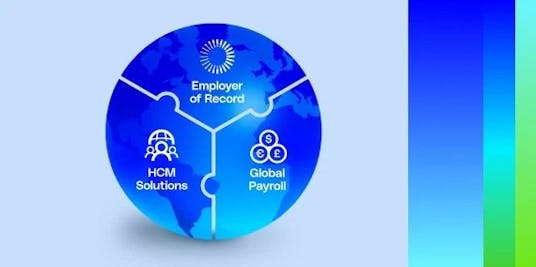
G-P kunt u binnen enkele minuten talent inhuren zonder de rompslomp van het opzetten van entiteiten. De voordelen van het gebruik van een werkgever als officiële vertegenwoordiger (Employer of Record) in Frankrijk zijn onder andere:
- Snellere markttoegang: Als Employer of Record kunt u direct talent in dienst nemen zonder het tijdrovende proces van het oprichten van een rechtspersoon. Het opzetten van een dochteronderneming kan maanden duren vanwege regelgevende, bank- en administratieve vereisten.
- Compliancegarantie: De arbeidswetgeving in Frankrijk is complex en biedt bescherming aan werknemers. Een werkgever die als officiële werkgever optreedt, zorgt ervoor dat de compliance inzake arbeidsrecht (Code du Travail ), collectieve arbeidsovereenkomsten (conventies collectives), loonregelgeving, belastinginhoudingen en wettelijke uitkeringen worden nageleefd.
- Kostenefficiëntie: Het oprichten en onderhouden van een SARL brengt aanzienlijke opstart- en doorlopende kosten met zich mee, waaronder juridische kosten, boekhouding, lokaal beheer en administratieve overhead. Een werkgever die als officiële werkgever optreedt, is kosteneffectiever, vooral als u een klein team aanneemt of de markt in Frankrijk verkent.
- Administratieve eenvoud: Met een Employer of Record hoeft u zich geen zorgen te maken over de administratieve lasten van het beheren van de salarisadministratie, verplichte sociale premies, belastingaangiften en HR- compliance. De officiële werkgever regelt dit allemaal, zodat u zich kunt concentreren op uw bedrijf.
- Flexibiliteit: Een werkgeversstructuur is gemakkelijker op te schalen of af te schalen dan een dochteronderneming.
- Risicobeperking: Een EOR (Employer of Record) beheert de juridische risico's die verbonden zijn aan de tewerkstelling van werknemers, zoals de classificatie van werknemers, en biedt u zo een extra beschermingslaag.
Nieuwe markten betreden met G-P — geen nieuwe entiteiten nodig
Het oprichten van een dochteronderneming of juridische entiteit in Frankrijk is kostbaar en tijdrovend. G-P Employer of Record kunt u binnen enkele minuten talent aannemen, zonder de rompslomp en complicaties van een dochteronderneming.
Vraag vandaag nog een offerte aan en ontdek meer over onze wereldwijde arbeidsbemiddelingsproducten en Employer of Record-oplossingen.
Veelgestelde vragen
Wat is een claim-voordeelhebbende eigenaar en wanneer is deze vereist?
Deze verklaring identificeert de natuurlijke personen die uiteindelijk eigenaar zijn van of controle hebben over de Franse dochteronderneming. Meld iedereen die direct of indirect meer dan 25% van het kapitaal of stemrechten bezit, of op andere manieren controle uitoefent. Als er na due diligence geen individu te identificeren is, meld dan standaard de juridische vertegenwoordiger. De INPI oprichting-aangifte bevat doorgaans deze verklaring. Dien eventuele wijzigingen binnen 30 dagen in.
Wanneer is een publicatie met juridische aankondiging vereist voor de oprichting?
Bij het opzetten van een dochteronderneming in Frankrijk moet u als onderdeel van het oprichtingproces een oprichting-kennisgeving publiceren. Plaats de kennisgeving in een bevoegde juridische aankondigingsinstantie binnen de afdeling van het geregistreerde kantoor. Je moet een publicatiebewijs in het registratiebestand opnemen.
Welke belastingregistraties gelden voor vennootschapsinkomstenbelasting en btw?
Een Franse dochteronderneming is onderworpen aan de Franse vennootschapsinkomstenbelasting op belastbare winsten. Het standaard belastingtarief is 25%. De btw-verplichtingen zijn afhankelijk van belastbare activiteiten, omzet, btw-regime en grensoverschrijdende transacties. Het standaard btw-tarief is 20%, met verlaagde tarieven voor bepaalde voorraden. De gegevens van de oprichting worden automatisch naar de relevante autoriteiten gestuurd. Ondersteunde bedrijven moeten het toepasselijke belastingregime, btw-activatie en btw-nummer bevestigen bij een lokale belastingadviseur of een bevoegde vennootschapsbelastingkantoor.
Wat zijn de belangrijkste verschillen tussen een dochteronderneming en een filiaal in Frankrijk?
Een dochteronderneming — filiale — is een afzonderlijke Franse rechtspersoon, meestal georganiseerd als een SAS of SARL. Een filiaal — succursale — heeft geen aparte rechtspersoonlijkheid en opereert als onderdeel van het buitenlandse moederbedrijf. Een dochteronderneming beperkt de aansprakelijkheid van de moeder tot haar kapitaalinvestering. Een filiaal maakt het moederbedrijf direct aansprakelijk voor alle verplichtingen. Beide structuren vereisen Franse registratie en belasting compliancemaar een dochteronderneming handhaaft onafhankelijk bestuur en jaarlijkse bedrijfsverplichtingen.
Welke juridische vorm past bij een buitenlandse dochteronderneming: SAS of SARL?
Internationale groepen die een Franse dochteronderneming opzetten, kiezen vaak voor een SAS omdat deze flexibel bestuur, flexibele statuten en een optie met één aandeelhouder biedt die SASU wordt genoemd. Een SAS moet een president benoemen. Een SARL heeft voorschrijvende governance-regels, vereist één of meer natuurlijke bestuurders — gérants — en houdt doorgaans 2—100 aandeelhouders. De eenpersoonsvorm van SARL is een EURL. De optimale vorm hangt af van bestuursstructuren, financieringsstrategieën, fiscale positie en eisen aan executive social zekerheid.
Hoe kies en bewijs je een Frans geregistreerd kantooradres?
Een Franse dochteronderneming moet een geregistreerd kantoor in Frankrijk hebben en bij de oprichting een erkend bewijs van bewoning overleggen. Standaardbewijs omvat een commercieel huurcontract, eigendomsakte, domiciliatieovereenkomst of gebruiksbewijs in nutsstijl dat door het register wordt geaccepteerd. U kunt het adres van een juridische vertegenwoordiger gebruiken onder specifieke regels voor huurovereenkomst, mede-eigendom, planning en kennisgeving. Tijdelijke vestiging in een privéwoning is beperkt tot vijf jaar.
Hoe registreer je een Franse dochteronderneming via INPI Guichet Unique?
Voltooi de registratie online via INPI's Guichet Unique-portaal. De oprichting-aanvraag omvat doorgaans:
Ondertekende statuten
Bewijs van managementbenoemingen
Bewijs van het geregistreerde kantooradres
Kapitaaldepositocertificaat
Abonneegegevens
Juridisch aankondigingscertificaat
Informatie over voordelige eigenaren
Identiteitsdocumenten en beëdigde niet-veroordelingsverklaringen
Vereiste goedkeuringen van de regelgeving
Na acceptatie schrijft het register het bedrijf in in de RNE en RCS, geeft het SIREN- en SIRET-identificatie uit en genereert het de KBIS-extractie.
Wat is er nodig om bestuurders of managers te benoemen voor een SAS of SARL?
Een SAS moet één president benoemen, die zowel een individu als een rechtspersoon kan zijn. Een bedrijfsleider heeft een permanente individuele vertegenwoordiger nodig. Een SARL moet één of meer natuurlijke managers benoemen. Het TEAM moet benoemingen goedkeuren via de statuten of een formele vennootschapsbeslissing. Individuele vertegenwoordigers dienen identiteitsdocumenten in samen met beëdigde niet-veroordelingsverklaringen en ouderschapsverklaringen. Niet-EU-burgers die in Frankrijk gaan wonen en werken, moeten een immigratievergunning verkrijgen.
Welke documenten moet een Amerikaanse moeder overleggen om in Frankrijk te kunnen oprichten?
Een Amerikaans moederbedrijf levert gecertificeerd bewijs van juridisch bestaan, bedrijfsstatuten en geautoriseerde bestuursbesluiten die de Franse dochteronderneming, aandeleninschrijving en kapitaalallocatie goedkeuren. Het indieningsproces vereist bewijs van ondertekeningsbevoegdheid, eigendomsketenrecords, UBO-documentatie en identiteitsverificatie voor vertegenwoordigers. Franse registers, banken en belastingautoriteiten kunnen een apostille en gecertificeerde Franse vertalingen vereisen, afhankelijk van de staatsjurisdictie en eigendomstructuur.
Hoe stort je aandelenkapitaal in voor een Franse dochteronderneming en krijg je bewijs?
Stort aandelenkapitaal bij een erkende bank of notaris voordat u de definitieve oprichting krijgt. De instelling geeft een attestation de dépôt des fonds uit die nodig is voor registratie. Bij de oprichting moeten oprichters ten minste 50% van een SAS cash capital en 20% van een SARL cash capital betalen. Het TEAM moet het resterende saldo binnen vijf jaar betalen. De Franse wet stelt geen praktisch wettelijk minimumkapitaal vast voor een SAS of SARL, maar bedrijven moeten voldoende werkkapitaal financieren voor Marktovername. De bank geeft gedeponeerde gelden vrij na registratie en uitgifte van Kbis.