




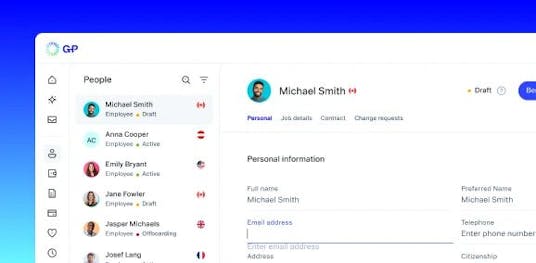

Att säga att tekniken i rymden har kommit långt skulle vara en underdrift. Med tjänsten till stor del rotad i hyperlokaliserad efterlevnad, särskilt lönehantering, fokuserade Global EOR-tekniken huvudsakligen på att samla lokala data, stödja arbetare och fakturera kunder. Då var enkla molnbaserade kundportaler tillräckligt bra.
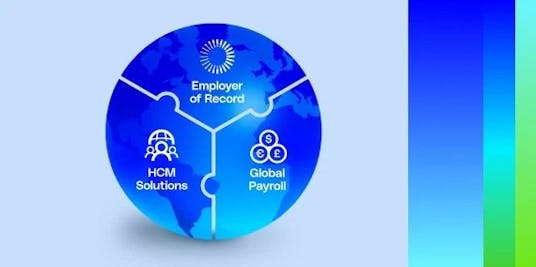
Under det senaste decenniet har globala leverantörer av registrerade arbetsgivare lutat sig mot att bygga ut sina SaaS-lösningar och möjliggöra global employment platforms. Vissa tävlar mot fullständiga globala HCM-sviter och blir bredare och mindre specialiserade och fokuserar enbart på registrerade arbetsgivare, medan andra har hållit fast vid sin kärnspecialisering och fördubblar sig genom att utvecklas mot mycket intelligenta globala plattformar för arbetsorkestrering.
Globala leverantörer av registrerade arbetsgivare integrerar och bäddar in sina lösningar i HCM-plattformar och utnyttjar artificiell intelligens (AI) för att automatisera, förstärka, vägleda och orkestrera efterlevnad av global anställningsforskning, beslut och genomförande (mer snabbhet, smidighet och ROI).
Trogen sina lönerötter och som ligger till grund för den globala registrerade arbetsgivare är fintech och gränsöverskridande penningrörelse i realtid. Båda utvecklas snabbt och omvandlar global lönehantering till en ständigt tillgänglig och välförtjänt upplevelse.
Vidare blir globala anställnings- och efterlevnadsdata och insikter mer tillgängliga på begäran, i kombination med AI och redo att förutsäga och minska talangmöjligheter och globala expansionsbeslut.
AI, automatisering och insikter
AI och automatisering är banbrytande innovationer för HR, efterlevnad och personalhantering. Det som länge varit manuellt, arbetsintensivt och dåligt aktiverat, men ändå mycket kinetiskt och kritiskt, digitaliseras och automatiseras nu. Administrativa uppgifter som onboarding, förmånsregistrering och lönehantering effektiviseras alltmer genom automatisering. AI möjliggör en mycket mer guidad, insiktsfull, personlig och kontextuell upplevelse för både anställda och utövare i anställningsprocessen.
Med global registrerad arbetsgivare nu integrerad med de flesta större HCM-plattformar är modellen närmare än någonsin HR-åtgärder och strategi, med sina efterlevnadsinsikter tillgängliga i affärsflödet. Åren av expertis, insikter och kapacitet automatiseras och produktiseras nu med hjälp av AI.
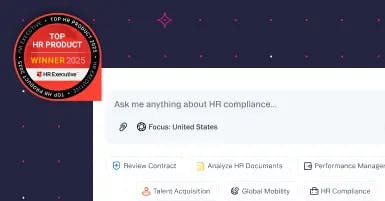
G-P Gia är ett bra exempel på att stödja och möjliggöra snabbhet och smidighet i affärs- och talangbeslut, genom insikt och automatisering, och utföra dem genom orkestrering. G-P Gia är ett agentiskt AI-exempel som formar hur global sysselsättningsinnovation kan se ut i framtiden. Det stöder redan globala anställningsanvändningsfall i stort sett - inte bara globala registrerade arbetsgivare eller enkla efterlevnadsfrågor.
AI-aktiverade lösningar som Gia automatiserar den globala anställningslivscykeln för uppgifter, tar bort friktion från processen, risker från beslutet och skapar en hastighet till ROI-resultat genom att minska tid, ansträngning och kostnad för att agera på affärs- eller talangbeslut.
Ett typiskt användningsfall kan se ut ungefär så här.
En företagsledare som forskar om nya verksamhetsplatser för strategisk expansion ber om hjälp Gia med att utforska varje målland och tillhandahåller analys som jämför kostnader och risker för verksamheten baserat på sysselsättningsbehov i varje land. Gia kan hjälpa till att fastställa vilken anställningstyp som krävs och utarbeta lokala arbetsbeskrivningar för granskning och ge vägledning om lokala ersättningsnormer och krav. Därifrån kan den undersöka och ytinsikter om lagenliga anställningsavtal och generera kontraktet för granskning ... och så vidare.
Ett grundläggande exempel, men du kan se hur en företagsledare på bara några minuter, inte veckor eller månader, kan ta itu med och agera på strategiska planer och talangmöjligheter. Ungefär som att ha en advokat och HR-affärspartner som tillhandahåller juridisk och efterlevnadsvägledning på begäran och skapar massor av snabbhet, smidighet och riskundvikande för verksamheten.
När AI blir mer intelligent, agentisk och interoperabel kan du se hur den globala EOR-tjänsten med stor sannolikhet kan ta sig an en framtid med Services-as-a-Software (kredit HFS Research). Bakom kulisserna utför autonoma agenter arbete, hanterar uppgifter, fattar beslut och orkestrerar global anställningsefterlevnad utan mänsklig input och med mänsklig expertis och tillsyn. Därav är värdet och ROI mindre om den faktiska programvaran och mer om de resultat den och dess insikter producerar.
På längre sikt kan global registrerad arbetsgivare med AI möjliggöra hyperansluten, AI-orkestrerad talanghantering som förutser behov, minskar efterlevnadsexponering och avslöjar insikter som tidigare dolts mellan olika system. Dess data och vägledning kommer att ge organisationer möjlighet att förutsäga och minska risken för talangstrategier, vilket säkerställer att rätt kompetens används vid rätt tidpunkt, oavsett plats eller inköpsmodell.
På så sätt kan den globala registrerade arbetsgivarens kapacitet bli nödvändig för att utvärdera nya marknader och planera eller genomföra fusioner, förvärv och avyttringar, med hjälp av AI-driven modellering och simulering för att ge prediktiva insikter som stöder smartare, snabbare och mer strategiska affärsbeslut. Samtidigt möjliggör en kompatibel tillväxtmotor som erbjuder snabbhet och smidighet i genomförandet av strategin.
Fintech
Fintechs integration och stöd går snabbt framåt och digitaliserar hur globala leverantörer av registrerade arbetsgivare flyttar pengar till arbetare över hela världen, vilket gör det snabbare, billigare och mer kompatibelt. Digitala plånböcker, blockkedjor, RAILS för omedelbar betalning och avvecklingsteknik möjliggör gränslösa transaktioner i realtid, minskar risker, administrativa bördor och onödiga förseningar.
Genom fintech och AI-drivna globala registrerade arbetsgivare övergår betalningar till kontinuerliga intäkter, med löner beräknade och tillgängliga för arbetare i realtid baserat på arbetade timmar och intjänade löner, automatiserad skatteavdrag och omedelbara utbetalningar i lokala valutor via digitala bankskenor.
Ett strategiskt användningsfall kan omfatta hantering av ett gränsöverskridande förvärv. Långsiktiga globala EOR-plattformar kan orkestrera omedelbara avvecklingar för avgångsvederlag, bonusar och aktiekonverteringar. Användning av AI för att förutsäga valutafluktuationer, för att optimera timing och routing, vilket sparar kostnader samtidigt som man säkerställer efterlevnad av lokala skatteregler och finanssystem och huvudböcker nedströms.
Den intelligenta, anpassningsbara global employment platform
Den globala EOR-modellen är på väg mot intelligenta, adaptiva global employment platforms. Utnyttja AI för att förutse talang- och efterlevnadsbehov snarare än att reagera på dem. Den kommer att organisera den globala anställningsprocessen och stödja hyperpersonliga talangekosystem, integrera insikter och säkerställa efterlevnad. Det kommer också att fungera som ett datamaterial som sammanför HR-, efterlevnads-, löne- och prestationsdata från globala källor till ett sammanhängande, handlingsbart lager för att ge råd, informera och riskera.
Om författaren
Pete A. Tiliakos
Huvudanalytiker, strategisk rådgivare och huvudlönemästare på Payroll Influences LLC
Pete utnyttjar unik marknadsexpertis från över 30 år inom HR och löneteknik, tjänster och omvandling. Pete är globalt erkänd för sin omfattande kunskap, täckning, forskning och strategiska rådgivning av ledande och framväxande lösningsleverantörer över löne-, Employer of Record-tjänster, betalningar och HCM-teknikmarknader. Både utövare och leverantörer utnyttjar i stor utsträckning sin forskning och perspektiv eftersom han är en regelbunden bidragsgivare till branschorganisationer, podcasts, publikationer och evenemang och medvärd för HR och Payroll 2.0 podcast och värd för The Source podcast av DailyPay.