





Mendirikan anak perusahaan di Spanyol membutuhkan lebih dari sekadar pengurusan dokumen. Prosesnya kompleks dan dapat memakan waktu 6–8 minggu atau lebih lama, tergantung pada kepatuhan dan kewajiban hukum. Jangka waktu ini dapat menunda masuk pasar dan menyebabkan calon karyawan mempertimbangkan peluang lain.
Namun, G-P menawarkan alternatif. Alih-alih menempuh jalur anak perusahaan konvensional di Spanyol, kami dapat mempercepat proses masuk Anda — tanpa memerlukan entitas baru — sehingga Anda dapat memulai operasi dalam hitungan menit, bukan berbulan-bulan.
Cara mendirikan anak perusahaan di Spanyol
Mendirikan anak perusahaan di Spanyol dimulai dengan memilih bentuk badan hukum yang tepat. Meskipun ada alternatif seperti kantor cabang atau kantor perwakilan, alternatif tersebut tidak menawarkan perlindungan tanggung jawab yang sama seperti anak perusahaan. Bagi sebagian besar perusahaan internasional, pilihannya bermuara pada dua jenis perusahaan:
- Sociedad de Responsabilidad Limitada (SL): Mirip dengan perseroan terbatas swasta, ini adalah struktur yang paling umum untuk perusahaan internasional karena fleksibilitas dan persyaratan modal yang lebih rendah.
- Sociedad Anónima (SA): Setara dengan perusahaan terbatas publik, struktur ini lebih kaku, memiliki persyaratan modal yang lebih tinggi, dan umumnya digunakan untuk perusahaan besar yang berniat untuk terdaftar di bursa efek.
Langkah-langkah mendirikan anak perusahaan di Spanyol
Proses mendirikan S.L. di Spanyol umumnya mengikuti langkah-langkah berikut:
- Dapatkan NIE untuk direktur internasional: Semua direktur dan pemegang saham non-nasional harus mendapatkan Nomor Identifikasi Orang Asing (Número de Identificación de Extranjero, atau NIE) dari otoritas Spanyol.
- Sertifikasi nama perusahaan: Ajukan permohonan sertifikat izin nama (Certificación Negativa de Denominación Sosial) dari Central Mercantile Registry untuk memastikan nama yang Anda usulkan unik.
- Buka rekening bank: Setelah membuka rekening bank korporat Anda harus menyetor modal saham.
- Draf anggaran dasar: Menyiapkan Estatutos sociales perusahaan, menguraikan aturan tata kelola, kegiatan usaha, dan struktur pemegang saham.
- Eksekusi akta pendirian: Pendiri atau perwakilan hukum mereka harus menandatangani akta pendirian publik di hadapan notaris Spanyol.
- Dapatkan ID pajak sementara (NIF): Ajukan Nomor Identifikasi Pajak sementara (Número de Identificación Fiscal, atau NIF) dari Badan Pajak Spanyol(Agencia tributaria).
- Daftar ke Registri Dagang: Ajukan akta pendirian ke Registri Dagang provinsi (Registro Mercantil) untuk mendaftarkan perusahaan secara resmi.
- Selesaikan pendaftaran: Setelah terdaftar, dapatkan NIF definitif dan daftar untuk jaminan sosial dan kegiatan bisnis dan pajak lainnya yang diperlukan.
Hukum dan persyaratan anak perusahaan Spanyol
Saat mendirikan S.L. di Spanyol, Anda harus memenuhi beberapa undang-undang dan persyaratan, seperti:
- Modal saham: Sesuai dengan undang-undang "Crea y crece" (Undang-undang 18/2022), modal saham minimum yang dibutuhkan untuk sebuah S.L. adalah EUR 1. Namun, jika modal di bawah EUR 3,000, perusahaan harus mengalokasikan 20% dari keuntungannya ke cadangan hukum setiap tahun hingga total gabungan cadangan dan modal saham mencapai EUR 3,000.
- Struktur manajemen: Seorang S.L. tidak diwajibkan memiliki dewan direksi. Manajemen dapat disusun dengan administrator tunggal, administrator bersama, atau dewan 3–12 direktur. Semua administrator harus memiliki NIE bahasa Spanyol.
- Transfer saham: Saham SL tidak dapat dipindahtangankan dan tunduk pada batasan yang diuraikan dalam anggaran rumah tangga perusahaan dan hukum Spanyol. SL tidak dapat menerbitkan obligasi.
- Akuntansi dan audit: Semua perusahaan harus menyiapkan laporan keuangan tahunan dan mengajukannya ke Mercantile Registry. Audit wajib bagi perusahaan yang memenuhi ambang batas ukuran tertentu.
Keunggulan anak perusahaan Spanyol:
- Akses pasar lokal: Mendirikan anak perusahaan di Spanyol memungkinkan akses langsung ke pasar Spanyol dan Uni Eropa yang lebih luas, memfasilitasi pertumbuhan bisnis dan kedekatan Pelanggan.
- Tanggung jawab terbatas: Tanggung jawab perusahaan induk umumnya terbatas pada investasinya di anak perusahaan, mengurangi risiko keuangan.
- Status badan hukum: Anak perusahaan adalah badan hukum tersendiri, yang dapat mengadakan kontrak, memiliki aset, dan mempekerjakan karyawan secara mandiri.
- Potensi manfaat pajak: Anak perusahaan dapat memperoleh manfaat dari insentif pajak lokal, perjanjian perpajakan ganda, dan arahan UE.
- Kredibilitas yang ditingkatkan: Beroperasi sebagai perusahaan lokal dapat meningkatkan reputasi dan kepercayaan dengan klien, mitra, dan otoritas Spanyol.
Kerugian dari anak perusahaan Spanyol:
- Pengaturan dan kepatuhan yang kompleks: Mendirikan dan memelihara anak perusahaan melibatkan pekerjaan administrasi yang signifikan, termasuk pendaftaran, tata kelola lokal, dan kepatuhan berkelanjutan dengan pajak perusahaan Spanyol, dan undang-undang ketenagakerjaan.
- Biaya yang lebih tinggi: Ada biaya yang terkait dengan pendirian, nasihat hukum, akuntansi, dan operasi yang sedang berlangsung.
- Persyaratan peraturan: Anak perusahaan Spanyol harus mematuhi pelaporan lokal, audit, dan peraturan ketenagakerjaan, yang bisa rumit dan memakan waktu.
- Perpajakan: Keuntungan dikenakan pajak perusahaan Spanyol, dan mungkin ada implikasi pajak tambahan untuk memulangkan keuntungan ke perusahaan induk.
- Tantangan manajemen: Mengoperasikan anak perusahaan memerlukan manajemen dan pengawasan lokal, yang dapat menambah kompleksitas operasi global.
Alternatif untuk mendirikan anak perusahaan Spanyol
Meskipun anak perusahaan menawarkan manfaat berupa badan usaha tetap dan tanggung jawab terbatas, prosesnya memakan waktu, mahal, dan merepotkan. Jika tujuan Anda adalah untuk merekrut talenta di Spanyol dengan cepat, ada alternatif yang lebih sederhana. G-P memungkinkan Anda untuk mempekerjakan talenta dalam hitungan menit tanpa kerumitan anak perusahaan.
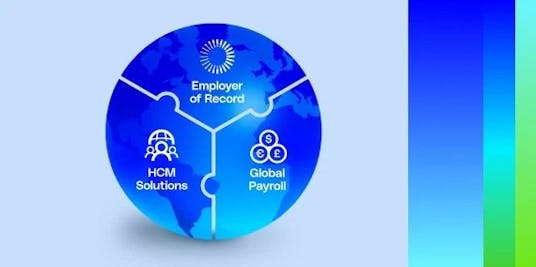
Manfaat menggunakan perusahaan tercatat (Employer of Record) di Spanyol termasuk:
- Kecepatan memasuki pasar: Employer of Record memungkinkan Anda untuk segera memasukkan talenta di Spanyol, karena Anda tidak perlu melalui proses panjang pendirian badan hukum. Mendirikan anak perusahaan dapat memakan waktu berbulan-bulan karena persyaratan peraturan, perbankan, dan administrasi.
- Jaminan kepatuhan: Undang-undang ketenagakerjaan di Spanyol kompleks dan sangat protektif bagi karyawan. Employer of Record memastikan kepatuhan dengan Estatuto de los Trabajadores (Statuta Pekerja), CBA yang berlaku, peraturan penggajian, pemotongan pajak, dan tunjangan undang-undang, mengurangi risiko non-kepatuhan dan potensi penalti.
- Efisiensi biaya: Mendirikan dan memelihara anak perusahaan (misalnya, SL) memiliki biaya di muka dan berkelanjutan yang signifikan, termasuk biaya hukum, akuntansi, manajemen lokal, dan biaya administrasi. Employer of Record lebih hemat biaya, terutama jika Anda mempekerjakan TIM kecil atau menguji pasar Spanyol.
- Kesederhanaan administrasi: Dengan Employer of Record, Anda terhindar dari beban administrasi pengelolaan penggajian, iuran sosial wajib, pelaporan pajak, dan kepatuhan SUMBER DAYA MANUSIA. Pemberi Kerja Tercatat menangani tanggung jawab ini, memungkinkan Anda untuk fokus pada bisnis inti Anda.
- Fleksibilitas: Jika kebutuhan bisnis Anda berubah, pengaturan Employer of Record lebih mudah untuk ditingkatkan atau diturunkan dibandingkan dengan menghentikan anak perusahaan.
- Mitigasi risiko: Pemberi Kerja Tercatat mengelola risiko hukum yang terkait dengan pekerjaan, seperti tipe perjanjian pekerja, memberi Anda lapisan perlindungan tambahan.
Masuki pasar baru dengan G-P — tidak diperlukan entitas baru.
Mendirikan anak perusahaan atau badan hukum di Spanyol mahal dan memakan waktu. G-P Employer of Record memungkinkan Anda untuk mempekerjakan talenta dalam hitungan menit tanpa kerumitan dan komplikasi anak perusahaan.
Minta proposal hari ini untuk mempelajari lebih lanjut tentang produk ketenagakerjaan global kami dan solusi Employer of Record.
Apa saja persyaratan visa kerja karyawan 2026 di Spanyol?
Profesional non-UE, non-EEA, dan non-Swiss harus mendapatkan visa trabajo por cuenta ajena standar untuk bekerja di Spanyol. Pengusaha sponsor Spanyol harus mendapatkan otorisasi kerja awal dan kependudukan dari otoritas tenaga kerja lokal sebelum kandidat mengajukan visa lamaran kerja.
Kapan direktur atau perwakilan membutuhkan NIE di Spanyol?
Pemegang saham, direktur, dan perwakilan yang berwenang di luar kemiripan harus mendapatkan NIE (nomor identifikasi pajak untuk non-warga negara) sebelum menyelesaikan pendirian atau pelaporan jak dalam bahasa Spanyol. Perusahaan yang mendirikan Spanish S.L. harus mengamankan NIE lebih awal untuk menghindari keterlambatan pendaftaran notaris, registrasi, dan pajak.
Dokumen AS mana yang membutuhkan apostille dan terjemahan bahasa Spanyol bersumpah?
Menggabungkan S.L. Spanyol memerlukan catatan korporasi khusus AS:
Bukti pembentukan atau pendirian
Dokumen pemerintahan terkini
Sertifikat status baik atau keberadaan
Resolusi perusahaan
Surat kuasa
Dokumen publik atau notaris harus memuat apostille resmi. Dokumen non-Spanyol harus mencakup terjemahan bersumpah ke dalam bahasa Spanyol.
Kapan S.L. memperoleh kepribadian hukum di Mercantile Registry?
Sebuah Spanish S.L. memperoleh kepribadian hukum terpisah setelah Registri Perdagangan provinsi secara resmi mendaftarkan akta pendirian-nya. Menandatangani akta di hadapan notaris Spanyol merupakan langkah penting, tetapi penandatanganan itu saja tidak membentuk badan hukum.
Bagaimana cabang Spanyol berbeda dengan anak perusahaan Spanyol?
Cabang Spanyol: Berfungsi sebagai perpanjangan langsung dari perusahaan induk internasional. Perusahaan ini tidak memiliki kepribadian hukum terpisah dan langsung mengekspos perusahaan induk pada tanggung jawab lokal.
Spanyol anak perusahaan: Beroperasi sebagai entitas hukum independen Spanyol, paling umum adalah S.L. Pemerintah mempertahankan kewajiban tata kelola, pajak, dan pengajuan yang berbeda sekaligus melindungi pemegang saham melalui tanggung jawab terbatas.