





Principais conclusões
-
Constituição de entidade, EOR ou contratados: A contratação direta no Reino Unido exige um registro complexo no HMRC e folha de pagamento local, enquanto um Empregador de Registro (EOR) oferece expansão rápida sem a necessidade de constituir uma entidade local. A contratação de profissionais autônomos oferece flexibilidade e agilidade para trabalhos por projeto.
-
Principais requisitos legais: Certifique-se de que os salários mínimos ou de vida, 28 dias de férias anuais remuneradas, 3% de contribuições previdenciárias do empregador e o pagamento legal de doença (SSP) sejam pagos quando você contratar no Reino Unido.
-
Regulamentos de tempo de trabalho: Os funcionários estão limitados a uma média de 48 horas de trabalho por semana, calculadas em um período de 17semanas. Eles podem assinar voluntariamente um acordo de exclusão por escrito.
-
Próximas alterações legais: O Projeto de Lei dos Direitos Trabalhistas oferece proteção imediata contra demissões injustas e torna mais rigorosas as regras sobre trabalho flexível e atualizações contratuais.
O Reino Unido possui um vasto leque de talentos para compartilhar com o mundo. Mas o país também possui leis trabalhistas e de emprego complexas e difíceis de entender.
Para empresas que contratam funcionários no Reino Unido, gerenciar essas regulamentações é complexo, mas necessário. Este guia irá orientá-lo em tudo o que você precisa saber sobre a contratação de funcionários no Reino Unido.
O que você precisa saber antes de contratar no Reino Unido
Se você deseja contratar funcionários no Reino Unido, comece com estes 10 requisitos básicos de conformidade.
1. Salário mínimo
O Reino Unido possui dois níveis salariais:
-
Salário mínimo nacional: Este é o salário mínimo por hora para funcionários do Reino Unido com idade 20 ou inferior a 5 anos. Em 2025, as taxas variam de GBP 7,55 a GBP 10, dependendo da idade do funcionário e se ele é um aprendiz. As tarifas mudam todos os anos em 10 de 1 abril.
-
Salário mínimo nacional: Este é um valor mais alto, aplicável a funcionários com idade igual ou superior a 21 . A taxa 2026 é GBP 12,71 por hora. Para aqueles com idade entre 18–20, a taxa é GBP 8,00. Os aprendizes recebem GBP 8.00. As tarifas também são atualizadas todos os anos em 11 de 1 abril.
2. Regulamentos de horas de trabalho
Não existe uma semana de trabalho padrão em tempo integral definida por lei no Reino Unido. No entanto, uma semana de trabalho de 40horas é comum. Os empregadores podem exigir que os trabalhadores trabalhem por mais tempo, quando permitido por contrato e pela legislação aplicável. A remuneração por todas as horas trabalhadas deve estar em conformidade com o salário mínimo nacional ou o salário mínimo vital nacional.
De acordo com o Regulamento do Tempo de Trabalho, a maioria dos trabalhadores adultos não pode trabalhar mais do que uma média de 48 horas por semana. Isso geralmente é calculado em um 17período de referência de 5 semanas. 24A exigência de pessoal durante 6 horas não isenta automaticamente uma função desse limite. No entanto, exceções específicas, regras especiais, períodos de referência mais longos ou acordos de descanso compensatório podem ser aplicados a determinados setores.
Trabalhadores com idade igual ou superior a 18 podem optar por exceder a média semanal de48horas se assinarem um acordo voluntário de exclusão por escrito. Os trabalhadores podem cancelar um acordo de exclusão a qualquer momento. O prazo de aviso prévio padrão é de sete dias. O acordo pode estipular um prazo de aviso prévio mais longo, de até três meses.
Embora muitos empregadores ofereçam pagamento de horas extras, não há obrigatoriedade de pagar horas extras com adicional, a menos que haja acordo contratual ou convenção coletiva.
3. Banco de horas
Os funcionários no Reino Unido têm direito a pelo menos 5 semanas 6 semanas (28 dias) de férias anuais remuneradas. Os empregadores decidem se incluem 8os10 feriados públicos e bancários do Reino Unido (dependendo da jurisdição) nos 28 dias de férias anuais remuneradas. Os trabalhadores a tempo parcial terão os seus 28 dias de férias anuais legais proporcionais. Por exemplo, alguém que trabalha 3 dias por semana receberá 16.8 dias de folga por ano (3 dias multiplicados por 5.6 semanas é 16.8 dias).
A possibilidade de transferir dias de férias depende do tipo de férias e dos termos previstos no contrato do funcionário. Por exemplo, se um funcionário estiver em licença legal, como licença-paternidade, licença-maternidade, licença-adoção ou licença médica, ele poderá transferir o saldo de férias não utilizadas para o ano seguinte.
4. Licença familiar
As funcionárias grávidas podem usufruir de até 52 semanas de licença de maternidade como direito desde o primeiro dia. Este pagamento é feito por até 39 semanas, se as condições de qualificação forem atendidas. A licença paternidade é 1de2 6 a 7 semanas. Aqueles que adotam ou procuram a barriga de aluguel podem tirar até 52 semanas de licença de adoção. A licença parental partilhada pode conceder até 50 semanas de licença com 37 semanas de salário. Na Grã-Bretanha, a licença para cuidados neonatais de até 15 12 semanas aplica-se desde abril de 2016 2025 (isto ainda não está em vigor na Irlanda do Norte).
5. assistência médica;

O governo do Reino Unido fornece seguro de saúde aos residentes através do Serviço Nacional de Saúde (NHS). Você pode oferecer seguro privado adicional, incluindo benefícios odontológicos e de visão, mas isso não é obrigatório.
6. Pagamento Estatutário de Doença (SSP)
Os funcionários que ganham pelo menos GBP 125 por semana têm direito ao SSP se estiverem doentes por mais de três dias consecutivos. Os funcionários devem documentar sua doença com um atestado médico ou outra comprovação. Para a maioria dos funcionários, o SSP está disponível a uma taxa fixa de GBP 118.75 por semana por até 28 semanas. Verifique as atualizações anuais da taxa fixa e dos critérios de elegibilidade do SSP.
7. Sistema de pagamento conforme o rendimento (PAYE)
No sistema PAYE, os empregadores devem reter o imposto de renda e as contribuições para a previdência social (NICs) dos salários dos funcionários. Os empregadores repassam esses valores à Receita e Alfândega do Reino Unido (HMRC). Os valores dependem dos rendimentos do funcionário.
Como funciona o registro de folha de pagamento PAYE para empregadores no Reino Unido: Os empregadores do Reino Unido precisam se registrar no sistema PAYE junto à HMRC antes do primeiro dia de pagamento. Após o registro, o HMRC fornece os números de referência necessários para configurar o software de folha de pagamento, declarar salários e deduções e pagar impostos.
Após o cadastro, os empregadores devem utilizar o sistema de informações em tempo real (RTI) para calcular e declarar os impostos e deduções a cada dia de pagamento. Para novos funcionários, recolha um P45 ou uma lista de verificação inicial para garantir a codificação fiscal correta. Você precisa cumprir os prazos de pagamento do HMRC, fornecer recibos de pagamento detalhados e manter todos os registros da folha de pagamento.
8. Pensões
Os empregadores devem oferecer um plano de pensão aos funcionários do Reino Unido com idade entre 22e66 anos que ganham GBP 10,000 ou mais anualmente. No entanto, os funcionários podem optar por não participar. O regime de pensões é financiado conjuntamente pelo empregador e pelo empregado, com taxas mínimas de contribuição de 3% para os empregadores e 5% para os empregados. As contribuições para o plano de pensão dos funcionários são deduzidas antes do cálculo do imposto sobre o restante do salário.
9. Vistos
As regras de imigração mudam com frequência, por isso é crucial que os membros da sua equipe tenham o direito de trabalhar no Reino Unido. Ao abrigo do Regime de Regularização da UE, os cidadãos da UE, do EEE e da Suíça podem continuar a viver, a trabalhar e a estudar no Reino Unido após o Brexit. Cidadãos de países não pertencentes à UE precisam de um visto de trabalho, como um visto de Trabalhador Qualificado ou um visto de Transferência Intraempresarial.
10. Projeto de Lei dos Direitos Trabalhistas
O projeto de lei sobre direitos trabalhistas provavelmente se tornará lei em 2025. Este projeto de lei contém emendas para proteger ainda mais os trabalhadores do Reino Unido. Essas alterações imporão novos requisitos de conformidade aos empregadores que desejam contratar no Reino Unido, incluindo:
-
Eliminar a exigência de dois anos de serviço para reclamações por despedimento injusto.
-
Consultar os funcionários e demonstrar uma justificativa razoável ao alterar os termos de emprego.
-
Fornecer razões transparentes e justificáveis para negar pedidos de trabalho flexível.
-
Estabelecer políticas claras para a concessão de licença legal por luto.
2026 expectativas dos funcionários no Reino Unido
Os funcionários no Reino Unido estão preocupados com seu futuro profissional. Nossa pesquisa constatou que 610% estão preocupados com a perda de emprego e 1% acham que 59não têm as habilidades necessárias para prosperar em um ambiente de trabalho impulsionado por IA.
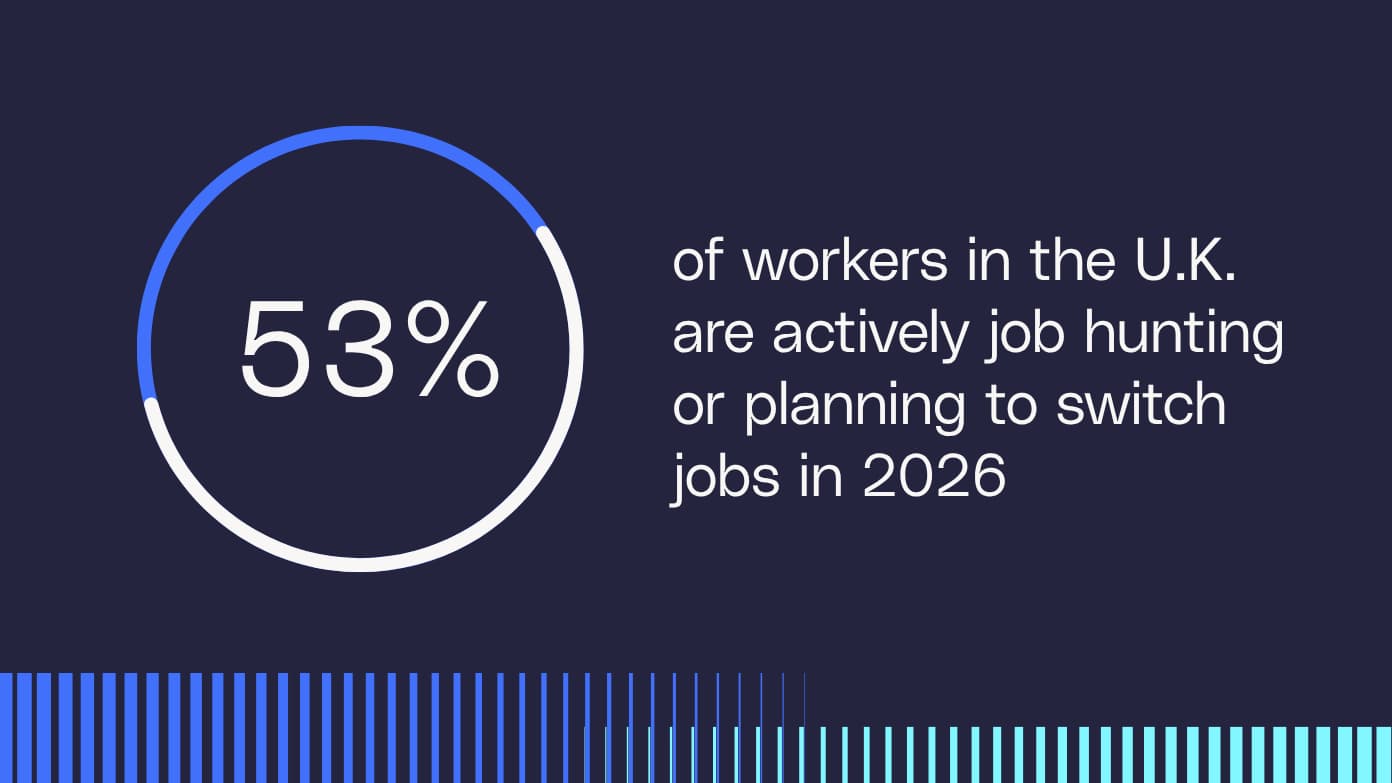
Cerca de 53% dos trabalhadores no Reino Unido estão ativamente procurando emprego ou planejando mudar de emprego em 2026. As empresas que contratam no Reino Unido devem destacar as oportunidades de progressão na carreira e os investimentos na capacitação dos funcionários para atenuar essas preocupações. Incluir planos de treinamento e desenvolvimento nas descrições de cargos pode diferenciá-lo da concorrência e servir como um poderoso contraponto à ansiedade dos funcionários em relação à IA.
Modelos de contratação para empresas globais que desejam contratar no Reino Unido.
O melhor modelo para contratar funcionários no Reino Unido depende dos seus objetivos comerciais gerais.
| Modelo | Conhecido por | Principais benefícios | Principais riscos |
|---|---|---|---|
| Registro direto do empregador | Contrate funcionários do Reino Unido diretamente, sem uma entidade local, através do registro HMRC PAYE. | Permite a contratação direta no Reino Unido e o controle sem uma entidade local. | Expõe-se a potenciais riscos de estabelecimento permanente e de impostos corporativos, dependendo da função do funcionário. |
| Empregador Registrado, como a G-P EOR | Uma forma rápida de contratar no Reino Unido sem uma entidade local. A EOR administra todos os contratos, folha de pagamento, impostos, benefícios e conformidade. | Facilita a entrada rápida e em conformidade com o mercado, com o mínimo de configuração, ao contratar funcionários no Reino Unido. | Risco de responsabilidades fiscais e de saúde e segurança se o cliente orientar os trabalhadores de EOR (Exploração de Recuperação Avançada) como se fossem seus empregadores reais. |
| Subsidiária ou filial | Uma subsidiária ou filial cria uma presença formal. | Oferece controle máximo, presença de marca, escalabilidade e maturidade operacional. | Elevados encargos de configuração, manutenção e conformidade, incluindo a criação da entidade e o imposto corporativo. |
| Empreiteiros independentes, como a G-P Contractor | Ideal para projetos de curto prazo ou consultoria sem controle do empregador. | Acesso flexível a competências especializadas sem necessidade de compromisso a tempo inteiro. | A classificação incorreta acarreta riscos para os direitos dos trabalhadores, impostos não pagos e obrigações previdenciárias. |
Principais polos de contratação no Reino Unido
Algumas cidades do Reino Unido são conhecidas por indústrias específicas. Conhecer as ofertas de cada cidade pode ajudar você a direcionar seus esforços de recrutamento para o local certo e preencher as vagas mais rapidamente.
Os principais polos de talento no Reino Unido incluem:
-
Londres é a capital e a maior cidade do Reino Unido, além de um centro global para finanças, tecnologia, varejo, moda e produtos farmacêuticos. É uma empresa líder em exportação financeira, atraindo os melhores talentos nas áreas de bancos, seguros e gestão de ativos.
-
Manchester é um importante polo industrial no noroeste da Inglaterra. Esta cidade é líder mundial em manufatura avançada, incluindo os setores aeroespacial e automotivo. Possui um cenário tecnológico em crescimento, com pontos fortes em mídia digital, comércio eletrônico e segurança cibernética.
-
Birmingham possui uma economia diversificada e abriga empresas, profissionais liberais e empresas de serviços financeiros. As indústrias de fabricação automotiva e ferroviária também prosperam em Birmingham.
-
Cambridge possui um ecossistema robusto de pesquisa e desenvolvimento, impulsionado pela Universidade de Cambridge. O polo científico e tecnológico em Cambridge e arredores é apelidado de Silicon Fen devido às suas indústrias de ponta nas áreas de software, eletrônica e biotecnologia.
-
Edimburgo é a capital da Escócia e o segundo maior centro financeiro do Reino Unido, depois de Londres. Esta cidade é líder mundial em serviços bancários, seguros e gestão de investimentos, e possui uma indústria de software em crescimento.
-
Belfast atrai talentos especializados em investimentos em fintech e cibersegurança. Indústrias criativas como o cinema e a televisão também prosperam aqui.
-
Cardiff, a capital galesa, possui diversos pontos fortes nas áreas de finanças, mídia, turismo, cinema e fintech.
Principais setores industriais no Reino Unido
Compreender os principais setores da indústria do Reino Unido ajuda você a comparar salários e benefícios. Você pode usar essa informação para tomar decisões inteligentes sobre onde investir e expandir sua força de trabalho. Os principais setores industriais no Reino Unido incluem:
-
Finanças e seguros: O setor de serviços financeiros e de seguros do Reino Unido contribuiu com 208 2 de libras esterlinas 8a economia em 2023, representando 8 % da produção econômica total. Entre os nomes de destaque neste setor, podemos citar o Barclays e o Lloyds Banking Group.
-
Tecnologia: Em 2023, o setor digital e tecnológico contribuiu com 7% do emprego no Reino Unido. O Reino Unido abriga a Arm, empresa de design de semicondutores, a Revolut, líder em tecnologia financeira, e a Sage Group, gigante do software.
-
Saúde e ciências da vida: Esses setores do Reino Unido empregam centenas de milhares de pessoas e incluem empresas farmacêuticas renomadas, como a AstraZeneca.
-
Indústrias criativas: De julho 2023 a junho 2024, a indústria criativa representou cerca de 7% dos empregos no Reino Unido. Entre os grandes nomes estão a BBC, a empresa global de publicidade e relações públicas WPP e os estúdios Pinewood.
-
Indústria transformadora: O setor da indústria transformadora contribuiu com cerca de 217 mil milhões de libras esterlinas em valor bruto para a economia do Reino Unido em 2024. Entre as marcas de destaque do setor manufatureiro do Reino Unido, podemos citar a Rolls-Royce, a Unilever e a BAE Systems.
despesas de contratação no Reino Unido
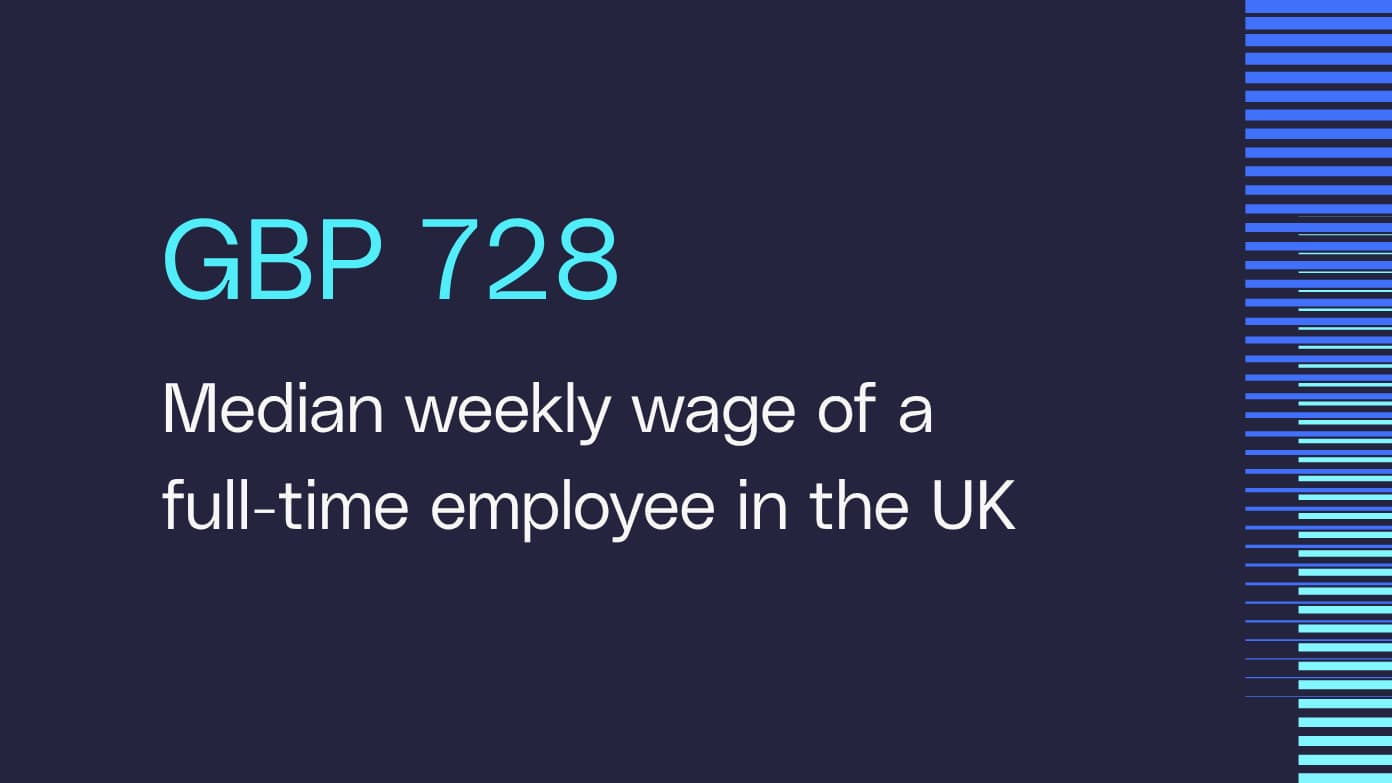
Os salários e benefícios variam de acordo com a ocupação, mas o salário semanal médio de um funcionário em tempo integral no Reino Unido é de cerca de GBP 728. Contratar no Reino Unido exige um planejamento orçamentário cuidadoso:
-
Pesquisa: O cumprimento das leis e regulamentos exige uma pesquisa extensa, portanto, você terá que pagar funcionários para fazer isso ou firmar parceria comespecialistas externos em conformidade.
-
Constituição de entidade: Você precisa de uma subsidiária ou filial para contratar funcionários no Reino Unido, o que pode ser caro e demorado. Ou você pode firmar parceria com um Empregador Registrado (EOR, na sigla em inglês) e dispensar esse requisito.
-
Soluções de recrutamento: as EORs simplificam a contratação de funcionários no Reino Unido. Inclua os honorários deles no seu orçamento de contratação.
-
Publicidade: Anunciar vagas de emprego em sites de emprego populares no Reino Unido pode ajudar a atrair candidatos qualificados. Algumas dessas plataformas podem cobrar uma taxa.
-
Verificações legais: Verificar o direito de um candidato de trabalhar e realizar outras verificações de antecedentes demandam tempo e dinheiro.
-
Comissão de contratação: Se você usar uma comissão de contratação interna, você pagará pelas horas de trabalho que eles dedicam à redação do anúncio da vaga, à avaliação das candidaturas e às entrevistas com os candidatos.
-
Treinamento: Os novos contratados precisam investir em treinamento antes de começarem a produzir trabalho valioso para sua empresa.
O custo de contratar um prestador de serviços no Reino Unido
Contratar funcionários em tempo integral é ótimo para atender às necessidades de longo prazo e às funções essenciais do negócio. Contratar uma empresa terceirizada pode ser mais econômico para projetos de curto prazo ou quando você precisa de habilidades especializadas por um período limitado. Os contratados geralmente têm uma taxa horária mais alta do que os funcionários, mas permitem economizar em diversas despesas, incluindo treinamento, contribuições para a seguridade social, pensões, férias, licença médica e outros benefícios.
Uma solução para contratados como o GP Contractor ™ pode ajudá-lo a contratar e pagar contratados no Reino Unido com facilidade.
O que é necessário para contratar funcionários no Reino Unido
Para contratar trabalhadores do Reino Unido, você precisa ter:
-
Entidade jurídica: É necessário ter uma subsidiária ou filial registrada para contratar no Reino Unido.
-
Seguro de responsabilidade civil do empregador: A legislação do Reino Unido exige que as empresas tenham um seguro de responsabilidade civil do empregador para proteger os funcionários em caso de doença ou lesão relacionada ao trabalho.
-
Cadastro do empregador: A contratação de funcionários no Reino Unido exige o registro como empregador junto à HMRC (Receita e Alfândega do Reino Unido) para gerenciar as obrigações tributárias e as retenções na fonte.
-
Folha de pagamento: Um sistema de folha de pagamento em conformidade com as normas é crucial para calcular e recolher impostos, contribuições para a segurança social e outras deduções.
A parceria com uma EOR simplifica todos os aspectos da contratação no Reino Unido. Como uma empresa global de recuperação de petróleo, temos entidades em todo o mundo. Em vez de gastar meses a criar a sua própria empresa, pode usar a subsidiária britânica da nossa EOR para contratar funcionários em minutos.
6 passos para contratar no Reino Unido

Se você deseja contratar funcionários do Reino Unido, siga estes passos:
-
Prepare-se para a conformidade: Faça uma pesquisa para garantir que você entenda todas as leis e práticas trabalhistas relevantes para contratação no Reino Unido ou utilize um Empregador de Referência (EOR) para acessar conhecimento especializado local.
-
Publique um anúncio de emprego: Use o GP Gia ™, nosso agente global de RH com IA, para redigir documentos de RH, incluindo descrições de cargos que estejam em conformidade com a Lei da Igualdade de 2010 e a Lei de Proteção de Dados de 2018.
-
Triagem de candidatos: A triagem dos candidatos é feita com base nas qualificações listadas em seus currículos e em verificações legais.
-
Realizar entrevistas: Entrevistar os candidatos pré-selecionados e usar o Gia para elaborar perguntas de entrevista relevantes e não discriminatórias.
-
Faça o acompanhamento e elabore um contrato: apresente uma proposta ao candidato escolhido e redija um contrato em conformidade com a lei, que descreva os termos, direitos e responsabilidades do emprego.
-
Integre seu novo funcionário: Ofereça treinamento e integre os novos contratados à cultura da sua empresa.
Entendendo os contratos de trabalho no Reino Unido
Os contratos de trabalho no Reino Unido devem ser acompanhados por uma declaração escrita de detalhes ou um contrato que contenha os principais termos de emprego. Isso inclui o título e a descrição do cargo, a data de início do emprego, a remuneração, os direitos a férias, o auxílio-doença, o horário de trabalho e os prazos de aviso prévio.
Inclua cláusulas de propriedade intelectual e confidencialidade para proteger suas informações proprietárias. Você pode incluir um período probatório, geralmente de seis meses ou menos, e cláusulas razoáveis de não concorrência. Definir as condições e os processos para a rescisão do contrato também pode protegê-lo contra reclamações por despedimento injusto.
Com o Gia, você pode elaborar contratos e outros documentos de RH em segundos, em conformidade com as leis trabalhistas, para contratações no Reino Unido.
Outras considerações legais e de conformidade
Outras considerações importantes na contratação de funcionários no Reino Unido incluem:
-
Classificação: Classificar corretamente os trabalhadores do Reino Unido é crucial para cumprir os requisitos fiscais e de benefícios, além de proteger a reputação e a estabilidade financeira da sua empresa .
-
Negociação coletiva: Os trabalhadores do Reino Unido têm o direito de se filiar a um sindicato e, sob certas condições, os empregadores devem reconhecer esses sindicatos e negociar coletivamente com eles.
-
Proteção de dados: Além da Lei de Proteção de Dados, você deve cumprir o Regulamento Geral de Proteção de Dados (RGPD) do Reino Unido. Se você emprega cidadãos da UE que trabalham no Reino Unido, também deve cumprir os requisitos do RGPD (Regulamento Geral de Proteção de Dados) da UE para proteger os dados deles.
Contratação de prestadores de serviços no Reino Unido
Trabalhar com prestadores de serviços independentes no Reino Unido pode ser uma forma econômica de testar o mercado e construir uma presença sem o compromisso de funcionários em tempo integral. Os prestadores de serviços sediados no Reino Unido compreendem o comportamento do consumidor local, as regras e as práticas comerciais. Eles estarão prontos para começar a trabalhar rapidamente com seus próprios equipamentos e processos de trabalho já estabelecidos.
Contratar prestadores de serviços permite ajustar facilmente a sua força de trabalho no Reino Unido de acordo com as necessidades do seu negócio, sem as complexidades e os custos da contratação de funcionários.
Antes de celebrar um contrato com um prestador de serviços independente no Reino Unido, considere o seguinte.
1. Empregados versus trabalhadores independentes
A legislação trabalhista do Reino Unido reconhece três tipos de vínculo empregatício : empregado, contratado independente (autônomo) e trabalhador.
-
Os funcionários trabalham sob um contrato de trabalho, que dá ao empregador o controle sobre o trabalho deles em troca de direitos legais, como o auxílio-doença e a proteção contra demissão injusta.
-
Os trabalhadores independentes controlam o seu próprio trabalho de acordo com o seu contrato de prestação de serviços. Eles são considerados trabalhadores autônomos, portanto são responsáveis pelos seus próprios impostos. Eles possuem proteções legais mínimas além dos termos do contrato, mas conservam alguns direitos.
Os trabalhadores atuam como empreiteiros, mas devem executar o trabalho contratado pessoalmente, enquanto os empreiteiros podem subcontratar o trabalho a terceiros. Os trabalhadores recebem direitos trabalhistas básicos, como salário mínimo e férias remuneradas.
2. Penalidades por classificação incorreta
Classificar alguém como contratado quando não o é pode acarretar penalidades. Caso ocorra uma classificação incorreta , você poderá precisar:
-
Pague integralmente as parcelas do empregador e do empregado referentes a todos os impostos de renda e contribuições previdenciárias em atraso durante todo o período de classificação incorreta, acrescidos de juros.
-
Providenciar o pagamento retroativo dos direitos que foram negados ao empregado ou trabalhador, incluindo salários mínimos atrasados, férias acumuladas e contribuições retroativas para o plano de pensão do local de trabalho.
-
Podem enfrentar penalidades financeiras significativas por parte da HMRC (Receita e Alfândega do Reino Unido).
3. Como pagar empreiteiros no Reino Unido
A GP Contractor simplifica o processo complicado e demorado de contratar e pagar prestadores de serviços internacionais. Você pode criar e emitir contratos e pagar contratados com apenas alguns cliques, garantindo ao mesmo tempo um processo em conformidade com a lei.
Contrate funcionários e prestadores de serviços no Reino Unido com a GP
Nossos produtos SaaS e com inteligência artificial – EOR, Contractor e Gia – ajudam empresas de todos os portes a construir e gerenciar equipes globais.
Com mais de uma década de experiência, a maior equipe de especialistas em RH, direito e compliance, e uma base de conhecimento proprietária global, a GP é líder reconhecida em questões trabalhistas globais.
Facilite a sua expansão contratando no Reino Unido com a G-P. Entre em contato conosco ou agende uma demonstração hoje mesmo.

Perguntas frequentes
Qual a diferença entre o RGPD do Reino Unido e o RGPD da UE?
O RGPD do Reino Unido é essencialmente o RGPD da UE adaptado para o Reino Unido após o Brexit. O Regulamento Geral de Proteção de Dados (RGPD) do Reino Unido funciona como uma estrutura independente após o Brexit. Se você contratar cidadãos da UE para trabalhar no Reino Unido, deverá cumprir ambas as leis.
A transferência de dados entre o Reino Unido e a UE exige proteções em conformidade com a legislação. Isso inclui decisões de adequação da Comissão Europeia (ao abrigo do RGPD da UE), do governo do Reino Unido (ao abrigo do RGPD do Reino Unido) e Cláusulas Contratuais Padrão para proteção de dados.
Quais são as limitações para a verificação de antecedentes de funcionários no Reino Unido?
Na maioria dos empregos, a verificação de antecedentes se limita a confirmar as informações fornecidas pelo candidato. Para trabalhos que envolvam maior risco, você pode realizar verificações mais detalhadas, incluindo a verificação de antecedentes criminais. Mas você deve fornecer um aviso de privacidade explicando quais dados você coleta e por quê.
Recomendamos solicitar o consentimento antes de realizar a verificação. Na maioria dos casos, você deve usar o Serviço de Divulgação e Proibição (Disclosure and Barring Service) para verificar seus antecedentes criminais.
O que compõe um pacote de benefícios competitivo para funcionários no Reino Unido?
Além dos requisitos mínimos legais, os pacotes de benefícios competitivos no Reino Unido geralmente incluem:
Plano de saúde particular
Cobertura odontológica e oftalmológica
Arranjos de trabalho flexíveis
Contribuições para a previdência acima do mínimo
Folga remunerada adicional