




Wichtigste Erkenntnisse
-
Künstliche Intelligenz im Personalwesen kann Ihr Team stärken: Die agentenbasierte künstliche Intelligenz vonG-Punterstützt mehrstufige Arbeitsabläufe im Personalwesen, einschließlich grenzüberschreitender Einstellung, Erstellung maßgeschneiderter und konformer international Verträge, länderspezifischer Analysen, laufender Compliance-Überwachung, automatisierter Einarbeitung in großem Umfang und täglichem Lebenszyklusmanagement. Dadurch verkürzt sich die Recherchezeit, sodass sich Ihr Team auf Strategie, Kultur und Mitarbeiter konzentrieren kann.
-
Menschliches Urteilsvermögen priorisieren: Aufgaben automatisieren, nicht Entscheidungen. Menschliche Aufsicht ist wichtig bei der Bewertung, wie künstliche Intelligenz verantwortungsvoll im Personalwesen eingesetzt werden kann, insbesondere bei Entscheidungen, die sich auf Beschäftigung, Bezahlung oder Rechtsstellung auswirken.
-
Globale Compliance benötigt verifizierte Daten: Werkzeuge der Allgemeinen Künstlichen Intelligenz bergen das Risiko von Compliance-Fehlern. Um die Einhaltung der Vorschriften zu gewährleisten, verwenden Sie von Experten geprüfte, firmeneigene Tools wie G-P Gia™.
Für weitere Einblicke schauen Sie sich das Webinar an: „Künstliche Intelligenz, HUMAN RESOURCES strategy, and the evolving globale Belegschaft“
Wenn Sie ein HUMAN RESOURCES-Fachmann oder ein Unternehmensleiter sind, der eine globale Belegschaft leitet, wissen Sie, dass es ein Vollzeitjob ist, mit den Vorschriften Schritt zu halten. Heute geht es bei dem Gespräch nicht nur darum, Wege zu finden, alle rechtlichen Kästchen abzuhaken; es geht darum, intelligente Technologieentscheidungen zu treffen.
Das Verständnis für den Einsatz von Künstlicher Intelligenz im Personalwesen transformiert die Branche, indem es alltägliche Aufgaben erleichtert und beschleunigt. Vereinfachung und Schnelligkeit helfen Personalabteilungen, sich schnell an veränderte Rahmenbedingungen und Vorschriften anzupassen. Aber keine Sorge, Sie müssen nicht der Schnellste sein – es geht einfach darum, mitzuhalten.
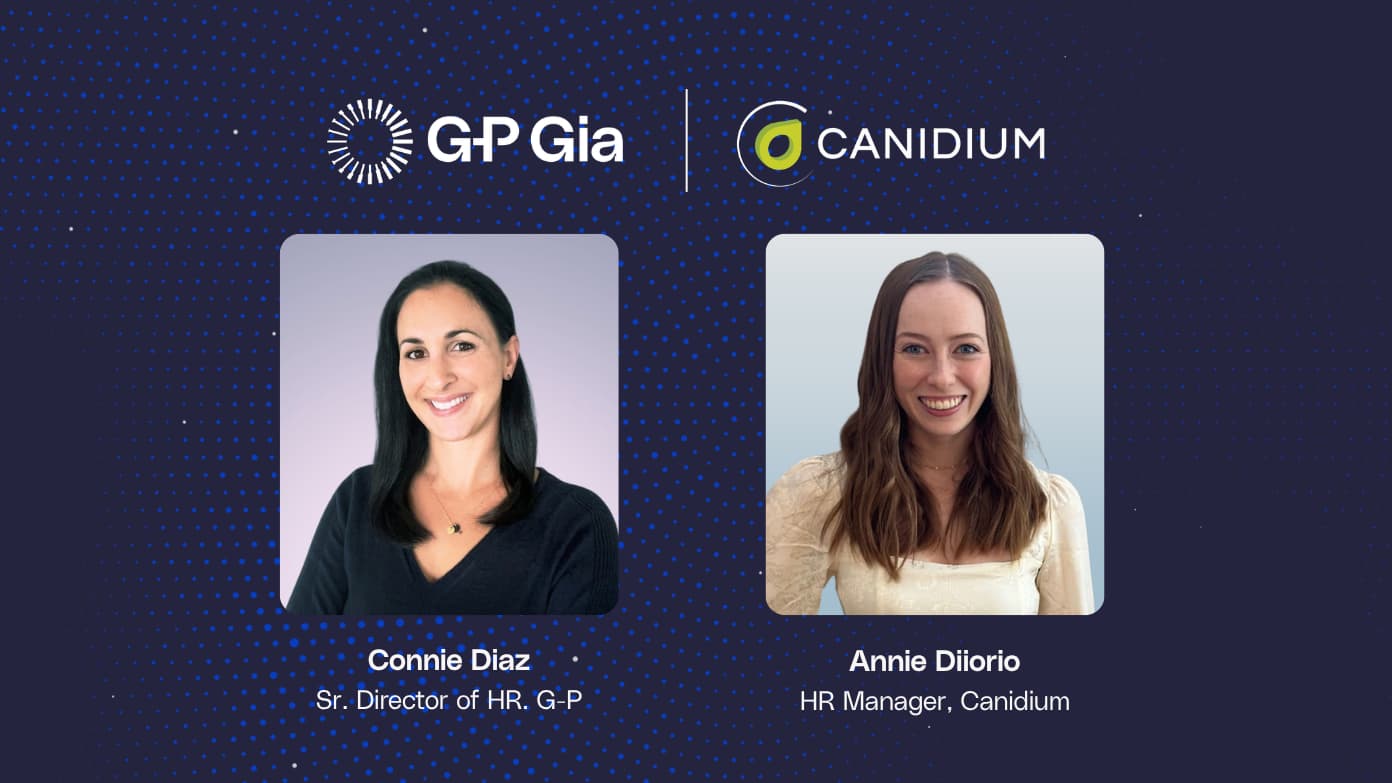
Connie Diaz, Senior Director of HUMAN RESOURCES bei G-P, und Annie Diiorio, HUMAN RESOURCES-Managerin bei Canidium, sind Experten darin, Belegschaften in Bewegung mit Künstlicher Intelligenz vertraut zu machen. Sie haben mehrere Jahre damit verbracht, ihre Teams von der " -Angst vor Künstliche Intelligenz " wegzubringen, um Tools zu implementieren, die Aufgaben reduzieren und den Menschen wieder in die HUMAN RESOURCES zurückholen. Aufgrund dieser Erfahrung haben sie den Code für die Künstliche Intelligenz-Integration geknackt.
Wie Werkzeuge der Künstlichen Intelligenz HUMAN RESOURCES-Teams unterstützen
Werkzeuge der künstlichen Intelligenz wirken als Multiplikator für Personalabteilungen, indem sie die schwere Arbeit administrativer Aufgaben übernehmen. Durch die Übernahme umfangreicher Aufgaben wie der ersten Sichtung von Lebensläufen, der manuellen Datensortierung und der Beantwortung routinemäßiger Richtlinienfragen beschleunigt Künstliche Intelligenz den täglichen Betrieb. Dadurch wird die sich wiederholende Arbeitsbelastung reduziert, die wachsende Teams überfordern kann.
Gia kann beispielsweise schnell einen japanischen Arbeitsvertrag generieren, der wichtige lokale arbeitsrechtliche Gegebenheiten zur Prüfung durch die Personalabteilung berücksichtigt. Nach japanischem Arbeitsrecht (wie dem Arbeitsnormengesetz) müssen Verträge Details wie Arbeitszeiten, Überstundenregelungen und Abfindungsregeln in einem bestimmten Format explizit festlegen. Wenn Sie ein allgemeines Angebotsschreiben nach US-amerikanischem Vorbild verwenden, können einige Bestimmungen nach japanischem Arbeitsrecht unwirksam oder schwer durchzusetzen sein.
Ohne ein KI-Tool wie Gia müsste ein Personalmanager in New York oder London Folgendes tun:
-
Verbringen Sie Stunden damit, japanische Arbeitsgesetze zu recherchieren.
-
teure externe Rechtsberatung
-
Warten Sie Tage, bis ein lokaler Partner das Dokument erstellt hat.
Da Werkzeuge der künstlichen Intelligenz wie Gia mehrtägige, kostenintensive Aufgaben viel schneller erledigen können, haben Personalabteilungen mehr Zeit, sich auf Arbeiten zu konzentrieren, die menschliches Urteilsvermögen erfordern.
Vorteile Künstlicher Intelligenz im HUMAN RESOURCES
Die Vorteile künstlicher Intelligenz im Personalwesen liegen darin, dass sie Teams dabei hilft, effizienter, strategischer und selbstbewusster zu arbeiten. Dies gilt insbesondere für die grenzüberschreitende Verwaltung von Auftragnehmern, Mitarbeitern und die Einhaltung von Vorschriften.
So sieht das in der Praxis aus. Nehmen wir an, Ihr Team muss einen leitenden Manager von den USA nach Großbritannien versetzen. Traditionell würde dies tagelange Recherchen zum Arbeitsrecht vor Ort oder die Beauftragung teurer externer Anwälte erfordern. Der Einsatz Künstlicher Intelligenz im HUMAN RESOURCES verändert den Prozess:
-
Schnellere Arbeitsabläufe in den Bereichen Personalwesen und Compliance: Die globale Compliance-Engine vonG-Pgeneriert einen auf Großbritannien zugeschnittenen Arbeitsvertrag, der Mindestkündigungsfristen, Sozialleistungen und Ansprüche auf bezahlten Jahresurlaub beinhaltet.
-
Konsistentere globale Mitarbeiterbetreuung: G-P Assist gibt versetzten Mitarbeitern sofortige Antworten zu lokalen Leistungen, Urlaub und Einarbeitung und leitet komplexe Fälle automatisch an Experten im jeweiligen Land weiter.
-
Proaktive, kontextbezogene Entscheidungen: Gia kann auf britische Pflichten zur automatischen Rentenanmeldung sowie auf steuerliche oder lohnbezogene Aspekte hinweisen, die die Personalabteilung vor Abschluss des Transfers klären kann.
-
Weniger Verwaltungslücken: Die agentische Künstliche Intelligenz globale Beschäftigungsplattform von G-Pnutzt mehrstufige, grenzüberschreitende Arbeitsabläufe, um manuelle Rechercheschleifen und Datenfehler zu reduzieren.
Beginnen Sie hier: das „Künstliche Intelligenz-Adoptionskontinuum“
Für viele Führungskräfte ist es eine große Herausforderung, den verantwortungsvollen Umgang mit Künstlicher Intelligenz im Personalwesen zu erlernen. Annie merkt an, dass Adoption einem Kontinuum folgt: „Es beginnt mit Gleichgültigkeit, dann folgt Angst, dann Verlegenheit, Selbstvertrauen und schließlich Transformation.“
Der Trick, um nicht ins Hintertreffen zu geraten, ist einfach: Probieren Sie einfach die Tools aus — auf jede Art und Weise, die für Sie und Ihr Team geeignet ist. Hat man erst einmal angefangen, merkt man, wie einfach es ist, und das stärkt schnell das Selbstvertrauen.
„Ich glaube, die Leute haben Angst davor, dass künstliche Intelligenz ihnen die Arbeit wegnimmt, aber was uns viel mehr Sorgen bereiten sollte, ist, dass jemand, der künstliche Intelligenz einsetzen kann, ihnen die Arbeit wegnimmt.“ — Annie Diiorio, HR-Managerin, Canidium.
Schritt 1: Finden Sie Ihre HUMAN RESOURCES-Zeitfresser
Künstliche Intelligenz kann in jeden Aspekt des Personalwesens integriert werden. Es fungiert als „Mitarbeiter“, um Abläufe zu vereinfachen, Mitarbeitererlebnisse zu personalisieren und neue Erkenntnisse zu gewinnen. Künstliche Intelligenz ersetzt keine Personalverantwortlichen – sie erweitert deren Fähigkeiten, automatisiert Aufgaben mit hohem Arbeitsaufkommen und gibt ihnen die Freiheit, sich auf Strategie, Unternehmenskultur und die Interaktion mit echten Menschen zu konzentrieren.
| HUMAN RESOURCES-Funktion | Wie man Künstliche Intelligenz in HUMAN RESOURCES einsetzt |
|---|---|
| Globale Rekrutierung und Einstellung | Macht den Talent-Funnel leichter zu verwalten: Es prüft Lebensläufe, erstellt Stellenbeschreibungen und Interviewfragen und automatisiert den Terminplanungsprozess. Für eine kleine Abteilung, so Annie, kann Künstliche Intelligenz "wie ein Kollege und ein Resonanzboden sein, durch den man Dinge durchführt." |
| Globale Einarbeitung | Unterstützt neue Mitarbeiter: Es kann neue Mitarbeiter durch den Papierkram führen, Schulungen planen und häufig gestellte Fragen über Chatbots beantworten. Annie hat beispielsweise alle Ressourcen zur offenen Einschreibungsphase in ein Tool hochgeladen und es mit den Mitarbeitern geteilt, sodass diese Fragen speziell für die USA stellen konnten, wie zum Beispiel: „Welche Tarife beinhalten ein HSA (Health Savings Account)?“ Eine enorme Zeitersparnis für Annie und ihr Team. |
| Lernen und Entwicklung (L&D) | Wechselt L&D von One-Size-Fits-All-zu Personalisierten: Sie hebt individuelle Lernbedürfnisse hervor und empfiehlt relevante Kurse. |
| Leistungsmanagement | Bietet datengestützte Objektivität: Es analysiert Daten, um umfassende Berichte für Überprüfungen zu erstellen, und kann Mitarbeitern sogar dabei helfen, durchdachte Selbsteinschätzungen zu verfassen. |
| Datenanalyse und Erkenntnisse | Arbeitet sich durch riesige Datensätze: Es kann Trends in Leistung, Abfindung und Umsatz erkennen, die sonst unsichtbar wären. |
| Unterstützung für Mitarbeiter | Bietet 24/7 Unterstützung für Mitarbeiter: Künstliche Intelligenz-basierte Chatbots sind heute Frontline-Tools, die gängige Fragen von Mitarbeitern zu Gehaltsabrechnung, Sozialleistungen oder Richtlinien sofort beantworten. Dadurch können sich die Personalabteilungen auf Strategien mit größerer Wirkung konzentrieren. |
Schritt 2: Einen „Menschen-im-Kreislauf“-Ansatz verfolgen
Um künstliche Intelligenz im Personalwesen einzusetzen, muss man zunächst ihre Grenzen erkennen. Die Risiken – wie Voreingenommenheit, Datenschutzverletzungen oder Halluzinationen – lassen sich am besten durch menschliche Aufsicht bewältigen.
Connie teilte ein reales Beispiel für den Einsatz Künstlicher Intelligenz im HUMAN RESOURCES zur Berechnung der Zufriedenheitswerte möglicher neuer Mitarbeiter:
" Ich habe die Rohdaten von Workday heruntergeladen und in Gemini übertragen. Es hieß 38%. Ich dachte nur: Nein. Das ergibt keinen Sinn. Man brauchte jemanden, der den Kontext wirklich kannte, um sagen zu können: „Das klingt nicht ganz richtig.“
Mehr als die Genauigkeit, Künstliche Intelligenz kann die Verbindung nicht ersetzen. Annie erzählte eine Geschichte über einen jüngeren Verwandten, der anfing, generative Künstliche Intelligenz als „Freund“ zu verwenden, nur um ihre Grenzen zu erkennen, als sie sich nicht an ihre Interaktionen erinnern konnte.
„Nichts ersetzt menschliche Beziehungen.“ KI steht für künstliche Intelligenz, ", sagte Annie Diiorio, Personalleiterin und Executive Business Partner bei Canidium. „Es hat keine Gefühle.“ Es kümmert sich nicht um dich.
Künstliche Intelligenz im Personalwesen ist heute ein Werkzeug, das Zeit für den Aufbau echter Beziehungen freisetzt, und kein Ersatz dafür.
Gängige Personalmanagement-Aktivitäten, die nicht vollständig automatisiert werden sollten.
Zu verstehen, wie man Künstliche Intelligenz im Personalwesen verantwortungsvoll einsetzt, bedeutet zu wissen, wo man die Grenze ziehen muss. In einer kürzlich von SHRM durchgeführten Umfrage gaben drei von fünf Arbeitnehmern (59%) an, Bedenken hinsichtlich der Vertraulichkeit zu haben
wenn
Angelegenheiten über ein Personalinformationssystem anstatt mit einem Personalreferenten besprechen.Die Daten von SHRM hoben auch wichtige Bereiche hervor, die nach Ansicht der Befragten niemals automatisiert werden sollten. Dazu gehörten der Einsatz von Künstlicher Intelligenz zur Empfehlung von Disziplinar- oder Entlassungsentscheidungen (50%) und die automatische Überwachung der Stimmung oder der psychischen Gesundheit eines Arbeitnehmers (49%). Ein weiterer Tabubereich war die Leistungsbeurteilung.
Grundsätzlich sollte künstliche Intelligenz nicht eingesetzt werden, wenn das Ergebnis Auswirkungen auf den Arbeitsplatz, das Gehalt, den Zugang zur Arbeit oder die Rechte eines Mitarbeiters hat. Beispielsweise haben im Juli 2026 Dutzende Mitarbeiter von Meta das Unternehmen verklagt und behauptet, dass KI-Tools sie gezielt für Entlassungen ins Visier genommen hätten, nachdem sie Urlaub oder behindertengerechte Anpassungen beantragt hatten.
Hier sind einige gängige Personalmanagement-Aktivitäten, deren Automatisierung Sie vermeiden sollten:
-
Endgültige Einstellungs- oder Ablehnungsentscheidungen: Die Prüfung mittels künstlicher Intelligenz kann Diskriminierungs- oder Barrierefreiheitsrisiken bergen.
-
Letzte Entscheidungen über Beförderung, Gehalt, Bonus oder Stellenbewertung: Diese erfordern Kontext, eine Überprüfung der Gleichbehandlung und eine nachvollziehbare betriebswirtschaftliche Begründung.
-
Abschließende Leistungsbeurteilungen und Disziplinarmaßnahmen: Künstliche Intelligenz kann Kontextfaktoren wie Änderungen der Arbeitsbelastung, geschützten Urlaub, Anpassungen aufgrund einer Behinderung, Voreingenommenheit des Vorgesetzten oder die Dynamik des Teams außer Acht lassen.
-
Auswahl von Mitarbeitern bei Kündigung, Personalabbau oder Entlassung: Entscheidungen mit hohem Risiko sollten immer eine Überprüfung durch die Personalabteilung, die Rechtsabteilung und die HR-Abteilung beinhalten.
-
Untersuchungen im Bereich Mitarbeiterbeziehungen: Künstliche Intelligenz kann Notizen zusammenfassen, aber Glaubwürdigkeitsbewertungen, Feststellungen und Korrekturmaßnahmen erfordern menschliches Urteilsvermögen.
-
Beschwerden wegen Belästigung, Diskriminierung oder Vergeltungsmaßnahmen: Hierbei geht es um Rechtsansprüche, Vertraulichkeit und eine differenzierte Sachverhaltsermittlung.
-
Abschließende Entscheidung über die Berechtigung zum Urlaub oder die Rückkehr an den Arbeitsplatz: Künstliche Intelligenz kann die Aufnahme unterstützen, aber die Personalabteilung sollte medizinische, gesetzliche und politische Faktoren prüfen.
-
Lohn- und Zeiterfassungskorrekturen, die sich auf das Gehalt auswirken: Automatisierte Systeme können helfen, Unstimmigkeiten zu erkennen, aber die Arbeitgeber bleiben für die korrekte Erfassung von Gehalt, Überstunden und geleisteten Arbeitsstunden verantwortlich.
-
Mitarbeiterüberwachung oder Produktivitätsbewertung: Die durch künstliche Intelligenz gesteuerte Überwachung kann Risiken in Bezug auf Datenschutz, Lohn- und Arbeitszeitrecht, Arbeitnehmerrechte und Diskriminierung mit sich bringen.
Der G-P-Unterschied und warum die globale HUMAN RESOURCES verifizierte Künstliche Intelligenz benötigt
Für Personalverantwortliche, die Mitarbeiter auf der ganzen Welt betreuen, steht viel auf dem Spiel. Eine künstliche Intelligenz, die „Halluzinationen“ annimmt, ist nicht nur ein Fehler – sie stellt ein Compliance-Risiko dar. Allgemeine KI-Tools beziehen ihre Informationen direkt aus dem Internet, das voller widersprüchlicher, veralteter und falscher Informationen ist.
Hier gewinnt eine von Experten geprüfte Künstliche Intelligenz zunehmend an Bedeutung. „Ich google heutzutage gar nichts mehr zum Thema international Arbeitsrecht, weil es so viel gibt und ich nicht weiß, was ich glauben soll“, erklärt Annie. „Daher ist es wirklich hilfreich G-P Gia™ einfach als Quelle für Künstliche Intelligenz bei international Fragestellungen zu nutzen.“
Und deshalb hat G-P Gia gebaut. Im Gegensatz zu Allzweck-Künstliche Intelligenz basiert Gia auf einer firmeneigenen Wissensdatenbank, um Ihnen Arbeitsrecht-Beratung zu geben, der Sie vertrauen können. Es bietet verifizierte Antworten und zitiert seine Quellen, was Führungskräften im Bereich HUMAN RESOURCES das nötige Selbstvertrauen gibt, um wichtige Entscheidungen zu treffen.
Doch was nützt eine Verifizierung ohne entsprechende Geschwindigkeit? Mit Gia müssen Sie nicht auf Antworten warten. Unsere agentische künstliche Intelligenz wurde entwickelt, um Personalverantwortlichen stundenlange Arbeit zu ersparen. Die wahre Stärke der verifizierten agentenbasierten künstlichen Intelligenz im Personalwesen liegt darin, dass sich Compliance-Recherchen mit hohem Risiko in eine zweiminütige Aufgabe verwandeln lassen.
Schritt 3: "Probier es aus, aber lies es auch."
Personalleiter, die sich für einen Künstliche Intelligenz-gestützten Arbeitsplatz entscheiden, sollten ein Ziel verfolgen: Urteilsvermögen walten lassen, wenn es um die Leistung geht.
Werkzeuge der künstlichen Intelligenz sind einfach zu erstellen und anzuwenden und helfen Ihnen, schnell von "Angst" zu "Selbstvertrauen" zu gelangen. Die erfolgversprechendste Strategie für Einführung und Integration? Einfach eintauchen. „Wer Künstliche Intelligenz noch nicht ausprobiert hat, sollte es einfach tun und selbst sehen, was sie alles für einen tun kann“, sagt Annie.
Der Prozess ist einfach, aber Annie weist auch darauf hin, wie wichtig der menschliche Faktor für jeden Nutzer künstlicher Intelligenz ist. Viele Arbeitssuchende nutzen beispielsweise künstliche Intelligenz, um ihre Lebensläufe an die Stellenbeschreibung anzupassen. Obwohl dies eine akzeptable Praxis ist, überprüfen die Kandidaten nicht immer das Ergebnis und lassen Hinweise zur künstlichen Intelligenz wie „[Fügen Sie hier Ihre Fähigkeiten ein]“ im endgültigen Dokument stehen.
„Ich denke, Künstliche Intelligenz ist ein unglaublich hilfreiches Werkzeug“, erklärt Annie. „Aber wenn die Kandidaten es nicht Korrektur lesen, ist es für mich nutzlos, denn das zeugt von mangelnder Detailgenauigkeit.“ Die Zukunft der künstlichen Intelligenz im Personalwesen erfordert menschliches Urteilsvermögen, Kontextbewusstsein und Compliance-Expertise. Künstliche Intelligenz ist das Werkzeug, das Personalverantwortlichen hilft, dieses Versprechen einzulösen.
Was agentische Künstliche Intelligenz in HUMAN RESOURCES in der Praxis bedeutet
Anstatt Richtlinien nur zusammenzufassen, kann agentenbasierte künstliche Intelligenz im Personalwesen dabei helfen, Mitarbeiterdaten zu überprüfen, potenziell anwendbare Richtlinien und Vorschriften aufzudecken, Antworten zu entwerfen, Elemente zur Genehmigung weiterzuleiten und Folgeaufgaben zu verfolgen.
Wenn beispielsweise ein Mitarbeiter Urlaub am Arbeitsplatz beantragt, kann die agentische Künstliche Intelligenz in HUMAN RESOURCES helfen:
-
die erste Anfrage sammeln
-
Ermitteln Sie, welche Unternehmensrichtlinien und lokalen Vorschriften gelten könnten.
-
Flagge fehlende Informationen
-
Entwurf einer Mitarbeiterantwort
-
Checkliste für Manager erstellen
-
Leiten Sie den Fall zur Überprüfung an die Personalabteilung weiter.
Künstliche Intelligenz kann bei der Organisation des Arbeitsablaufs helfen, aber die endgültige Entscheidung sollte immer noch von der Personalabteilung getroffen werden.
Sehen Sie Gia in Aktion
Erfahren Sie, wie unsere agentische KI für globale Compliance Ihnen verifizierte Antworten auf Ihre schwierigsten HR-Fragen in 50 Ländern und allen 50 US-Bundesstaaten gibt.
FAQ – Häufig gestellte Fragen
Wie kann ich Künstliche Intelligenz im HUMAN RESOURCES einsetzen?
Künstliche Intelligenz kann umfangreiche Verwaltungsaufgaben wie die Lebenslaufprüfung, die Erstellung von Stellenbeschreibungen, die Vertragsgestaltung und die Beantwortung routinemäßiger Mitarbeiterfragen zu Richtlinien, Sozialleistungen und Gehaltsabrechnung automatisieren.
Welche Aufgaben im Personalwesen sollten nicht durch künstliche Intelligenz automatisiert werden?
Künstliche Intelligenz sollte keine endgültigen Entscheidungen treffen, die sich auf den Arbeitsplatz, die Bezahlung, die gesetzlichen Rechte oder das Wohlbefinden eines Mitarbeiters auswirken. Aktivitäten, die die Interaktion eines Menschen erfordern, umfassen:
Endgültige Entscheidungen über Einstellung, Beförderung oder Kündigung/Entlassung
Leistungsbeurteilungen und Disziplinarmaßnahmen
Untersuchungen im Bereich Mitarbeiterbeziehungen und Beschwerden wegen Belästigung/Diskriminierung
Anspruch auf endgültigen Urlaub und Genehmigung der Rückkehr an den Arbeitsplatz
Warum stellen öffentliche Instrumente der Künstlichen Intelligenz ein Risiko für die Einhaltung der Vorschriften dar?
Öffentliche KI-Tools können veraltete oder ungenaue Internetdaten verwenden, was zu Halluzinationen führen kann, die rechtliche Konsequenzen im Bereich der globalen Personalressourcen nach sich ziehen können. Die Verwendung von Experten-geprüften Tools wie Gia stützt sich auf verifizierte Datenbanken und zitierte Quellen.
Was ist Agentische Künstliche Intelligenz im HUMAN RESOURCES?
Agentische Künstliche Intelligenz in HUMAN RESOURCES kann mehrstufige Arbeitsabläufe ausführen. Es kann Daten zu Urlaubsanträgen erfassen, lokale gesetzliche Bestimmungen ermitteln, fehlende Informationen kennzeichnen, personalisierte Antworten entwerfen und Aufgaben zur endgültigen Genehmigung an die Personalabteilung weiterleiten.
Wie können HUMAN RESOURCES-Führungskräfte die Einführung Künstlicher Intelligenz fördern?
Führungskräfte können Künstliche Intelligenz im Personalwesen als ein Werkzeug zur Reduzierung sich wiederholender administrativer Aufgaben darstellen, anstatt als Ersatz für menschliche Beziehungen. Am besten ist es, Teams zu ermutigen, klein anzufangen. Nutzen Sie Künstliche Intelligenz, um erste Dokumente oder forschungspolitische Formulierungen zu entwerfen.