



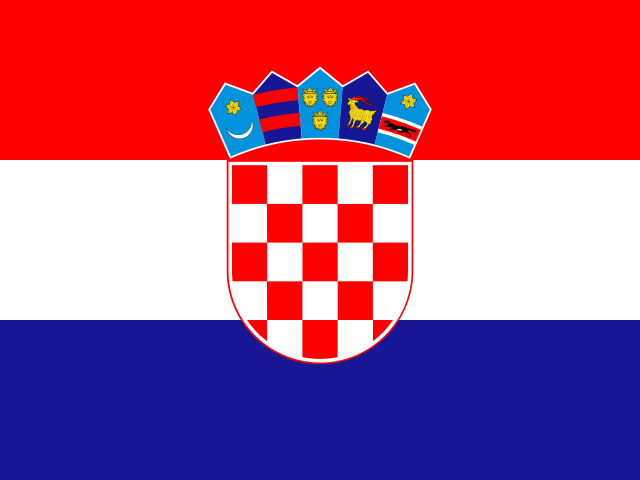
ในฐานะประเทศสมาชิกของสหภาพยุโรป (EU) ที่มีเศรษฐกิจเติบโตและมีเสถียรภาพ โครเอเชียจึงเป็นสถานที่ที่ยอดเยี่ยมสำหรับทั้งบริษัทและพนักงาน หากคุณกำลังพิจารณาขยายธุรกิจไปยังโครเอเชีย คุณจำเป็นต้องทราบวิธีการขอวีซ่าทำงานในโครเอเชียสำหรับพนักงานทุกคน หากไม่มีวีซ่าเหล่านี้ คุณอาจต้องเผชิญกับค่าปรับหรือความล่าช้าเนื่องจากพนักงานไม่ปฏิบัติตามกฎระเบียบ
ประเภทของวีซ่าทำงานในโครเอเชีย
พนักงานที่วางแผนจะทำงานในประเทศโครเอเชียจะต้องมีใบอนุญาตทำงานและใบอนุญาตพำนักอาศัย โดยทั่วไปแล้ว พลเมืองของสหภาพยุโรปและเขตเศรษฐกิจยุโรปสามารถอาศัยและทำงานในโครเอเชียได้โดยไม่ต้องขอวีซ่าทำงานหรือใบอนุญาตทำงาน สำหรับการเข้าพักนานขึ้นโดยปกติพวกเขาจะต้องลงทะเบียนที่อยู่อาศัยหรือพำนักชั่วคราวกับเจ้าหน้าที่โครเอเชีย หากพนักงานมาจากนอกสหภาพยุโรป พวกเขาจะต้องขอใบอนุญาตทำงานผ่านสถานทูตหรือสถานกงสุลสาธารณรัฐโครเอเชียในประเทศของตน
ใบอนุญาตพํานักชั่วคราวและใบอนุญาตทํางานแบบรวมสําหรับบุคคลสัญชาติประเทศที่สามส่วนใหญ่จะออกให้สําหรับระยะเวลาการทํางาน ไม่เกิน 1 ปี การพํานักระยะยาวมักต้องต่ออายุหรือขยายก่อนหมดอายุ อย่างไรก็ตาม พลเมืองประเทศที่สามควรยื่นขอขยายใบอนุญาตทํางานและใบอนุญาตพํานักอย่างน้อย 30 วันก่อนหมดอายุ หากจําเป็นต้องทํางานต่อในประเทศ โครเอเชียได้นําข้อกําหนดบัตรสีน้ําเงินของสหภาพยุโรปมาใช้ ซึ่งเป็นใบอนุญาตทํางานและพํานักประเภทหนึ่งที่ใช้กับพลเมืองประเทศที่สามที่มีคุณสมบัติสูง บัตร EU Blue Card โดยทั่วไปมีอายุได้สูงสุด 2 ปี หากสัญญาจ้างงานสั้นกว่า ความมีผลบังคับใช้อาจผูกกับระยะเวลาสัญญาบวกกับระยะเวลาเพิ่มเติม
แม้ว่าการรวมใบอนุญาตทํางานและใบอนุญาตพํานักจะเป็นวิธีที่พบได้บ่อยที่สุดสําหรับพนักงานในการขอวีซ่าทํางานในโครเอเชีย แต่บางคนอาจมีสิทธิ์ได้รับใบรับรองการลงทะเบียนทํางาน ใบรับรองเหล่านี้มักใช้สําหรับที่ปรึกษา นักแสดง นักข่าว และสมาชิกของคณะนักบวช ใบรับรองการลงทะเบียนทํางานออกโดยกระทรวงมหาดไทยเพื่อดําเนินงานตามสัญญาได้สูงสุด 90 วันในหนึ่งปีปฏิทิน
ข้อกำหนดในการขอวีซ่าทำงานประเทศโครเอเชีย
ก่อนหน้านี้ โครเอเชียใช้ระบบโควตาสําหรับใบอนุญาตทํางานและใบอนุญาตพํานัก ซึ่งหมายความว่าผู้สมัครจะได้รับใบอนุญาตทํางานได้ก็ต่อเมื่อประเทศนั้นต่ํากว่าโควตาเท่านั้น ระบบโควต้าถูกยกเลิกตั้งแต่วันที่ 1มกราคม 2021 ต่อมาได้ถูกแทนที่ด้วยกรอบกฎหมาย Foreigners Act ซึ่งโดยทั่วไปอิงกับการทดสอบตลาดแรงงานและกระบวนการใบอนุญาตทํางานและใบอนุญาตพํานักเฉพาะสําหรับนายจ้าง
ภายใต้ พระราชบัญญัติฉบับใหม่ที่ควบคุมการเข้า การพํานัก และการทํางานของชาวต่างชาติจากประเทศที่สามในโครเอเชีย นายจ้างมักต้องติดต่อบริการจัดหางานของประเทศ (HZZ) ก่อนเพื่อประเมินตลาดแรงงาน และพิจารณาว่ามีผู้สมัครงานว่างงานชาวโครเอเชียหรือประเทศอื่น ๆ ที่เหมาะสมสําหรับตําแหน่งนี้หรือไม่ ขั้นตอนนี้อาจไม่จําเป็นสําหรับอาชีพที่ขาดแคลน การยกเว้นตามกฎหมาย หรือบางประเภทใบอนุญาตและสถานะแรงงาน หากการศึกษาไม่พบบุคคลที่มีคุณสมบัติเหมาะสม นายจ้างสามารถดําเนินการขอใบอนุญาตทํางานและใบอนุญาตพํานักสําหรับบุคคลที่ไม่ใช่พลเมืองสหภาพยุโรปได้
ผู้สมัครงานทุกคนต้องมีเอกสารบางอย่าง รวมถึง:
- สำเนาหนังสือเดินทาง
- รูปถ่ายในขนาดเดียวกับหนังสือเดินทาง
- หลักฐานพิสูจน์ความสามารถของตนเพื่อการสนับสนุนตนเองระหว่างอยู่ในประเทศโครเอเชีย
- หลักฐานการประกันสุขภาพ
- สัญญาจ้างงาน
- หลักฐานของคุณวุฒิการศึกษาและทักษะ
- หลักฐานการจดทะเบียนบริษัทของตน
พนักงานที่ต้องการขอรับบัตร EU Blue Card ต้องเป็นพลเมืองของประเทศนอกสหภาพยุโรป และสำเร็จการศึกษาระดับปริญญาตรี ผู้สมัครต้องมีข้อเสนองานที่มีผลผูกพันหรือสัญญาจ้างงานที่ใช้งานอยู่ ประเทศสมาชิกมักจะเร่งกระบวนการ Blue Card ทำให้เร็วกว่ากระบวนการขอใบอนุญาตทำงานและใบอนุญาตพำนักแบบดั้งเดิม
ขั้นตอนการสมัคร
กระบวนการขอวีซ่าทำงานในโครเอเชียขึ้นอยู่กับประเภทวีซ่าเฉพาะและขั้นตอนของสถานทูตท้องถิ่น ตัวอย่างเช่น สถานทูตบางแห่งไม่จำเป็นต้องนัดหมายล่วงหน้า แต่ให้บริการตามลำดับการมาถึงก่อนหลัง
ในการเริ่มต้นกระบวนการ ผู้ลี้ภัยต้องไปที่สถานีตำรวจปกครองที่ใกล้ที่สุดกับที่พักอาศัยในโครเอเชีย หรือสถานทูต/สถานกงสุลในประเทศบ้านเกิดของตน ขั้นตอนต่อไป พวกเขาต้องยื่นเอกสารทั้งหมดที่ระบุไว้ข้างต้น รวมถึงใบสมัครด้วย
เมื่อใบอนุญาตทํางานและใบอนุญาตพํานักได้รับการอนุมัติแล้ว บุคคลต้องจ่ายเงิน 75 ยูโรสําหรับการออกใบอนุญาต พร้อมกับใบอนุญาตพํานักแบบไบโอเมตริกซ์แยกต่างหากและค่าธรรมเนียมการบริหาร โครเอเชียจะสั่งใบอนุญาตพํานักเมื่อจ่ายค่าธรรมเนียมครบถ้วนแล้ว และพนักงานมักจะสามารถไปรับที่สถานีตํารวจได้ภายในประมาณ 3 สัปดาห์หลังจากชําระค่าธรรมเนียม ระยะเวลาอาจแตกต่างกันไปตามสถานีตํารวจและจํานวนคดี
ข้อควรพิจารณาสำคัญอื่นๆ
ผู้ถือบัตร EU Blue Card สามารถพาคนในครอบครัว เช่น คู่สมรส บุตร และผู้ที่อยู่ในอุปการะอื่นๆ เดินทางไปโครเอเชียด้วยได้ อย่างไรก็ตาม ผู้ที่มีวีซ่าทำงานและวีซ่าพำนักปกติจะต้องยื่นขออนุญาตให้สมาชิกในครอบครัวเดินทางมายังโครเอเชีย ควรดำเนินการตามขั้นตอนดังกล่าวที่สถานกงสุลในพื้นที่ และต้องเตรียมสำเนาเอกสารการเดินทางที่ยังไม่หมดอายุ หลักฐานแสดงความสัมพันธ์ หลักฐานแสดงว่ามีฐานะทางการเงินเพียงพอ และหลักฐานการประกันสุขภาพที่เพียงพอ
เมื่อจ้างคนสัญชาติประเทศที่สาม นายจ้างจะต้องคำนึงถึงความจำเป็นในการสนับสนุนเปอร์เซ็นต์ขั้นต่ำของชาวโครเอเชีย สหภาพยุโรป และชาวสวิสให้เป็นไปตามพนักงาน เพื่อให้แน่ใจว่าพนักงานจะไม่ต่ำกว่า 25%
ค้นพบว่า G-P สามารถช่วยคุณจัดการทีมงานทั่วโลกได้อย่างไร
ที่ G-P เรามุ่งมั่นที่จะทำลายอุปสรรคในการดำเนินธุรกิจระดับโลก เปิดโอกาสสำหรับทุกคน สร้างโอกาสสำหรับทุกคนทุกส่วนแห่ง และช่วยให้บริษัทต่างๆ ใช้ศักยภาพสูงสุดของแรงงานของตนได้อย่างเต็มที่ เราช่วยให้คุณรักษากฎระเบียบตามกฎหมายท้องถิ่นได้ครบถ้วน และรับรองว่าทุกอย่างตั้งแต่การจ้างและควบคุมเริ่มงานของพนักงานใหม่ไปจนถึงการจ่ายเงินให้ทีมของคุณนั้นรวดเร็วและง่ายดาย ไม่ว่าพวกเขาจะอยู่ที่ใดในโลกก็ตาม
เรียนรู้เพิ่มเติม เกี่ยวกับวิธีที่ Global Growth Platform™ ของเราสามารถช่วยคุณขยายทีมของคุณไปทั่วโลกได้
–
ขณะนี้ GP ยังไม่ให้บริการด้านการดำเนินการขอวีซ่าทำงานหรือใบอนุญาตในพื้นที่นี้