



Punti chiave
- Scopo: Un ombrello societario è un'azienda intermedia, comune nel Regno Unito. Impiega lavoratori temporanei o lavoratori autonomi e gestisce le loro buste paga e le attività amministrative. L'ombrello societario fattura il cliente finale, detrae una commissione e poi paga il lavoratore.
- Pro: Gli appaltatori ottengono diritti lavorativi e una gestione fiscale semplificata. Le aziende che assumono riducono i loro oneri amministrativi e di conformità.
- Svantaggi: Il modello "ombrello" è specifico per regione e non è scalabile per le assunzioni a livello globale. Comprende inoltre rischi quali schemi fiscali non conformi e mancanza di trasparenza sulle tariffe.
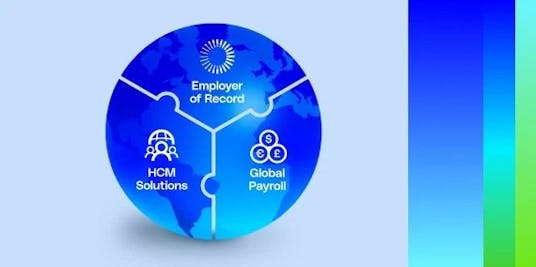
- Datore di lavoro di riferimento vs. ombrello societario: Un Employer of Record globale si occupa di tutti gli aspetti dell'occupazione. Offre assunzioni globali sicure, scalabili e conformi.
- Un'alternativa globale: G-P aiuta aziende di tutte le dimensioni ad assumere dipendenti e collaboratori a tempo pieno in 180+ paesi, gestendo l'intero ciclo di vita del lavoratore.
Un ombrello societario è un modo popolare per coinvolgere appaltatori esperti senza doverli assumere direttamente o impostare ulteriori processi di pagamento. Detto ciò, questo modello presenta limiti e rischi, soprattutto per le aziende globali. Questa guida spiega come funzionano le società ombrello, i loro benefici e limitazioni, e come si confrontano con i datori di lavoro registrati (EOR).
Cosa significa "ombrello societario"?
Un ombrello societario è un'impresa intermedia che impiega lavoratori che agiscono come lavoratori autonomi per le aziende clienti. Questi appaltatori lavorano su incarichi temporanei e a tempo determinato per vari clienti finali. L'ombrello societario si occupa di tutti i pagamenti, le tasse e le attività amministrative degli appaltatori.
In cambio, le società ombrello applicano una commissione, chiamata margine, che detrae dalla tariffa contrattuale.

Mentre il collaboratore a contratto completa il lavoro assegnato per il cliente finale, l' ombrello societario lo impiega legalmente . L'ombrello societario firma un contratto con il collaboratore e un altro con l'agenzia di reclutamento o il cliente finale. L'ombrello societario elabora i pagamenti, detrae le imposte corrette e paga al collaboratore un contratto. Ciò consente di risparmiare tempo e fatica amministrativa alle altre parti.
Nel Regno Unito operano le società ombrello. Questo modello non è comune in altre giurisdizioni, sebbene modelli simili esistano in alcuni paesi.
Cosa fa un ombrello societario?
Gli appaltatori possono iniziare a lavorare con un ombrello societario seguendo questi passaggi:
- Iscrizione: Il collaboratore a contratto firma un contratto di lavoro formale con l'ombrello societario, rendendolo suo responsabile legale. Questo contratto conferisce al lavoratore diritti lavorativi, come ferie retribuite, indennità di malattia e contributi pensionistici.
- Cliente impegnato: L'ombrello societario firma un contratto business-to-business con un'agenzia di reclutamento o con il cliente finale. Il presente contratto definisce l'incarico, i risultati attesi e le condizioni di pagamento del Collaboratore a Contratto.
- Lavoro: Il collaboratore a contratto svolge il proprio incarico, monitorando sia le ore lavorate che i risultati ottenuti.
- Invio del foglio di presenze: Alla fine di ogni periodo di pagamento, il cliente finale approva il proprio foglio presenze. Il lavoratore a contratto poi invia i suoi fogli di pagamento approvati all'azienda ombrello.
- Fatturazione: Utilizzando il foglio presenze approvato, l'ombrello societario fattura all'agenzia di reclutamento o al cliente finale la tariffa completa per il lavoro del collaboratore a contratto.
- Elaborazione delle buste paga: una volta che il cliente finale paga la fattura, l'ombrello societario elabora le buste paga. Detrae tutti i costi necessari per il datore di lavoro, inclusi i contributi alla Previdenza Sociale, la Tassa per l'Apprendistato e una quota.
- Pagamento: Dopo aver detratto tutti i costi del datore di lavoro, l'importo rimanente diventa la paga lorda del lavoratore a contratto. Da questo, l'ombrello societario detrae le tasse a pagamento (ritenuta alla fonte) e i contributi alla National Insurance dipendenti. La quantità finale è la retribuzione netta del lavoratore a contratto.
Vantaggi dell'utilizzo di un ombrello societario
Nel Regno Unito, il modello ombrello offre vantaggi sia per i lavoratori autonomi sia per le aziende che li adottano. Per gli appaltatori, i vantaggi includono:
- Comodità: Gli appaltatori non devono creare e gestire le proprie attività limitate, gestire le fatturazioni, inseguire pagamenti o presentare dichiarazioni dei redditi. Invece, fanno il loro lavoro, inviano un foglio di tempo e vengono pagati.
- Diritti lavorativi: In quanto dipendenti dell'ombrello societario, gli appaltatori hanno diritto a diritti che non sono disponibili per i lavoratori autonomi. Alcuni di questi diritti includono l'indennità per malattia statutaria, l'indennità di maternità o paternità e ferie retribuite.
- Impiego continuativo: Lavorare attraverso un unico ombrello societario tra le assegnazioni dei clienti finali crea una storia lavorativa continua. Questo può aiutare durante la richiesta di credito, poiché mostra una storia di reddito stabile che altrimenti sarebbe difficile da provare.
Per i clienti finali e le agenzie di reclutamento, i vantaggi includono:
- Meno lavoro amministrativo: L'ombrello societario si occupa di tutte le buste paga e delle Risorse umane per il lavoratore a contratto. Questo significa che l'azienda che assume non deve calcolare le tasse o gestire altri compiti di Risorse umane.
- Facile conformità: Il modello aiuta a ridurre il rischio di errore di classificazione del lavoratore. Questo è prezioso nel Regno Unito, dove la legislazione IR35 impone regole severe sulla determinazione dello status fiscale di un lavoratore a contratto. Rendendo il lavoratore a contratto an dipendente, l'ombrello societario si assume la responsabilità della ritenuta alla fonte, riducendo il rischio di sanzioni per il cliente finale. Un ombrello societario è talvolta chiamato ombrello ritenuta alla fonte, perché supporta la conformità fiscale ritenuta alla fonte.
Rischi dell'uso di un ombrello societario

Nonostante i benefici, il modello ombrello comporta rischi per gli appaltatori:
- Mancanza di trasparenza: alcune società di intermediazione hanno strutture tariffarie complesse che rendono difficile comprendere il costo reale del lavoro svolto tramite loro.
- Elusione fiscale: il rischio più grave è quello di collaborare con un ombrello societario non conforme che utilizza un sistema di elusione fiscale. Questi schemi vengono talvolta definiti retribuzioni mascherate. Si verifica quando promettono stipendi netti insolitamente alti pagando una parte del salario del lavoratore come un "prestito" o una "sovvenzione" esentasse che non è mai destinata a essere restituita. Questi schemi sono illegali nel Regno Unito. Se scoperti, l'ombrello societario e il socio a contratto sono entrambi responsabili di tutte le tasse non pagate e delle potenziali sanzioni.
- Retribuzione netta ridotta: anche con le migliori società di intermediazione, lo stipendio netto di un lavoratore a contratto potrebbe essere inferiore alle aspettative. I fondi versati dal cliente finale devono coprire tutti i costi del lavoro, comprese le ritenute a carico del dipendente e del datore di lavoro. Queste detrazioni avvengono prima del calcolo della retribuzione lorda del dipendente a Contratto. Ciò può ridurre i loro utili netti rispetto alla gestione di una propria società a responsabilità limitata.
- Controllo limitato: gli appaltatori dipendono dall'ombrello societario per il pagamento. In presenza di processi inefficienti o problemi di flusso di cassa, i pagamenti possono essere in ritardo, errati o mancati. Sebbene in questi casi esistano opzioni legali, perseguirle richiede molto tempo.
Società ombrello in diverse regioni
L'ombrello societario non è un modello globale. È una soluzione che si è evoluta in risposta alle leggi fiscali e lavorative di particolari paesi — principalmente il Regno Unito. Ecco come appaiono le aziende ombrello o modelli simili in diverse regioni:
- Regno Unito: Il Regno Unito è il principale mercato per le società ombrello. Il modello è una risposta diretta alle regole IR35 al lavoro fuori stipendio . Questa legislazione mira a identificare i "dipendenti travestiti" — appaltatori che lavorano come dipendenti a tempo pieno ma utilizzano un'azienda limitata per pagare meno tasse. Se un lavoratore a contratto viene trovato "all'interno di35IR", deve pagare le tasse come un dipendente. Una conformità ombrello societario segue questa regola deducendo le tasse ritenuta alla fonte alla fonte.
- Francia: In Francia esiste un modello simile chiamato portage salarial ("trasporto salariale"). Si tratta di una relazione formale a tre tra un lavoratore a contratto, un portage azienda e un'azienda cliente. Come un ombrello societario, il portage azienda impiega il lavoratore a contratto e gestisce tutte le attività amministrative. La Francia ha norme specifiche in materia di salari minimi, esperienza professionale e tipologie di incarichi consentiti dal modello di portage .
- USA: Il panorama occupazionale negli Stati Uniti è rigidamente diviso tra dipendenti W-2 e 1099 lavoratori autonomi. A differenza delle società ombrello del Regno Unito, queste soluzioni non trasformano i collaboratori in dipendenti. Un datore di lavoro professionale (Organizzazione di lavoro professionale (PEO)) co-impiega i dipendenti W-2 , mentre un agente di registrazione (AOR) si occupa delle attività amministrative relative ai 1099 appaltatori. Entrambi gestiscono pagamenti e conformità, ma operano secondo quadri legali diversi rispetto alle società ombrello.
- A livello globale: affidarsi a soluzioni specifiche per regione per le assunzioni a livello globale è rischioso. Ogni paese ha le proprie leggi e un modello che funziona in un luogo potrebbe non essere adatto a un altro. Un Employer of Record affronta questa sfida e fornisce un'unica soluzione unificata per la qualificazione globale dell'occupazione per tutte le tipologie di lavoratori.
Umbrella azienda vs. Employer of Record

Conoscere le differenze tra un ombrello societario e un Employer of Record è fondamentale per scegliere il modello giusto per i tuoi obiettivi:
- Ambito di applicazione: Un ombrello societario gestisce principalmente le buste paga dei lavoratori autonomi nel Regno Unito. Si occupa di fogli presenze, fatturazione e ritenute fiscali. Un Employer of Record, d'altro canto, è una soluzione globale per la gestione del personale, completa dall'inizio alla fine. Diventa il datore legale di lavoro per i membri del tuo gruppo globale e gestisce l'intero ciclo di vita dipendente. Ciò include la generazione di un contratto di assunzione di conformità a livello locale e la gestione dei benefici e delle buste paga. Con un Employer of Record come G-P, hai la flessibilità di assumere con facilità sia dipendenti che collaboratori esterni.
- Scalabilità: Il modello ombrello è una soluzione incentrata sul Regno Unito. Non è un approccio scalabile per un'azienda globale. Un Employer of Record è una soluzione globale per le assunzioni. Ad esempio, G-P Employer of Record ti permette di assumere in 180+ paesi tramite una piattaforma di occupazione globale a potenza artificiale di intelligenza.
- Tipo di lavoratrice: Le società ombrello sono pensate per i lavoratori indipendenti che lavorano su progetti a tempo determinato nel Regno Unito. Un Employer of Record ti aiuta a assumere dipendenti a tempo pieno e collaboratori a livello globale. Questo ti dà la flessibilità di gestire l'intera forza lavoro globale tramite un unico fornitore.
- Conformità: Con un ombrello societario, l'azienda che assume ancora dei rischi, soprattutto se il fornitore ombrello non è conforme al rispetto. Un Employer of Record è responsabile di rispettare tutte le leggi locali sul lavoro e fiscali, minimizzando i rischi di conformità per la tua azienda.
Assumi ovunque abbia G-P
Per costruire un gruppo globale, serve una soluzione più robusta e scalabile rispetto a un ombrello societario.
G-P offre servizi di reclutamento globale qualificati per aziende di tutte le dimensioni. I nostri prodotti leader del settore per la gestione del personale a livello globale e le soluzioni Employer of Record ti consentono di assumere i migliori talenti in 180+ paesi, senza le complessità legali.
E se hai bisogno di appaltatori per progetti specializzati, G-P Contractor semplifica l'assunzione e il pagamento di appaltatori internazionali in 190 paesi e in 130 valute.
Prenota una demo e scopri come semplificare il processo di assunzione a livello globale.

Domande frequenti
Chi usa un ombrello societario?
Le società ombrello sono utilizzate da lavoratori indipendenti e clienti con sede nel Regno Unito. Sono più comuni in settori con lavori basati su progetti, come IT, ingegneria e servizi creativi.
Qual è lo scopo di un ombrello societario?
Lo scopo di un ombrello societario è semplificare il volume paga e imposto l'economia per gli appaltatori e le aziende clienti che vi si affidano. Permette ai collaboratori di lavorare su diversi incarichi ottenendo al contempo accesso ai benefici lavorativi. Questo elimina la necessità di gestire autonomamente le proprie aziende limitate.
In che modo la legislazione sulle35 IR è collegata alle società ombrello?
IR35 è una legislazione britannica pensata per determinare lo status di lavoratore a contratto ai fini fiscali. Se la struttura lavorativa di un lavoratore a contratto risulta simile a quella di un dipendente permanente ("dentro IR35"), deve pagare le tasse di conseguenza. Una conformità ombrello societario aiuta imprese e appaltatori a gestire le regole delle35 IR deducendo ritenuta alla fonte e contributi alla National Insurance.
Le aziende ombrello sono buone per i lavoratori?
Lavorare attraverso un ombrello societario è un compromesso tra benefici e rischi. Da un lato, questo modello offre semplicità, un curriculum lavorativo continuo e accesso a benefici come ferie retribuite. La retribuzione netta è spesso inferiore perché le detrazioni, inclusi i contributi del datore di lavoro, vengono detratte dalla tariffa contrattuale. Esiste anche un rischio significativo di coinvolgere aziende ombrello non conformi che promuovono schemi illegali di evasione fiscale.
Dovrei usare un ombrello societario per assumere appaltatori nel Regno Unito?
Prima di utilizzare un ombrello societario per assumere appaltatori nel Regno Unito, dovresti comprendere rischi e limiti. Le società ombrello sono limitate al Regno Unito e supportano solo la conformità al salario e alle tasse. Scegli un'alternativa, come un Employer of Record, se vuoi assumere a livello globale o godere di un supporto Risorse umane completo.
Come posso assumere appaltatori globali senza rischi?
Il modo più sicuro per assumere lavoratori a livello globale è attraverso un affidabile Employer of Record con un lavoratore globale a contratto soluzione.
La nostra offerta di Appaltatori garantisce pagamenti puntuali e corretti categoria di lavoratori. Questo protegge la tua azienda dai rischi di conformità, ovunque tu decida di assumere.