







免責聲明
本內容僅供參考,不構成法律或稅務建議。 您始終應該諮詢並依賴您自己的法律和/或稅務顧問。G-P不提供法律或稅務建議。此資訊為一般性訊息,並非針對特定公司或個人,也不反映G-P在任何特定司法管轄區的產品交付。 G-P 對此資訊的準確性、完整性或及時性不作任何陳述或保證,且不承擔由此產生或與之相關的任何責任,包括因使用或依賴該資訊而造成的任何損失。
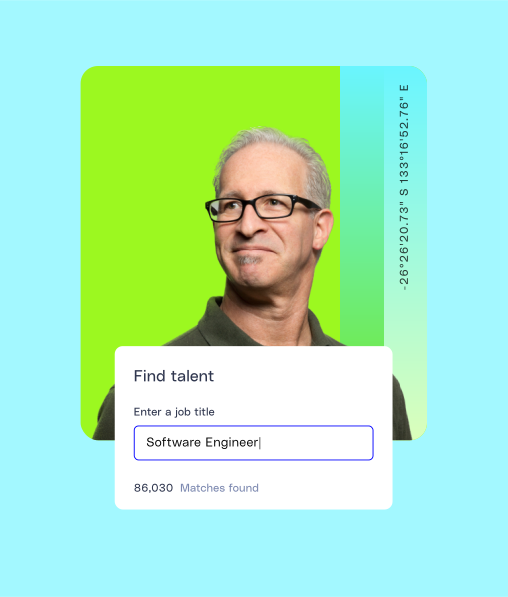
Use an employer of record (EOR) to hire, manage, and pay professionals in South Korea without setting up new entities. Your EOR acts as the legal employer, taking on risk mitigation, employment contracts, benefits, and statutory obligations.
G-P EOR lets you operate in South Korea without the compliance burden, costs, and delays associated with setting up a local entity.
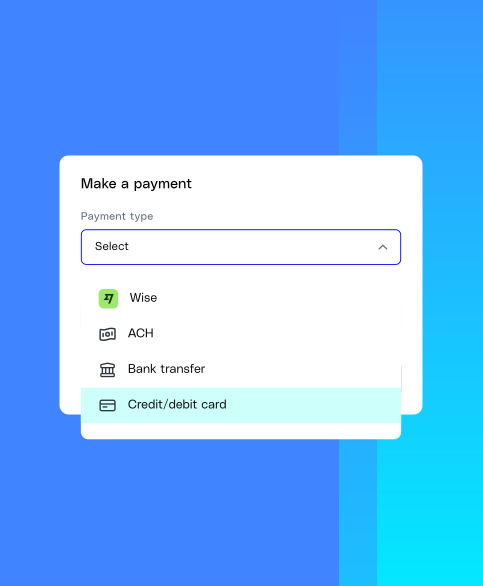
Accurate and timely compensation is vital for building trust with your South Korea team. Every pay cycle comes with local tax codes, mandatory withholdings, statutory contribution rates, and filing deadlines.
Before onboarding talent in South Korea, get the local payroll and taxation basics down first to avoid headaches later.
 Recruiting and hiring in South Korea
Hiring skilled candidates in South Korea is the first step to scaling your business in the region. Before launching your search, get familiar with the statutory mandates around job postings, antidiscrimination protections, employment contracts, and national labor standards.
Building a compensation package that will attract and retain professionals in South Korea takes more than meeting the legal minimums. A rewards package tailored to local market expectations is often what sways top talent to accept an offer or walk away.
Benchmark mandatory benefits alongside competitive supplemental perks to stand out against local employers in South Korea.
Establishing a subsidiary in South Korea gives you a direct presence and full operational control. However, incorporation is a major commitment that requires ongoing administrative and financial responsibilities.
Evaluate South Korea’s corporate governance standards, minimum capital requirements, tax liabilities, and statutory filing obligations before you commit.

Expanding into new markets can mean relocating existing team members or deploying international talent. Placing professionals in South Korea starts with securing legal authorization before work begins.
Explore South Korea immigration regulations to make sure your team has the right work visa or work permit before their first day.
Independent contractors add speed and operational agility to your workforce. However, staying compliant calls for navigating the legal boundaries that separate independent contractors from full-time employees.
Master South Korea’s worker classification rules to avoid fines before engaging talent.
本內容僅供參考,不構成法律或稅務建議。 您始終應該諮詢並依賴您自己的法律和/或稅務顧問。G-P不提供法律或稅務建議。此資訊為一般性訊息,並非針對特定公司或個人,也不反映G-P在任何特定司法管轄區的產品交付。 G-P 對此資訊的準確性、完整性或及時性不作任何陳述或保證,且不承擔由此產生或與之相關的任何責任,包括因使用或依賴該資訊而造成的任何損失。