





Punti chiave
-
Costituzione dell'entità, datore di lavoro di riferimento o appaltatori: L'assunzione diretta nel Regno Unito richiede una registrazione complessa presso HMRC e una località libro paga, mentre un Employer of Record (EOR)) offre un'espansione rapida senza creare un'entità locale. Coinvolgere collaboratori indipendenti offre una rapida flessibilità per il lavoro basato su progetti.
-
Requisiti normativi chiave: Assicurati di avere salari minimi o dignitosi, 28 giorni di ferie annuali pagati, 3% di contributi pensionistici datore di lavoro e indennità statutaria per malattia (SSP) quando assumi l'assunzione nel Regno Unito.
-
Regolamenti sull'orario di lavoro: I dipendenti sono limitati a una media di 48 ore lavorative a settimana, calcolate su un periodo di 17settimane. Possono firmare volontariamente un accordo scritto di esclusione.
-
Cambiamenti legali imminenti: Il disegno di legge sui diritti del lavoro offre una protezione immediata contro licenziamenti ingiustificati e inaspriscia le regole sul lavoro flessibile e sugli aggiornamenti dei contratti.
Il Regno Unito ha una ricca rosa di talenti da condividere con il mondo. Ma il paese ha anche leggi sul lavoro e sull'occupazione complesse che sono difficili da navigare.
Per le aziende che assumono dipendenti nel Regno Unito, la gestione di queste normative è complessa ma necessaria. Questa guida ti illustrerà tutto ciò che devi sapere sull'assunzione di dipendenti nel Regno Unito.
Cosa sapere prima di assumere personale nel Regno Unito
Se vuoi assumere dipendenti nel Regno Unito, inizia con queste 10 basi sulla conformità.
1. minimo salariale
Il Regno Unito ha due livelli di stipendio:
-
Il salario minimo nazionale: si tratta del salario orario minimo per i dipendenti del Regno Unito di età pari o inferiore a 20 anni. Nel 2025, i tassi variano da GBP 7.55 a 10GBP, a seconda dell'età del dipendente e se è apprendista. Le tariffe cambiano ogni anno dal 1aprile.
-
La borsa di studio nazionale per la vita: questa è una tariffa più alta, applicabile ai dipendenti di età pari o superiore a 21 anni. Il tasso 2026 è GBP 12.71 all'ora. Per chi ha tra i 18e i20, il tasso è GBP 8.00. Gli apprendisti ricevono GBP 8.00. Le tariffe vengono aggiornate ogni anno dal 1aprile.
2. Regolamenti sugli orari di lavoro
Non esiste uno standard statutario di settimana lavorativa a tempo pieno nel Regno Unito. Tuttavia, è comune una settimana lavorativa di 40ore. I datori di lavoro possono richiedere ai lavoratori di lavorare più ore se consentite dal contratto e dalla legge applicabile. La retribuzione per tutte le ore lavorate deve rispettare il minimo salariale nazionale o stipendio nazionale per la vita.
Secondo il regolamento sul tempo di lavoro, la maggior parte dei lavoratori adulti non può lavorare più di una media di 48 ore a settimana. Questo viene solitamente calcolato su un periodo di riferimento di 17settimane. I requisiti di assunzione di personale di 24'ora non esentano automaticamente un ruolo da questo limite. Tuttavia, eccezioni specifiche, regole speciali, periodi di riferimento più lunghi o accordi di riposo compensativi possono applicarsi a determinate industrie.
I lavoratori di età pari o superiore a 18 possono scegliere di superare la media settimanale di48ore se firmano un accordo volontario e scritto di esclusione. I lavoratori possono annullare un accordo di esclusione in qualsiasi momento. Il periodo di preavviso predefinito è di sette giorni. L'accordo può prevedere un periodo di preavviso più lungo fino a tre mesi.
Sebbene molti datori di lavoro offrano il pagamento degli straordinari, non vi è alcun obbligo di corrispondere una maggiorazione per gli straordinari, a meno che non sia previsto contrattualmente o da un contratto collettivo.
3. ferie annuali
I dipendenti nel Regno Unito hanno diritto ad almeno 5.6 settimane (28 giorni) di ferie annuali retribuite. I datori di lavoro decidono se includere i 8-10 giorni festivi e bancari del Regno Unito (a seconda della giurisdizione) nei 28 giorni di ferie annuali retribuite. Ai lavoratori a tempo parziale verranno corrisposti i 28 giorni di ferie annuali previste dalla legge, calcolati in proporzione. Ad esempio, chi lavora 3 giorni alla settimana riceverà 16.8 giorni di riposo all'anno (3 giorni moltiplicati per 5.6 settimane sono 16.8 giorni).
La possibilità di trasferire il congedo dipende dal tipo di congedo e dai termini previsti dal contratto del dipendente. Ad esempio, se una persona a distanza, era in congedo statutario come paternità, maternità, adozione o congedo per malattia, può riportare il congedo legale non utilizzato all'anno successivo.
4. Congedo familiare
Le dipendenti in gravidanza possono assumere fino a 52 settimane di congedo per maternità come diritto del primo giorno. Questo è pagato fino a 39 settimane, se vengono soddisfatte le condizioni di idoneità. Il congedo di paternità è 1-2 settimane. Chi adotta o segue la maternità surrogata può prendere fino a52 settimane di congedo per adozione. Il congedo parentale condiviso può concedere fino a 50 settimane di congedo con 37 settimane di stipendio. In Gran Bretagna, il congedo per la cura neonatale fino a 12 settimane è stato applicato da aprile 2025 (non è ancora in vigore in Irlanda del Nord).
5. Assistenza sanitaria

Il governo britannico fornisce ai residenti assicurazione medica tramite il National Health Service. Puoi offrire un'assicurazione privata aggiuntiva, inclusi benefici per la vista e dentistica, ma non è obbligatoria.
6. Indennità di malattia obbligatoria (SSP)
I dipendenti che guadagnano almeno 125 GBP a settimana sono idonei all'SSP se sono stati malati per più di tre giorni consecutivi. I dipendenti devono documentare la loro malattia con un certificato medico o altre prove. Per la maggior parte dei dipendenti, l'SSP è disponibile a un tasso fisso di GBP 11875 settimana per un massimo di 28 settimane. Controlla gli aggiornamenti annuali del tasso fisso SSP e l'idoneità.
7. Sistema pay-as-you-earn (ritenuta alla fonte)
Secondo il sistema ritenuta alla fonte, i datori di lavoro devono trattenere i contributi imposta sul reddito e assicurazione nazionale (NIC) dai salari dipendenti. I datori di lavoro li trasferiscono al HM Revenue and Customs (HMRC). Le tariffe dipendono dal reddito del dipendente.
Come funziona la registrazione ritenuta alla fonte per i datori di lavoro nel Regno Unito: i datori di lavoro del Regno Unito devono registrarsi per ritenuta alla fonte presso HMRC prima del loro primo giorno di paga. Una volta registrata, HMRC fornisce i numeri di riferimento necessari per configurare il software per le buste paga, segnalare stipendi e detrazioni e pagare le tasse.
Dopo la registrazione, i datori di lavoro devono utilizzare il sistema di informazioni in tempo reale (RTI) per calcolare e riportare tasse e detrazioni entro ogni giorno di paga. Per i nuovi dipendenti, raccogliete una P45 o una checklist iniziale per assicurarvi che la codifica fiscale sia corretta. Devi rispettare le scadenze di pagamento HMRC, fornire buste paga dettagliate e conservare tutti i documenti delle buste paga.
8. Pensioni
I datori di lavoro devono offrire un piano pensionistico ai dipendenti britannici di età compresa tra 22e66 che guadagnano 10GBP000 o più all'anno. Tuttavia, i dipendenti possono rinunciare a un po'. Il piano pensionistico è finanziato congiuntamente dal datore di lavoro e dal dipendente con aliquote minime di contribuzione del 3% per i datori di lavoro e del 5% per i dipendenti. I contributi pensionistici dei dipendenti vengono detratti prima di calcolare le imposte sul loro salario residuo.
9. Visti
Le norme sull'immigrazione cambiano spesso, quindi è fondamentale che i membri del tuo team abbiano il diritto di lavorare nel Regno Unito. In base all'EU Settlement Scheme, i cittadini dell'UE, del SEE e della Svizzera potranno continuare a vivere, lavorare e studiare nel Regno Unito dopo la Brexit. I cittadini extracomunitari necessitano di un visto di lavoro, come ad esempio un visto per lavoratori qualificati o un visto per trasferimenti intra-aziendali.
10. Il disegno di legge sui diritti sul lavoro
Il disegno di legge sui diritti sul lavoro probabilmente diventerà legge nel 2025. Questa fattura contiene emendamenti per proteggere ulteriormente i dipendenti del Regno Unito. Queste modifiche introdurranno nuovi requisiti di conformità per i datori di lavoro che desiderano assumere nel Regno Unito, tra cui:
-
Eliminazione del requisito di servizio di due anni per le richieste di licenziamento ingiusto
-
Consultarsi con i dipendenti e dimostrare una motivazione valida quando si modificano le condizioni di lavoro.
-
Fornire motivazioni trasparenti e giustificabili per il rifiuto delle richieste di lavoro flessibile.
-
Definire politiche chiare per la concessione del congedo per lutto previsto dalla legge.
2026 aspettative dipendenti nel Regno Unito
I dipendenti nel Regno Unito sono preoccupati per il loro futuro professionale. La nostra ricerca ha rilevato che il 61% è preoccupato per la perdita del lavoro e il 59% pensa di non avere le competenze necessarie per prosperare in un ambiente di lavoro alimentato da intelligenza artificiale.
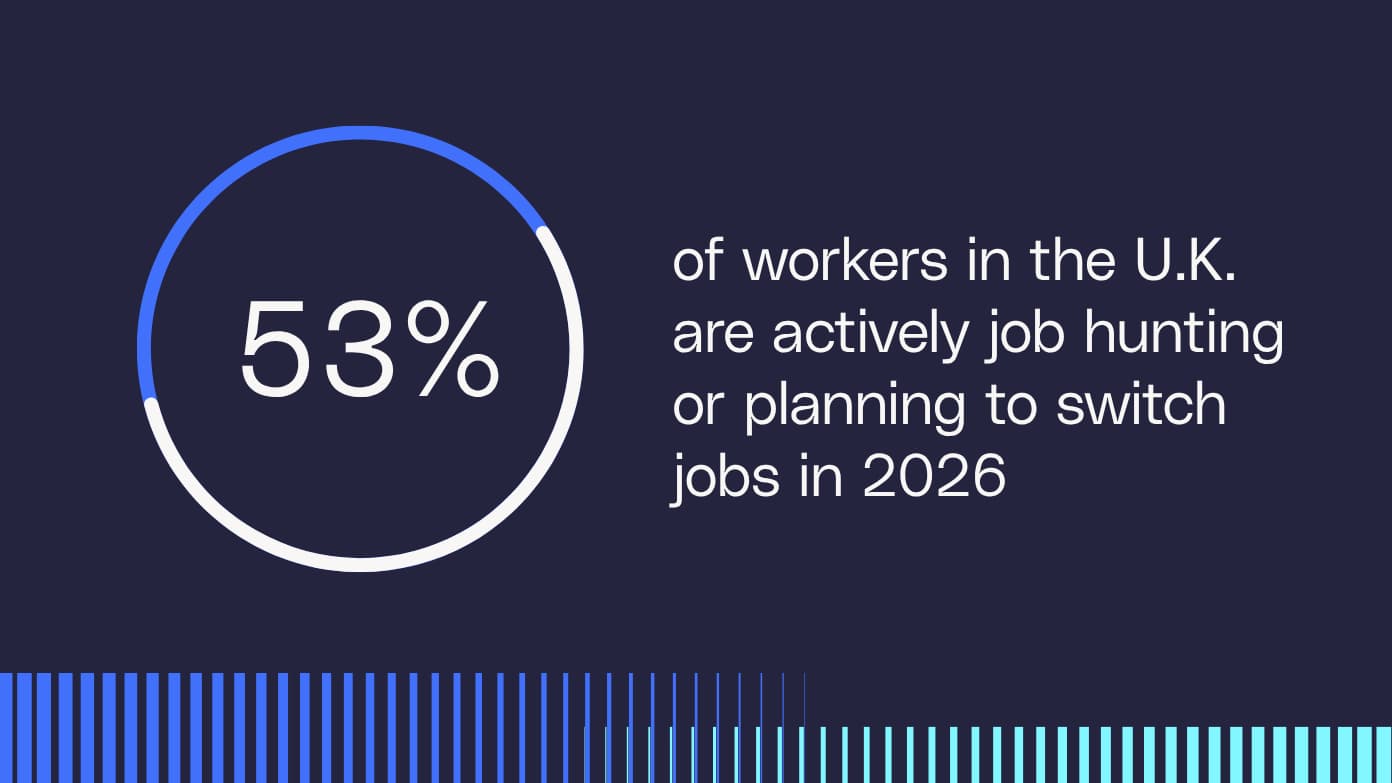
Circa il53% dei lavoratori nel Regno Unito è attivamente alla ricerca di lavoro o sta pianificando di cambiare lavoro in 2026. Le aziende che assumono nel Regno Unito dovrebbero mettere in evidenza opportunità di crescita professionale e sforzi di investimento in modo permanente per alleviare queste preoccupazioni. Includere percorsi di formazione e sviluppo nelle descrizioni del lavoro può distinguerti dai concorrenti e fungere da potente contrappunto all'ansia persistente riguardo all'intelligenza artificiale.
Modelli di assunzione per aziende globali che vogliono assumere nel Regno Unito
Il modello migliore quando decidi di assumere dipendenti nel Regno Unito dipende dagli obiettivi complessivi del tuo business.
| Modello | Conosciuto per | Principali benefici | Principali rischi |
|---|---|---|---|
| Registrazione diretta del datore di lavoro | Assumi direttamente il personale britannico senza un ente locale tramite la registrazione HMRC ritenuta alla fonte. | Consente l'assunzione diretta nel Regno Unito e il controllo senza un ente locale. | Affronta rischi di istituzione permanente e di imposta sulle società a seconda del ruolo del dipendente. |
| Employer of Record, come il datore di lavoro di riferimento G-P di base | Un modo veloce per assumere nel Regno Unito senza un'entità locale. Il Datore di Lavoro di Registro gestisce tutti i contratti, le buste paga, le tasse, i benefici e la conformità. | Aiuta velocemente, conformità ingresso sul mercato con una configurazione minima quando assumi dipendenti nel Regno Unito. | Rischio di responsabilità fiscali e in materia di salute e sicurezza se il cliente incarica i lavoratori dell'Employer of Record come se fossero il suo vero datore di lavoro. |
| Filiale o succursale | Una società sussidiaria o filiale crea una presenza formale. | Offre il massimo controllo, presenza del marchio, scalabilità e maturità operativa. | Oneri elevati di installazione, manutenzione e conformità, inclusa la creazione di entità e l'imposta sulle società. |
| Lavoratori autonomi, come G-P Contractor | Ideale per progetti a breve termine o consulenza senza il controllo del datore di lavoro. | Accesso flessibile a competenze specializzate senza impegno a tempo pieno. | Rischi di classificazione errata per i diritti dei lavoratori, tasse non pagate e responsabilità pensionistiche. |
I principali centri di assunzione nel Regno Unito
Alcune città del Regno Unito sono note per particolari settori industriali. Sapere cosa ha da offrire ogni città può aiutarti a indirizzare i tuoi sforzi di assunzione verso il posto giusto e a coprire i ruoli più rapidamente.
I principali centri di talento nel Regno Unito includono:
-
Londra è la capitale e la città più grande del Regno Unito, nonché un centro nevralgico a livello globale per la finanza, la tecnologia, il commercio al dettaglio, la moda e l'industria farmaceutica. È un'azienda leader nell'esportazione di servizi finanziari, che attrae i migliori talenti nei settori bancario, assicurativo e della gestione patrimoniale.
-
Manchester è un importante polo industriale nel nord-ovest dell'Inghilterra. Questa città è leader mondiale nella produzione avanzata, compresi i settori aerospaziale e automobilistico. Il Paese vanta un settore tecnologico in crescita, con punti di forza nei media digitali, nell'e-commerce e nella sicurezza informatica.
-
Birmingham vanta un'economia diversificata e ospita aziende, servizi professionali e finanziari. Anche i settori della produzione automobilistica e ferroviaria prosperano a Birmingham.
-
Cambridge ha un forte ecosistema di ricerca e sviluppo, guidato dall'Università di Cambridge. Il polo scientifico e tecnologico di Cambridge e dintorni è soprannominato Silicon Fen per le sue industrie all'avanguardia del software, dell'elettronica e della biotecnologia.
-
Edimburgo è la capitale della Scozia e il secondo centro finanziario più grande del Regno Unito dopo Londra. Questa città è leader globale nel settore bancario, assicurativo e gestione degli investimenti, e ha un settore software in crescita.
-
Belfast attrae talenti specializzati negli investimenti in fintech e cybersecurity. Anche industrie creative come il cinema e la televisione prosperano qui.
-
Cardiff, la capitale del Galles, vanta punti di forza diversificati nei settori della finanza, dei media, del turismo, del cinema e del fintech.
Settori chiave nel Regno Unito
Comprendere i principali settori del Regno Unito ti aiuta a riconoscere stipendi e benefit. Puoi utilizzare queste intuizioni per fare scelte intelligenti su dove investire e far crescere la tua forza lavoro. Le principali industrie nel Regno Unito includono:
-
Finanza e assicurazioni: il settore dei servizi finanziari e assicurativi del Regno Unito ha contribuito 2 208 di sterline all'economia nel 2023, rappresentando 8 8 della produzione economica totale. Tra i nomi più importanti di questo settore figurano Barclays e Lloyds Banking Group.
-
Tecnologia: Nel 2023, il settore digitale e tecnologico ha contribuito al7% dell'occupazione nel Regno Unito. Il Regno Unito ospita il progettista di semiconduttori Arm, il leader fintech Revolut e il colosso del software Sage Group.
-
Settore sanitario e delle scienze della vita: questi settori del Regno Unito impiegano centinaia di migliaia di persone e includono aziende farmaceutiche di fama mondiale come AstraZeneca.
-
Industrie creative: Dal 2023 luglio al 2024giugno, l'industria creativa ha rappresentato circa il7% dei posti di lavoro nel Regno Unito. Nomi importanti includono la BBC, la società globale di pubblicità e PR WPP e Pinewood Studios.
-
Manifattura: Il settore manifatturiero ha contribuito con circa 217 miliardi di sterline in valore lordo all'economia del Regno Unito nel 2024. Marchi manifatturieri britannici di rilievo includono Rolls-Royce, Unilever e BAE Systems.
Spese di assunzione nel Regno Unito
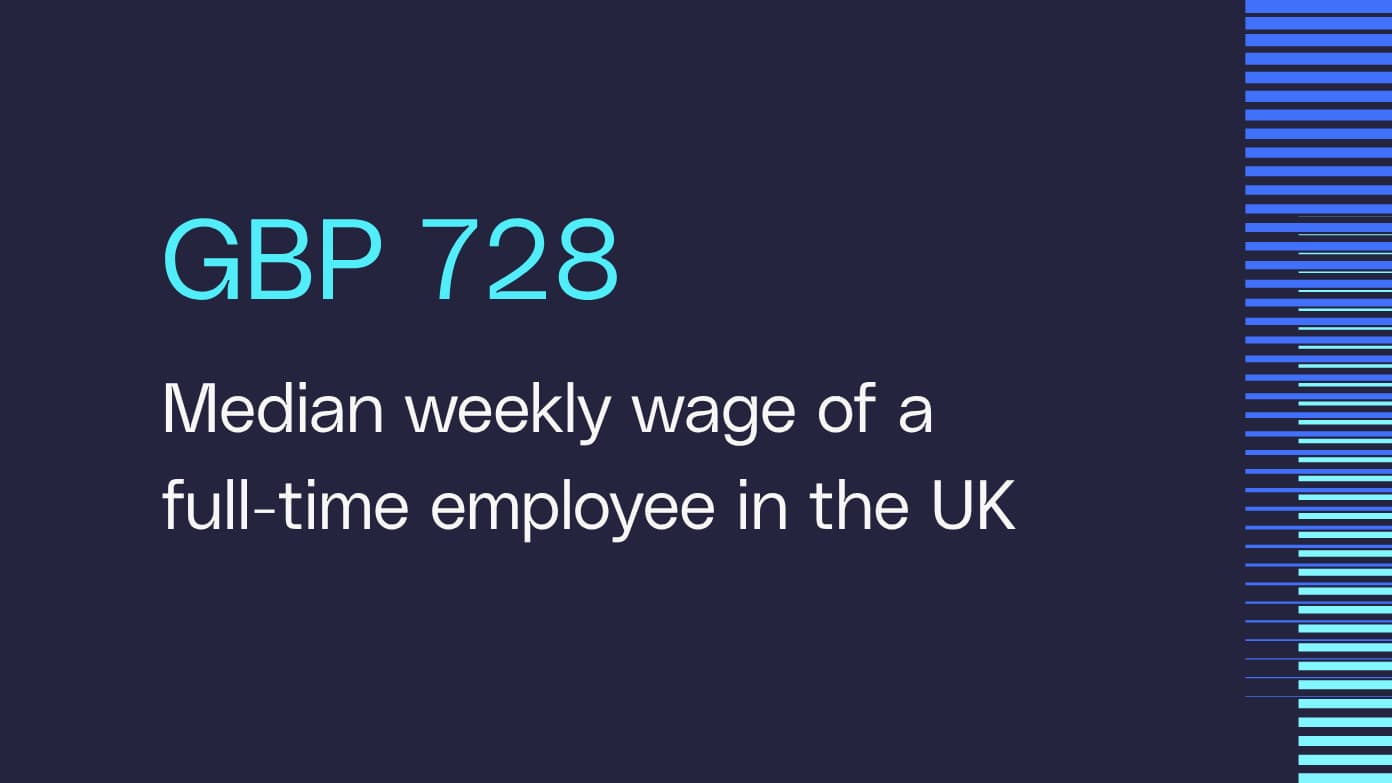
Stipendi e benefit variano a seconda della professione, ma la stipendio settimanale mediana di un dipendente a tempo pieno nel Regno Unito è intorno a GBP 728. L'assunzione nel Regno Unito richiede un budget attento:
-
Ricerca: Rispettare leggi e regolamenti richiede una ricerca approfondita, quindi dovrai pagare i dipendenti per farlo o collaborare conesperti esterni di conformità alle normative.
-
Formazione dell'entità: È necessario una società sussidiaria o filiale per assumere nel Regno Unito, il che può essere costoso e richiedere tempo. In alternativa, è possibile collaborare con un Employer of Record (Employer of Record) e saltare questo requisito.
-
Soluzioni di assumere: Gli EOR semplificano l'assunzione di dipendenti nel Regno Unito. Includi le loro tariffe nel tuo budget di assunzione.
-
Pubblicità: Pubblicare annunci di lavoro su i più popolari forum di lavoro del Regno Unito può aiutare ad attrarre candidati qualificati. Alcune di queste piattaforme possono richiedere una tariffa.
-
Verifiche legali: la verifica del diritto al lavoro di un candidato e altri controlli sui precedenti richiedono tempo e denaro.
-
Commissione di selezione: Se si utilizza una commissione di selezione interna, si pagheranno le ore di lavoro impiegate per la stesura dell'annuncio, la valutazione delle candidature e i colloqui con i candidati.
-
Addestramento: I nuovi assunti richiedono un investimento in formazione prima di poter iniziare a produrre lavori preziosi per la tua azienda.
Il costo di assumere un lavoratore a contratto nel Regno Unito
Assumere dipendenti a tempo pieno è ottimo per le esigenze a lungo termine e per le funzioni aziendali principali. Gli appaltatori possono essere più convenienti per progetti a breve termine o quando si necessitano di competenze specializzate per un periodo limitato. I contraenti hanno tipicamente una tariffa oraria più alta rispetto ai dipendenti, ma ti permettono di risparmiare su diverse spese, tra cui formazione, NICs, pensioni, festività, SSP e altri benefit.
Un lavoratore a contratto soluzione, come G-P Contractor , può aiutarti a assumere e pagare gli appaltatori nel Regno Unito con facilità.
Cosa serve per assumere dipendenti nel Regno Unito
Per assumere lavoratori nel Regno Unito, è necessario:
-
Una persona giuridica: È necessario un società sussidiaria o filiale registrato per assumere nel Regno Unito.
-
Assicurazione di responsabilità civile del datore di lavoro: la legge del Regno Unito impone alle aziende di stipulare un'assicurazione di responsabilità civile del datore di lavoro per tutelare i dipendenti in caso di malattia o infortunio sul lavoro.
-
Registrazione del datore di lavoro: l'assunzione di dipendenti nel Regno Unito richiede la registrazione come datore di lavoro presso l'HMRC per gestire gli obblighi fiscali e le ritenute alla fonte.
-
Busta paga: Un sistema di conformità è fondamentale per calcolare e inviare tasse, NIC e altre detrazioni.
Collaborare con un Employer of Record semplifica tutti gli aspetti dell'assunzione nel Regno Unito. In qualità di Employer of Record globale, abbiamo entità in tutto il mondo. Invece di passare mesi a creare il tuo, puoi usare la società sussidiaria del nostro Employer of Record UK per assumere i dipendenti in pochi minuti.
6 passi per assumere nel Regno Unito

Se vuoi assumere dipendenti UK, segui questi passaggi:
-
Prepararsi alla conformità: Fai ricerche per assicurarti di comprendere tutte le leggi e le pratiche del lavoro rilevanti per l'assunzione nel Regno Unito, oppure utilizza un Employer of Record per accedere alle competenze locali.
-
Pubblica una inserzione: Usa G-P Gia™, il nostro agente globale intelligentza artificiale di Risorse umane, per redigere documenti Risorse umane, inclusi i lavori che rispettano l'Equality Act of 2010 e la Data Protection Act of 2018.
-
Selezione dei candidati: Selezionare i candidati in base alle qualifiche indicate nei loro curriculum vitae e a verifiche legali.
-
Condurre i colloqui: Intervistare i candidati preselezionati e utilizzare Gia per formulare domande pertinenti e non discriminatorie.
-
Fai un follow-up e crea un contratto: Fai un'offerta al candidato scelto e redige un contratto di conformità che definisca termini, diritti e responsabilità di lavoro.
-
Inserisci il tuo potenziale candidato: Fornisci formazione e integra i nuovi assunti nella cultura aziendale.
Comprendere i contratti di lavoro nel Regno Unito
I contratti di lavoro nel Regno Unito devono essere supportati da una dichiarazione scritta di particolari o da un contratto con termini chiave di lavoro. Questi includono un titolo e una descrizione del lavoro, la data di inizio dell'impiego, la tariffa di remunerazione, i diritti alle ferie, l'indennità per malattia, gli orari di lavoro e i periodi di preavviso.
Includi clausole di proprietà intellettuale e riservatezza per proteggere le tue informazioni proprietarie. Puoi includere un periodo di prova, tipicamente di sei mesi o meno, e clausole di non concorrenza ragionevoli. Definire le condizioni e i processi per lo scioglimento contrattuale del contratto di lavoro può anche proteggerti da richieste di licenziamento ingiustificato.
Con Gia, puoi redigere contratti e altri documenti Risorse umane in pochi secondi che rispettano le leggi sul lavoro quando assumi nel Regno Unito.
Altre considerazioni di conformità e legali
Alcune altre considerazioni da considerare nell'assunzione di dipendenti nel Regno Unito includono:
-
Classificazione: Classificare correttamente i lavoratori nel Regno Unito è fondamentale per soddisfare i requisiti fiscali e di benefici e proteggere la reputazione e la stabilità finanziaria della tua azienda .
-
Contrattazione collettiva: i dipendenti britannici hanno il diritto di aderire a un sindacato e, in determinate condizioni, i datori di lavoro devono riconoscere questi sindacati e avviare contrattazioni collettive con essi.
-
Protezione dei dati: Insieme al Data Protection Act, devi rispettare il Regno Unito Regolamento generale sulla protezione dei dati (Regolamento generale sulla protezione dei dati). Se impieghi cittadini dell'UE che lavorano nel Regno Unito, devi anche rispettare i requisiti del Regolamento generale dell'UE sulla protezione dei dati per proteggere i loro dati.
Assunzione di appaltatori nel Regno Unito
Lavorare con lavoratori autonomi nel Regno Unito può essere un modo conveniente per testare il mercato e costruire una presenza senza l'impegno di dipendenti a tempo pieno. Gli appaltatori con sede nel Regno Unito comprendono il comportamento dei consumatori locali, le regole e le pratiche commerciali. Saranno pronti a lavorare rapidamente con le proprie attrezzature e i processi di lavoro consolidati.
Assumere appaltatori ti permette di adattare facilmente la forza lavoro nel Regno Unito in base alle esigenze aziendali, senza le complessità e i costi del lavoro.
Prima di stipulare un accordo con un lavoratore a contratto indipendente nel Regno Unito, considera quanto segue.
1. Dipendenti vs. lavoratori a contratto indipendenti
UK legge sul lavoro riconosce tre status occupazionali — dipendente, independent lavoratore a contratto (lavoratore autonomo) e lavoratore:
-
I dipendenti lavorano con un contratto di assunzione, che conferisce al datore di lavoro il controllo sul loro lavoro in cambio di diritti statutari, come l'indennità di malattia e la tutela contro il licenziamento illegittimo.
-
I collaboratori indipendenti gestiscono autonomamente il proprio lavoro in base al contratto di servizio stipulato. Sono considerati lavoratori autonomi, quindi sono responsabili del pagamento delle proprie tasse. Al di là dei termini contrattuali, godono di tutele legali minime, ma conservano alcuni diritti.
I lavoratori operano come appaltatori, ma devono svolgere personalmente il lavoro commissionato, mentre gli appaltatori possono subappaltare il lavoro a terzi. I lavoratori godono di diritti lavorativi fondamentali, come il salario minimo e le ferie retribuite.
2. Penali per errore di classificazione
Classificare qualcuno come lavoratore a contratto quando non lo è può comportare penalità. Se si verifica un errore di classificazione , potresti dover avere:
-
Paga l'intero datore di lavoro e le porzioni dipendenti di tutte le imposta residue sul reddito e le carte di retribuzione per l'intero periodo di errore di classificazione, più gli interessi.
-
Fornire arretrati per i diritti negati al dipendente o al lavoratore, inclusi arretrati minimi di stipendio, ferie retribuite maturate e contributi pensionistici arretrati sul posto di lavoro.
-
Rischiare sanzioni finanziarie significative da parte di HMRC.
3. Come pagare gli appaltatori nel Regno Unito
G-P Contractor elimina il processo disordinato e lungo, che richiede tempo di assumere e pagare gli appaltatori internazionali. Puoi creare e emettere contratti e pagare gli appaltatori con pochi clic, il tutto garantendo un processo di conformità.
Assumere dipendenti e collaboratori nel Regno Unito con G-P
I nostri servizi SaaS e i prodotti basati su intelligenza artificiale – Employer of Record, Contractor e Gia – aiutano aziende di ogni dimensione a costruire e gestire team globali.
Con oltre un decennio di esperienza, il team più numeroso di esperti in risorse umane, legali e di conformità, e una base di conoscenze proprietaria a livello globale, G-P è il leader riconosciuto nel settore del lavoro globale.
Rendi la tua espansione più facile quando assumi nel Regno Unito con G-P. Contattaci o prenota una demo oggi stesso.

Domande frequenti
Qual è la differenza tra il Regolamento generale del Regno Unito sulla protezione dei dati e l'UE Regolamento generale sulla protezione dei dati?
Il Regolamento generale del Regno Unito sulla protezione dei dati è essenzialmente il Regolamento generale dell'UE sulla protezione dei dati adattato per il Regno Unito dopo la Brexit. Il Regolamento generale britannico sulla protezione dei dati opera come un quadro indipendente post-Brexit. Se assumi che lavori come cittadino UE nel Regno Unito, devi rispettare entrambe le leggi.
I trasferimenti di dati tra Regno Unito e UE richiedono protezioni di conformità. Queste includono decisioni di adeguatezza della Commissione Europea (ai sensi del Regolamento generale sulla protezione dei dati dell'UE), del governo britannico (ai sensi del Regolamento generale sulla protezione dei dati britannico) e delle Clausole Contrattuali Standard per la protezione dei dati.
Quali sono le limitazioni sui controlli dei precedenti indipendenti nel Regno Unito?
Per la maggior parte dei lavori, i controlli dei precedenti si limitano alla verifica delle informazioni fornite dal candidato. Per lavori che comportano un rischio maggiore, puoi effettuare controlli più dettagliati, inclusi i controlli penali di fedina. Ma devi fornire un avviso sulla privacy che spieghi quali dati raccogli e perché.
Consigliamo di chiedere il consenso prima di effettuare il controllo. Nella maggior parte dei casi, devi utilizzare il Disclosure and Barring Service per i controlli penali di fede.
Cosa comporta un pacchetto di benefit competitivo per l'occupazione nel Regno Unito?
Oltre ai requisiti minimi previsti dalla legge, i pacchetti di benefici competitivi nel Regno Unito spesso includono:
Assicurazione medica privata
Oculistica dentale e copertura assicurativa
Modalità di lavoro flessibili
Contributi pensionistici superiori al minimo
Ulteriori giorni liberi retribuiti