


Istituire una società sussidiaria in Francia richiede tempo, risorse e una chiara comprensione delle esigenze legali e fiscali locali. Questa complessità può rallentare i tuoi piani di assunzione e spingere i candidati a esplorare altre opportunità.
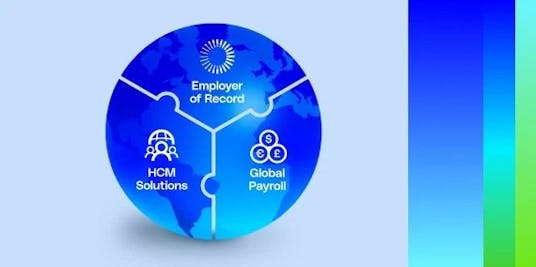
G-P offre un'alternativa alla creazione della propria società sussidiaria. Invece di seguire la tradizionale via della società sussidiaria in Francia, possiamo accelerare il tuo ingresso — senza bisogno di nuove entità — così puoi iniziare le operazioni in pochi minuti invece che in mesi.
Come aprire una società sussidiaria in Francia
Una società sussidiaria (filiale) è un'entità giuridica separata. È di proprietà di una società madre ma opera in modo indipendente, con una propria identità legale, beni e passività. La società cooperativa è responsabile del rispetto delle leggi francesi, comprese le normative fiscali, contabili e del lavoro. La responsabilità della società madre è generalmente limitata al suo investimento nella società stabileria. Questa è la regola generale, non una protezione assoluta, e possono essere previste eccezioni per garanzie, abusi, confusione patrimoniale o gestionale, cattiva condotta diretta, problemi di insolvenza o obblighi di diligenza.
Prima di costituire una società cooperativa azienda in Francia, identifica la tipologia di entità di cui hai bisogno. La maggior parte delle società internazionali sceglie una società privata a responsabilità limitata (société à responsabilité limitée, o SARL) o una società per azioni semplificata (société par actions simplifiée, o SAS).
Le aziende con un solo azionista possono istituire un'entreprise unipersonnelle à responsabilité limitée (EURL), la forma a membro unico di una SARL. La responsabilità dell'azionista è generalmente limitata ai loro contributi, che si traduce in "società a responsabilità limitata a membro unico".
Società privata a responsabilità limitata (SARL)
Le SARL hanno un quadro giuridico rigido con molte regole stabilite dalla legge. I SARL devono avere:
- Azionisti: 1–100 azionisti. Un SARL a azionista unico è comunemente chiamato EURL.
- Capitale: Almeno 1 EUR di capitale sociale per una SARL. Il capitale sociale è fissato negli articoli e può essere costituito da contributi in denaro o in natura.
- Gestione: Uno o più manager individuali (gérants). Un'entità giuridica non può essere nominata responsabile della SARL.
Società per azioni semplificata (SAS)
Un SAS francese è generalmente più facile da configurare e gestire. È popolare tra gli investitori globali perché offre flessibilità nel modo in cui l'azienda viene gestita e organizzata. Devono avere:
- Azionisti: Almeno un azionista. Un SAS a azionista unico è comunemente chiamato SASU.
- Capitale: almeno EUR 1 in capitale sociale.
- Gestione: Un presidente, che può essere un individuo o un'entità legale.
Filiale vs. società sussidiaria
Una filiale (succursale) è l'ufficio locale di una società madre. Una filiale (succursale) non è un'entità giuridica separata dalla sua società madre. La società madre è interamente responsabile delle attività, dei debiti, degli obblighi contrattuali, degli obblighi sul lavoro, delle responsabilità fiscali e di altri impegni legali della filiale in Francia. Una filiale non è un'entità giuridica separata — è un'estensione della società madre. Una filiale deve registrarsi presso le autorità francesi e rispettare le normative locali.
La creazione di una società sussidiaria o di una filiale dipende dai tuoi obiettivi aziendali. Una società sussidiaria può proteggere la tua azienda principale dai rischi in Francia, ma i costi di manutenzione elevati e i requisiti burocratici si sommano rapidamente.
Una filiale è un'estensione della tua azienda principale in Francia. È più facile ed economico da creare, ma la tua azienda principale è legalmente responsabile di tutto ciò che fa la filiale.
Fasi per costituire una società sussidiaria in Francia:
- Bozza dello statuto: Prepara e firma lo statuto (statut) dell'azienda, che ne definisce lo scopo, come sarà gestita e come funzionerà.
- Versamento del capitale sociale: Aprire un conto aziendale in Francia e depositare il capitale sociale iniziale. La banca rilascerà un certificato di deposito (certificat de dépôt des fonds) necessario per la registrazione.
- Assicurati un indirizzo: Devi avere un indirizzo fisico registrato in Francia. Questo può essere ottenuto tramite un contratto di locazione commerciale, una domiciliation azienda, oppure acquistando una proprietà.
- Pubblica un avviso di incorporazione: Un avviso con informazioni sulla nuova azienda deve essere pubblicato in una rivista legale autorizzata o in un servizio online di avvisi legali (Journal d'Annonces Légales, o JAL).
- Fai domanda online: Invia tutti i documenti compilati tramite il portale ufficiale ufficiale Guichet unique des formalités des entreprises , gestito da INPI. I documenti devono includere lo statuto costitutivo, il certificato di deposito di capitale, la prova di indirizzo, l'avviso di pubblicazione JAL e dettagli sui gestori o amministratori.
- Registrati: Una volta approvata, la tua azienda sarà registrata presso il Registro del Commercio e delle Società (RCS), e riceverai un estratto Kbis, che è il documento ufficiale che attesta l'esistenza legale e la registrazione di un'azienda in Francia.
Leggi e requisiti sussidiari in Francia
Devi soddisfare diverse leggi e requisiti per costituire una società sussidiaria in Francia:
- Gestione: Un gérant o presidente generalmente non deve essere residente in Francia. I cittadini non appartenenti all'UE/SEE/svizzeri che vivranno o lavoreranno in Francia potrebbero aver bisogno di un'autorizzazione appropriata all'immigrazione e al lavoro.
- Revisore dei conti legale: le filiali francesi (SAS o SARL) necessitano di un revisore dei conti legale (commissaire aux comptes) se l'azienda supera due delle seguenti soglie: 5 milione di euro di totale bilancio, 10 milioni di euro di riserve nette o una media di 50 dipendenti.
- Tassazione: Le filiali pagano l'imposta sul reddito delle società. I dividendi pagati a una società madre non residente sono generalmente soggetti all'imposta trattenuta del 25%, salvo riduzione o esenzione ai sensi di un trattato fiscale o delle norme UE applicabili. Questo può essere ridotto o rimosso ai sensi dei trattati sulla doppia imposizione o della Direttiva UE sulle Società Matrici, che impediscono che gli stessi profitti vengano tassati due volte.
- Reportage: Le aziende generalmente presentano bilanci annuali ogni anno. SARL e SAS solitamente presentano i conti annuali approvati presso il registro del tribunale commerciale. Devono inoltre rispettare la previdenza sociale e altri requisiti amministrativi.
Vantaggi delle filiali in Francia
- Presenza locale: Costituire una società stabileria vi garantisce una presenza formale e riconosciuta in Francia, che può accrescere la vostra credibilità presso clienti, partner e autorità.
- Accesso al mercato: le filiali offrono un accesso più agevole ai mercati francese e dell'UE.
- Separazione giuridica: la società cooperativa è un'entità giuridica distinta, pertanto la responsabilità della società madre è limitata al capitale investito nella società cooperativa, a tutela del patrimonio della società madre.
- Acquisizione di talenti: avere una società cooperativa consente di assumere dipendenti direttamente utilizzando contratti di lavoro francesi, il che può aiutare ad attrarre talenti locali.
- Agevolazioni fiscali: le filiali possono beneficiare di incentivi fiscali locali o trattati, a seconda delle loro attività e della loro struttura.
Svantaggi delle filiali francesi
- Configurazione complessa: la costituzione di una filiale comporta procedure amministrative, documentazione legale e conformità al diritto societario.
- Conformità continua: Rimanere conforme alle normative contabili, fiscali e lavorative francesi è un lavoro a tempo pieno.
- Costi: Le filiali comportano costi iniziali e di gestione più elevati per l'assistenza legale, contabile e operativa.
- Requisiti di gestione: Sebbene gli amministratori non debbano necessariamente essere residenti in Francia, la conoscenza del contesto locale è spesso necessaria per garantire la conformità normativa.
- Chiusura: Chiudere una società sussidiaria richiede tempo e è costoso a causa delle esigenze legali e amministrative della Francia.
Alternativa alla creazione di una società sussidiaria in Francia
G-P permette di assumere talento in pochi minuti senza la complicazione di configurare un'entità. I vantaggi dell'utilizzo di un datore di lavoro di record (Datore di lavoro di registro) in Francia includono:
- Ingresso più veloce sul mercato: Un Employer of Record ti permette di inserire talento immediatamente senza il lungo processo di costituzione di una persona giuridica. La creazione di una società sussidiaria può richiedere mesi a causa di requisiti normativi, bancari e amministrativi.
- Garanzia di conformità: Le leggi sul lavoro in Francia sono complesse e proteggono i dipendenti. Un Employer of Record garantisce il rispetto del Code du Travail (Codice del Lavoro), dei contratti collettivi (convention collectives), delle normative sul lavoro salariale, delle ritenute fiscali e dei benefici statutari.
- Efficienza dei costi: la costituzione e la gestione di SARL comportano costi iniziali e ricorrenti significativi, tra cui spese legali, contabilità, gestione locale e spese generali amministrative. Affidarsi a un Employer of Record è più conveniente, soprattutto se si sta assumendo un piccolo team o si sta testando il mercato in Francia.
- Semplicità amministrativa: con un Employer of Record, non dovrai preoccuparti degli oneri amministrativi legati alla gestione delle buste paga, dei contributi sociali obbligatori, delle dichiarazioni dei redditi e degli adempimenti relativi alle risorse umane. Il datore di lavoro ufficiale si occupa di tutto questo, così tu puoi concentrarti sulla tua attività.
- Flessibilità: Un accordo Employer of Record è più facile da scalare verso l'alto o verso il basso rispetto a una società sussidiaria.
- Mitigazione del rischio: Un Employer of Record gestisce i rischi legali associati all'impiego, come la classificazione dei lavoratori, offrendoti un ulteriore livello di protezione.
Entra in nuovi mercati con G-P: non sono necessarie nuove entità
Costituire una società sussidiaria o entità giuridica in Francia è costoso e richiede molto tempo. G-P Employer of Record ti permette di assumere talento in pochi minuti senza le complicazioni e le difficoltà di una società sussidiaria.
Richiedete oggi stesso una proposta per saperne di più sui nostri prodotti globali per la gestione del personale e sulle soluzioni Employer of Record.
Domande frequenti
Cos'è una dichiarazione del beneficiario beneficiario e quando è obbligatoria?
Questa dichiarazione identifica le persone fisiche che in ultima analisi possiedono o controllano la società sussidiaria francese. Segnala chiunque detenga, direttamente o indirettamente, più del 25% del capitale o dei diritti di voto, o eserciti il controllo con altri mezzi. Se nessun individuo è identificato dopo dovuta diligenza, segnalare il rappresentante legale di default. La presentazione di incorporazione INPI include generalmente questa dichiarazione. Presenta qualsiasi modifica entro 30 giorni.
Quando è richiesta una pubblicazione di annuncio legale per l'incorporazione?
Quando si crea una società sussidiaria in Francia, è necessario pubblicare un avviso di incorporazione come parte del processo di formazione. Inserisci la notifica su un mezzo legale autorizzato presso il dipartimento della sede legale. Devi includere la prova della pubblicazione nel file di registrazione.
Quali registrazioni fiscali si applicano per l'imposta sul reddito societario e l'IVA?
Una società sussidiaria francese è soggetta all'imposta aziendale francese sul reddito sugli utili imponibili. L'aliquota di imposta standard è 25%. Gli obblighi IVA dipendono da attività imponibili, ricambio, regime IVA e transazioni transfrontaliere. L'aliquota standard di IVA è del 20%, con aliquote ridotte applicate a forniture specifiche. I dettagli di incorporazione sono indirizzati automaticamente alle autorità competenti. Le società supportate devono confermare il regime fiscale applicabile, l'attivazione dell'IVA e il numero IVA presso un consulente fiscale locale o un ufficio competente imposta sulle imprese.
Quali sono le principali differenze tra una società sussidiaria e una filiale in Francia?
Una società sussidiaria — filiale — è un'entità giuridica francese separata, solitamente organizzata come SAS o SARL. Una filiale — succursale — non ha personalità giuridica separata e opera come parte della società madre estera. A società sussidiaria limita la responsabilità della società madre al suo investimento di capitale. Una filiale lascia la società madre direttamente responsabile di tutti gli obblighi. Entrambe le strutture richiedono la registrazione francese e la conformità fiscale, ma una società sussidiaria mantiene una governance indipendente e requisiti annuali societari.
Quale forma giuridica si adatta a una società sussidiaria di proprietà straniera: SAS o SARL?
I gruppi internazionali che costituiscono una società sussidiaria francese spesso scelgono una SAS perché offre una governance flessibile, statuti adattabili e un'opzione a singolo azionista chiamata SASU. Un SAS deve nominare un presidente. Una SARL ha regole di governance prescrittive, richiede uno o più gestori a persona fisica — gérants — e generalmente detiene 2–100 azionisti. Il modulo SARL a membro unico è un EURL. La forma ottimale dipende dalle strutture di governance, dalle strategie di finanziamento, dal posizionamento fiscale e dai requisiti della previdenza sociale esecutiva.
Come si sceglie e si prova un indirizzo di sede legale francese?
Una società sussidiaria francese deve mantenere una sede legale in Francia e presentare la prova accettata di occupazione durante il deposito di incorporazione. La prova standard include un contratto di locazione commerciale, un atto di proprietà, un accordo di domiciliazione o una prova di occupazione in stile utility accettata dal registro. Puoi utilizzare l'indirizzo di residenza di un rappresentante legale secondo specifiche regole di contratto di locazione, coproprietà, pianificazione e notifica. La residenza temporanea presso una residenza privata è limitata a cinque anni.
Come si registra una società sussidiaria francese tramite INPI Guichet Unique?
Completa la registrazione online tramite il portale Guichet Unique di INPI. La presentazione di incorporazione include:
Statuto firmato
Prove di nomine manageriali
Prova dell'indirizzo della sede legale
Certificato di deposito patrimoniale
Dettagli dell'abbonato
Certificato di pubblicazione di annunci legali
Informazioni sul proprietario beneficiario
Documenti d'identità e dichiarazioni giurate di non condanna
Approvazioni regolatorie richieste
Una volta accettato, il registro registra l'azienda nell'RNE e nell'RCS, emette identificatori SIREN e SIRET e genera l'estratto Kbis.
Cosa è necessario per nominare direttori o manager per un SAS o un SARL?
Un SAS deve nominare un presidente, che può essere un individuo o un'entità societaria. Un presidente aziendale richiede un rappresentante permanente individuale. Un SARL deve nominare uno o più manager di persona fisica. Il team deve approvare le nomine tramite lo statuto sociale o una decisione societaria formale. I singoli rappresentanti presentano documenti d'identità insieme a dichiarazioni giurate di non condanna e di paternità. I cittadini non UE che si trasferiscono per vivere e lavorare in Francia devono ottenere l'autorizzazione all'immigrazione.
Quali documenti deve fornire una madre statunitense per costituire in Francia?
Una società madre statunitense fornisce prova certificata di esistenza legale, statuti societari e risoluzioni autorizzate del consiglio che approvano la società sussidiaria francese, la sottoscrizione di azioni e l'allocazione del capitale. Il processo di deposito richiede la prova dell'autorità del firmatario, i registri della catena di proprietà, la documentazione UBO e la verifica dell'identità per i rappresentanti. I registri francesi, le banche e le autorità fiscali possono richiedere un'apostiglia e traduzioni certificate in francese a seconda della giurisdizione statale e della struttura di proprietà.
Come si deposita capitale sociale per una società sussidiaria francese e si ottiene la prova?
Depositare capitale sociale presso una banca autorizzata o un notaio prima della costituzione definitiva. L'istituzione rilascia un'attestation de dépôt des fonds richiesta per la registrazione. Al momento dell'incorporazione, i fondatori devono pagare almeno il 50% del capitale in cassa di un SAS e il 20% del capitale in liquidità SARL. Il team deve pagare il saldo residuo entro cinque anni. La legge francese non stabilisce un capitale minimo legale pratico per un SAS o un SARL, ma le aziende devono finanziare un capitale circolante sufficiente per la cattura del mercato. La banca rilascia i fondi depositati dopo la registrazione e l'emissione di Kbis.