





採用候補者が正式な従業員になるには、それなりの理由がなければなりません。 その理由は、報酬と福利厚生である場合が少なくありません。 企業が破格の報酬と福利厚生を支給すれば、雇用市場での競争力を付けることになり、従業員の定着率も高くなります。
しかし、多くの企業はマルタの報酬法や法定福利厚生要件を知りません。そのため、G-Pはマルタの福利厚生と報酬アウトソーシングをソリューションの一環として提供しています。私たちは マルタ雇用代行業者(EOR) を活用し、従業員にふさわしい報酬と福利厚生を提供しつつ、すべてのコンプライアンスを担います。
マルタの報酬法
マルタは最後に最低賃金を 1年引き上げました。751月の週当たりのユーロ2022。92534フルタイムの成人従業員には、最低でも月額3.4ユーロが支払われなければなりません。雇用主は、賃金が全額かつ期日通りに支払われることを条件に、銀行振込、現金、または小切手で従業員に支払うことができる。支払い方法は雇用契約に合致し、従業員が実質受取金額を明確に把握できるようにすべきです。 従業員と雇用主は通常、支払い期間について合意しており、週払い、隔週払い、月払いのいずれかです。
マルタで保証されている福利厚生
マルタの福利厚生管理プランの設定を開始する際には、まずすべての法定給付をリストアップする必要があります。週に 40 時間働くすべての従業員は、一般的に年次有給休暇 192 時間を取得する必要があります。 24これは2営業日、つまり約4週間と4営業日に相当します。祝日が週末に重なる場合、年間支給額は変動する可能性があります。マルタはまた、特定の分野に対して関連する賃金規制命令に従って病気休暇を提供しています。従業員は通常、毎年約2営業週分の有給病気休暇を受け取りますが、具体的な権利は適用される賃金規制命令や雇用期間によって異なります。雇用主は一般的に病気休暇を正当化するために医療証明書を求めます。
マルタの福利厚生法の特徴の一つは、各親が子ども一人あたり4か月分の無給育児休暇を取れることです。これは一般的に、出生、養子縁組、里親委託、または法的監護の場合において、子供が8歳になるまで適用されます。しかし、従業員は通常、同じ雇用主で 12 か月連続勤務した後に育児休暇の資格が得られます。
マルタの福利厚生管理
法律で義務づけられた福利厚生に加えて、従業員が期待し、市場規範となっている福利厚生も支給すべきです。 例えば、実績ベースのボーナス、民間健康保険、ある種の退職給付金などがあります。 業界他社の施策を調べたり、従業員が最も重視している内容を尋ねたりできます。
給付金および報酬に関する制限
企業はマルタに進出してすぐに事業を開始することはできません。彼らは一般的に 、従業員 の雇用や報酬・福利厚生の提供だけに登録子会社を必要としません。ただし、マルタの雇用主、給与、税務、社会保障、雇用に関する法律義務を遵守しなければならず、従業員の役割や事業活動に応じて現地での設置が必要になる場合があります。 しかし、子会社設立には数ヶ月かかるため、その国で事業を展開できる機会が遅れる可能性があります。
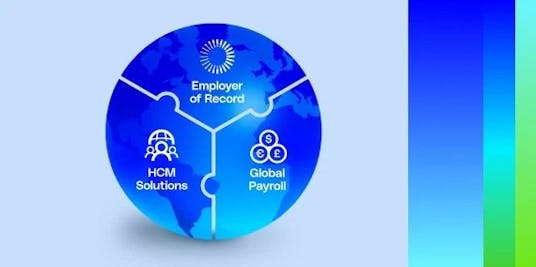
G-Pは、世界各国に子会社を持つグローバル雇用代行業者(EOR)です。 当社と提携することで、お客様ご自身でマルタの子会社を設立する代わりに、当社のマルタ子会社を事業拡大に活用できます。当社にマルタの福利厚生および報酬業務のアウトソーシングをご依頼いただければ、マルタの報酬関連法規について心配したり、独自のマルタ福利厚生管理計画を作成したりする必要がなくなります。
G-Pと提携してグローバルチームを構築しましょう
G-P (ランキング1を使用すれば、各国固有の規制や基準を満たす競争力のある福利厚生をグローバルな従業員に提供できます。 当社のグローバル雇用プラットフォームを通じて福利厚生プランを簡単に管理し、チームに手間のかからない従業員エクスペリエンスを提供します。
当社のグローバル雇用製品と雇用代行業者(EOR)ソリューションの詳細については、デモを予約してください。